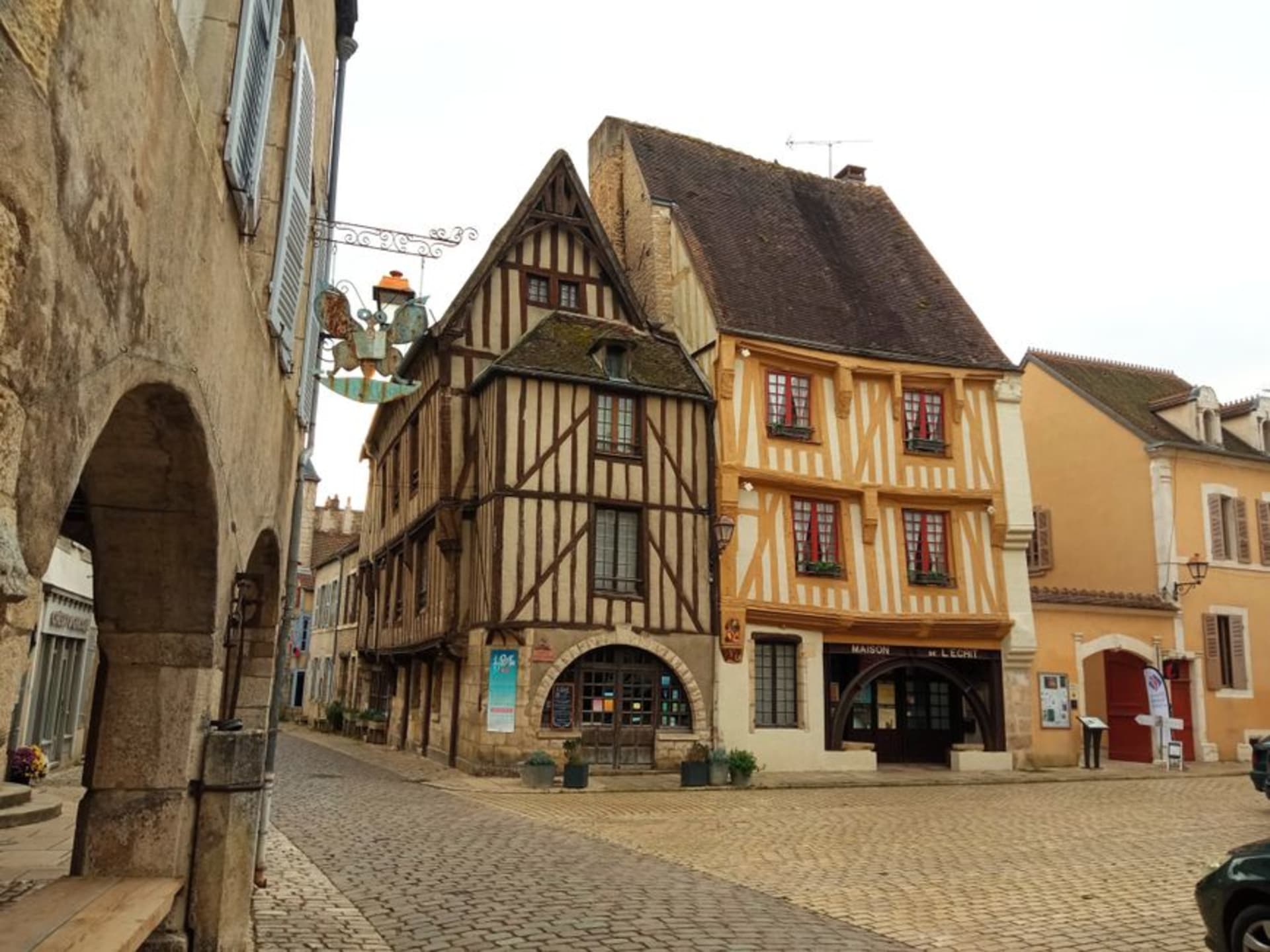
Bar-sur-Aube
"Lia pointed out that we hadn't seen a single tour bus since we'd crossed into the Aube, and by Bar-sur-Aube I understood why nobody bothers coming this far south."
A medieval town anchoring the southern Aube vineyards, with a preserved old quarter and a wine culture that feels closer to Burgundy than Reims.

By the time we reached Bar-sur-Aube I’d stopped thinking of the trip as a Champagne tour and started thinking of it as a detour through a part of France almost nobody visits on purpose. It’s a two-hour drive south of Reims, close enough to Burgundy that the light and the stone start to feel different, and the town itself has a medieval core — Rue Nationale, the old church of Saint-Maclou — that survived largely intact, unlike so many towns in this region that got rebuilt after two world wars. I remember walking under the covered wooden gallery attached to the church and being surprised nobody else was there to see it.
The Aube gets treated as an afterthought in most Champagne writing, tacked onto the end of a chapter about Reims and Epernay, but it produces something like a quarter of all Champagne grapes, mostly Pinot Noir on soil that’s more kimmeridgian marl than the chalk further north — the same soil, in fact, that runs under Chablis less than an hour away. A grower near town told us, half-joking, that the Aube spent decades being told it wasn’t really Champagne at all, back when the appellation boundaries were being drawn in the early 1900s, and there were literal riots over it in 1911. That history isn’t something you get in Epernay.

We stayed two nights, longer than planned, mostly because the pace of the place was so different from where we’d been. Dinner the first night was at a small place off the Rue Nationale where the owner recommended a grower Champagne none of us had heard of, made by someone who also, apparently, made a decent still red under the Coteaux Champenois label — something I didn’t even know existed until that trip. It was thinner and more acidic than a Burgundy Pinot but genuinely interesting, the kind of thing you can only really taste on-site.

What stuck with me most was a morning walk along the Aube river just outside town, mist still sitting low over the water, a couple of fishermen already out despite the cold. It felt like a version of rural France that’s disappearing fast, or at least one that tourism hasn’t reshaped yet. Lia said it reminded her of towns in the Ardeche before they got discovered. I don’t know if Bar-sur-Aube will stay this quiet forever, but I’m glad we saw it while it does.
When to go: Late spring or early autumn, when the weather’s mild enough for the riverside walk and the harvest bustle hasn’t yet, or has just finished, brought the crowds through.
Keep exploring
More from Champagne Region
 champagne-region
Châlons-en-Champagne
The administrative capital of Champagne sits on its canals like a smaller, quieter Bruges — stained glass in the churches and no one else at the museums.
Explore champagne-region
Chateau-Thierry
A Marne River town at Champagne's western edge, birthplace of the fabulist La Fontaine and scarred ground from two world wars.
Explore champagne-region
Colombey-les-Deux-Églises
The quiet Haute-Marne village where Charles de Gaulle lived, died and is buried, marked by a giant Cross of Lorraine that you can see long before you arrive.
Explore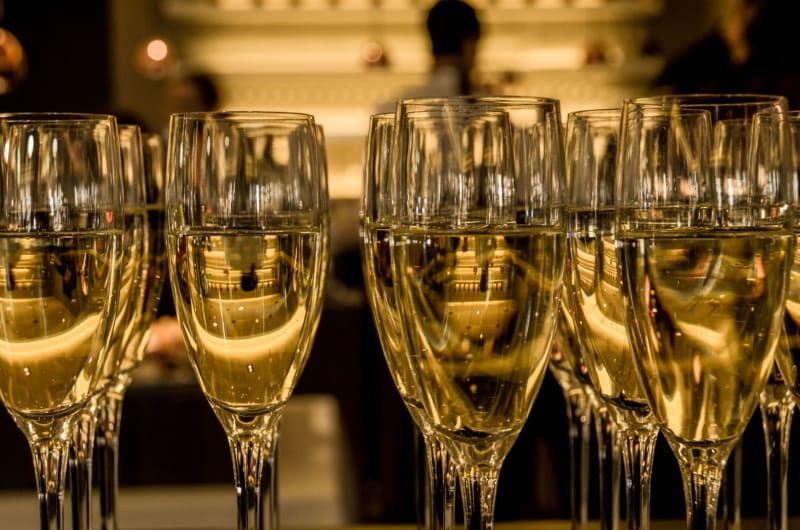 champagne-region
Côte des Bar
The Champagne region's wild south, where Kimmeridgian limestone meets Pinot Noir and a new generation of growers is making wine that embarrasses the grandes maisons.
Explore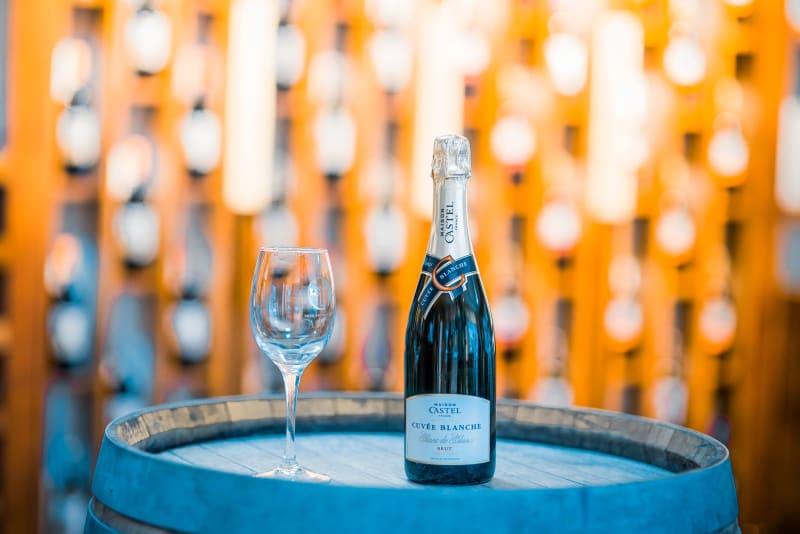 champagne-region
Côte des Blancs
A south-facing chalk ridge below Épernay where Chardonnay reigns on pure white soil and the wine tastes like a cold bright morning in a glass.
Explore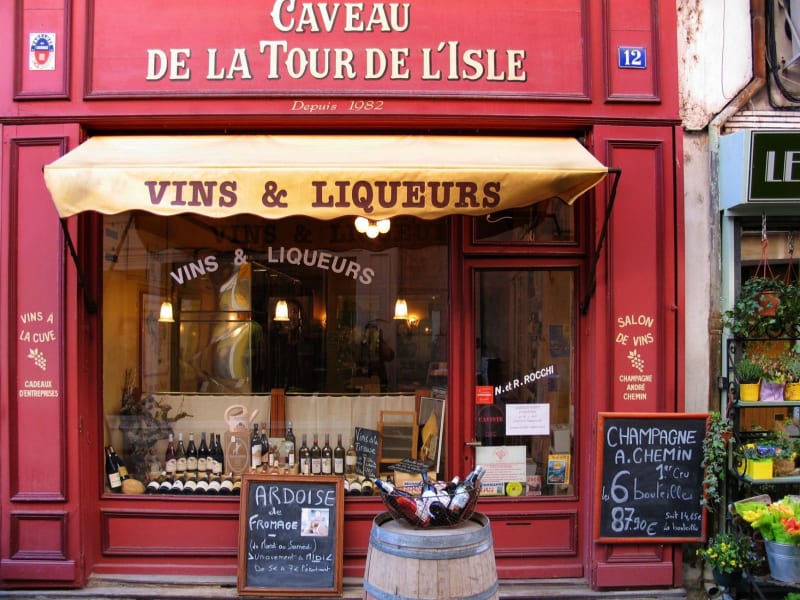 champagne-region
Épernay
A single avenue where the world's greatest Champagne houses sit shoulder to shoulder above seventeen billion euros of wine aging underground.
Explore