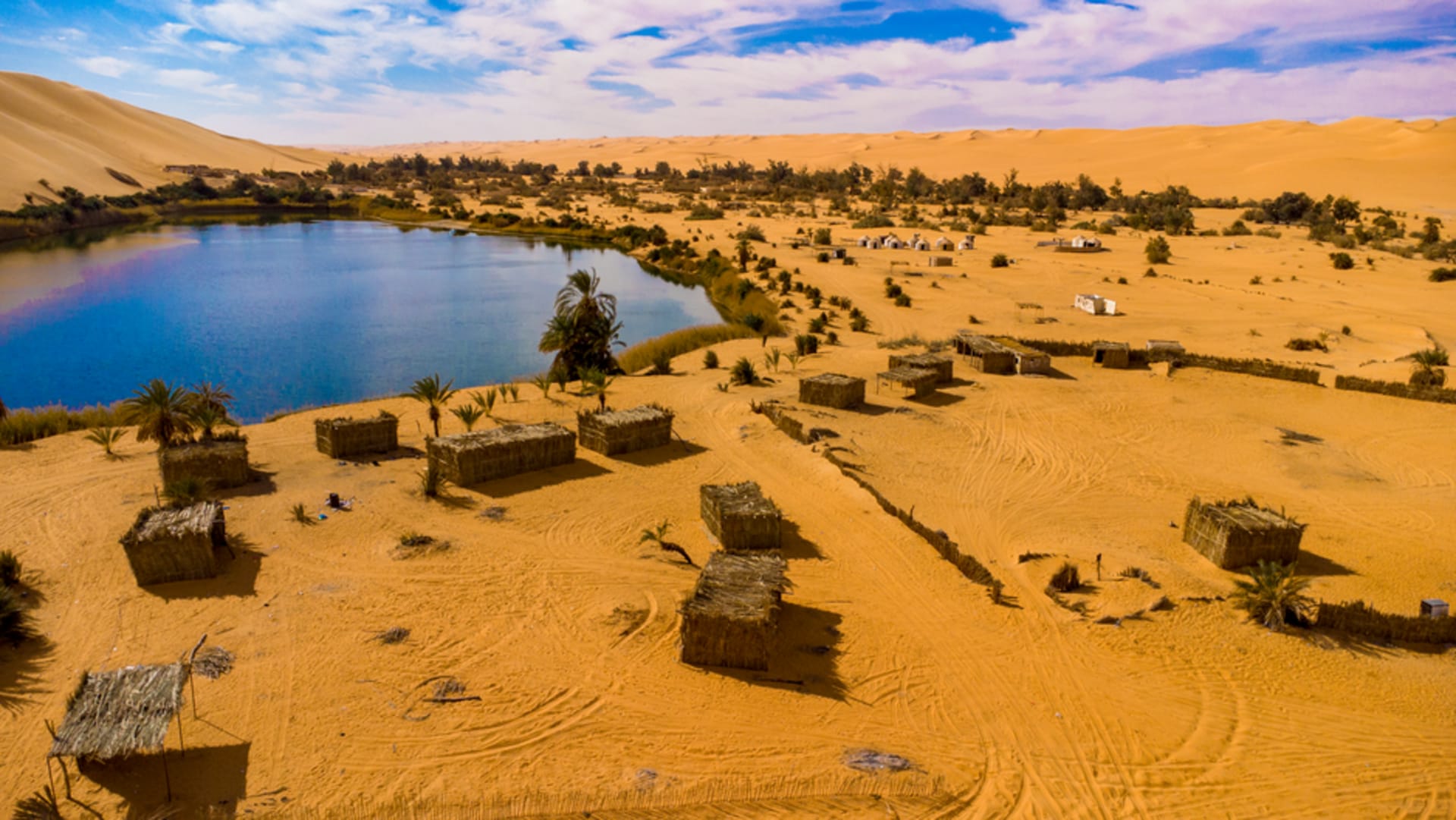
Eighteen impossible lakes glittering in the Sahara, fed by a fossil aquifer no drought has ever reached.
I still don’t fully believe the photos I took at Ounianga. Lia and I had crossed most of northern Chad by the time we got there, and nothing prepares you for cresting a dune in the middle of the driest place on the planet and seeing water — not a mirage, not a puddle, but a chain of eighteen lakes stretching toward the horizon. This is Chad’s first UNESCO World Heritage Site, inscribed in 2012, and the moment you understand why is the moment you stop walking and just stare.
We based ourselves near the Ounianga Kebir cluster first, and Lake Yoan is the one that stopped my breath. It’s ringed by a thick collar of date palms, the water an impossible turquoise against the dunes, and yet nothing lives in it — it’s so saline that fish can’t survive there. Our guide, who’d grown up in Faya-Largeau, told me the lake’s salt crust builds and recedes with the seasons like breathing. I remember crouching at the edge, dipping a hand in water so mineral-dense it felt almost oily, while the wind pushed sand across the palm fronds above us.
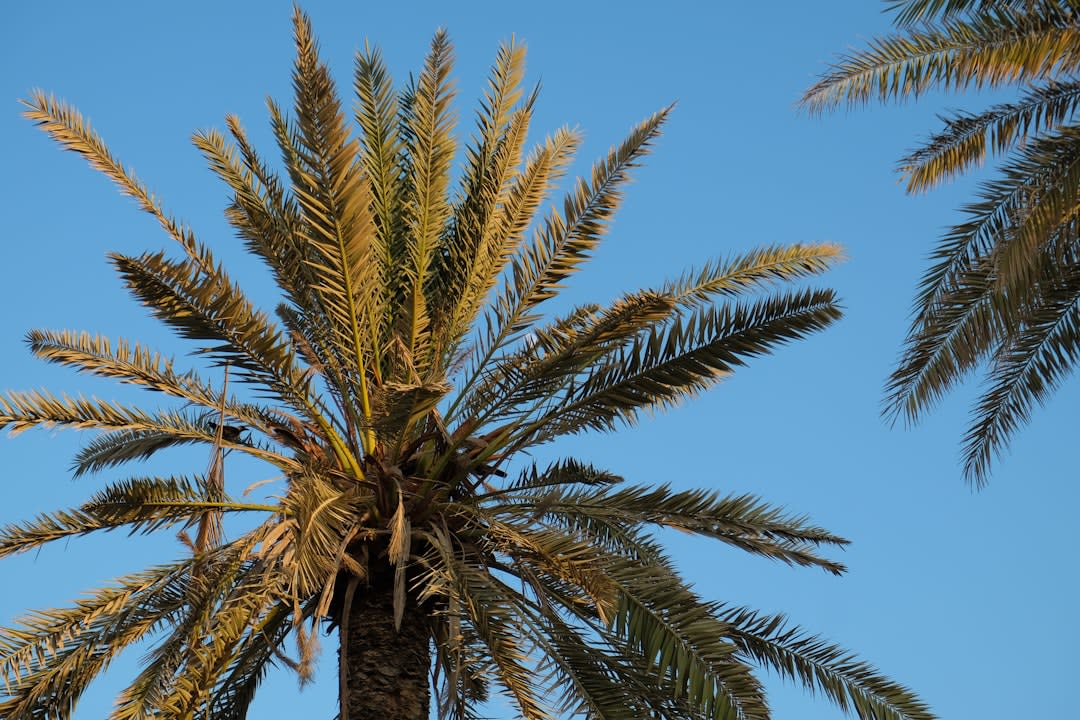
Driving on to the Ounianga Serir group two days later felt like a different planet again. Lake Teli, freshwater and calm, actually holds small fish populations — something our guide pointed out with real pride, since almost nothing else survives out here. What gets you is the scale of what’s underneath all of it: these lakes aren’t rain-fed, they’re remnants of a much wetter Sahara from thousands of years ago, kept alive today purely by a fossil aquifer beneath the sand. Lia kept saying it out loud like she needed to convince herself — water older than memory, still rising, in the middle of a desert that gets essentially no rain at all.
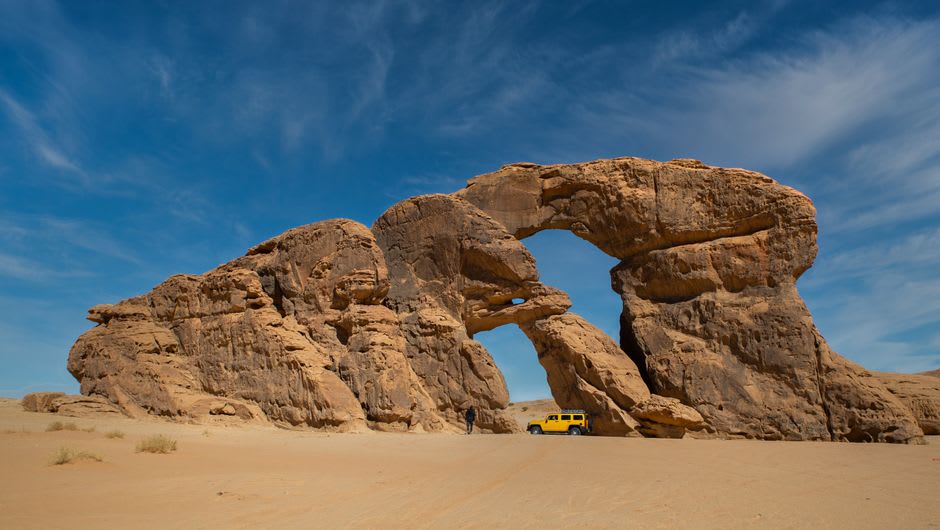
We camped one night between the two clusters, close enough to the Ennedi Plateau that its sandstone silhouette sat on the horizon at dawn. I don’t think I’ve felt that remote anywhere else we’ve traveled — no towns, no lights, just Lia, our guide, and a sky so clear it looked fake. Getting to Ounianga takes real effort and a good local fixer, but that isolation is exactly what makes it feel earned when you arrive.
When to go: Aim for November through February, when Chad’s dry season cools the desert enough to make the long overland journey to Borkou actually bearable.