Africa
Chad
"The silence here has a texture. Sand, heat, and nothing asking anything of you."
I arrived in N’Djamena on a late afternoon when the harmattan was blowing enough dust off the Sahel to turn the sky the color of old brass. The airport is small, functional, and completely honest about where you are. There are no tourist shops selling camel figurines. There is no greeter with a sign for a boutique hotel transfer. There is just the heat, the dust, and the immediate sense that this country has not restructured itself around the possibility of your visit.
That is Chad’s most clarifying quality. The Lake Chad basin in the west was once one of the great inland seas of Africa — a body of water that fed civilizations, trade networks, and fishing communities for thousands of years. It is now a fraction of its former size, shrinking visibly decade by decade, and the communities around it have adapted with the kind of quiet resilience that does not ask to be photographed. In the markets of Mao and Bol, you find dried fish from water that no longer exists where it was caught, traded by people who remember the lake at higher levels the way the French remember a better baguette. What’s left is still worth seeing — the papyrus channels, the fishing pirogues at dawn, the floating islands of vegetation — but the experience requires you to hold two truths at once: extraordinary beauty and genuine ecological grief.
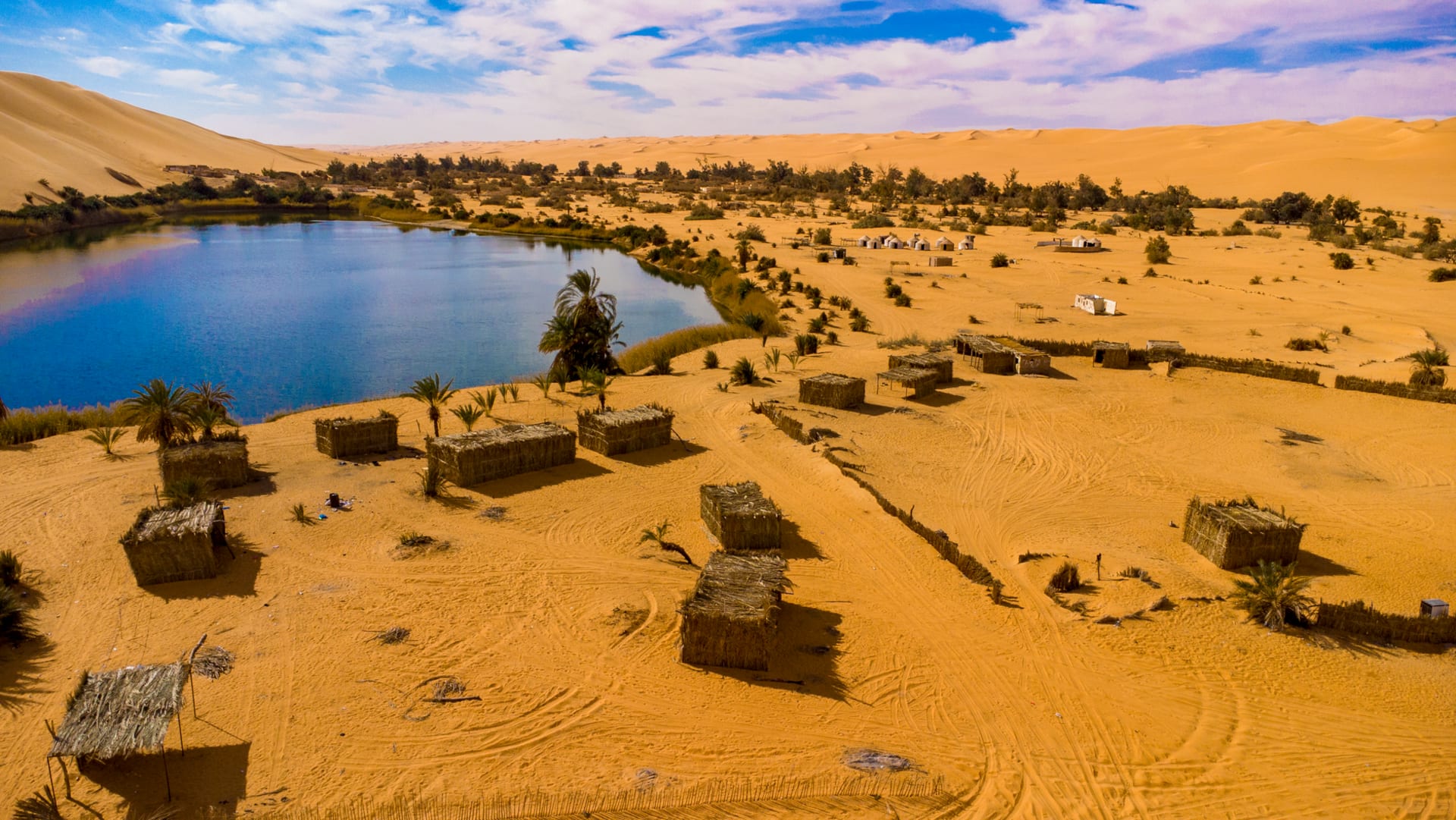
The north is where Chad reaches its most severe and spectacular. The Tibesti Mountains, accessible only by serious expedition, are among the most remote highlands on earth — volcanic craters, hot springs, rock art left by people who crossed this terrain when it was savanna. The Ennedi Plateau to the northeast is more accessible and rewards the effort with sandstone arches, gorges, and prehistoric engravings that pre-date the pyramids. I spent three days there with a Toubou guide who spoke Dazaga, some Arabic, and enough French to settle on a route. The silence between us was companionable. The landscape did all the speaking anyway.
When to go: November to February is the only realistic window for most of the country — temperatures drop to tolerable levels and the harmattan, while present, is manageable. The rainy season (July to September) floods the south and makes the Sahel impassable. The Tibesti requires dry-season timing and advance logistics regardless.
What most guides get wrong: Chad is written off as inaccessible, unstable, and without infrastructure — all of which are partially true and all of which are also said about every destination that remains genuinely off the beaten path. What gets missed is that the country’s very lack of tourism infrastructure is what preserves it. The Ennedi Plateau sees a few hundred serious travelers per year. The rock art there is not behind a fence. The Saharan silence is not a product. If you have the logistical patience for overland travel and can accept that nothing will go exactly as planned, Chad returns the investment in ways that no well-trodden destination can match anymore.