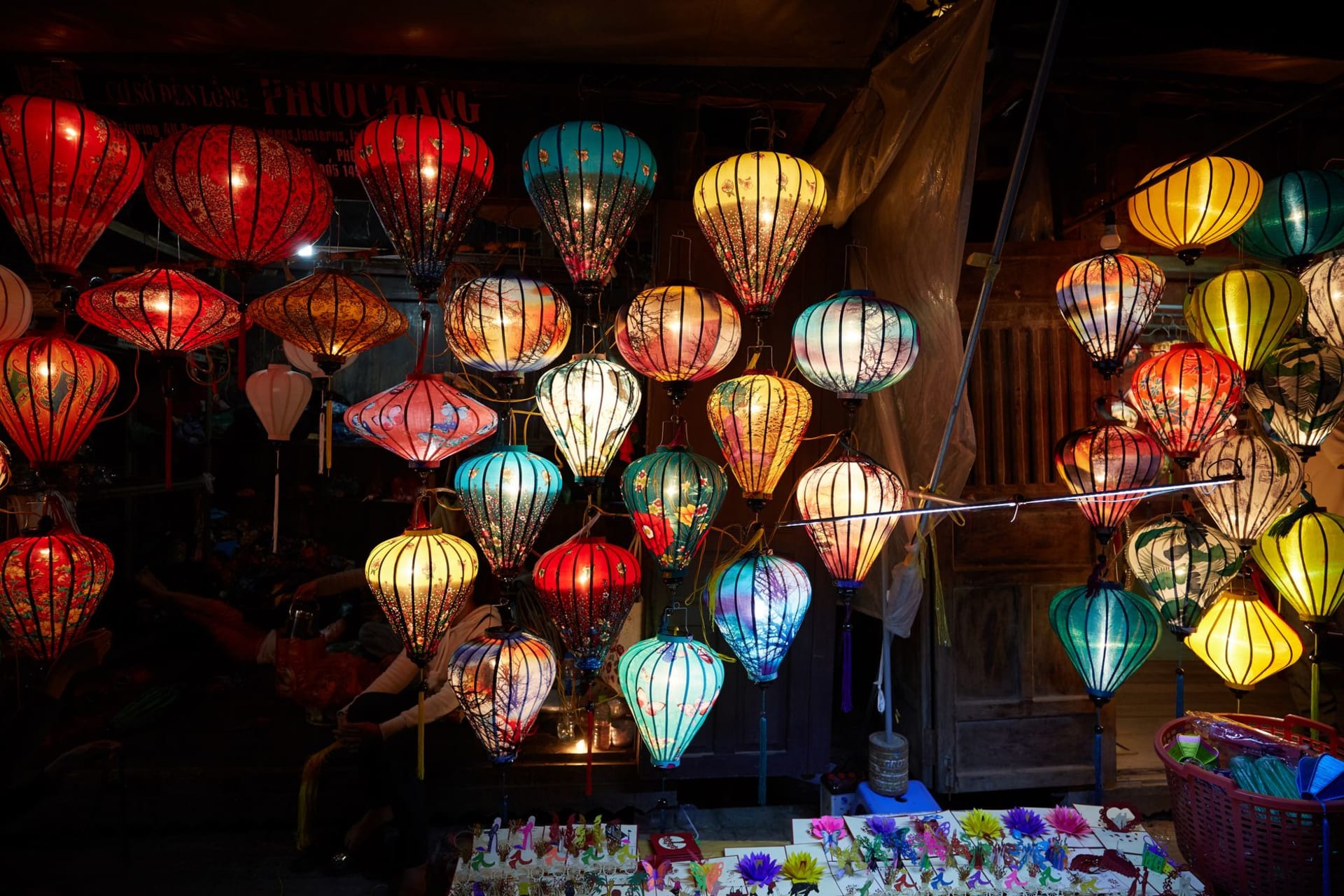
Asia
Central Vietnam
"Every street corner here feels like it was designed to stop you mid-step."
Where imperial courts crumbled into lantern-lit alleyways and every bowl of soup carries five hundred years of history.

I arrived in Hội An on an overnight bus from Da Nang, stiff-backed and half-asleep, and stumbled into the old town at six in the morning when the market vendors were still arranging their herbs. The smell hit first — lemongrass, woodsmoke, something frying in deep oil. A woman was ladling broth into bowls on the pavement beside a cart, and I sat on a plastic stool with my backpack still on, ordered whatever she was serving, and ate cao lầu — thick wheat noodles with char-edged pork and crispy rice crackers — watching the canal turn gold as the sun came up. I had been in Vietnam before. I had not been in Central Vietnam before. They are different countries.
The spine of this region is the Hải Vân Pass — a mountain ridge that cuts the country in two and, more importantly, cuts the weather in two. North of it, Huế sits in a bowl of heat and history: the Nguyễn dynasty built their imperial citadel here in the early 19th century, and what the French and American wars didn’t destroy, time and humidity are slowly reclaiming. The moats are still full. The throne hall still smells of lacquer and incense. The royal tombs scattered along the Perfume River are each a distinct architectural argument about mortality, scattered through pine forests a fifteen-minute motorcycle ride from the city center. I hired a xe ôm driver named Hùng for two days. He knew which tombs to skip and which bún bò Huế stall opened earliest. That soup — beef and lemongrass broth, thick round noodles, a floating cube of congealed pork blood that I eventually learned to eat without thinking about it — is the most misunderstood dish in Vietnam. It’s not phở’s southern cousin. It’s its own thing entirely, fiercer and more complex, and Huế is the only place to have it properly.
South of the pass, the coast flattens and the towns slow down. Hội An’s historic district is now a UNESCO site and it shows — the ticket system, the crowds in peak season, the shops selling the same silk lanterns in every doorway. But arrive early or stay late and the place reasserts itself. The Japanese Covered Bridge at six AM with mist off the Thu Bồn River. The tailors working midnight hours before Tết. The cycling paths through rice paddies ten minutes from the old town where nothing looks like a postcard.
When to go: February through May is the window. The rains that hammer central Vietnam from October through January have passed, the summer heat hasn’t settled yet, and the light on the Thu Bồn River in March is something specific and rare. Avoid October and November entirely — this stretch of coast floods badly and the romance of lanterns in the rain wears off fast.
What most guides get wrong: They treat Hội An as the destination and Huế as the day trip, when it should be the other way around. Huế rewards three days minimum. The tombs, the citadel, the street food, the villages along the Perfume River — it’s a city that takes time to read. Hội An is easier and more photogenic, which is exactly why it gets all the attention and why it shouldn’t get all your time.
Explore
Places in Central Vietnam
 central-vietnam
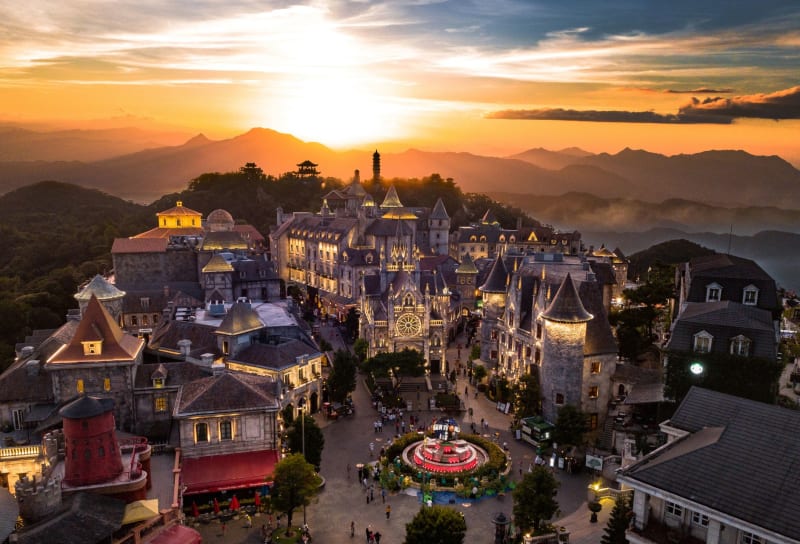
 Ba Na Hills
A French colonial hill station turned surreal mountaintop theme park above Da Nang, home to the famous Golden Bridge held up by two enormous stone hands.
Explore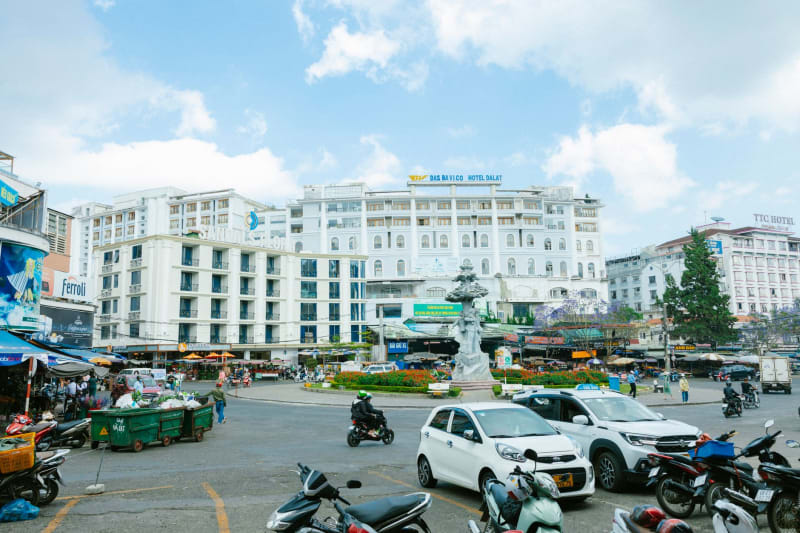 central-vietnam
 Bạch Mã
A cloud-wrapped national park where French colonial villas slowly surrender to fern and the waterfalls descend into valleys with no names.
Explore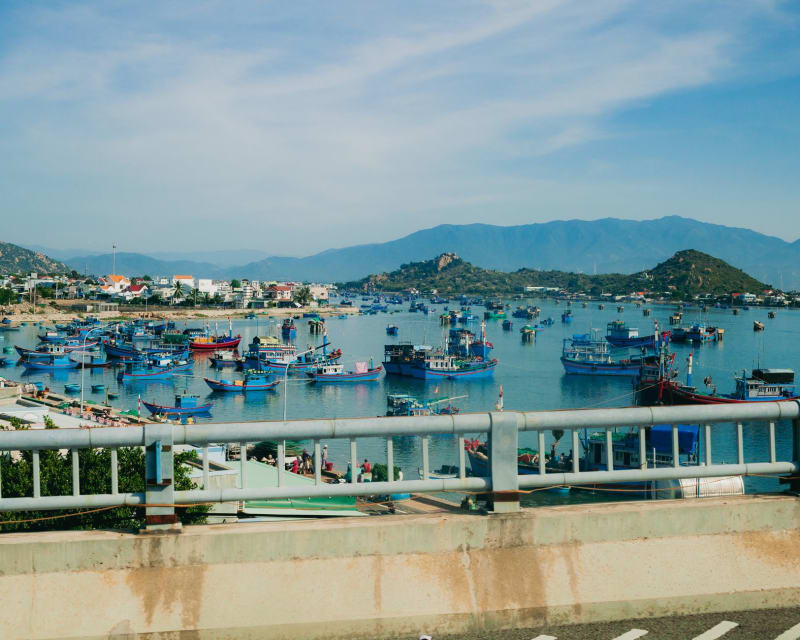 central-vietnam
 Cù Lao Chàm
A marine-protected island chain where the motorbikes stop, single-use plastic is banned, and the sea goes back to being just the sea.
Explore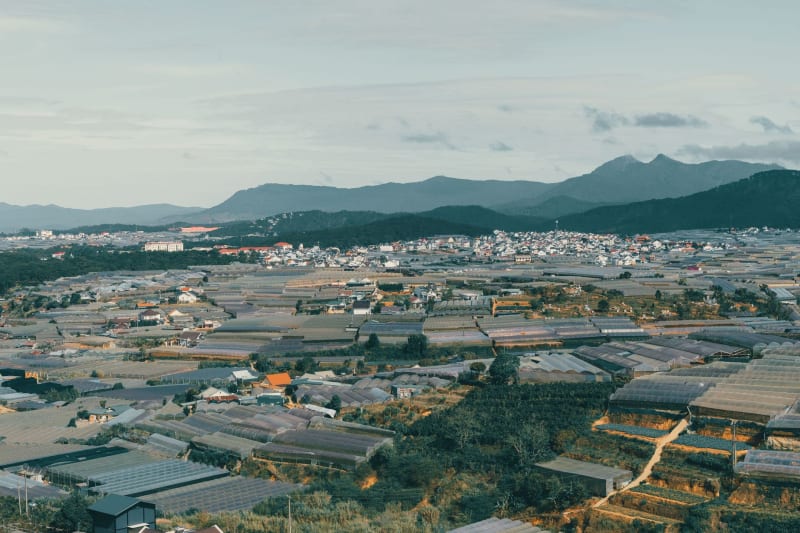 central-vietnam
 Đà Nẵng
Vietnam's most confident coast city — Dragon Bridge, Marble Mountains, and seafood that renders every other fish market irrelevant.
Explore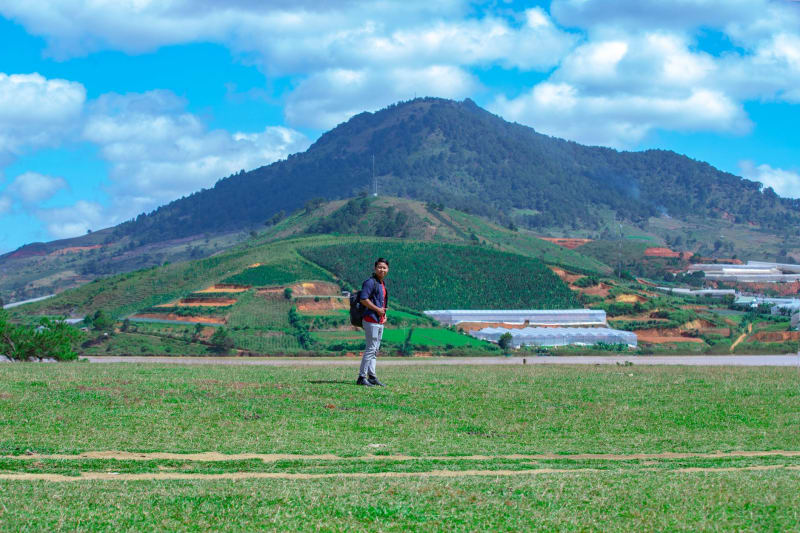 central-vietnam
 The DMZ
The former demilitarized zone at the 17th parallel — a pastoral river landscape that carries the weight of the most photographed war in history.
Explore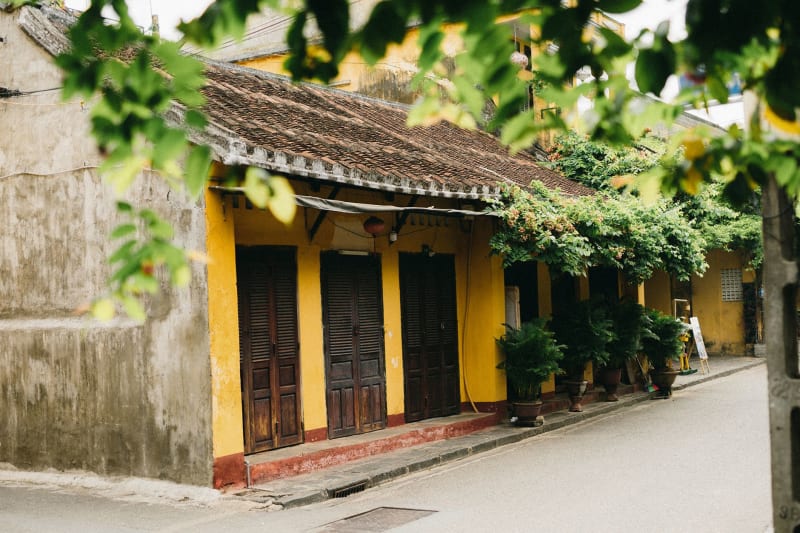 central-vietnam
 Hội An
A merchant port where Japanese, Chinese, and French layers fused into something that now belongs entirely to itself.
Explore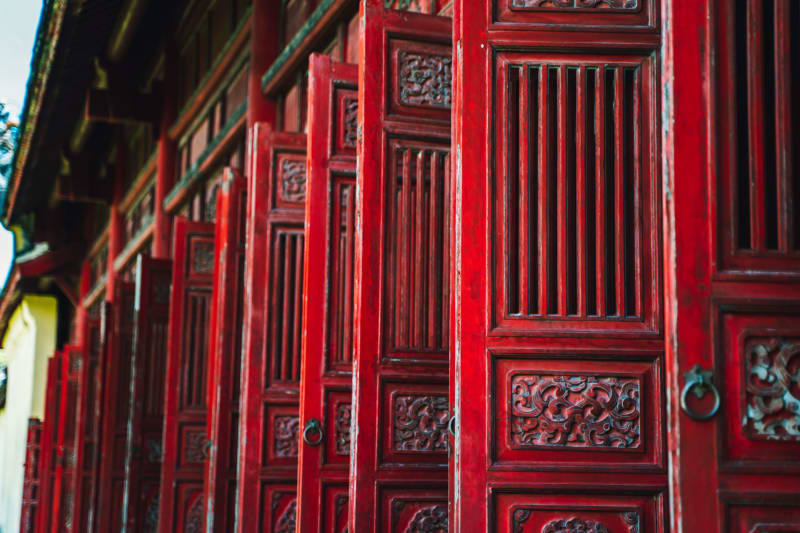 central-vietnam
 Huế
Vietnam's old imperial capital where a monsoon-soaked grief still clings to every lacquered gate and moat-side soup stall.
Explore central-vietnam
 Kỳ Co Beach
A turquoise cove of granite boulders near Quy Nhơn, reached by boat or a cliffside road cut through the hills.
Explore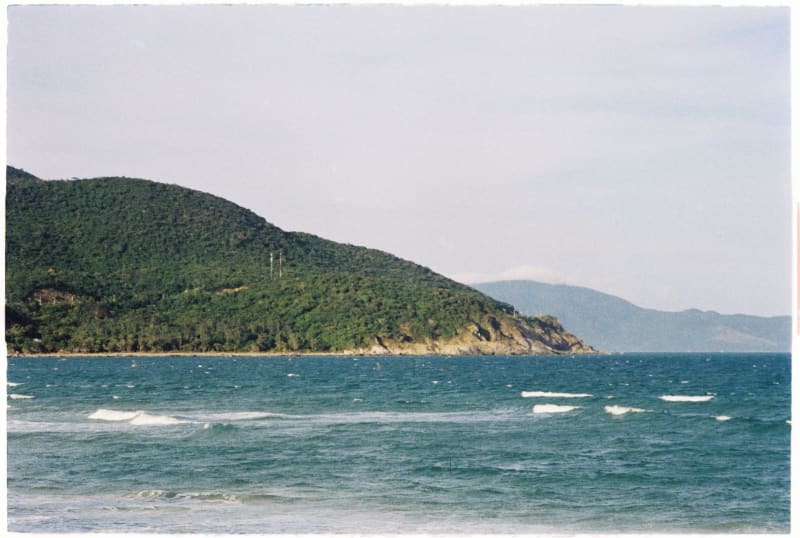 central-vietnam
 Lăng Cô
A lagoon town pinched between the Hải Vân mountains and the South China Sea that most travellers pass at speed and later regret.
Explore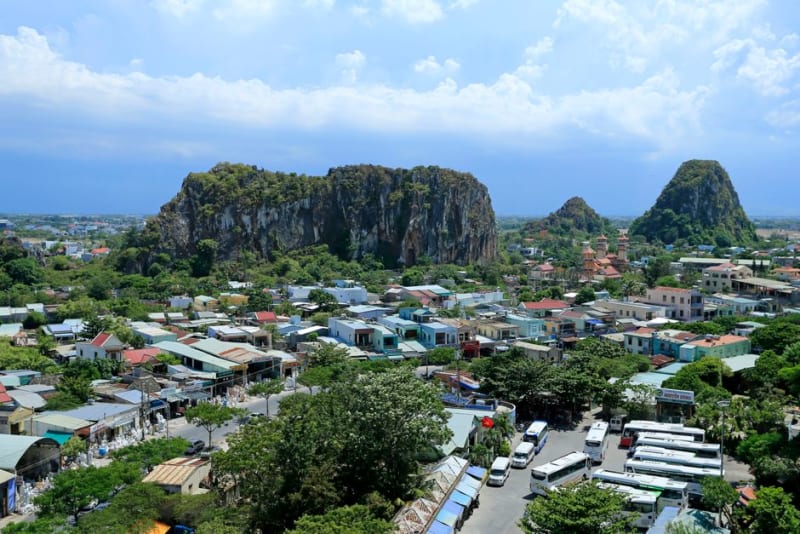 central-vietnam
 Marble Mountains (Ngũ Hành Sơn)
Five limestone peaks named for the elements, riddled with cave shrines and ringed by a marble-carving village that's worked the stone for centuries.
Explore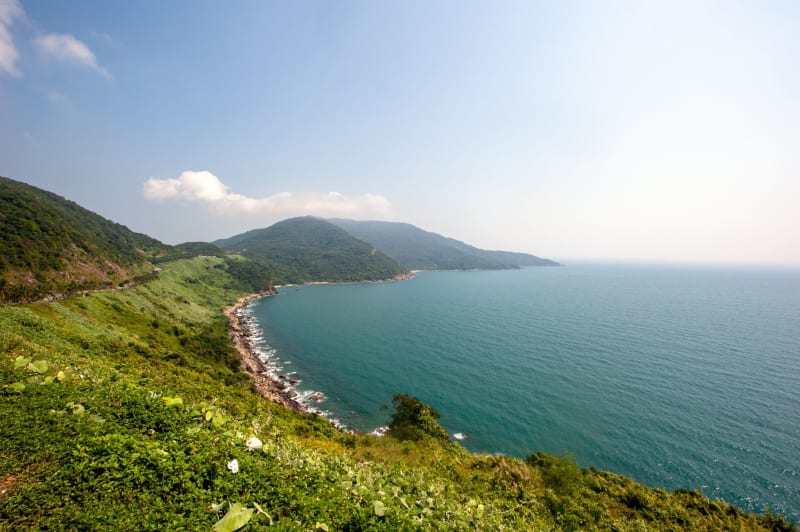 central-vietnam
 Mỹ Sơn
Cham Hindu temple ruins reclaimed by jungle that most visitors blow past on the way to somewhere more famous.
Explore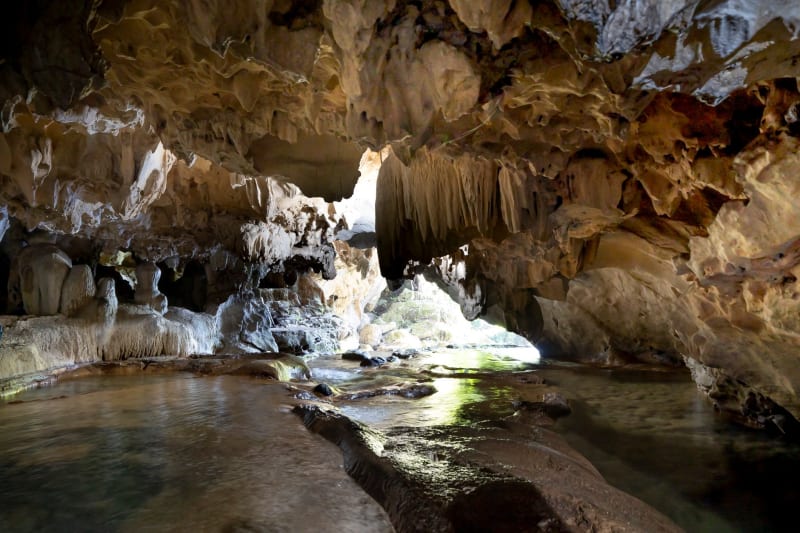 central-vietnam
 Phong Nha
A cave system so vast that clouds form inside it, in a karst landscape that makes the surface world feel like a temporary arrangement.
Explore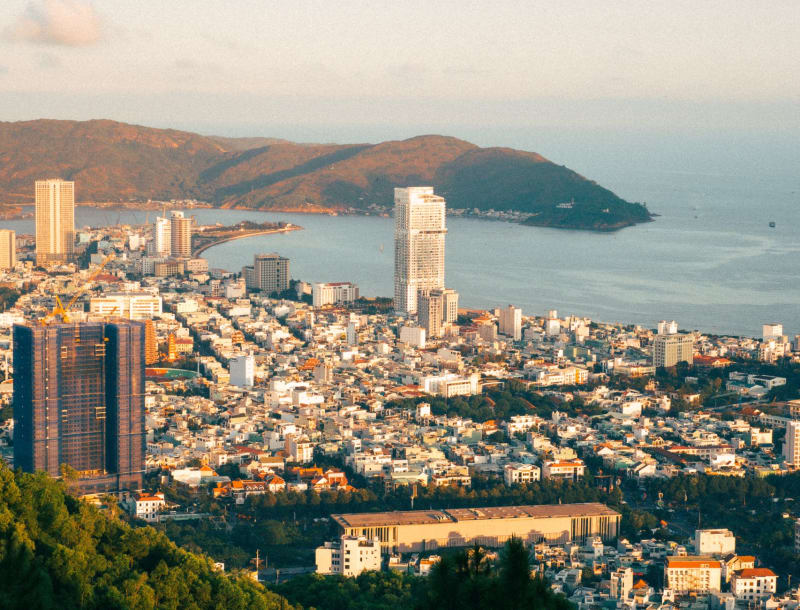 central-vietnam
 Quy Nhơn
A working fishing city on the south-central coast that skipped the tourist circuit and kept all the best seafood for itself.
Explore