Constitucion
"Lia said it smelled faintly of the mill from the hotel window, and then we walked twenty minutes and forgot the mill even existed."
A Pacific river-mouth city where a working pulp mill and genuinely wild, wind-scoured beaches sit side by side.

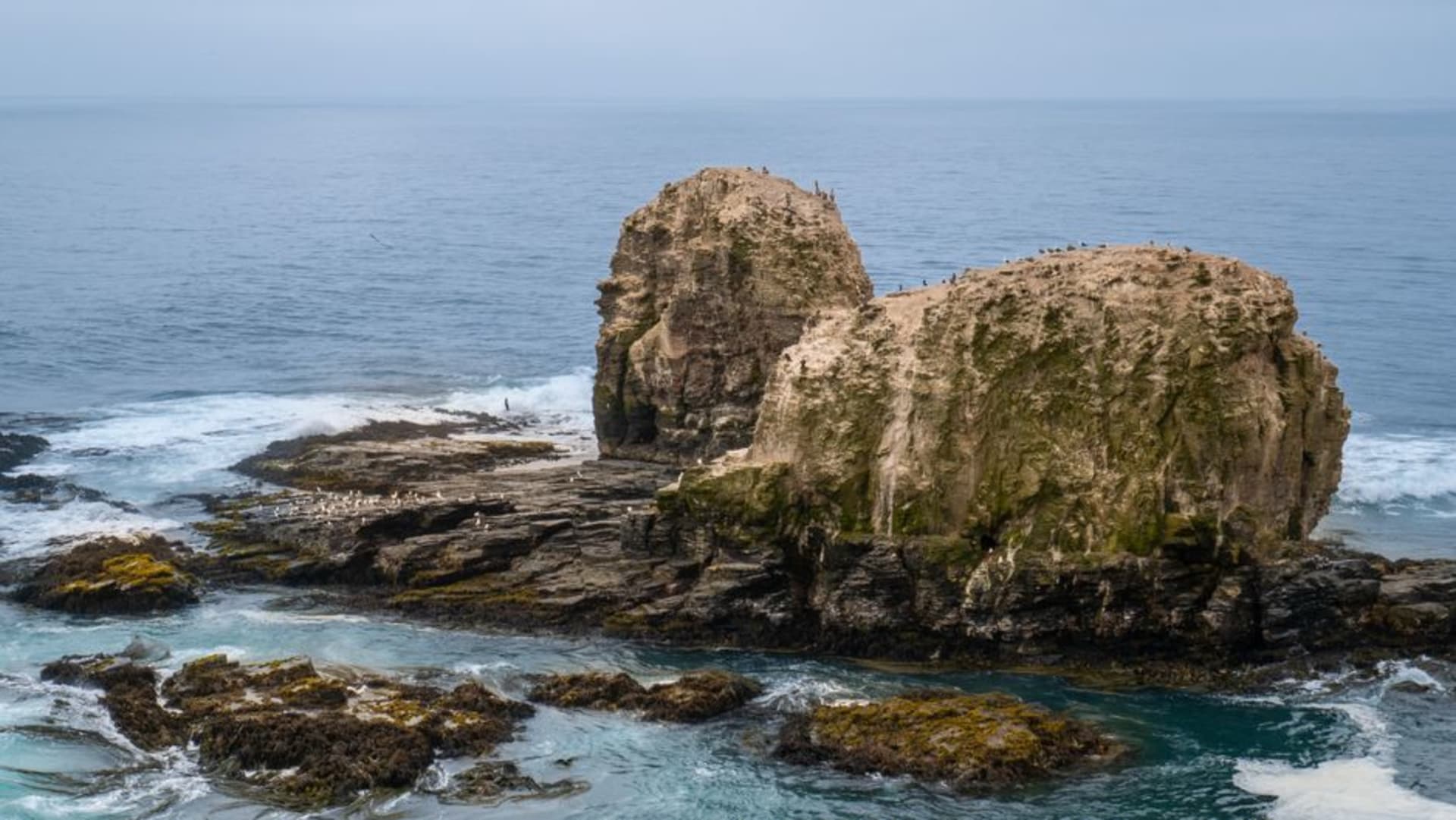
Constitución is a strange, honest kind of place, and I mean that as praise. You arrive at the mouth of the Maule river and the first thing you register is industry — the pulp mill’s presence is unmistakable, a hulking, faintly sulfurous fact of the town’s economy that nobody bothers to hide from visitors. Then you walk a few blocks toward the coast and the whole mood shifts: black rock formations, brutal Pacific swell, beaches that feel genuinely undeveloped compared to the resort towns further north. I found the contrast oddly refreshing after so many Chilean coastal towns that try hard to look pretty for tourists. Constitución isn’t performing anything.
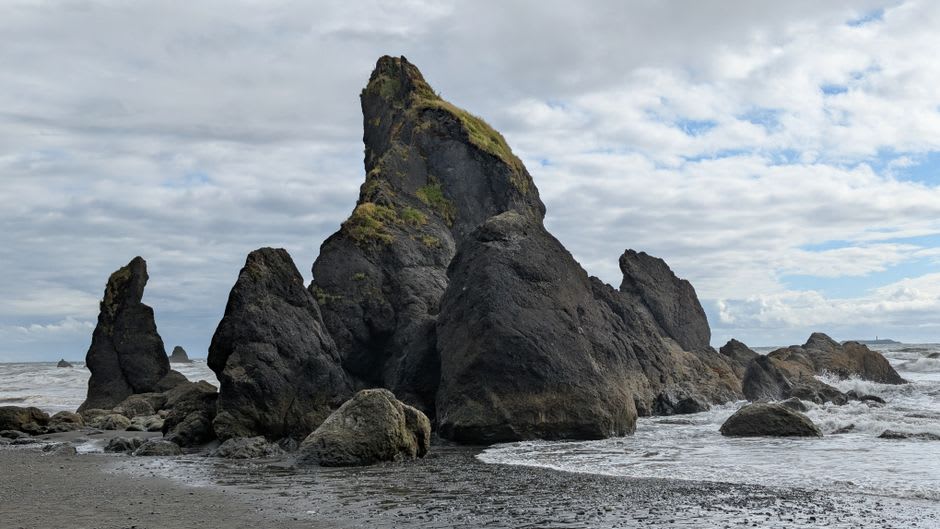
We stayed near Playa Los Bolsones, and the rock formations there — the town’s postcard image, tall sea stacks battered smooth by decades of Pacific swell — genuinely earned the hype, even with a paper mill visible on the horizon behind them. What struck me was how few other people we saw. A handful of surfers in wetsuits too thick for the season we were in, a couple of local families, and otherwise just wind and the kind of cold spray that gets into your jacket no matter how you zip it. Lia, who complains about cold water more than almost anyone I know, still waded in up to her knees and declared it “worth it,” which from her is a rare verdict.
The town itself, post-2010 earthquake and tsunami, has been rebuilt in a mix that’s part functional, part memorial — you notice plaques and markers along the waterfront noting how high the water rose, which gives even a casual coastal walk a heavier undertone than you’d expect. We ate lunch at a spot overlooking the river mouth, machas a la parmesana and a bottle of local white, and watched fishing boats work the estuary against the mill’s silhouette in the distance — an odd, very Chilean juxtaposition of industry and coastline that I haven’t quite shaken since.

Constitución won’t be for everyone — it’s not trying to be a beach resort, and the industrial backdrop is real, not something you can crop out. But for anyone who wants Chile’s wilder, less curated Pacific coast, with a genuine working town attached to it, it’s worth the detour off the main Maule route.
When to go: Late spring through early autumn (November–March) for beach weather, though it stays windy and cool year-round compared to warmer resort towns; bring a real jacket regardless of season.
Keep exploring
More from Central Valley Chile
 central-valley-chile
Curicó
A handsome wine-country town with one of Chile's finest plazas and a wine valley that overperforms its reputation.
Explore central-valley-chile
Lago Vichuquén
A blue coastal lagoon backed by pine hills where Santiago families escape and pelicans work the shoreline with infinite patience.
Explore central-valley-chile
Linares
A working agricultural city in Maule that earns its keep as the practical gateway to the Andean hot springs east of town.
Explore central-valley-chile
Lolol
A colonial Colchagua village so unchanged it feels like the valley forgot to tell it about the twenty-first century.
Explore central-valley-chile
Maipo Valley
Santiago's backyard wine country, where Cabernet Sauvignon found its Chilean character and never left.
Explore central-valley-chile
Maule Valley
Chile's oldest wine country, where pre-Phylloxera vines grow in dry-farmed rows and no one is trying to impress you.
Explore