Americas
Central Valley Chile
"The best Carménère I ever had came from a winery without a tasting room."
Where the Andes meet the Pacific in a corridor of vineyards and orchards that produces some of the most honest wine I've ever drunk — and almost no one talks about the food.

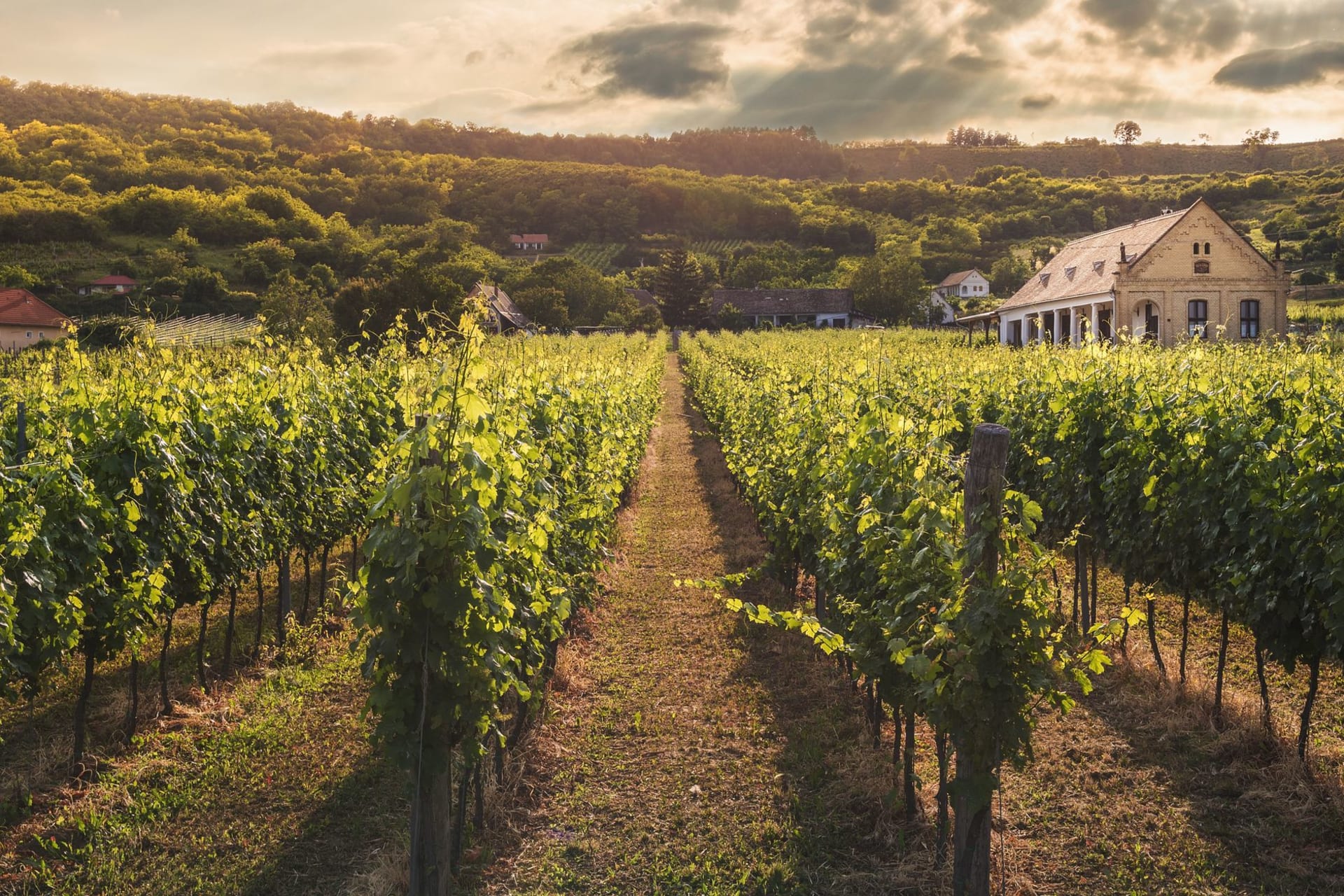
I arrived in the Colchagua Valley on a bus from Santiago that deposited me in Santa Cruz at noon, blinking into light so sharp and dry it almost had a sound. The Andes were right there to the east, white and enormous, and everything between me and them — the valley floor, the terraced hillsides, the rows of vines — was the kind of green that only exists where water is precious and the soil knows exactly what it’s doing. I hadn’t planned to stay more than two days. I stayed five.
The Central Valley is Chile’s agricultural spine, running from just south of Santiago down through the Maule, and it produces an almost absurd proportion of the country’s wine, fruit, and table grapes. Most international visitors know the Maipo Valley because it’s close to the capital and the wineries have good PR. But the Colchagua further south is where the serious bottles come from — deep Cabernet Sauvignons and Carménères that carry the particular personality of this gap in the coastal range, where the Pacific pushes morning fog up the valley floor before the afternoon sun burns it off. I tasted my way through Lapostolle, Montes, and a dozen smaller producers who don’t show up in wine magazines, and the consistency was remarkable. This is a valley that has figured out exactly what it is.
What surprised me more was the food. Chile doesn’t have the gastronomic reputation of its neighbor Argentina, and the Central Valley especially gets overlooked — people assume it’s just a pass-through between Santiago and Patagonia. But the cazuela de vacuno at a roadside restaurant outside Rengo, a slow-braised beef soup with corn and squash that had been cooking since dawn, was one of the best things I ate in South America. The empanadas baked in the old adobe ovens of the Maule were nothing like the fried versions I’d had elsewhere. Pebre, the Chilean salsa of cilantro and tomato and merkén spice, appeared on every table and improved everything it touched.
When to go: March and April for harvest season — the valley smells of fermenting grapes, the wineries are running at full intensity, and you can sometimes join a picking crew if you ask nicely. October through December for green vines and cooler temperatures ideal for long drives between estates. Avoid January and February if you can; it’s hot, the fruit trucks clog the roads, and everyone from Santiago has the same idea.
What most guides get wrong: They treat the Central Valley as a wine itinerary and nothing else. The real experience here is the agricultural texture of the place — the roadside fruit stands piled with peaches in February, the olive oil cooperatives in the Itata, the small towns where nobody is performing anything for tourists. Rent a car. Get off the main highway. Talk to the people running the small operations. The valley rewards attention in a way that organized wine tours, by design, don’t allow.
Explore
Places in Central Valley Chile
 central-valley-chile
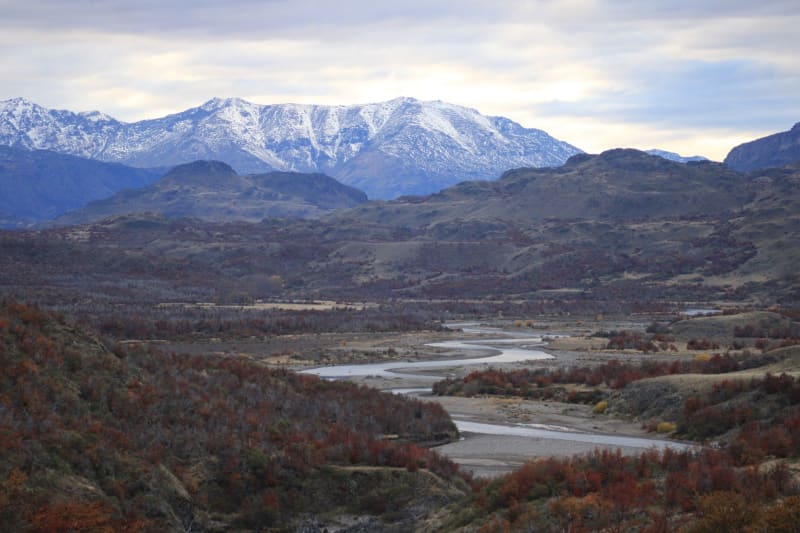
 Apalta Valley
A hidden fold in Colchagua where the hills curve inward and the world's most decorated Carménère quietly happens.
Explore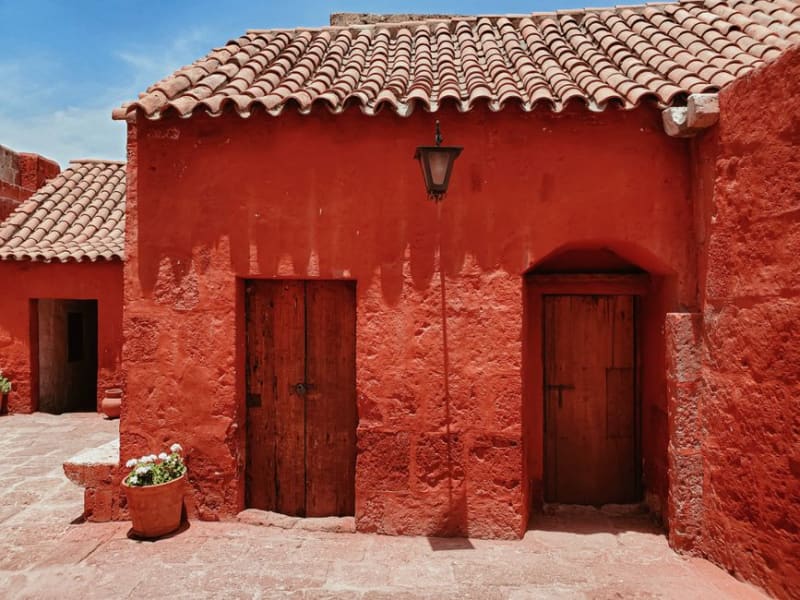 central-valley-chile
 Cauquenes
A colonial wine town patiently rebuilding its adobe streets after generations of earthquakes, glass by glass and wall by wall.
Explore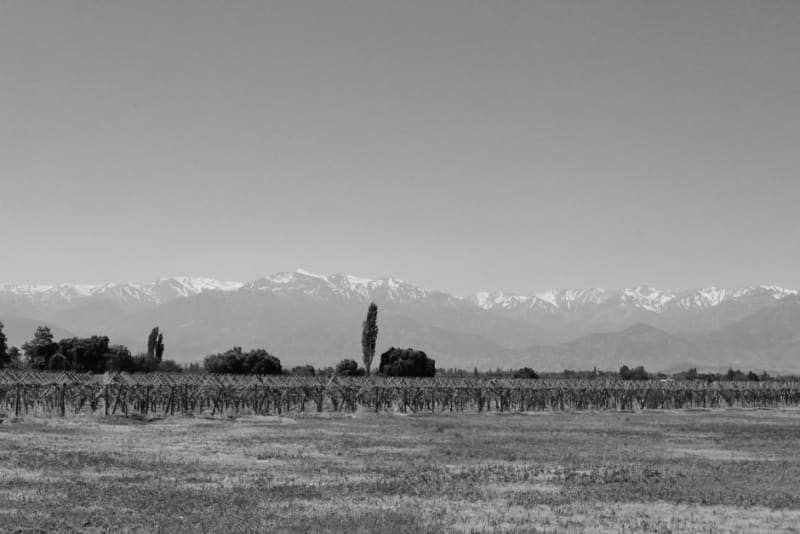 central-valley-chile
 Colchagua Valley
Chile's most celebrated red-wine valley, where Carmenère vines run from Santa Cruz almost to the Pacific fog line.
Explore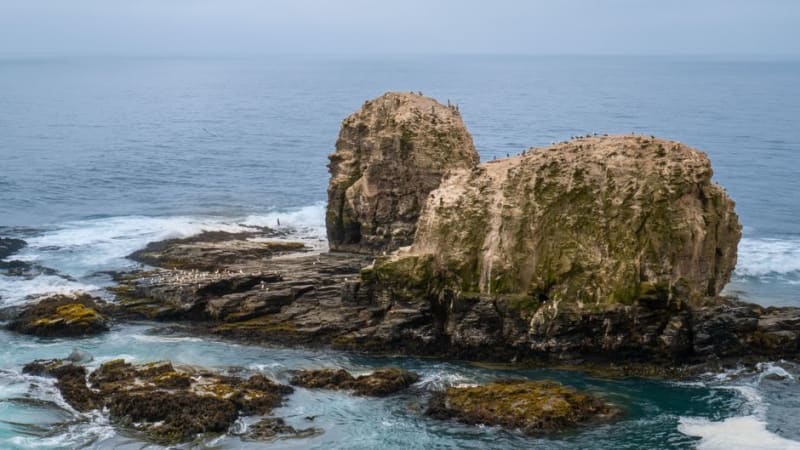 central-valley-chile
 Constitucion
A Pacific river-mouth city where a working pulp mill and genuinely wild, wind-scoured beaches sit side by side.
Explore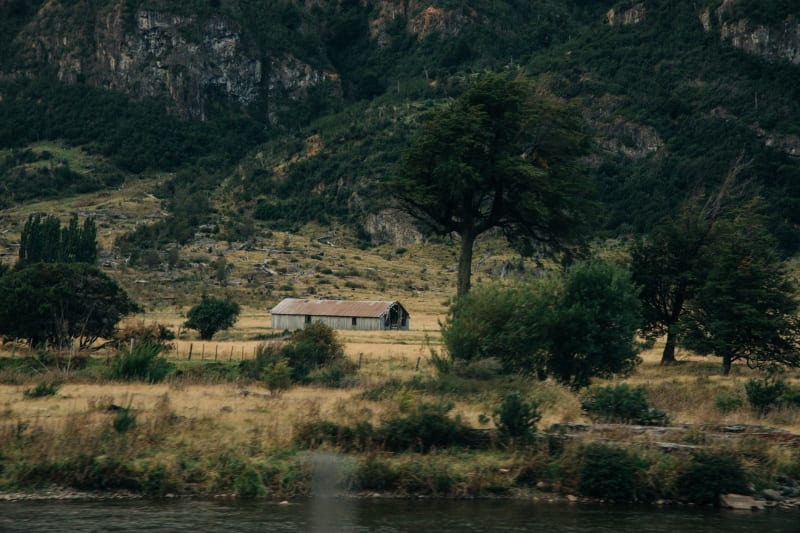 central-valley-chile
 Curicó
A handsome wine-country town with one of Chile's finest plazas and a wine valley that overperforms its reputation.
Explore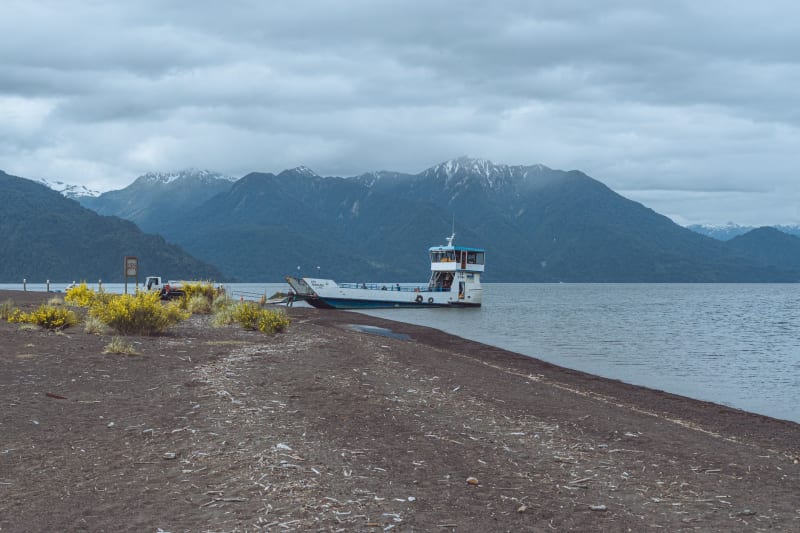 central-valley-chile
 Lago Vichuquén
A blue coastal lagoon backed by pine hills where Santiago families escape and pelicans work the shoreline with infinite patience.
Explore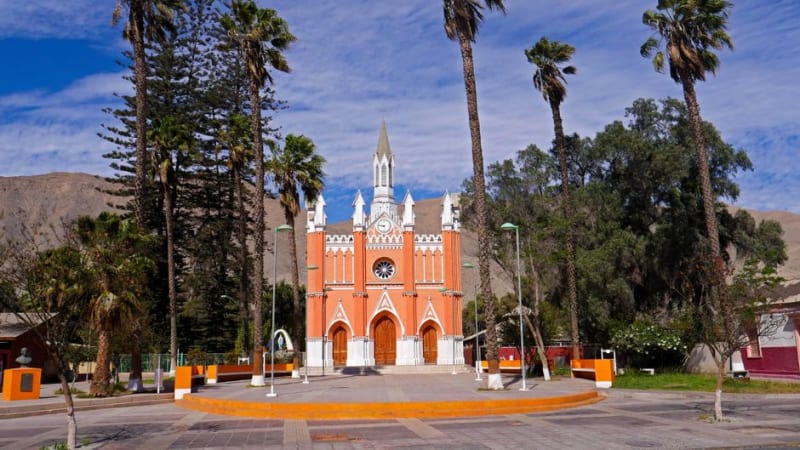 central-valley-chile
 Linares
A working agricultural city in Maule that earns its keep as the practical gateway to the Andean hot springs east of town.
Explore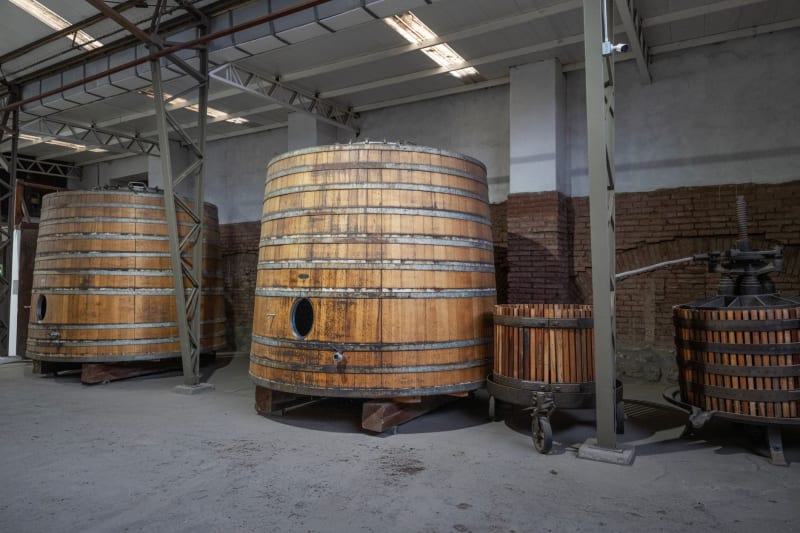 central-valley-chile
 Lolol
A colonial Colchagua village so unchanged it feels like the valley forgot to tell it about the twenty-first century.
Explore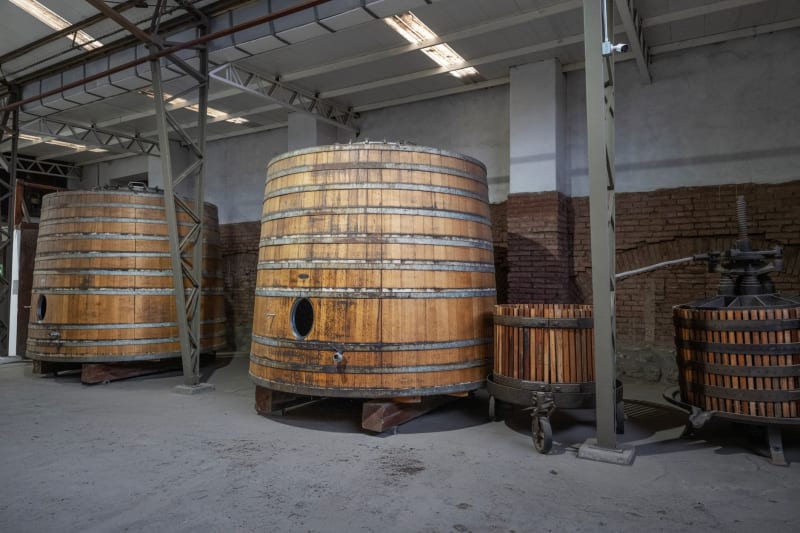 central-valley-chile
 Maipo Valley
Santiago's backyard wine country, where Cabernet Sauvignon found its Chilean character and never left.
Explore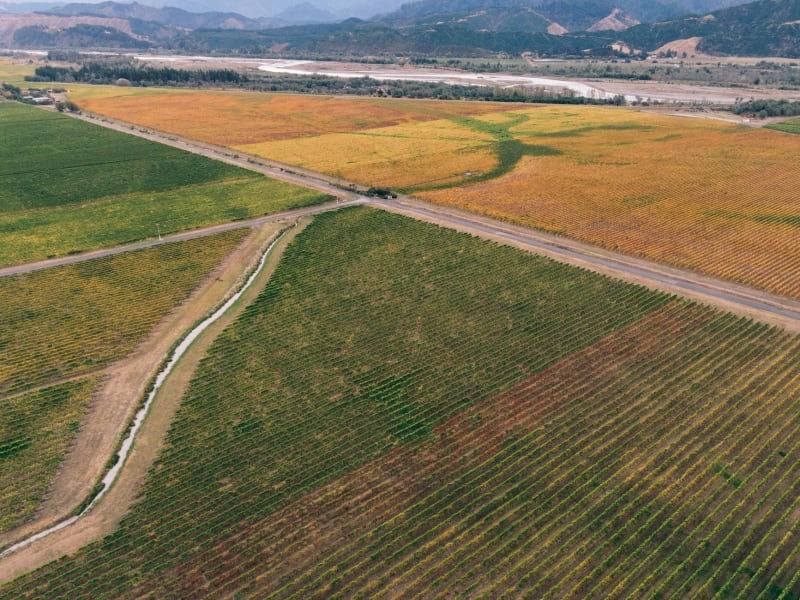 central-valley-chile
 Maule Valley
Chile's oldest wine country, where pre-Phylloxera vines grow in dry-farmed rows and no one is trying to impress you.
Explore central-valley-chile
 Panimavida
A thermal hot-springs resort tucked into the Andean foothills east of Linares, quiet enough to hear the water before you see it.
Explore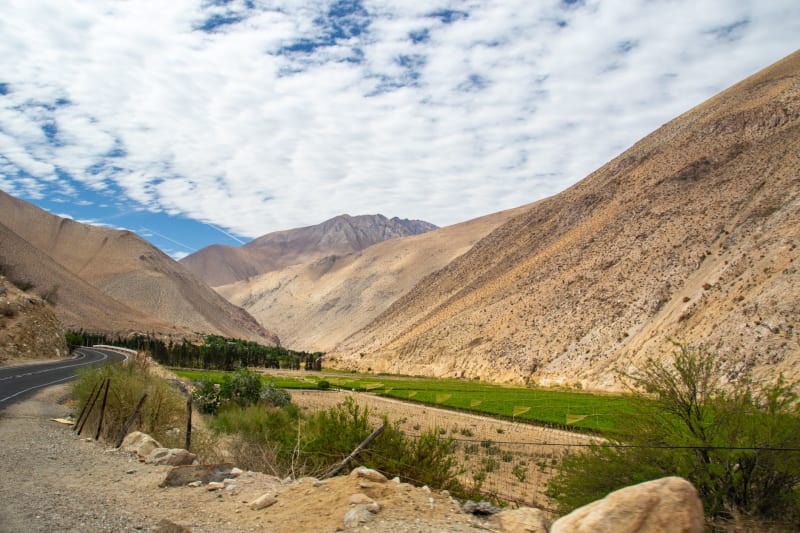 central-valley-chile
 Pichilemu
Chile's surf capital sits at the end of a long valley road where the wine country gives way to cold Pacific swells.
Explore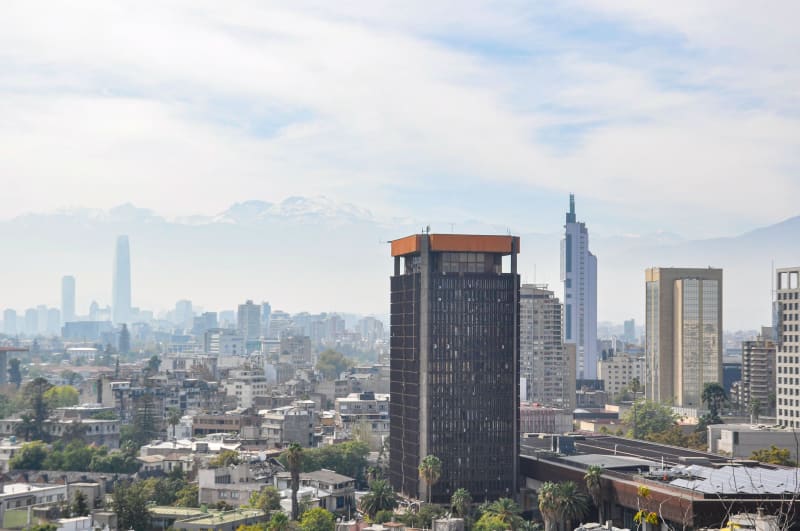 central-valley-chile
 Rancagua
An honest Chilean city that doesn't pretend to be anything other than a working regional capital with good rodeos.
Explore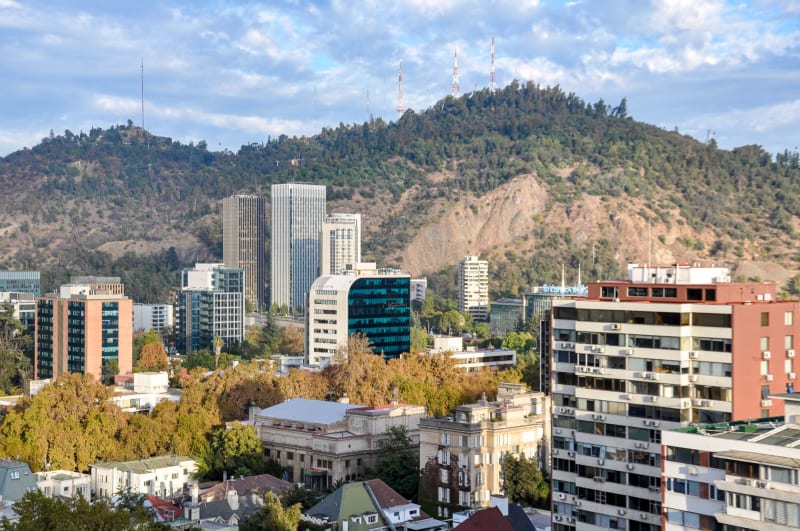 central-valley-chile
 San Fernando
The unsung gateway to Colchagua where the valley empties its agricultural abundance onto market tables every weekend.
Explore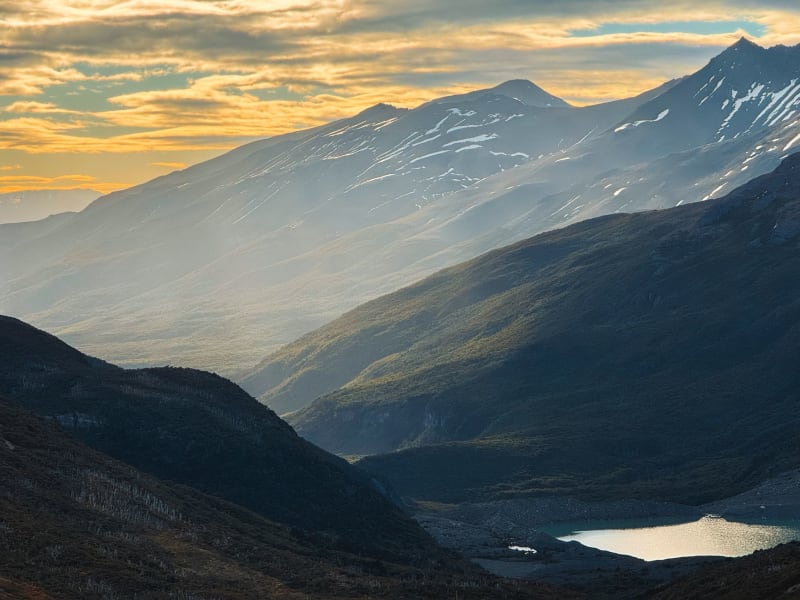 central-valley-chile
 Santa Cruz
A small Colchagua town that takes wine so seriously it built a museum the size of a city block to prove it.
Explore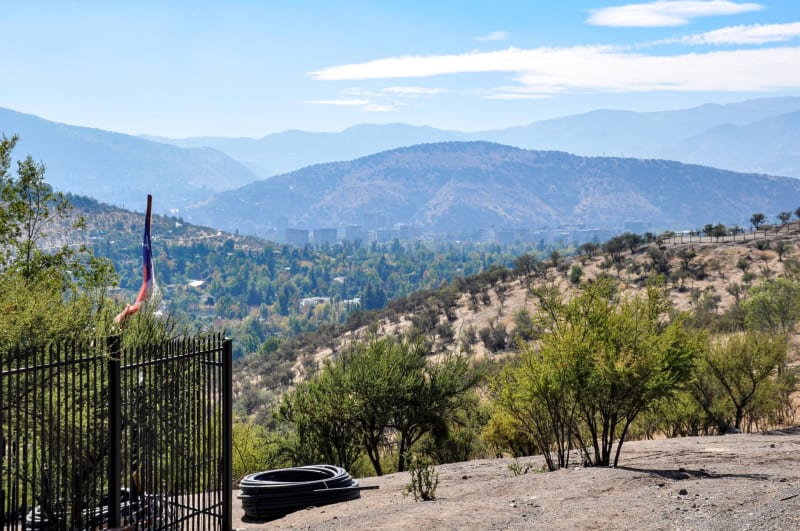 central-valley-chile
 Sewell
A bright-painted mining ghost town clinging to a near-vertical Andean slope above Rancagua, built entirely on staircases because there was no room for streets.
Explore