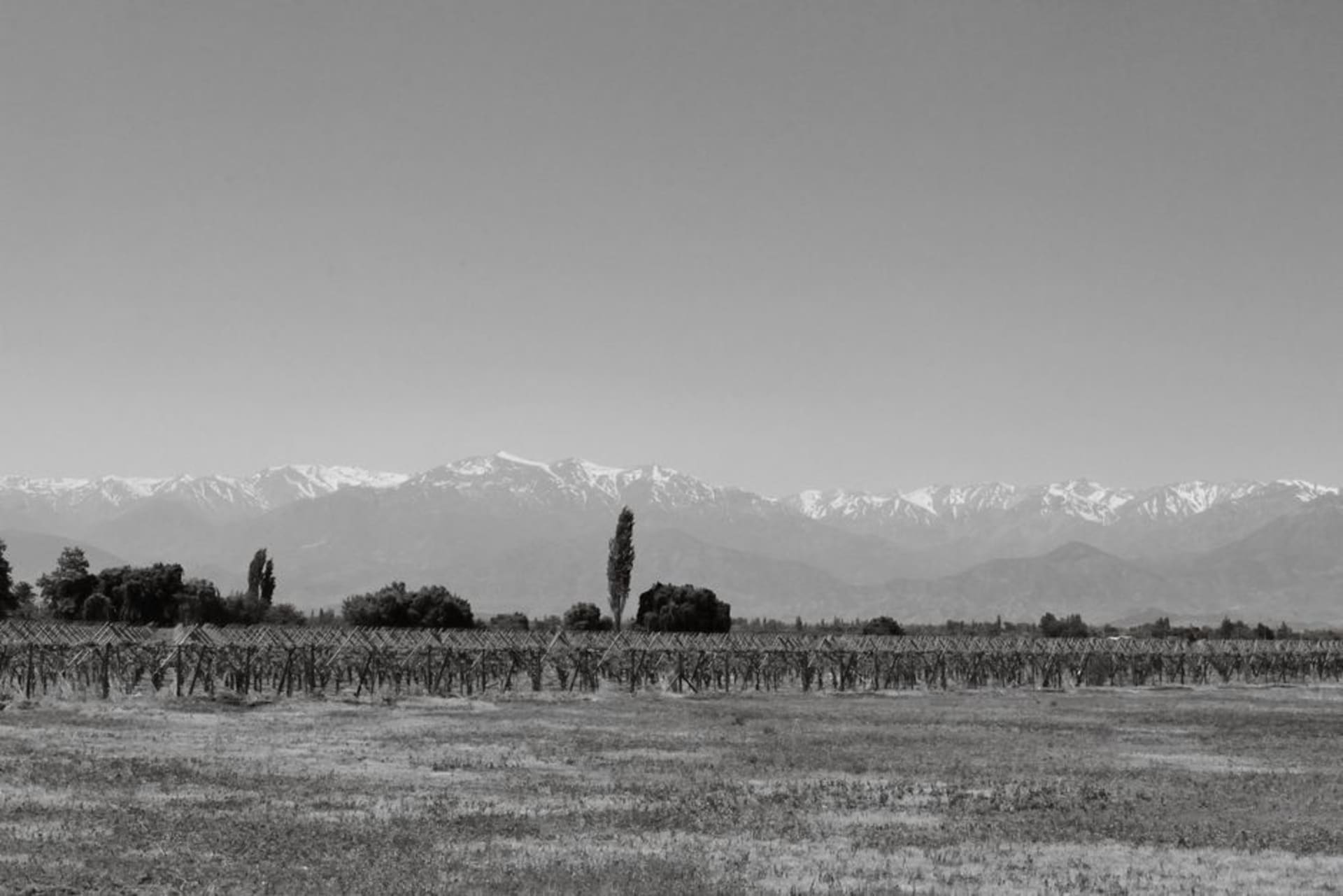
Colchagua Valley
"Lia poured the first glass before I'd even finished parking, and by the second I understood why people fly in just for this valley."
Chile's most celebrated red-wine valley, where Carmenère vines run from Santa Cruz almost to the Pacific fog line.

I’ll admit I came to Colchagua with low expectations, the way you do when a place has been hyped in every guidebook you’ve skimmed. Santa Cruz, the valley’s little capital, looked at first like any other dusty Chilean agricultural town, plaza and all. Then we turned onto the wine road and the whole thing opened up: Carmenère vines in perfectly combed rows running out toward hills that go purple at dusk, wineries with names I half-recognized from restaurant lists back in Mexico City. This is the valley that basically saved Carmenère as a grape — it was thought extinct, mixed in with Merlot vines for a century, until someone finally sorted it out here in the 1990s. I like that kind of story more than any tasting note.
We based ourselves in Santa Cruz for three nights, which is about right — enough time to actually slow down instead of doing the drive-by tasting circuit everyone warns you against. Mornings were for the smaller producers, the ones without a gift shop or a llama on the label, where the guy pouring your glass is also the guy who pruned the vines that morning. Afternoons got hot fast, valley heat that presses down rather than blows through, and we’d retreat to the shade of whatever courtyard had the best breeze.

The train through the valley — the old steam-era route now run as a tourist ride between towns — sounded twee when I read about it and turned out to be one of my favorite half-days in Chile. Slow, a little rattly, windows that actually open, and you watch the vineyards slide by at a pace that lets you notice the workers, the irrigation channels, the way the soil changes color as you move west. Lia fell asleep for twenty minutes and woke up annoyed she’d missed a stretch of it.
What surprised me most wasn’t the wine, honestly, it was the museum in Santa Cruz — the Museo de Colchagua, stuffed with everything from Mapuche artifacts to a genuine chunk of a shipwreck to a full room on the 2010 mining rescue. It’s the kind of private, slightly obsessive collection that shouldn’t work as well as it does, and we ended up staying two hours longer than planned, which threw off our dinner reservation and I didn’t care at all.
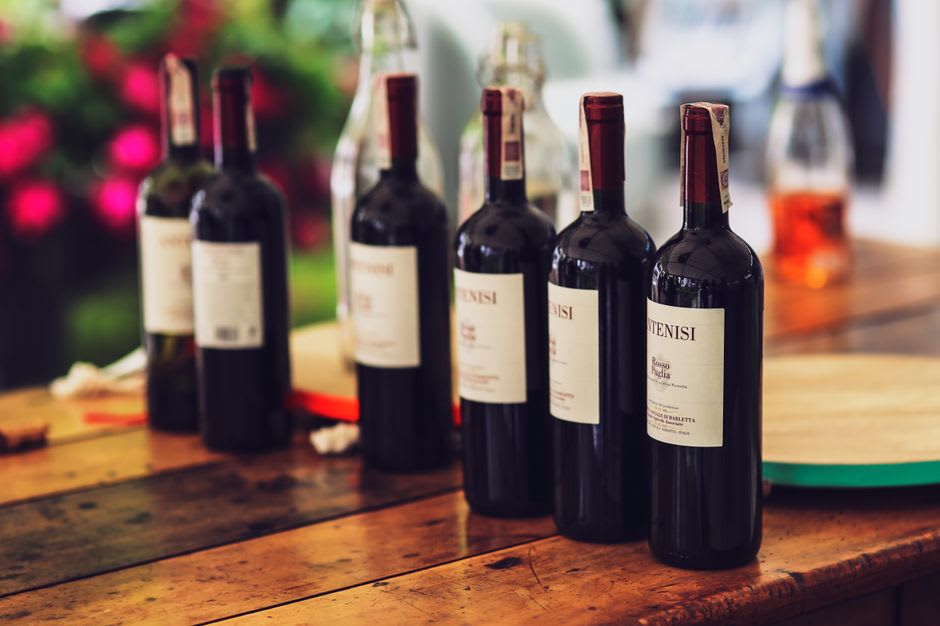
By the last evening we’d stopped trying to hit every winery on our list and just picked one with a view and stayed put, which is honestly the better way to do Colchagua. The valley doesn’t need to be conquered in a weekend. It rewards the version of the trip where you let an afternoon disappear over a second bottle you didn’t plan on.
When to go: March and April, during harvest (vendimia), when the valley smells like fermenting grapes and most wineries run festivals; spring (October–November) is quieter and greener if you want fewer crowds.
Keep exploring
More from Central Valley Chile
 central-valley-chile
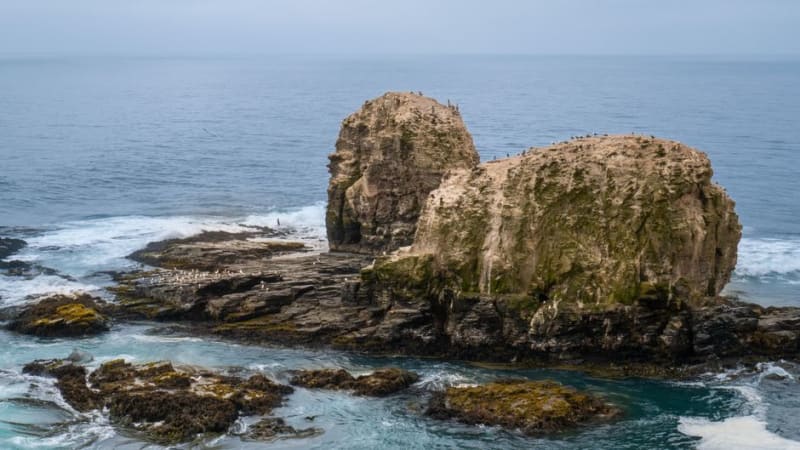
Constitucion
A Pacific river-mouth city where a working pulp mill and genuinely wild, wind-scoured beaches sit side by side.
Explore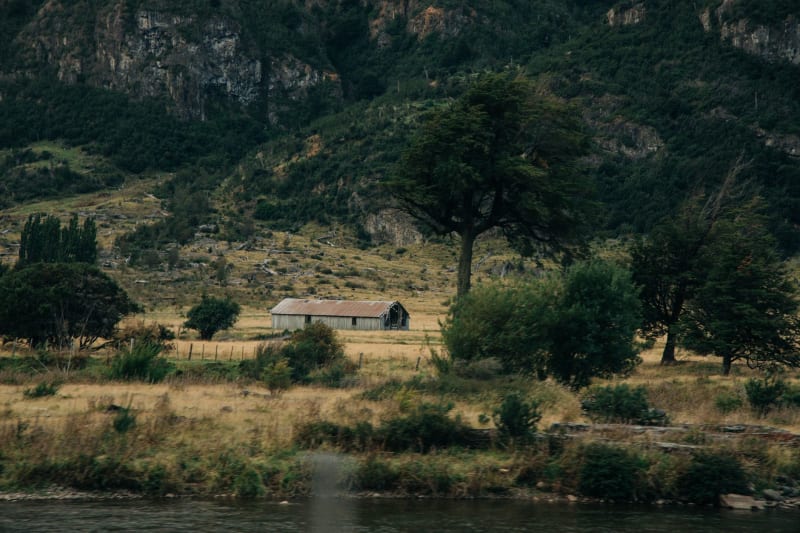 central-valley-chile
Curicó
A handsome wine-country town with one of Chile's finest plazas and a wine valley that overperforms its reputation.
Explore central-valley-chile
Lago Vichuquén
A blue coastal lagoon backed by pine hills where Santiago families escape and pelicans work the shoreline with infinite patience.
Explore central-valley-chile
Linares
A working agricultural city in Maule that earns its keep as the practical gateway to the Andean hot springs east of town.
Explore central-valley-chile
Lolol
A colonial Colchagua village so unchanged it feels like the valley forgot to tell it about the twenty-first century.
Explore central-valley-chile
Maipo Valley
Santiago's backyard wine country, where Cabernet Sauvignon found its Chilean character and never left.
Explore