Nola
"Everyone in Nola is either cutting the forest, protecting it, or arguing about which one matters more."
A sawmill town on the edge of the southwestern rainforest where log trucks queue at dawn and the road to Dzanga-Sangha finally stops pretending to be paved.
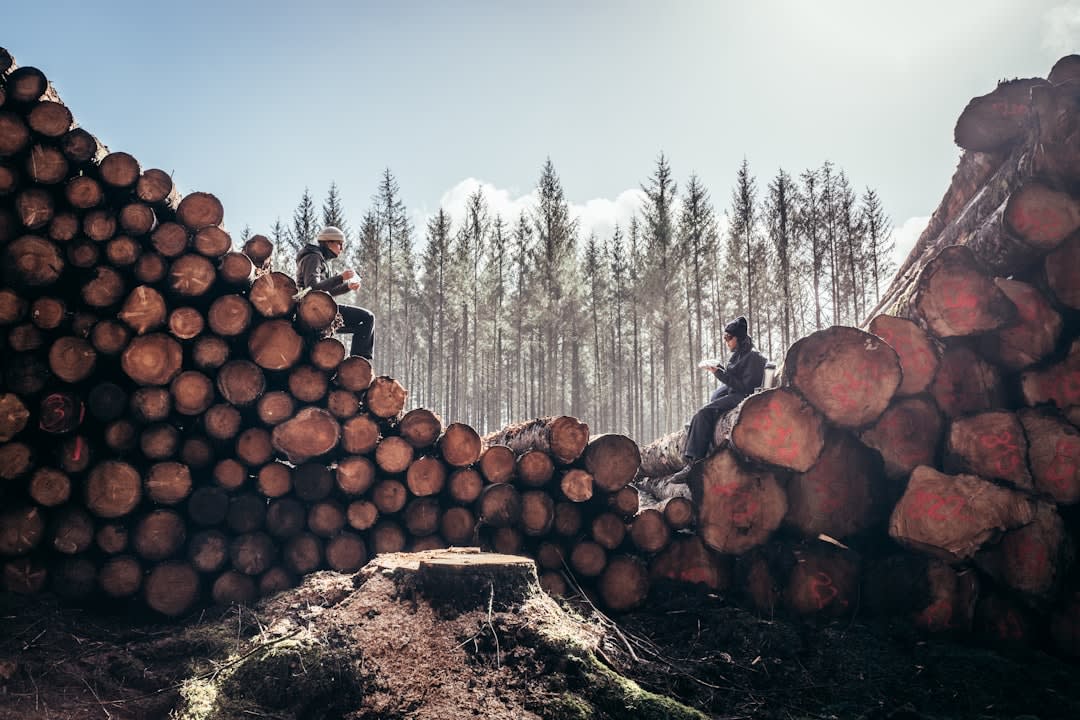
Nola is where the last vestige of paved road gives up entirely, and where the logic of the region reveals itself with unusual clarity: this is a town built almost entirely around timber. A European-managed logging concession runs one of the largest sawmills in the country here, and at dawn the road out of town fills with logging trucks stacked absurdly high with okoumé and sapele trunks, engines straining, headed toward the eventual export route through Cameroon. I stood at the edge of the mill yard for an hour watching the operation — the scale of individual logs, some over a meter in diameter, felled from trees that were standing before the town existed.
There’s an uneasy tension in Nola that I found more honest than I expected. The same forest supplying the mill is the forest that Dzanga-Sangha, an hour further south, exists to protect, and everyone here seems aware of the contradiction without pretending it resolves cleanly. I talked with a mill supervisor named Théodore over beers at one of the town’s few bars, and he was unsentimental about it: the mill provides nearly the only formal wage employment for hundreds of families in the area, in a country where that kind of steady income is genuinely rare. He didn’t dispute that the forest was shrinking. He just pointed out that nobody offering him a lecture about conservation was proposing to pay his workers instead.
The town itself, beyond the mill, has a transient, workaday feel — a market serving the mill’s payroll cycle more than any tourist rhythm, motorbike taxis running the rutted road toward Bayanga, and a noticeable mix of ethnic groups drawn here by employment: Sango-speaking Central Africans, Cameroonian traders, and Ba’Aka families who move between forest camps and the town’s edge depending on the season. I ate grilled fish and cassava at a stall run by a Cameroonian woman who had crossed the border a decade earlier chasing the mill’s payroll and never left, which struck me as a very literal illustration of how porous this border region actually is.
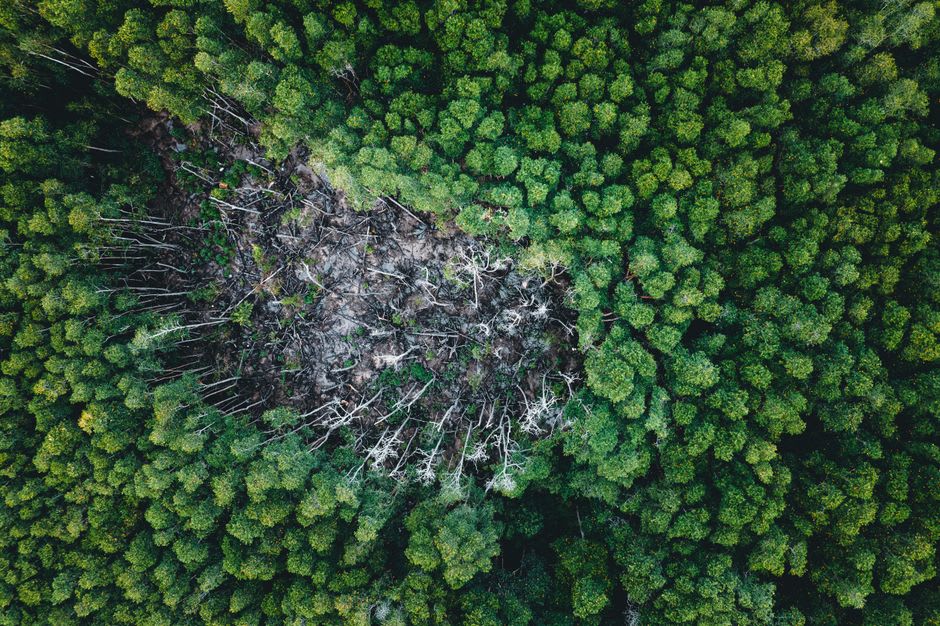
What I’ll remember about Nola is a walk at dusk along the edge of the mill’s log yard, where hundreds of felled trunks lay stacked in numbered rows waiting for transport, and beyond them, close enough to smell, the intact canopy of the forest still standing. The line between the two was startlingly sharp — cut wood on one side, living forest on the other, with nothing gradual about the transition.
When to go: Nola works best as a practical stop en route to Bayanga and Dzanga-Sangha rather than a destination on its own — plan to pass through during the dry season, November to March, when the onward road south is at its most reliable.
Keep exploring
More from Central African Republic
 central-african-republic
 Sangha River
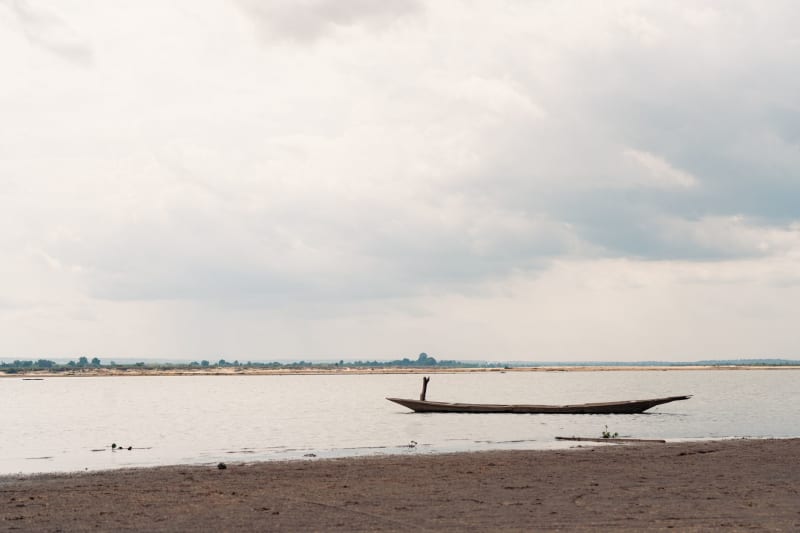
A forest river where pirogues move between three countries and the canopy's reflection is so perfect you could confuse above and below.
Explore central-african-republic
 Bambari
A central river town on the Ouaka where trade routes converge, the market holds everything the interior produces, and the river sets the pace of every day.
Explore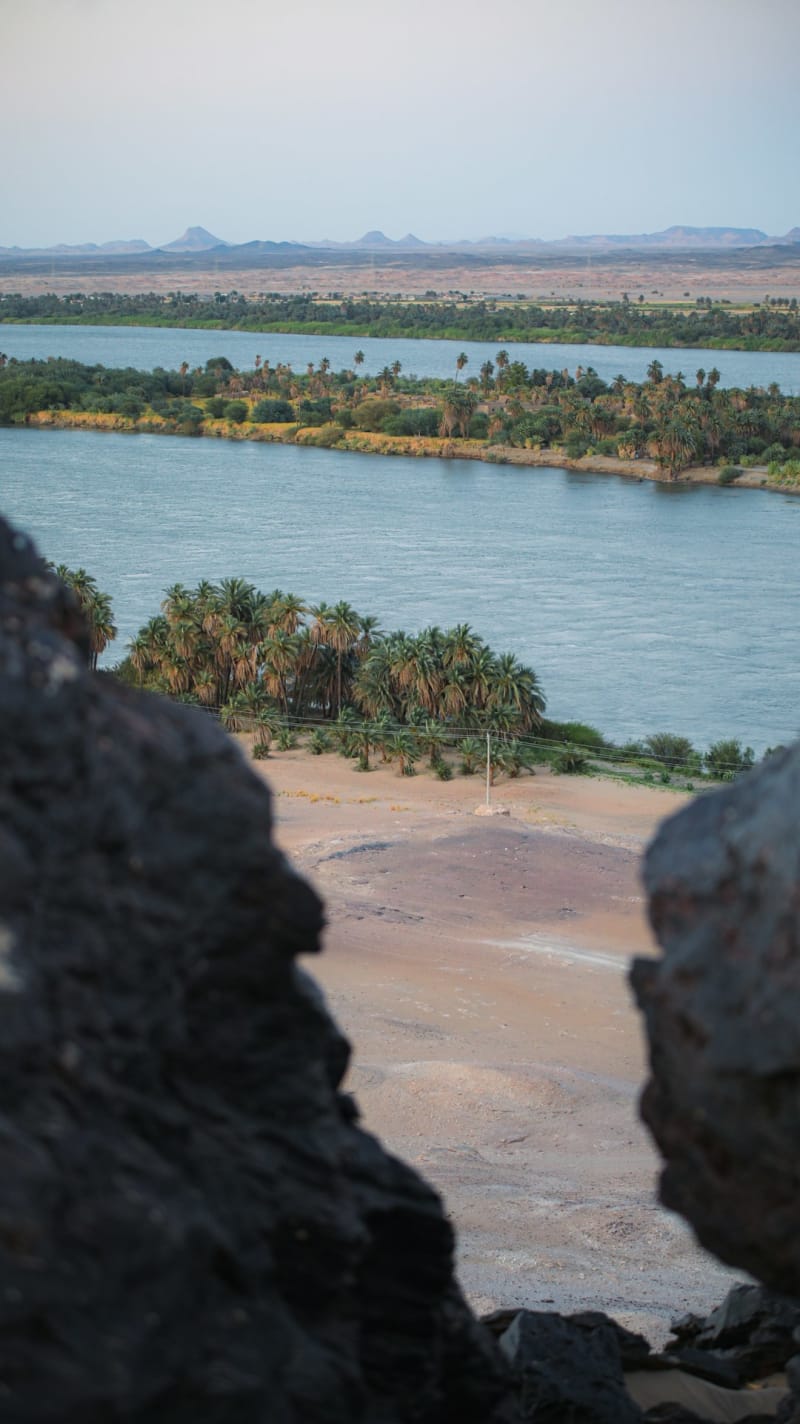 central-african-republic
 Bangassou
A river town on the Mbomou where colonial trading warehouses crumble along the bank and dugout canoes still cross to the Congolese shore for a handful of coins.
Explore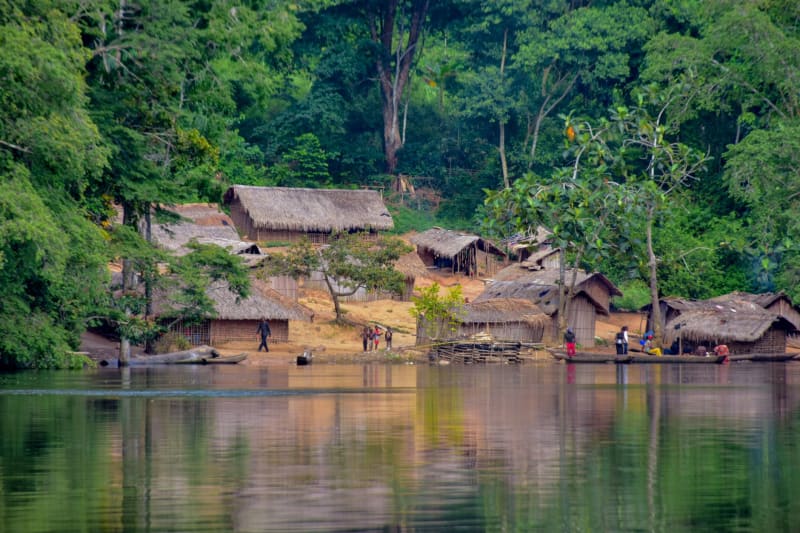 central-african-republic
 Bangui
A river capital with the uncurated energy of a place that has never been designed for anyone's comfort but its own.
Explore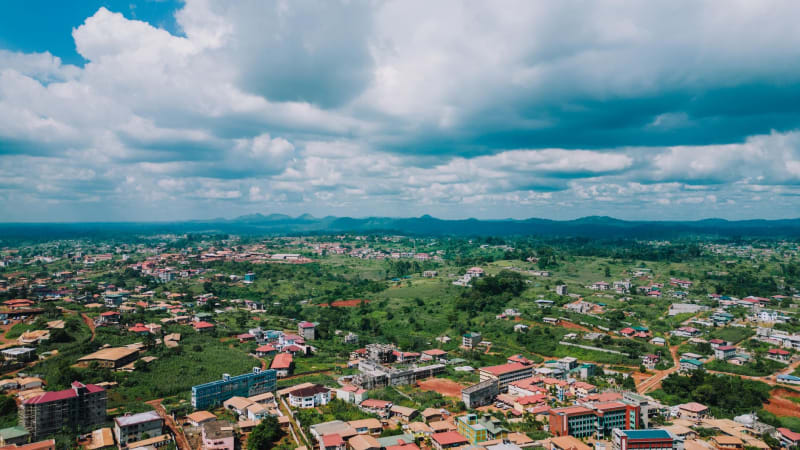 central-african-republic
 Bayanga
The last proper town before the forest takes over entirely — gateway to Dzanga-Sangha and home to Ba'Aka communities whose forest knowledge has no equal.
Explore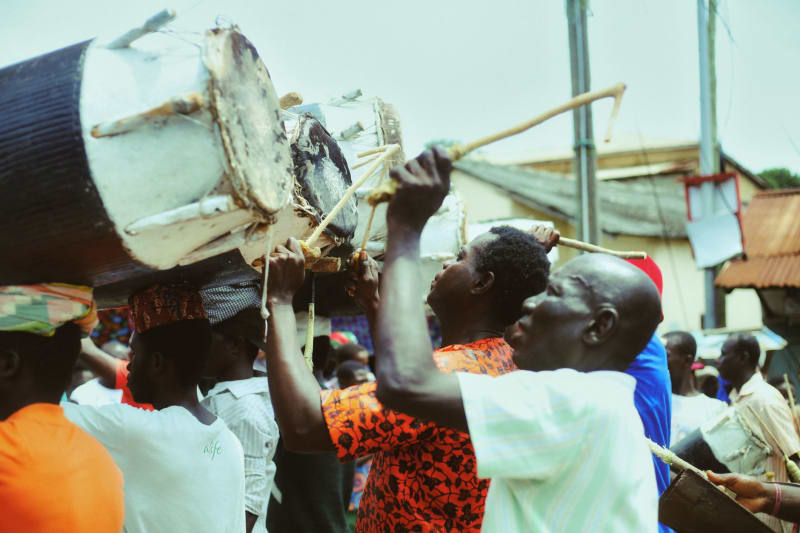 central-african-republic
 Berbérati
A diamond-country market town in western CAR where the roads arrive red with laterite dust and the commerce has the raw focus of a place that makes its own rules.
Explore