Africa
Central African Republic
"The forest here doesn't make room for you — you make room for it."
A country where the second-largest rainforest on earth swallows the roads, the Dzanga-Sangha forest shelters forest elephants and western lowland gorillas, and genuine wilderness begins the moment the capital ends.

We crossed into the Dzanga-Sangha Reserve in the late afternoon, when the light goes flat and golden and the forest seems to exhale. The dirt track had been swallowing the vehicle for three hours — ruts the depth of a man’s thigh, red laterite mud spraying the windshield — and then we stopped at a clearing and a ranger simply pointed. Twelve meters away, a forest elephant stood at a mineral lick, ears fanning slowly, utterly indifferent to our presence. No fence, no viewing platform, no guided commentary piped through a headset. Just the animal, the mud, and the sound of Central African forest doing what it has done for ten thousand years.
Bangui, the capital, is not a city that eases you in gently. It sits above the Ubangi River on the border with the DRC, and it has the unpolished, purposeful energy of a place where people are busy living rather than performing life for outsiders. The Grand Marché on a weekday morning is worth the early alarm: pyramids of smoked fish, cassava leaves sold by the bundle, palm wine in repurposed plastic jugs, and a noise level that makes conversation impossible unless you lean in close. The food here is not fancy — fufu with groundnut stew, grilled catfish pulled from the river — but it has the direct, uncompromising flavor of things grown and caught nearby.
The Ba’Aka people of the southwestern forests are one of the oldest continuous human cultures on the planet, and spending time with communities near Bayanga recalibrates what you think you know about forest knowledge. Hunting with traditional nets, harvesting honey from hives forty feet up a tree, reading the forest canopy for weather signs — this is not a cultural display arranged for visitors. It is simply how life works here, and the distinction matters. I came back quieter than I left.
When to go: December to February is the dry season — roads are as passable as they get, and the Dzanga Bai clearing (where forest elephants congregate to drink and socialise) is most active. The rainy season from May to October makes overland travel genuinely brutal, but the forest is extraordinary and the birdlife peaks in intensity.
What most guides get wrong: The Central African Republic appears on lists of the world’s most dangerous countries, and the security situation in the north and east demands serious research before any travel. But the southwestern corner — Dzanga-Sangha, the road from Bangui to Berbérati — operates on a different reality. This is one of the most biodiverse and least-visited corners of the entire continent. The guides write about risk because it generates clicks. They rarely mention that the forest elephant population here is one of the last genuinely healthy ones in Africa, or that seeing a lowland gorilla in these trees, without the infrastructure of Rwanda or Uganda, is a different kind of encounter entirely.
Explore
Places in Central African Republic
 central-african-republic
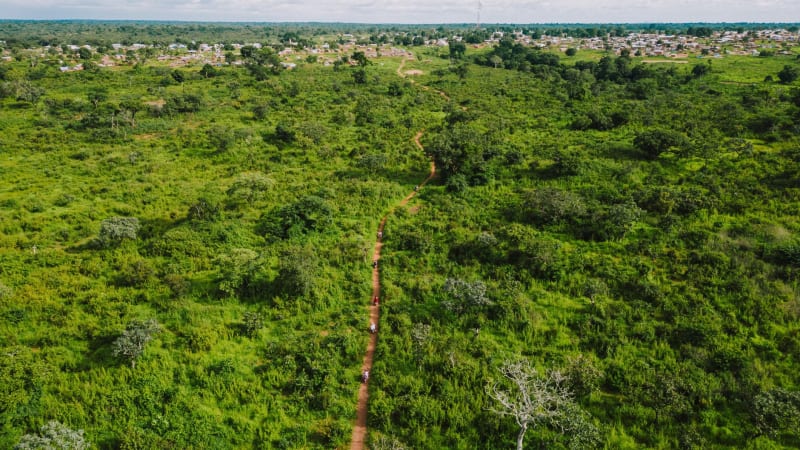
 Bambari
A central river town on the Ouaka where trade routes converge, the market holds everything the interior produces, and the river sets the pace of every day.
Explore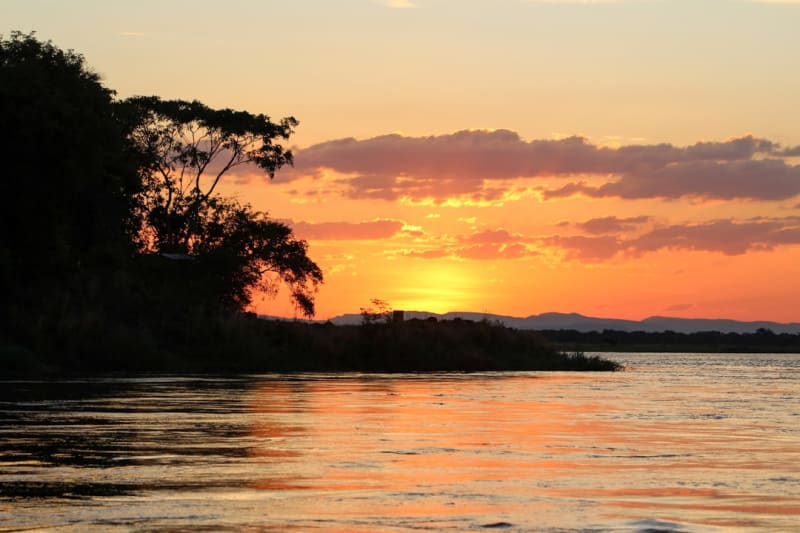 central-african-republic
 Bangassou
A river town on the Mbomou where colonial trading warehouses crumble along the bank and dugout canoes still cross to the Congolese shore for a handful of coins.
Explore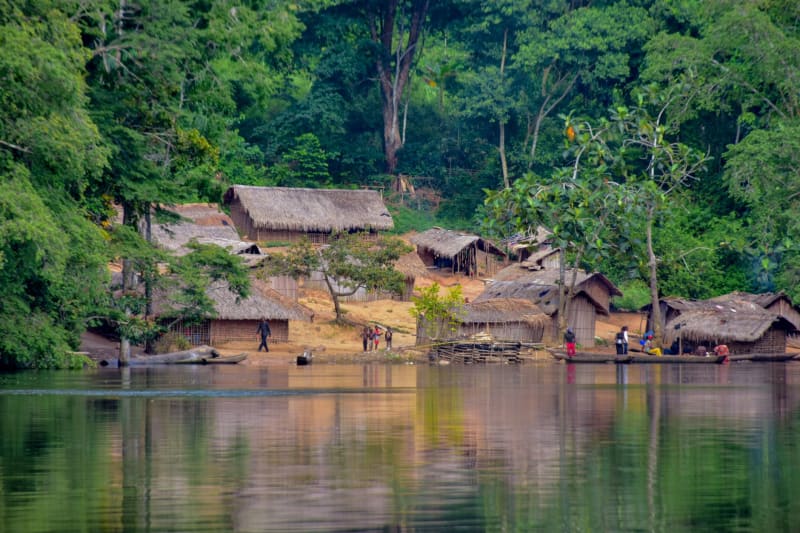 central-african-republic
 Bangui
A river capital with the uncurated energy of a place that has never been designed for anyone's comfort but its own.
Explore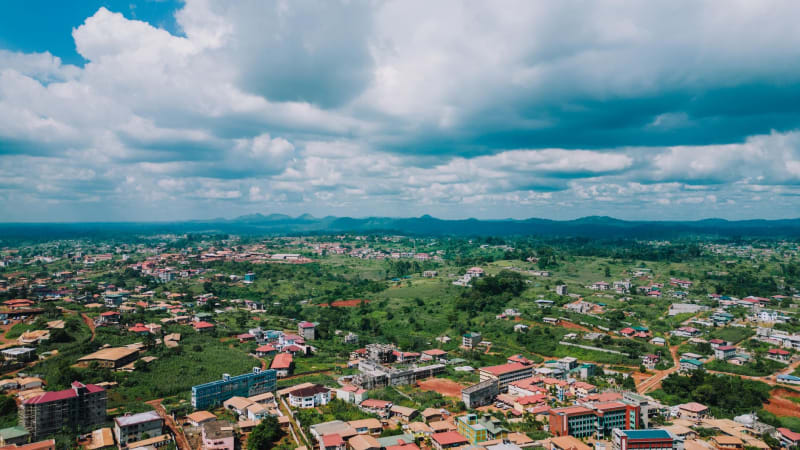 central-african-republic
 Bayanga
The last proper town before the forest takes over entirely — gateway to Dzanga-Sangha and home to Ba'Aka communities whose forest knowledge has no equal.
Explore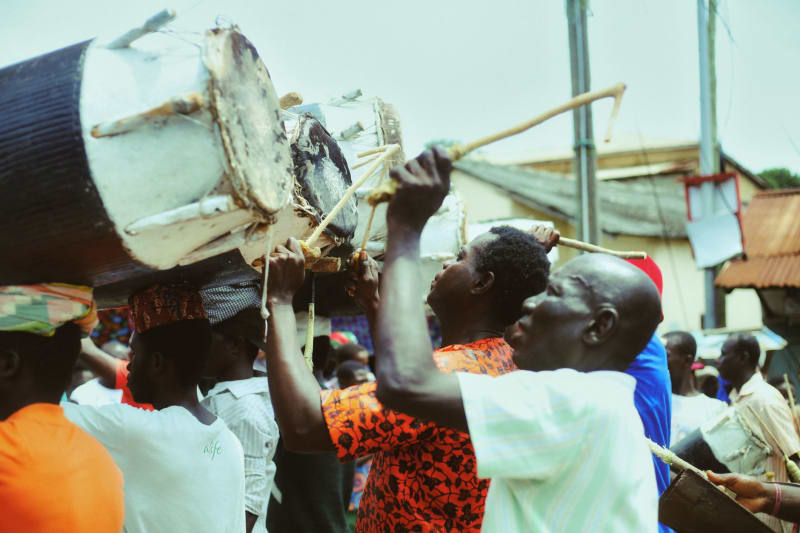 central-african-republic
 Berbérati
A diamond-country market town in western CAR where the roads arrive red with laterite dust and the commerce has the raw focus of a place that makes its own rules.
Explore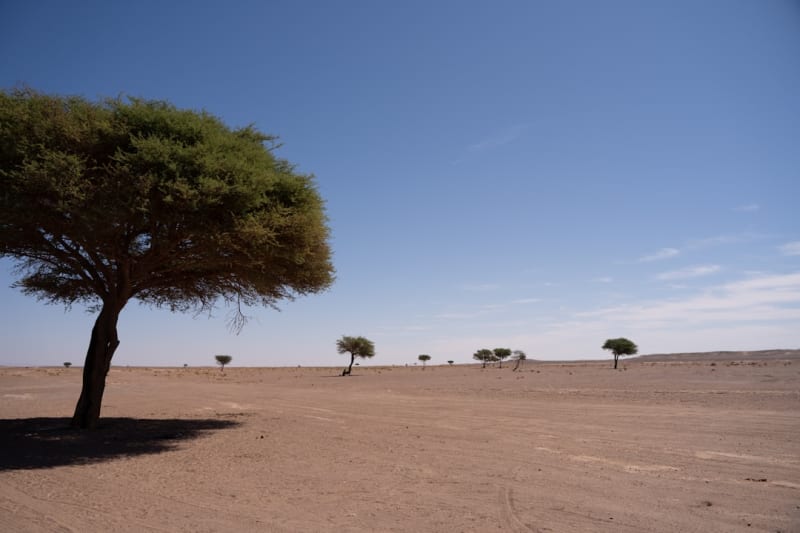 central-african-republic
 Birao
A far-north garrison town near the Sudan and Chad borders where the forest has given up entirely and the landscape turns to thorn scrub and open horizon.
Explore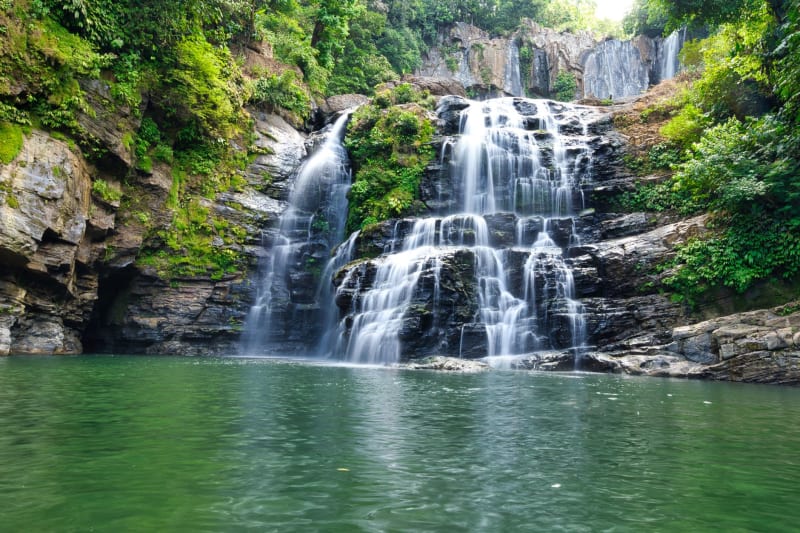 central-african-republic
 Boali Falls
A curtain of orange-brown water hurling itself off basalt cliffs an hour north of Bangui — loud enough to end thought, fine enough to soak you from twenty meters.
Explore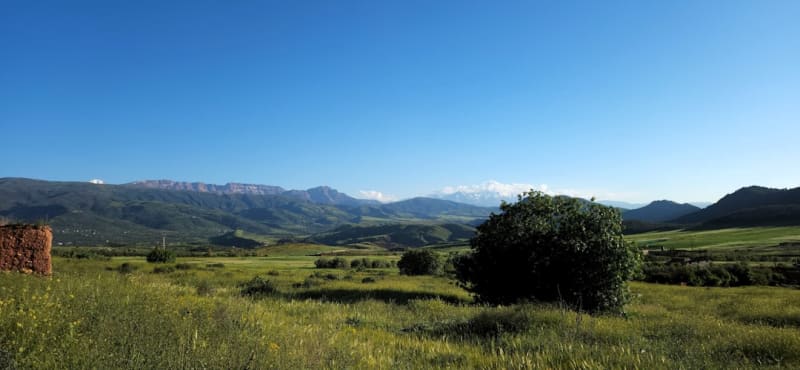 central-african-republic
 Bossangoa
A cotton-country capital in the northwest where a colonial-era cathedral anchors a town still finding its footing after being the flashpoint of the 2013 crisis.
Explore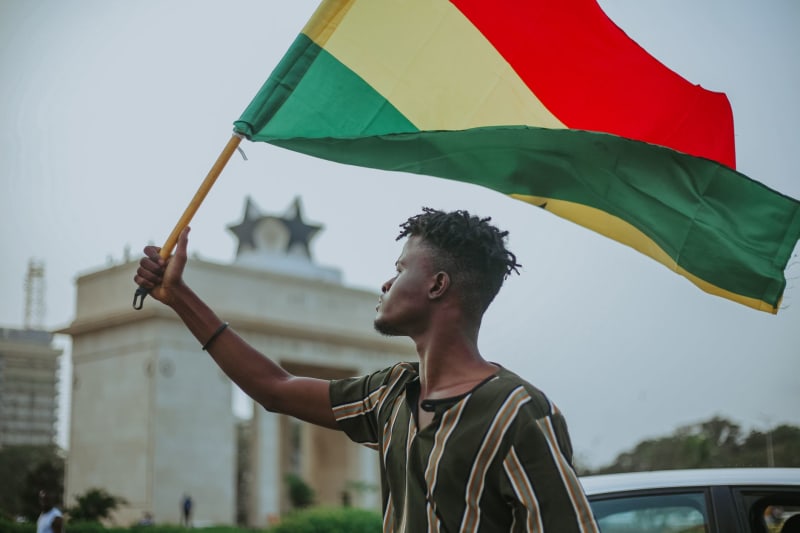 central-african-republic
 Bouar
A western highland town where 6,000-year-old megalithic stone arrangements rise from the grass with no explanation and no audience.
Explore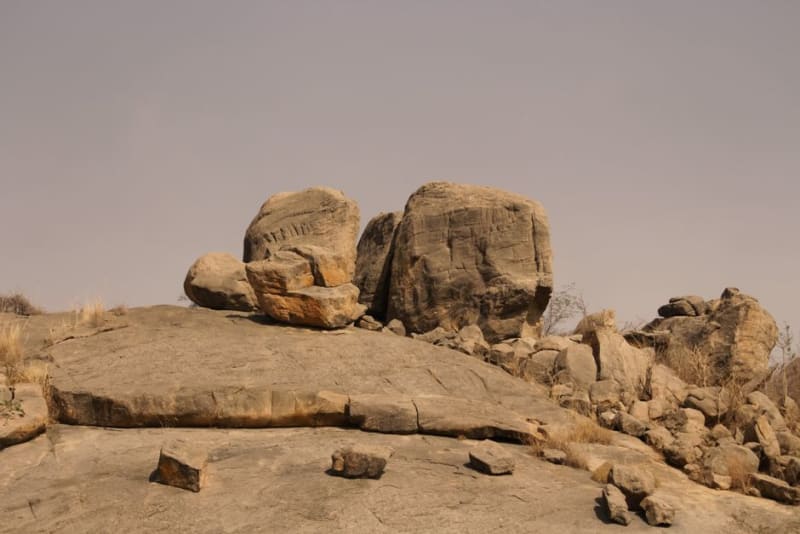 central-african-republic
 Bozoum
A market town in the northwest where a wall of pink granite rises straight out of the savanna, riddled with caves the local Catholic mission has mapped for a century.
Explore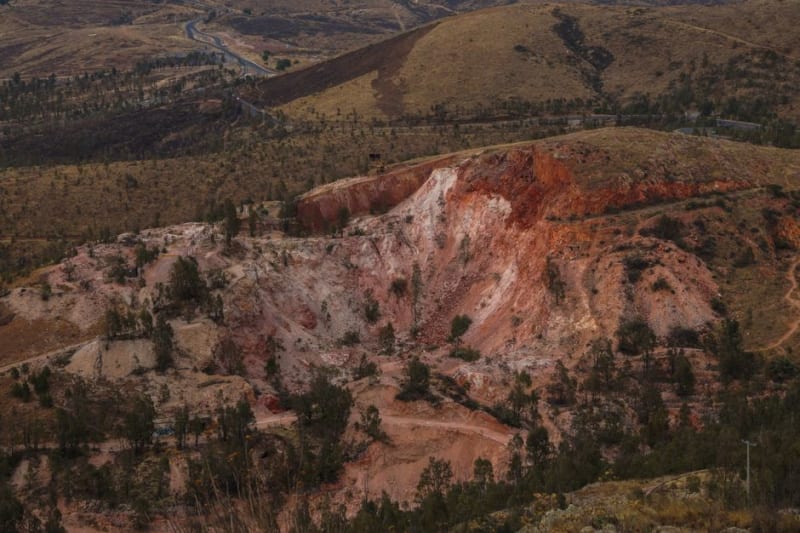 central-african-republic
 Bria
A diamond-mining town in the eastern savanna where hand-dug pits pockmark the surrounding hills and the entire local economy rises and falls with a single gemstone.
Explore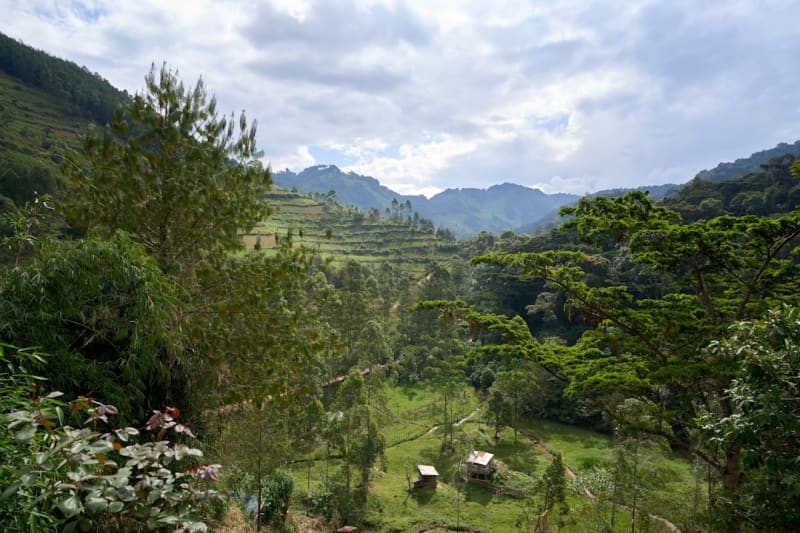 central-african-republic
 Carnot
A red-earth coffee town in the southwest where colonial-era plantations have gone half-wild and artisanal diamond diggers still work the riverbeds by hand.
Explore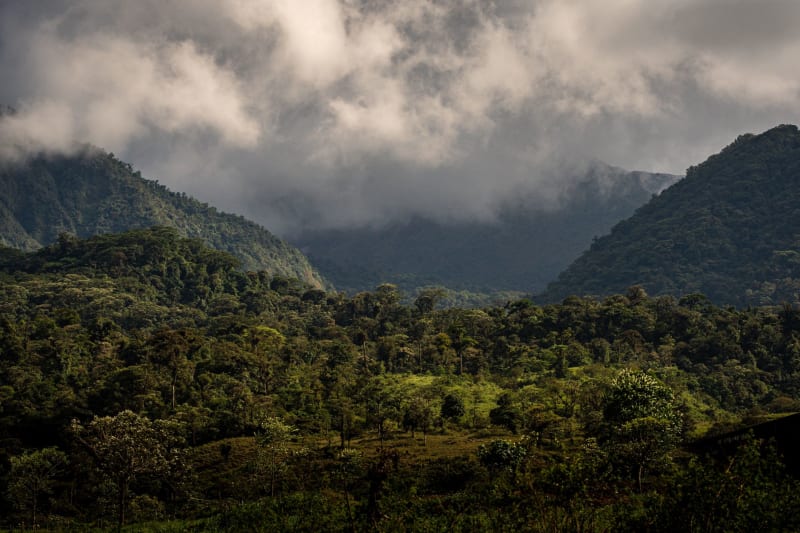 central-african-republic
 Chinko Nature Reserve
An eastern wilderness the size of Switzerland that most travelers will never reach, where lions have reclaimed the savanna and the word 'remote' recovers its original meaning.
Explore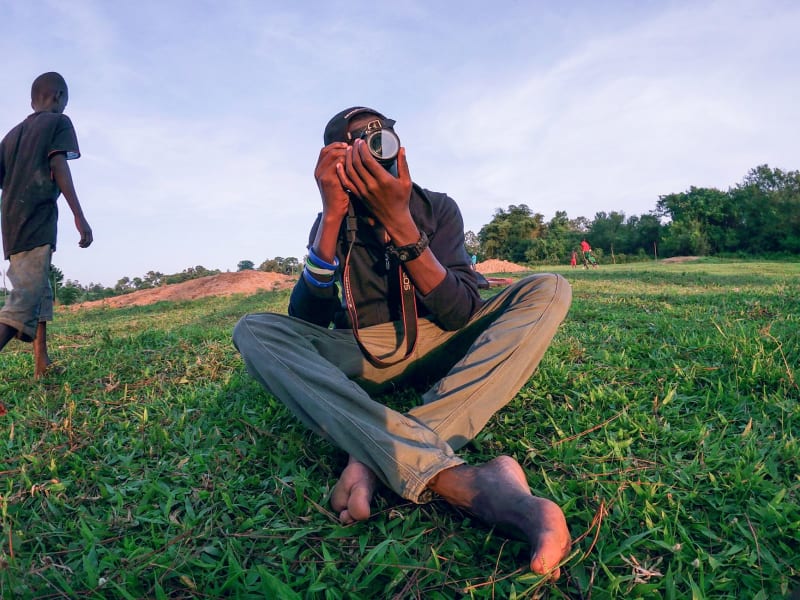 central-african-republic
 Dzanga Bai
A forest clearing in the Congo Basin where elephants gather by the dozen at a mineral lick and silence becomes something you can physically feel.
Explore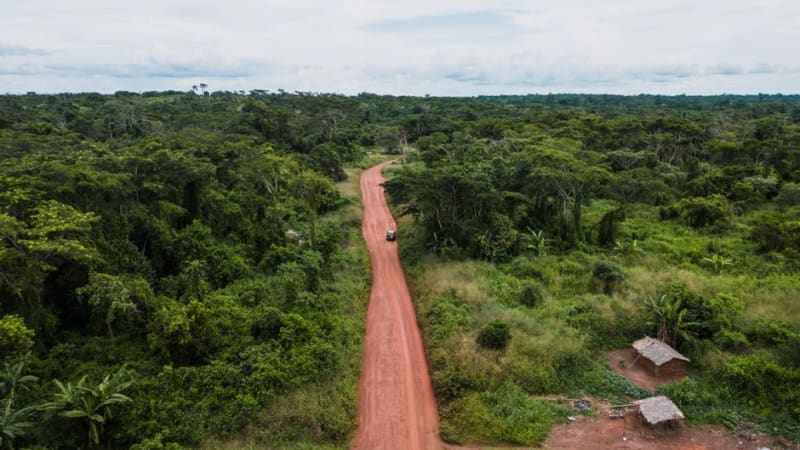 central-african-republic
 Gamboula
A forest-edge border post where the road to Cameroon dissolves into red mud, and the timber trucks and market women share the same narrow crossing.
Explore central-african-republic
 Kaga-Bandoro
A central crossroads town rebuilding itself street by street after years of conflict, where a displaced-persons camp and a bustling cattle market sit within sight of each other.
Explore