Bozoum
"The rock doesn't look like it belongs to the landscape around it — it looks like it fell there."
A market town in the northwest where a wall of pink granite rises straight out of the savanna, riddled with caves the local Catholic mission has mapped for a century.
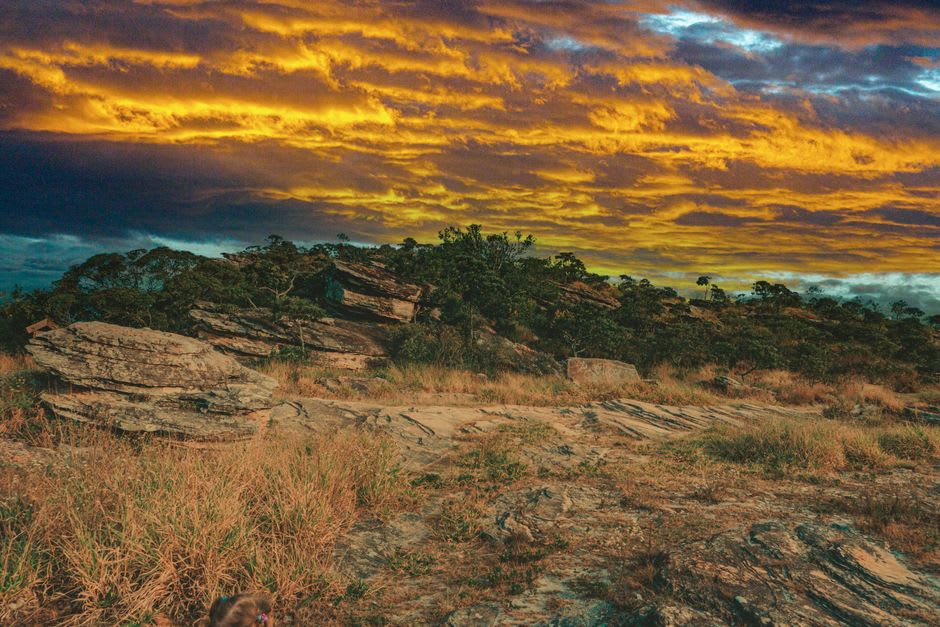
I hadn’t planned to stop in Bozoum. It was meant to be a fuel and food break on the long haul between Bossangoa and the Cameroon border, and then I saw the rock — a sheer pink-grey granite massif erupting out of flat savanna with no geological warning, the kind of formation that makes you pull the car over without discussing it with anyone. The locals call the largest outcrop simply “la roche,” and it dominates the town’s skyline the way a cathedral dominates a European square. I ended up staying three days.
The Catholic mission here, run for decades by Capuchin friars, has quietly become the unofficial keeper of the rock’s secrets. A priest named Father Aurélio — Italian, in the country since the 1980s, spoke French with a Roman accent that made everything sound like an aside — walked me up through a crevice in the granite to a cave system that local families still use for shelter during the heaviest storms. Inside, the air dropped ten degrees instantly, and there were charcoal marks on the walls that nobody could date with any confidence. He shrugged when I asked how old they were. “Older than the mission. That’s all I know.”
The town itself spreads out beneath the rock in a loose grid of mudbrick houses, a market that runs a modest but steady trade in peanuts and dried fish, and a surprising number of bicycles for a place this remote — Bozoum sits on one of the better-maintained laterite roads in the region, and cycling between here and the smaller villages is genuinely common. I spent an afternoon at the market talking with a woman selling smoked caterpillars, a delicacy in this part of the country that she insisted I try before I was allowed to leave. It tasted smoky and faintly bitter, texturally somewhere between jerky and a dried mushroom, and I ate three more before admitting I liked them.
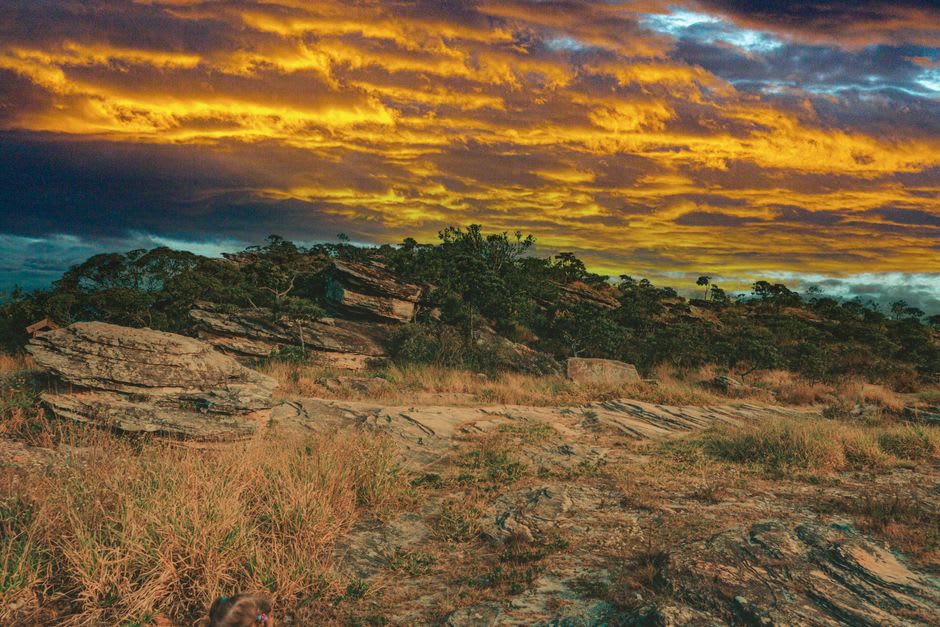
Climbing the rock itself in the late afternoon gives you a view that has no business existing in a country most people assume is uniform rainforest. From the top, the savanna rolls out flat and gold to the horizon in every direction, broken only by the thin ribbon of the Ouham river and distant smoke from cooking fires in villages you can’t otherwise see. A group of kids from the mission school had followed me up without asking permission, laughing at how slowly I climbed, and we sat at the top together as the light went orange and then disappeared entirely within about fifteen minutes, the way it does close to the equator.
When to go: The dry season, November to March, keeps the laterite roads passable and makes the rock climb far less treacherous — the granite gets dangerously slick in rain. Early morning or the last two hours before sunset are the only sensible times to climb, given the heat that builds on exposed rock by midday.
Keep exploring
More from Central African Republic
 central-african-republic
 Bria
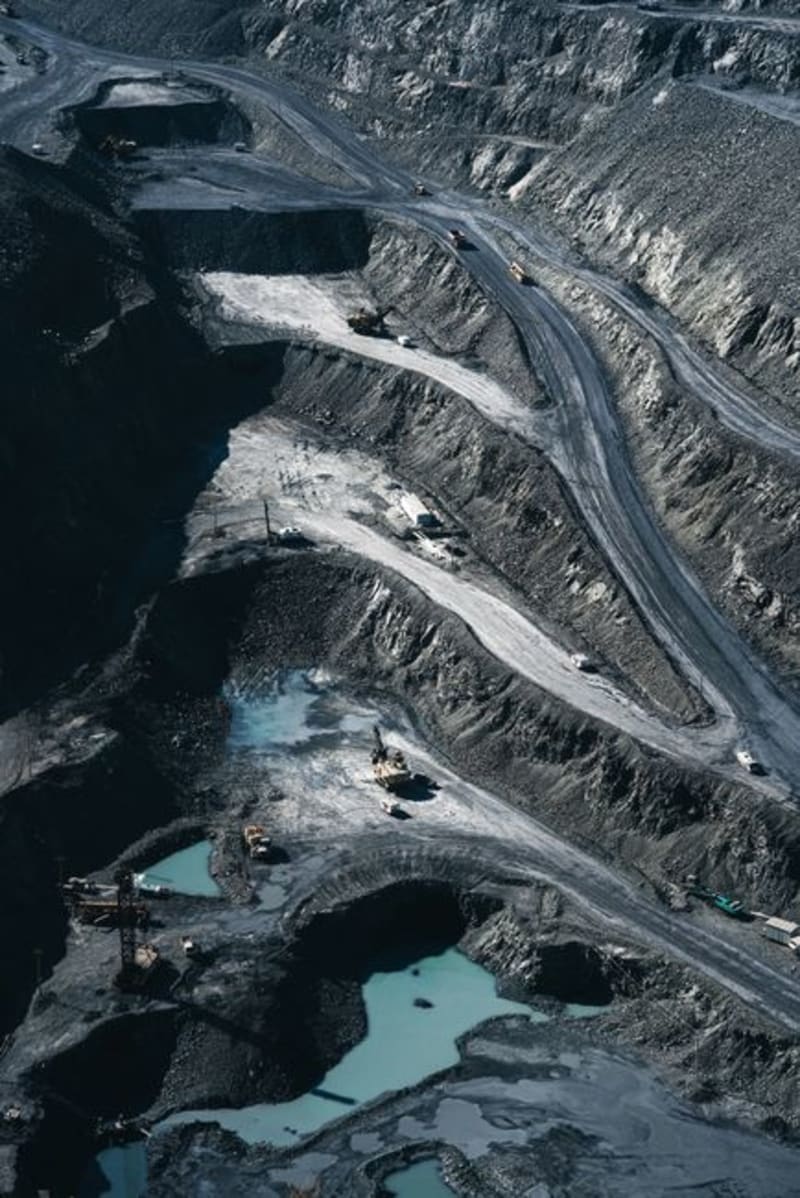
A diamond-mining town in the eastern savanna where hand-dug pits pockmark the surrounding hills and the entire local economy rises and falls with a single gemstone.
Explore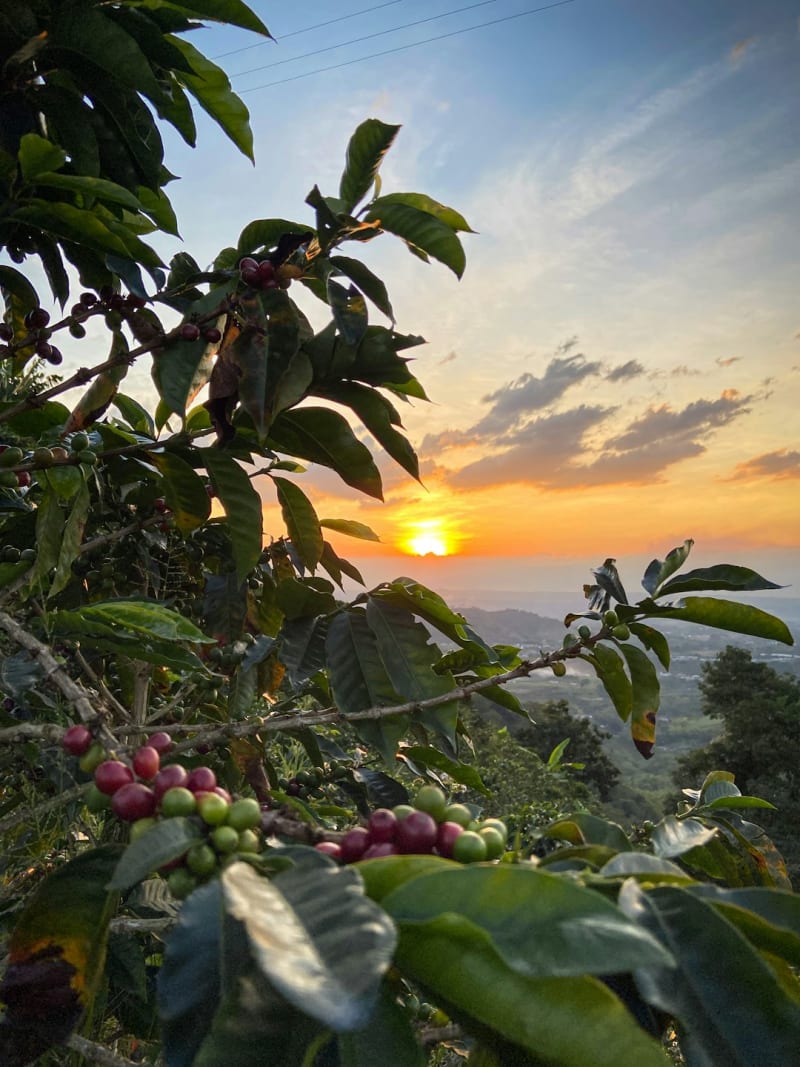 central-african-republic
 Carnot
A red-earth coffee town in the southwest where colonial-era plantations have gone half-wild and artisanal diamond diggers still work the riverbeds by hand.
Explore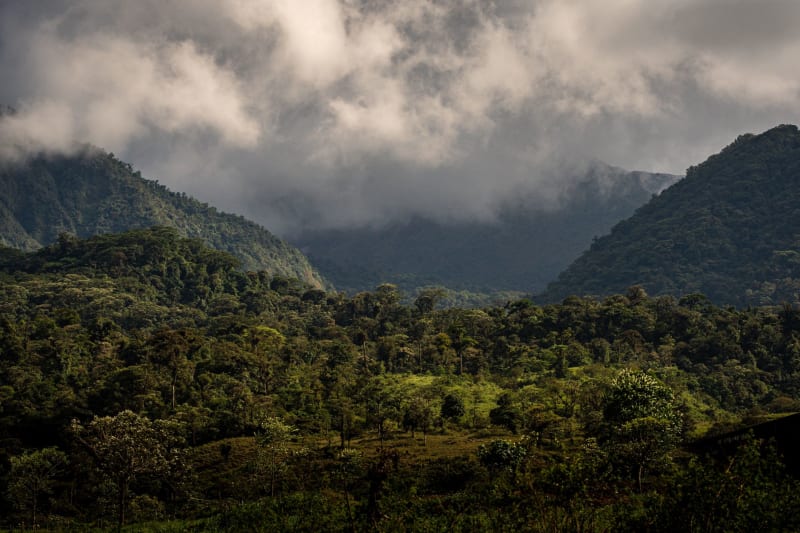 central-african-republic
 Chinko Nature Reserve
An eastern wilderness the size of Switzerland that most travelers will never reach, where lions have reclaimed the savanna and the word 'remote' recovers its original meaning.
Explore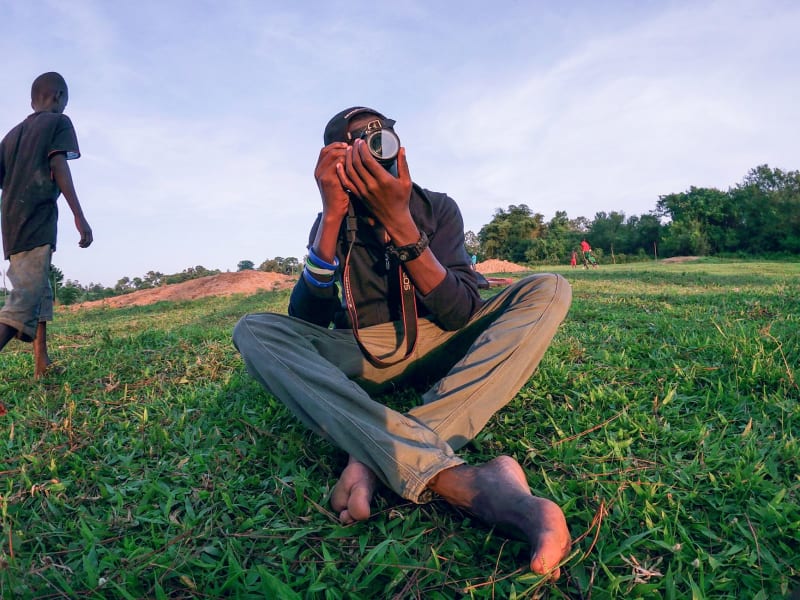 central-african-republic
 Dzanga Bai
A forest clearing in the Congo Basin where elephants gather by the dozen at a mineral lick and silence becomes something you can physically feel.
Explore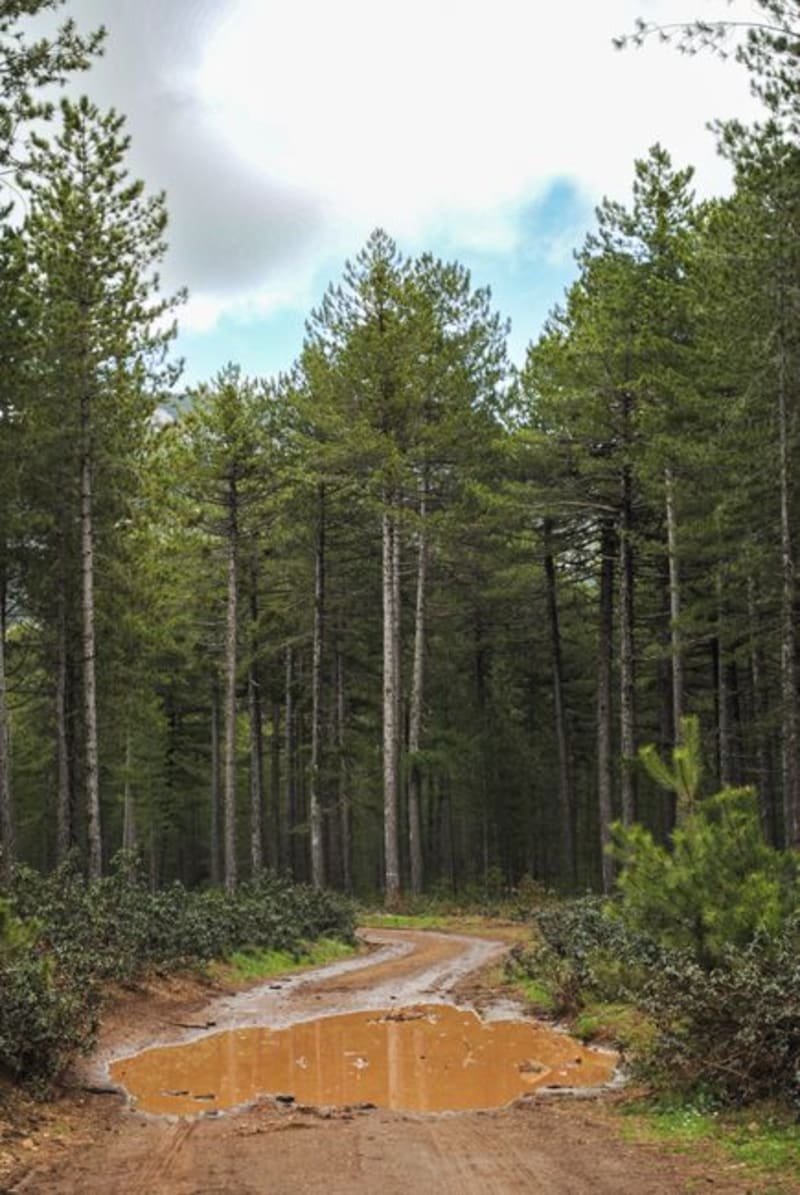 central-african-republic
 Gamboula
A forest-edge border post where the road to Cameroon dissolves into red mud, and the timber trucks and market women share the same narrow crossing.
Explore central-african-republic
 Kaga-Bandoro
A central crossroads town rebuilding itself street by street after years of conflict, where a displaced-persons camp and a bustling cattle market sit within sight of each other.
Explore