Bossangoa
"The cathedral held more people during the crisis than it was ever built to seat — everyone here remembers that."
A cotton-country capital in the northwest where a colonial-era cathedral anchors a town still finding its footing after being the flashpoint of the 2013 crisis.
Bossangoa carries a specific weight in the country’s recent history that I felt the moment people started talking to me. In late 2013, as the Seleka and anti-Balaka conflict tore through the region, tens of thousands of people fleeing violence packed into the grounds of the town’s Catholic mission, sleeping in the cathedral itself and across every available inch of the compound, in numbers the mission was never designed to hold. A priest who was there during those months, Père Xavier, still serves the parish, and he talked about it with the careful economy of someone who has told the story enough times to have found the words that don’t reopen it completely. “We ran out of everything except the will to keep the gate open,” he said.
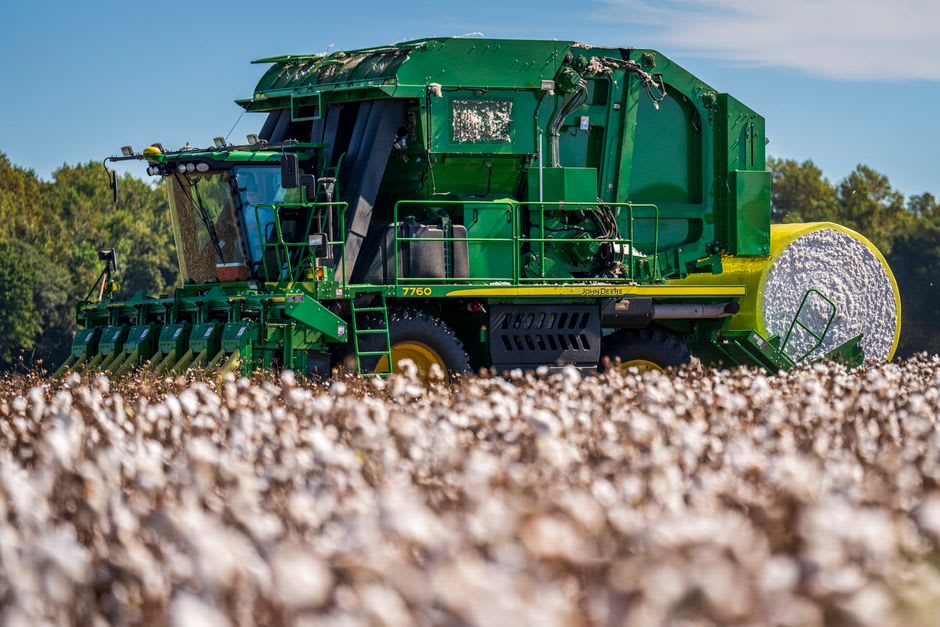
The town today has largely rebuilt around its identity as the center of the Ouham prefecture’s cotton economy, and driving in from any direction takes you through fields that, depending on the season, run either lush green or brittle white with open bolls ready for harvest. I spent a morning at a small ginning operation on the edge of town, watching raw cotton get separated from seed in a process that hasn’t changed much since the machinery was installed decades ago, the operators moving with the practiced boredom of a task they know completely.
The market in the town center has a genuine, unforced energy that felt like recovery rather than performance — women selling smoked fish brought up from the Ouham river, tailors running foot-pedal sewing machines under market stalls, motorbike taxis idling in clusters waiting for fares. I ate a lunch of grilled chicken and rice at a small restaurant run by a woman named Solange who told me, unprompted, that she’d reopened three times since 2013 after being forced to close, and that she intended this to be the last time she had to.
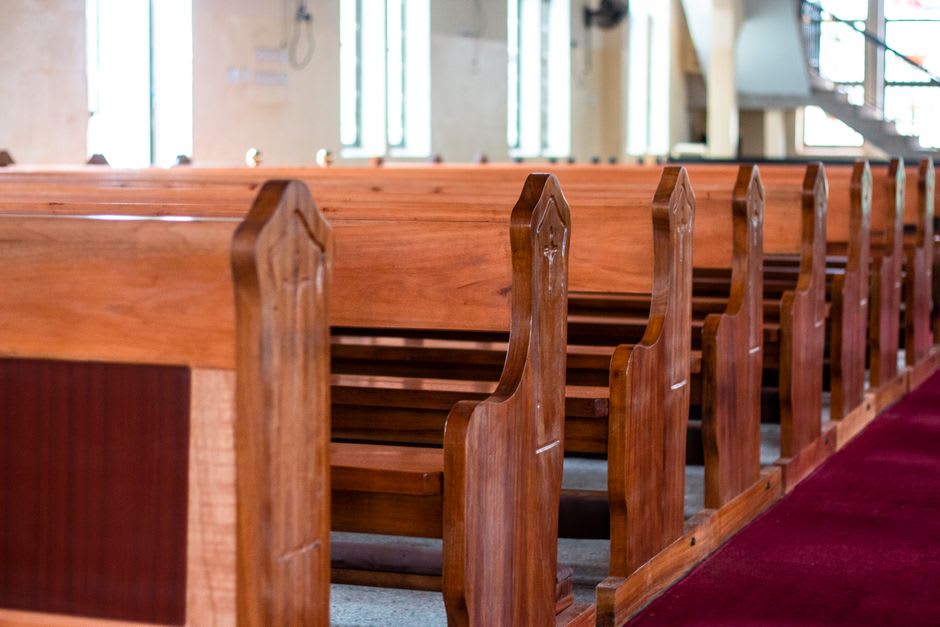
The cathedral itself, when I visited on a quiet weekday afternoon, felt oddly peaceful for a building carrying that much history — cool brick interior, light coming through simple windows, a caretaker sweeping the floor with the unhurried rhythm of routine maintenance. Standing there, it was hard to reconcile the calm of the empty space with the crowded, desperate months Père Xavier had described. That contrast is, in its way, the story of Bossangoa’s last decade.
When to go: The dry season, November through March, is the most reliable window for road travel to and from Bangui, and coincides with the cotton harvest if you want to see the fields at their most dramatic. Check current security conditions before travel, as the wider Ouham region has experienced periodic instability.
Keep exploring
More from Central African Republic
 central-african-republic
 Bouar
A western highland town where 6,000-year-old megalithic stone arrangements rise from the grass with no explanation and no audience.
Explore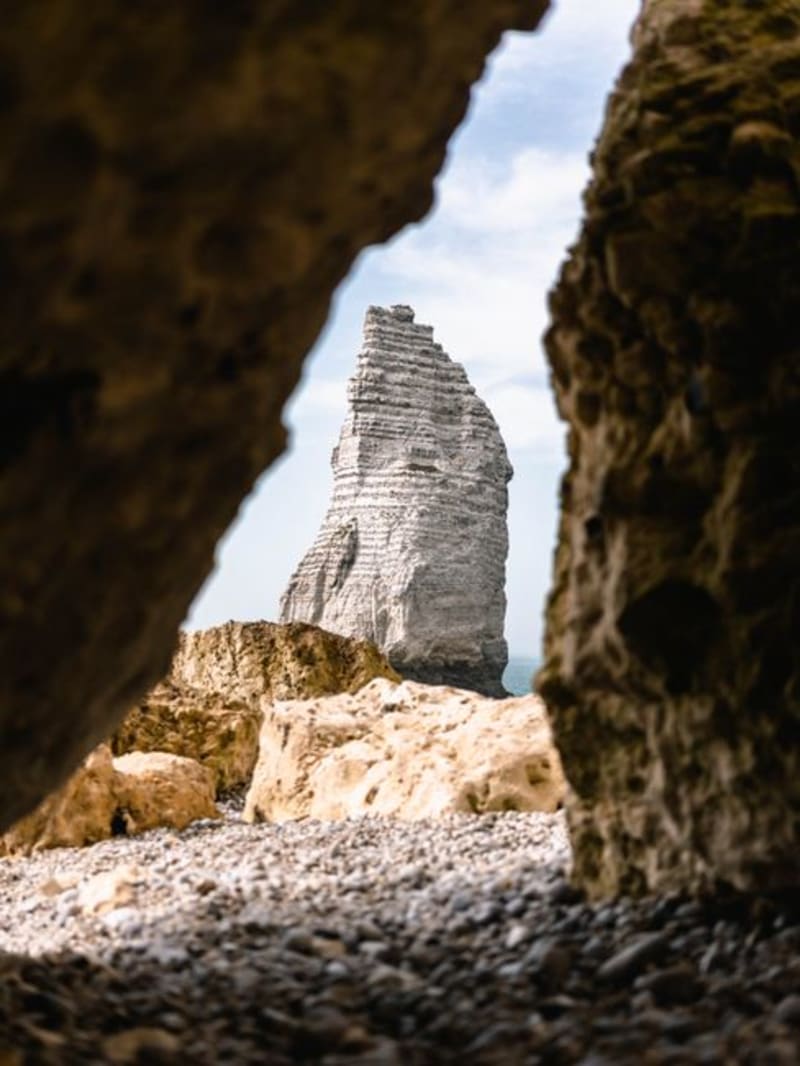 central-african-republic
 Bozoum
A market town in the northwest where a wall of pink granite rises straight out of the savanna, riddled with caves the local Catholic mission has mapped for a century.
Explore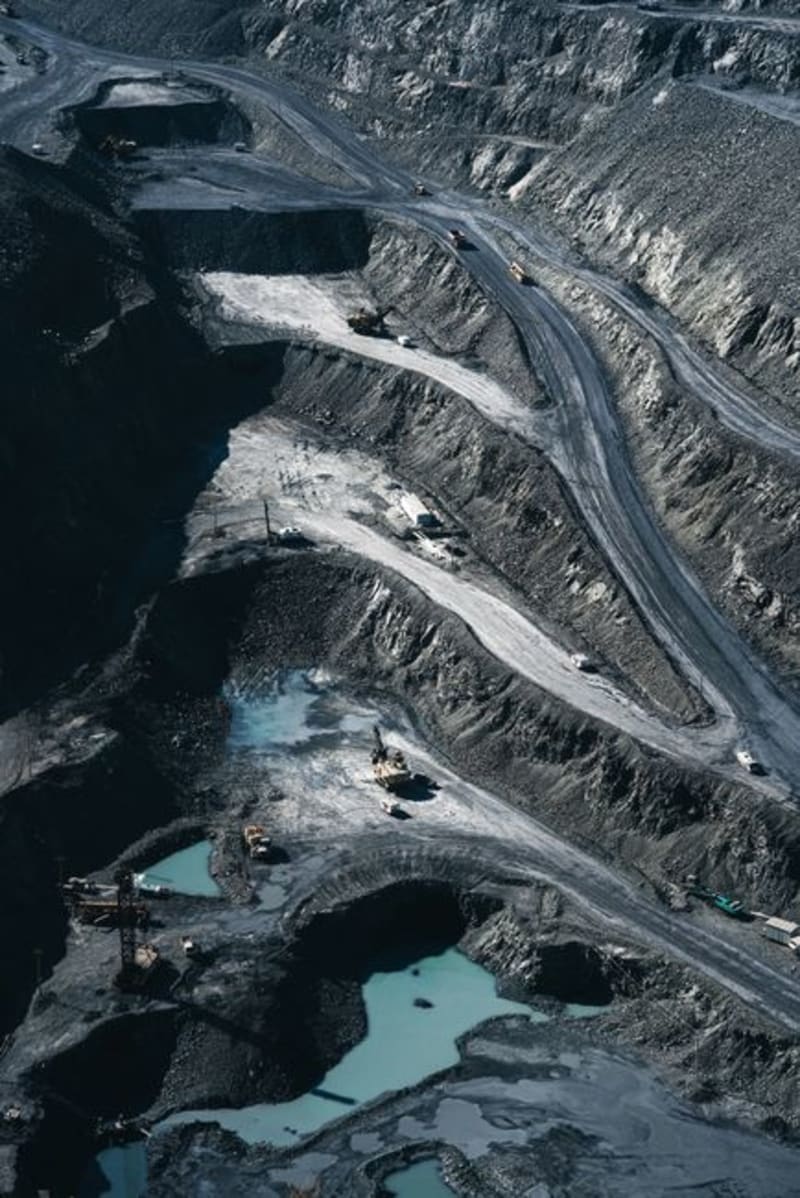 central-african-republic
 Bria
A diamond-mining town in the eastern savanna where hand-dug pits pockmark the surrounding hills and the entire local economy rises and falls with a single gemstone.
Explore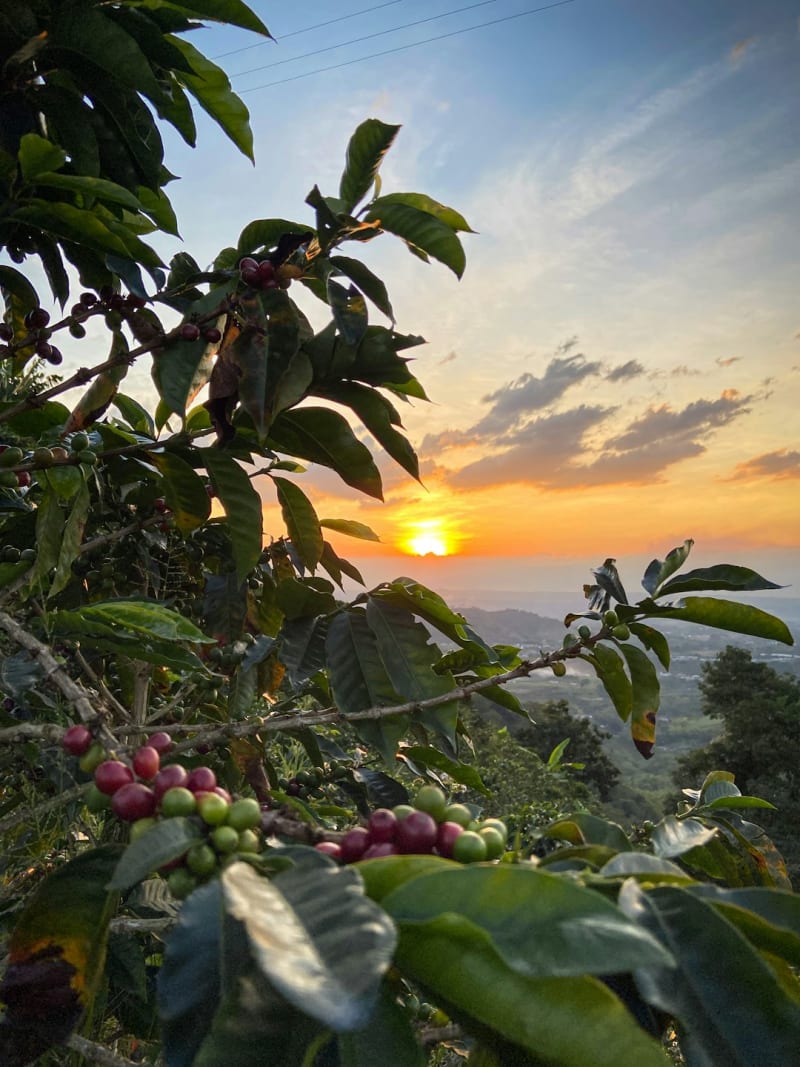 central-african-republic
 Carnot
A red-earth coffee town in the southwest where colonial-era plantations have gone half-wild and artisanal diamond diggers still work the riverbeds by hand.
Explore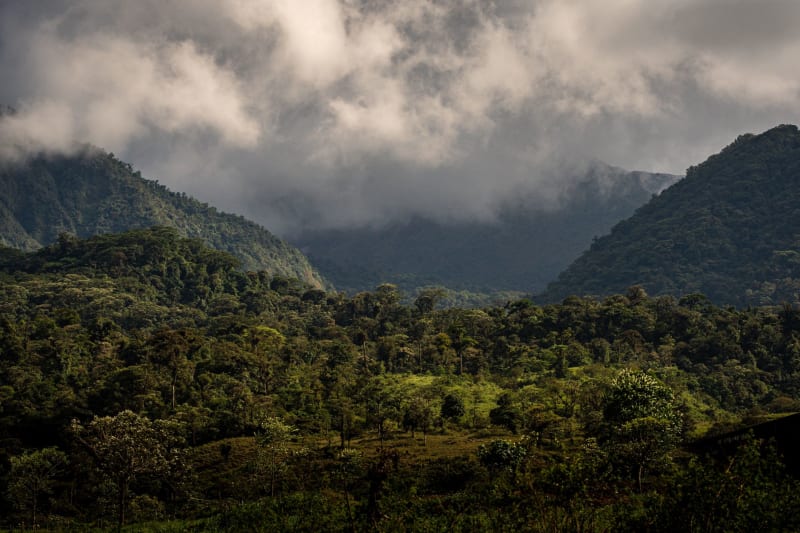 central-african-republic
 Chinko Nature Reserve
An eastern wilderness the size of Switzerland that most travelers will never reach, where lions have reclaimed the savanna and the word 'remote' recovers its original meaning.
Explore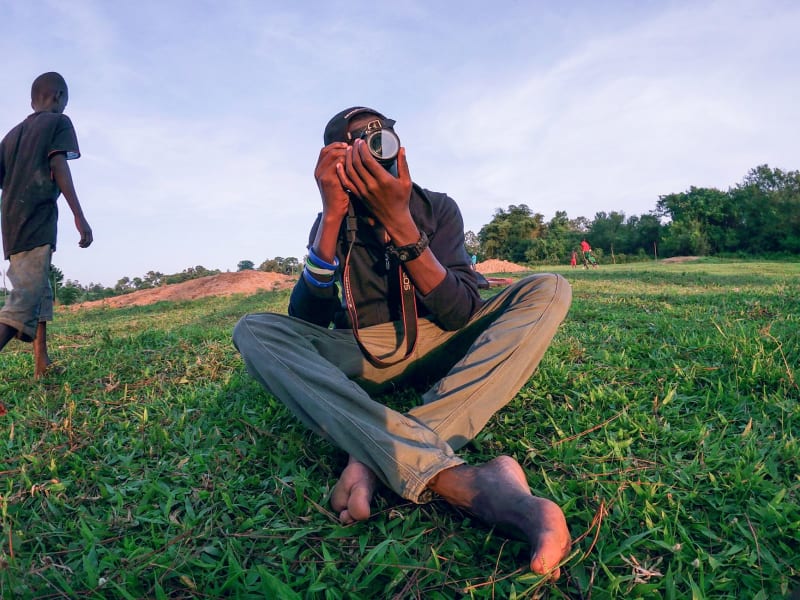 central-african-republic
 Dzanga Bai
A forest clearing in the Congo Basin where elephants gather by the dozen at a mineral lick and silence becomes something you can physically feel.
Explore