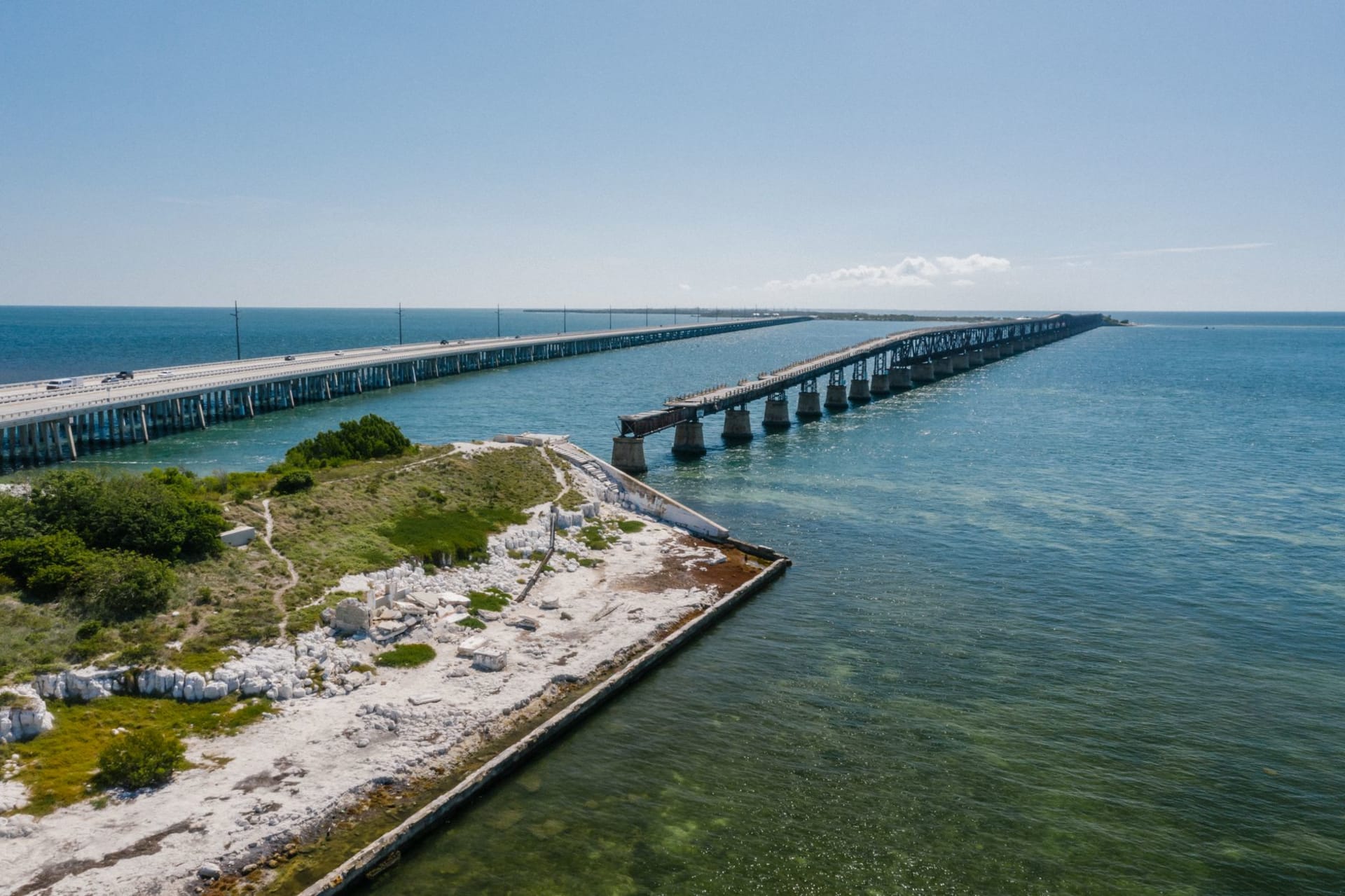
Seven Mile Beach
"The sand here is so white it makes you squint even in the shade."
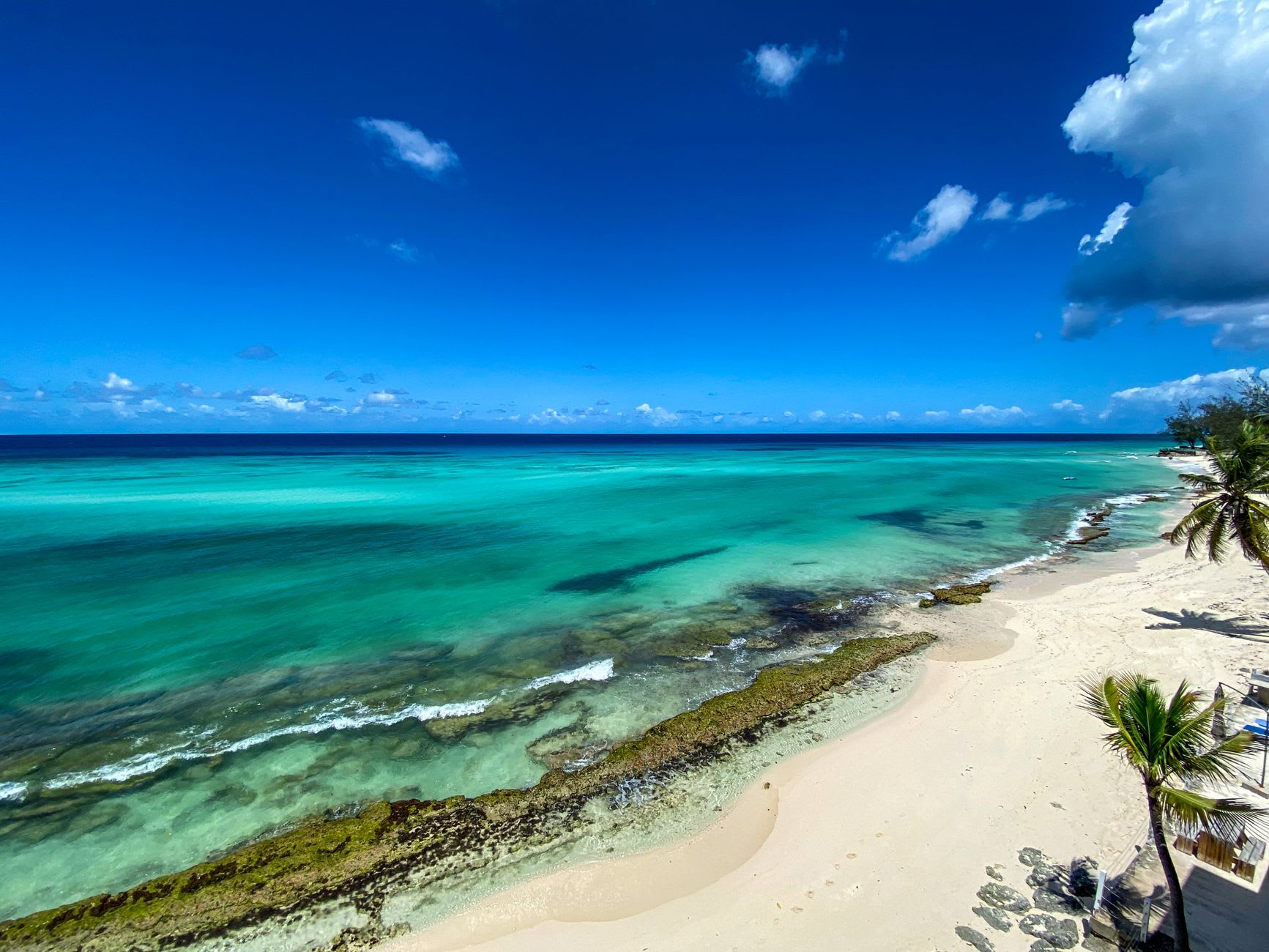
I arrived at Seven Mile Beach at five in the afternoon, which is to say I arrived at the best possible hour. The cruise ships had gone. The snorkel tour boats were back on their moorings. The light was doing that low-angle Caribbean thing where everything turns amber and the water picks up colors it had been hiding all day. I walked barefoot from the edge of the road to the waterline and counted the shades of blue. I got to seven before I stopped counting.
The name is a slight exaggeration — the beach runs closer to five and a half miles — but I understood the impulse to round up. Seven sounds right. Seven sounds like the kind of number a place earns. The sand is powdered coral, so fine and white it squeaks underfoot, and the consistency stays consistent for the full length: no stretches of coarser material, no sudden outcroppings of rock. The bottom is sandy well offshore, which means the water stays shallow and calm even when there is a moderate easterly running.
What I had not expected was the food. I had mentally filed Seven Mile Beach under resort buffets and poolside cocktails and all the other things that make Caribbean beach strips feel interchangeable. I was wrong in a specific and embarrassing way. On the southern end, closer to George Town, there are roadside stands where you can get conch ceviche served right out of the shell — the meat is sliced thin, marinated in lime and scotch bonnet, and served with saltines if you want them. I ate it standing up, which felt correct. On Thursday evenings, Camana Bay is only a short walk north, and the fish fry that happens there draws half the island. But even without walking anywhere, the beach itself has developed an informal food culture: coal drums with jerk chicken, coolers full of Red Stripe, a woman who sells coconut water from a cart she parks near the public access point at the north end every morning without fail.
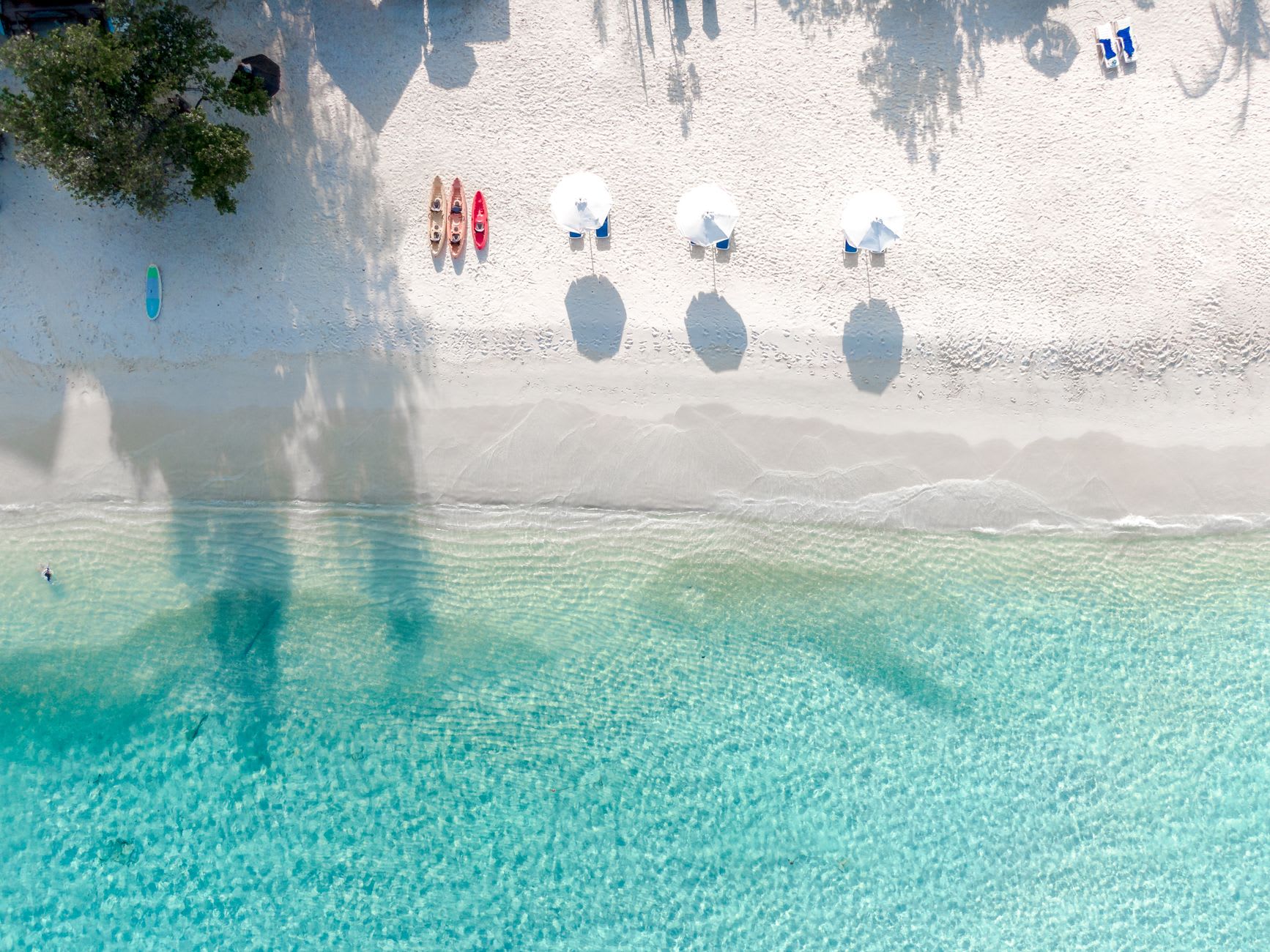
The hotels run the length of the western side, ranging from modest family places to genuinely expensive properties where the pool terrace blurs into the beach. What strikes me is that even with the resort density, the beach itself never feels owned. Cayman law keeps the foreshore public, which means you can walk its full length without anyone pointing you back to your particular stretch of sand. I made that walk on my second morning — starting in the early light when a few joggers were out but the beach chairs were still stacked — and it took me just under two hours, which included stopping at a pelican that was standing very still at the water’s edge looking philosophically at the horizon.
The diving companies launch from here, and in the mornings — from five-thirty to seven — the dive boats go out with a seriousness that feels almost industrial. Grand Cayman’s west wall is only a short boat ride offshore, and the diving is good enough to justify the early departure. But the beach itself does not need the diving to justify anything. It stands alone as a piece of Caribbean geography that happens to be exceptionally well made.
When to go: December through April is the dry season peak — the water is calmest and clearest, the trade winds pleasant rather than gusty. Late April and May offer the same conditions with a fraction of the crowds. Avoid September and October when hurricane probability climbs and the sea can turn rough without much warning.