Pedro St. James Castle
"Standing where a handful of planters and freedmen argued their island into being, I finally understood why Cayman calls this ground sacred."
A restored 1780 great house on a Grand Cayman bluff, where democracy was born and the sea still argues with the cliffs.
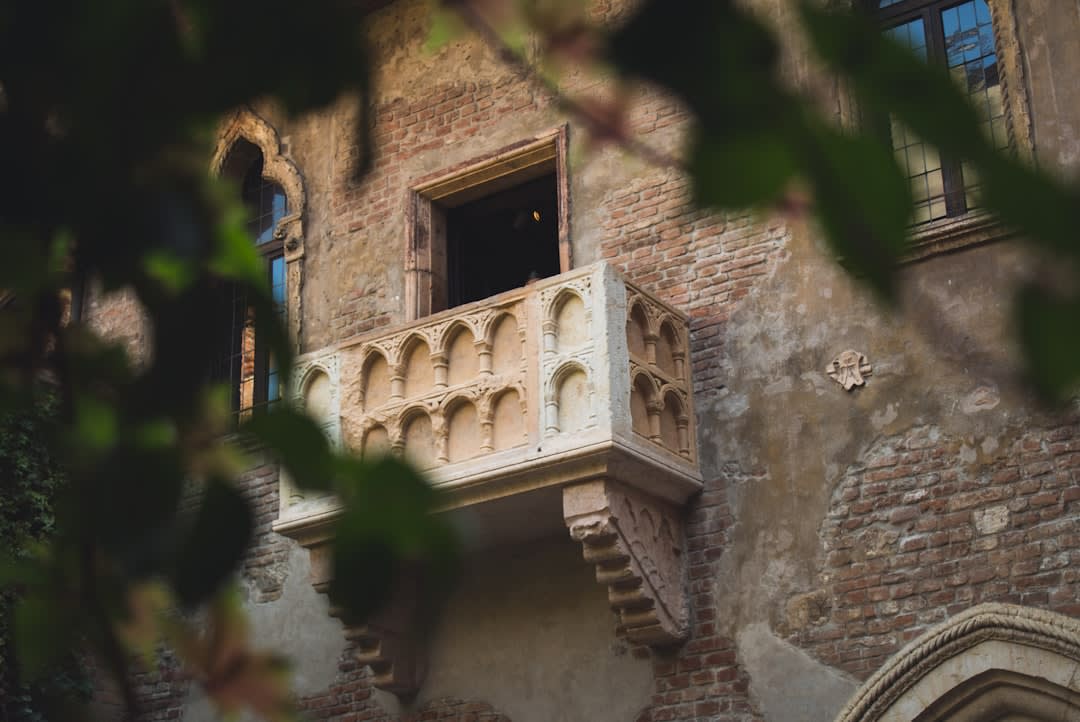
I almost skipped Pedro St. James. Lia and I had spent the morning at Seven Mile Beach, and by the time we drove out to the Savannah district, the sun was doing that heavy, syrupy thing it does in the Caribbean afternoon. But the moment the road curved up toward the bluff and that pale stone house appeared against the water, I was glad we’d made the trip. It’s the oldest surviving stone structure in the Cayman Islands, built around 1780 by a planter named William Eden, and it wears its age plainly — thick walls, deep verandas, the kind of solidity that feels almost stubborn against three centuries of hurricanes.
What got me wasn’t the architecture, though. It was standing in the room where, in December 1831, residents met and decided to form the islands’ first elected legislative assembly — the reason Caymanians call this the “Birthplace of Democracy.” I’m French, so I grew up with a very different, very loud story about how democracy arrives. This one felt quieter, more local, more improbable: a handful of people on a small island deciding, essentially, to govern themselves. The multimedia theater inside walks you through that history with more nuance than I expected from what I’d assumed would be a tourist-trap reenactment.
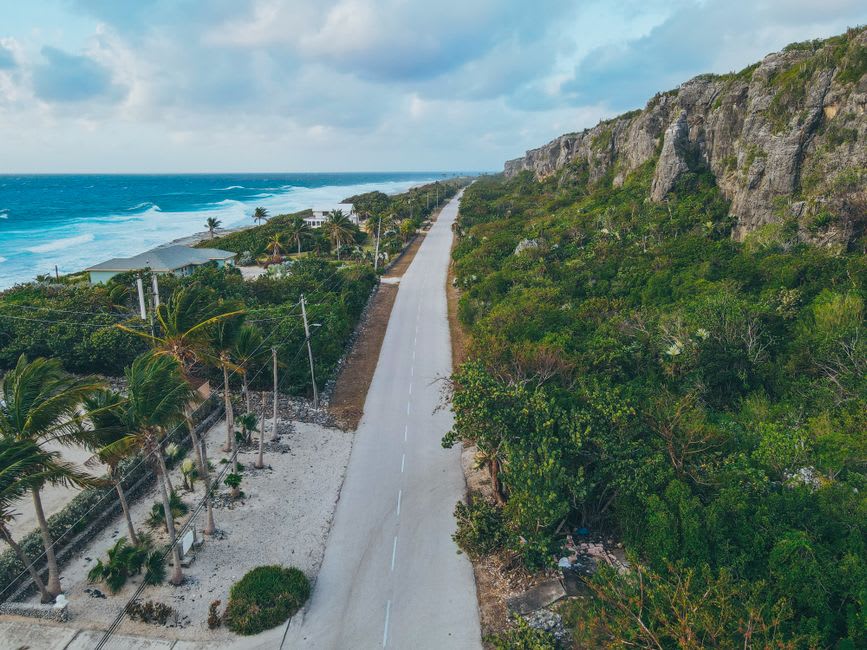
We wandered the grounds longer than planned. The building sits right on the edge of a bluff on the south coast, and the drop to the sea is close enough that you feel it in your stomach a little. Lia found a bench under a gumbo-limbo tree and just sat there watching the waves work at the base of the cliff while I circled the house twice, trying to picture it half-collapsed and vine-choked, which is apparently what it looked like before restoration crews rebuilt it in the 1990s after decades of hurricane damage and neglect. Hard to imagine now — everything felt too solid, too deliberately preserved.
On the way out, I bought a ginger beer from the little café by the entrance and drank it on the steps, watching the light change over the water. It’s a small site — you could see it all in an hour — but it’s the kind of place that sits with you longer than the time you spend there.
When to go: Any time of year works, but if you want the sky and sea cooperating for photos on that bluff, aim for the dry season between November and April.
Keep exploring
More from Cayman Islands
 cayman-islands
 Rum Point
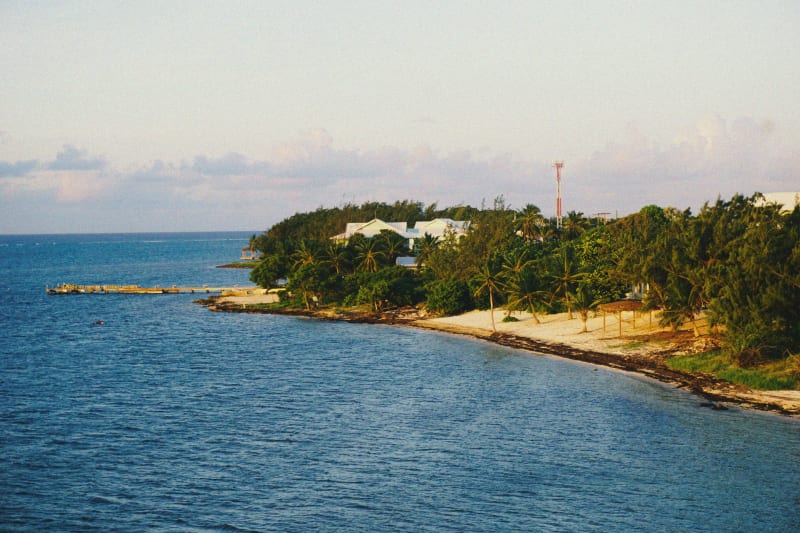
A calm north-shore beach where hammocks hang between sea grape trees and the water is so shallow you can wade out fifty meters without getting your shoulders wet.
Explore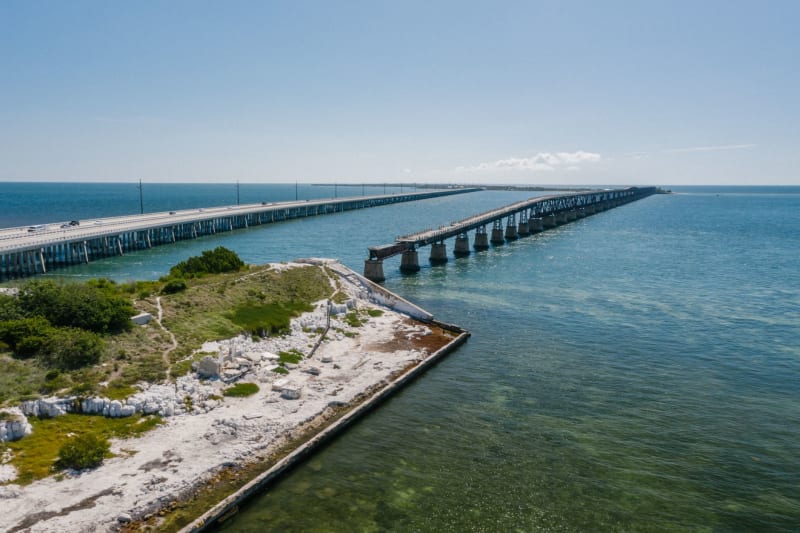 cayman-islands
 Seven Mile Beach
The Caribbean's most flawless sand corridor, where powdered coral meets water that shifts from mint to cobalt in fifty paces.
Explore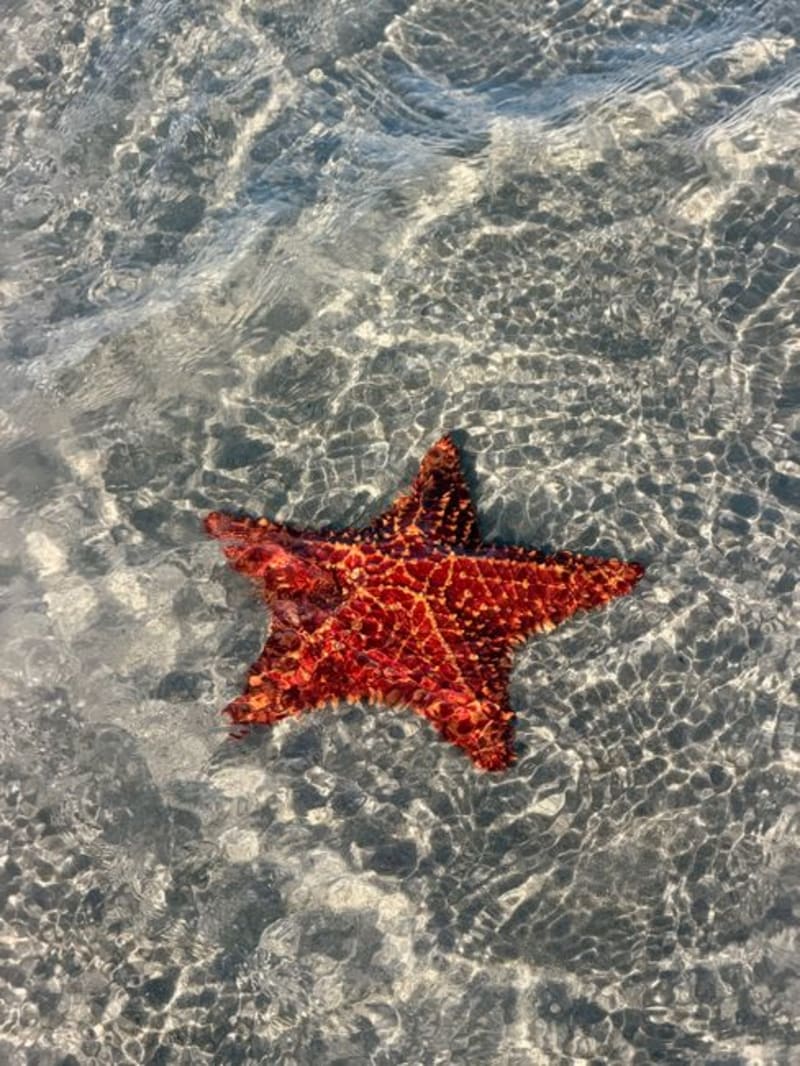 cayman-islands
 Starfish Point
A shallow, calm bay on Grand Cayman's North Side where red cushion sea stars rest just offshore, no boat required.
Explore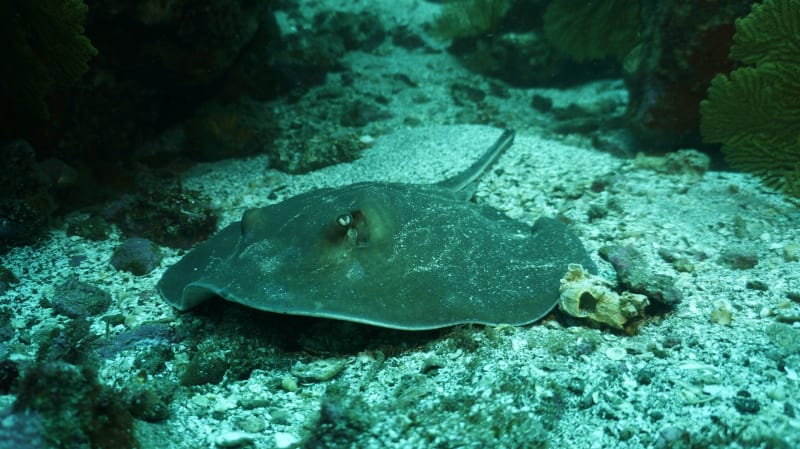 cayman-islands
 Stingray City
A twelve-foot-deep sandbar where wild southern stingrays glide between your legs like they have done since the fishermen first came.
Explore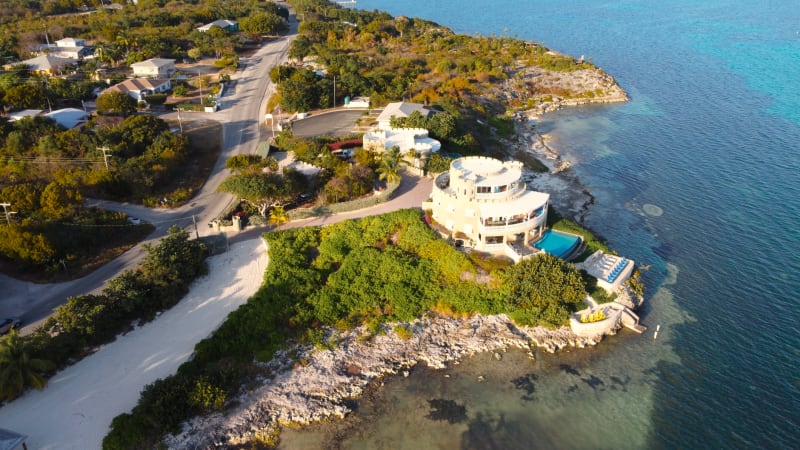 cayman-islands
 Bodden Town
Grand Cayman's old capital: ironshore graves, pirate cave legends, and a pace of life that the resort strip has never reached.
Explore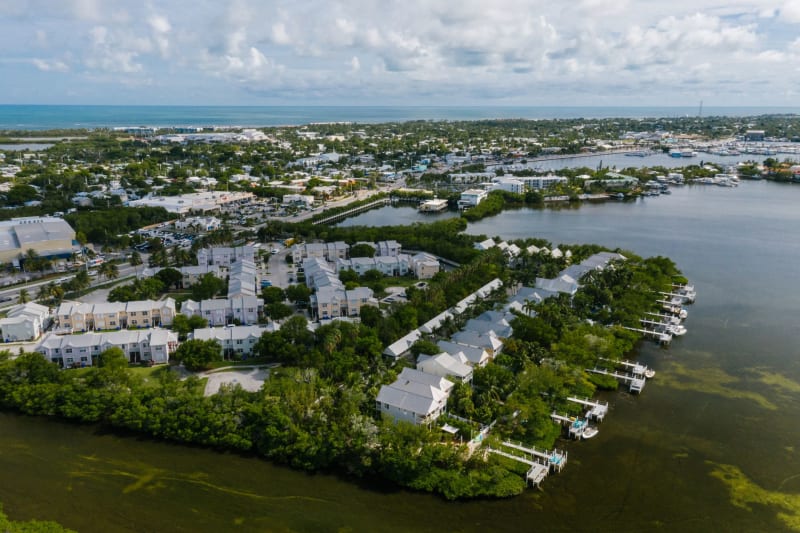 cayman-islands
 Camana Bay
A planned waterfront town that somehow became the most genuinely local gathering place on Grand Cayman, especially on Thursday nights.
Explore