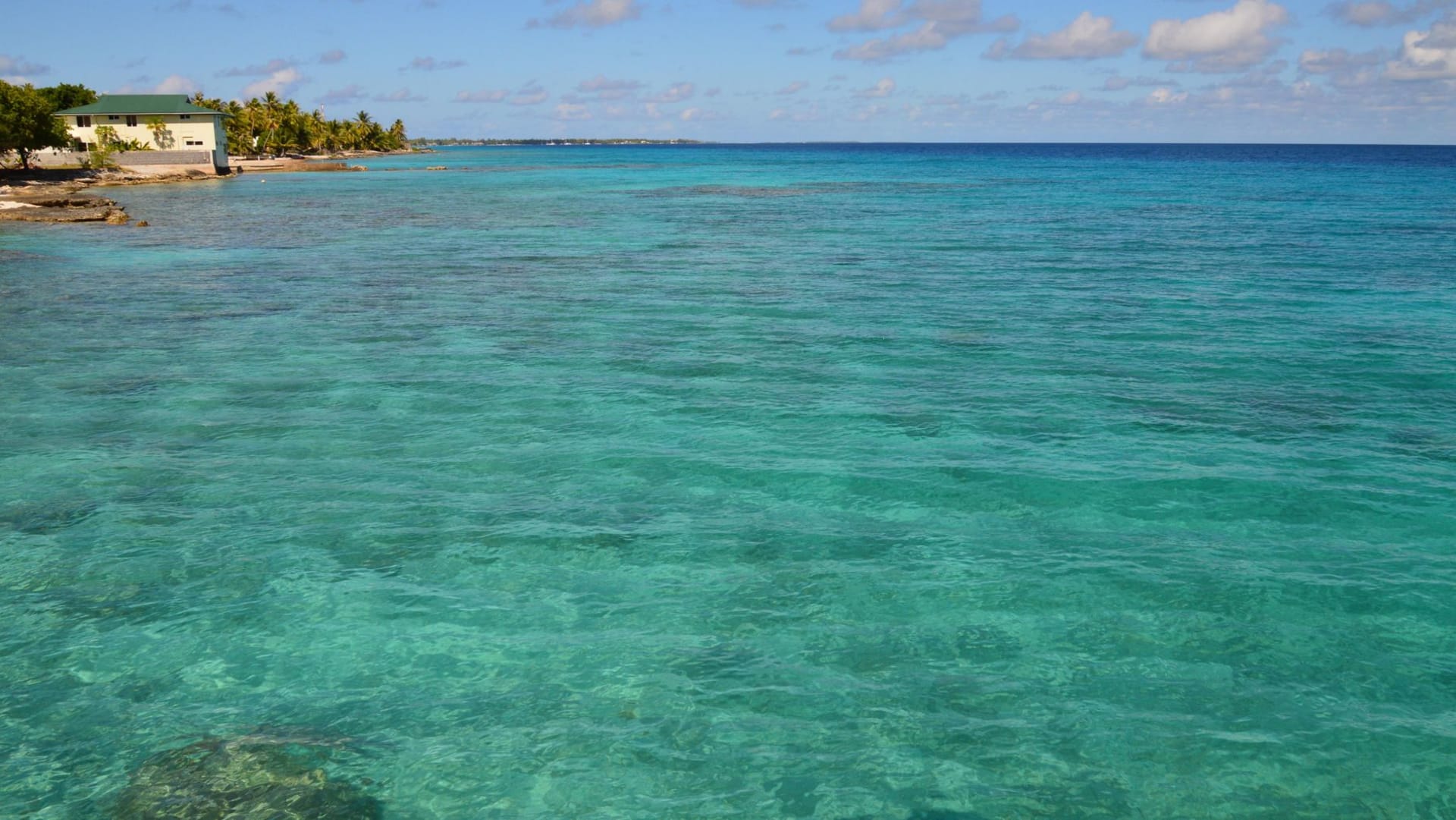
Little Cayman
"I counted six iguanas before I cleared customs. There is no customs building."
The plane held nine passengers and was the loudest machine I have been inside voluntarily. The flight from Grand Cayman took about forty minutes, which was enough time to fly over the deep blue trench between the islands and watch Little Cayman appear out of the water as a low green strip that looked, from altitude, like something a child had left on the surface of the ocean. We landed on a grass airstrip and the pilot helped with the luggage. I counted six iguanas before we reached what passes for the terminal, which is a small wooden building with ceiling fans and no air conditioning and a woman inside who stamped passports with the slightly ceremonial air of someone who does this six times a week and finds meaning in the ritual.
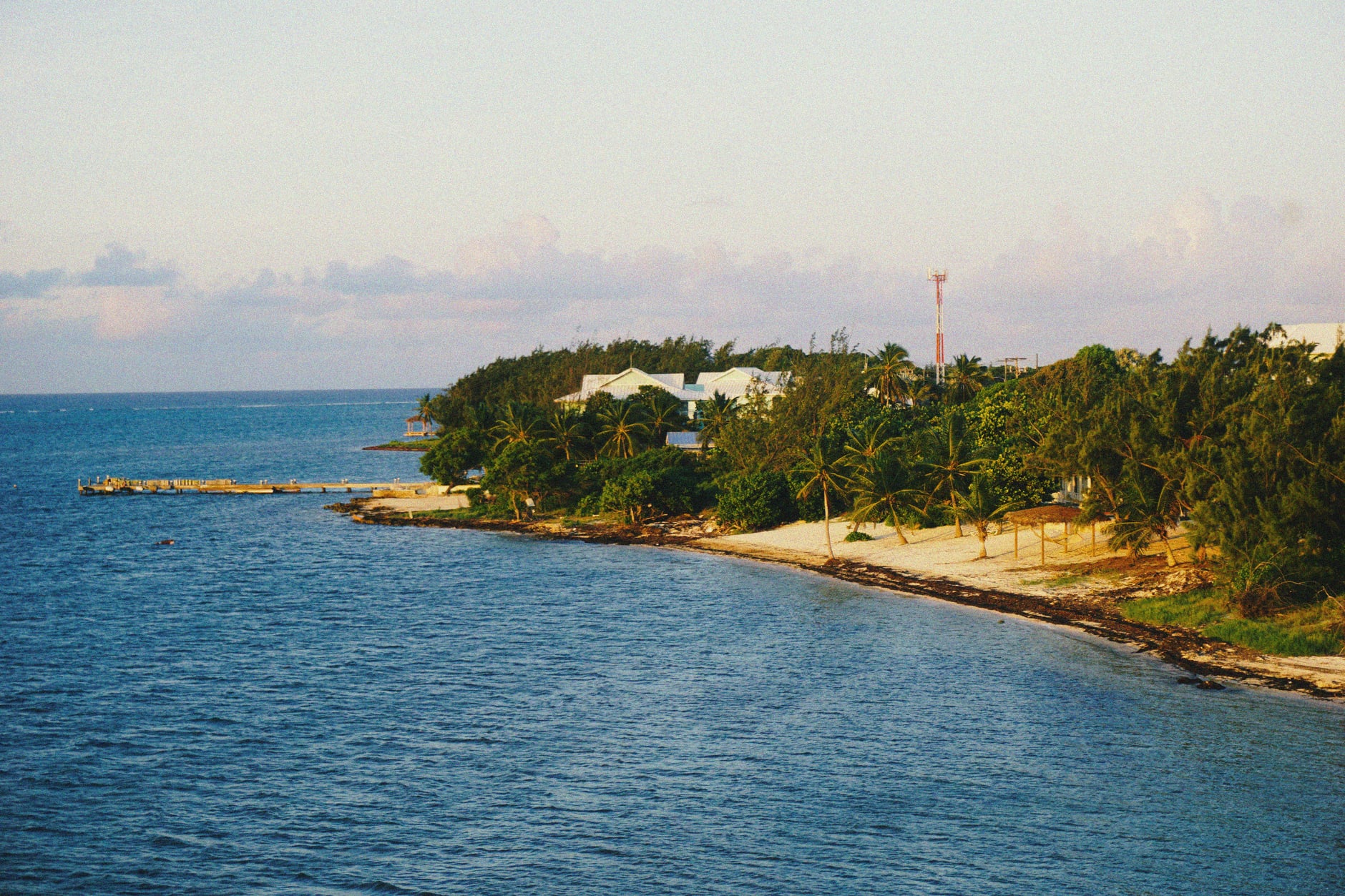
Little Cayman has roughly two hundred permanent residents. The central road runs the length of the island and takes about twenty minutes to drive end to end. There are a handful of dive resorts, a scattering of private houses, a bar called the Hungry Iguana that serves dinner and is the closest thing the island has to a social center, and a lot of iguanas. The iguanas are officially endangered and consequently feel confident crossing roads at whatever pace suits them, which is slow.
The Bloody Bay Wall is why serious divers come here, and the dive community’s opinion of it is not hyperbole: it is a genuinely exceptional wall. The reef top starts at about six meters, drops through a coral lip, and falls away vertically to depths beyond recreational limits. On a calm morning, the visibility at the wall edge can exceed forty meters, and the wall itself is overgrown with black coral, deep-water sea fans, and large barrel sponges in shades of purple and orange that look lit from inside. I am a moderate diver and I went to twenty-five meters on my first wall dive here and felt, for the duration of that dive, that I was looking at something that earned the word spectacular in the original sense of the word.
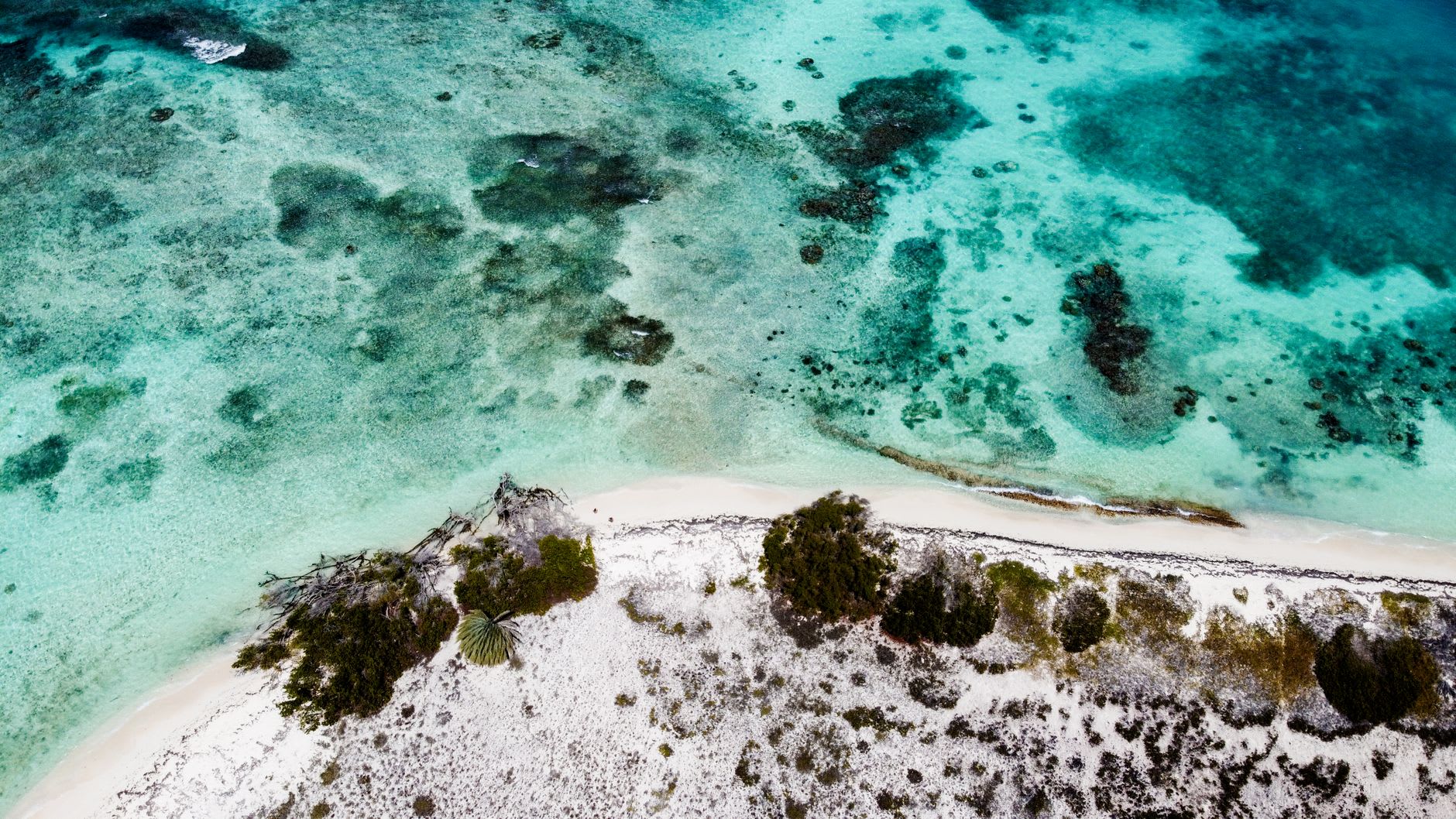
The surface of Little Cayman is its own argument for the island. Owen Island, a tiny uninhabited cay just offshore that you can reach by kayak in about ten minutes, has a beach of the same improbable white sand as Seven Mile but with no one on it. I went on a Tuesday morning and sat there for two hours and saw one other person — a fellow from one of the dive resorts who paddled out, walked the beach once, and paddled back without sitting down, which struck me as the wrong choice but not my business.
The quiet here is the kind that becomes its own sound after a day or two. No traffic noise, no music from bars, no machinery. The loudest thing at night is the tree frogs, which work in an overlapping chorus that starts at sundown and runs until well past midnight. I slept better than I had in months, which I attribute roughly equally to the tree frogs and to the fact that there is simply nothing to do after nine in the evening except lie in the dark and listen.
When to go: Dive conditions are best from January through April when the seas are calmest and the visibility peaks. The island’s small accommodation inventory fills quickly during peak dive season, so booking two to three months ahead is realistic. The summer months are quieter and cheaper but bring more rain and occasional rough conditions on the north coast.