
I descended the anchor line and the Kittiwake appeared below me as a mass of grey-blue shadow that resolved, as I got closer, into the unmistakable silhouette of a ship: the wheelhouse, the cranes, the hull plates, all of it. It had been on the bottom for fifteen years when I dove it and the coral had made a significant start on covering it — the railings furred with encrusting coral, the hull plating showing patches of deep orange sponge, a large barrel sponge growing from the winch housing on the foredeck as if it had been placed there intentionally. I hung in the water about five meters above the deck and tried to take in the scale of the thing, which required moving my eyes steadily from bow to stern to fully register.
The USS Kittiwake was a submarine rescue vessel, the largest of its class in the US Navy, decommissioned after decades of service and sunk in January 2011 in a deliberate act to create an artificial reef. The preparation involved removing anything toxic, opening doors and hatches to allow diver access, and placing the vessel upright on the sand in about twenty meters of water just off Seven Mile Beach. The logistics of all that are staggering to think about underwater, where the result is simply: a very large ship sitting on the bottom in very clear water, in a place where you can dive it at recreational depths without requiring anything beyond an open water certification.
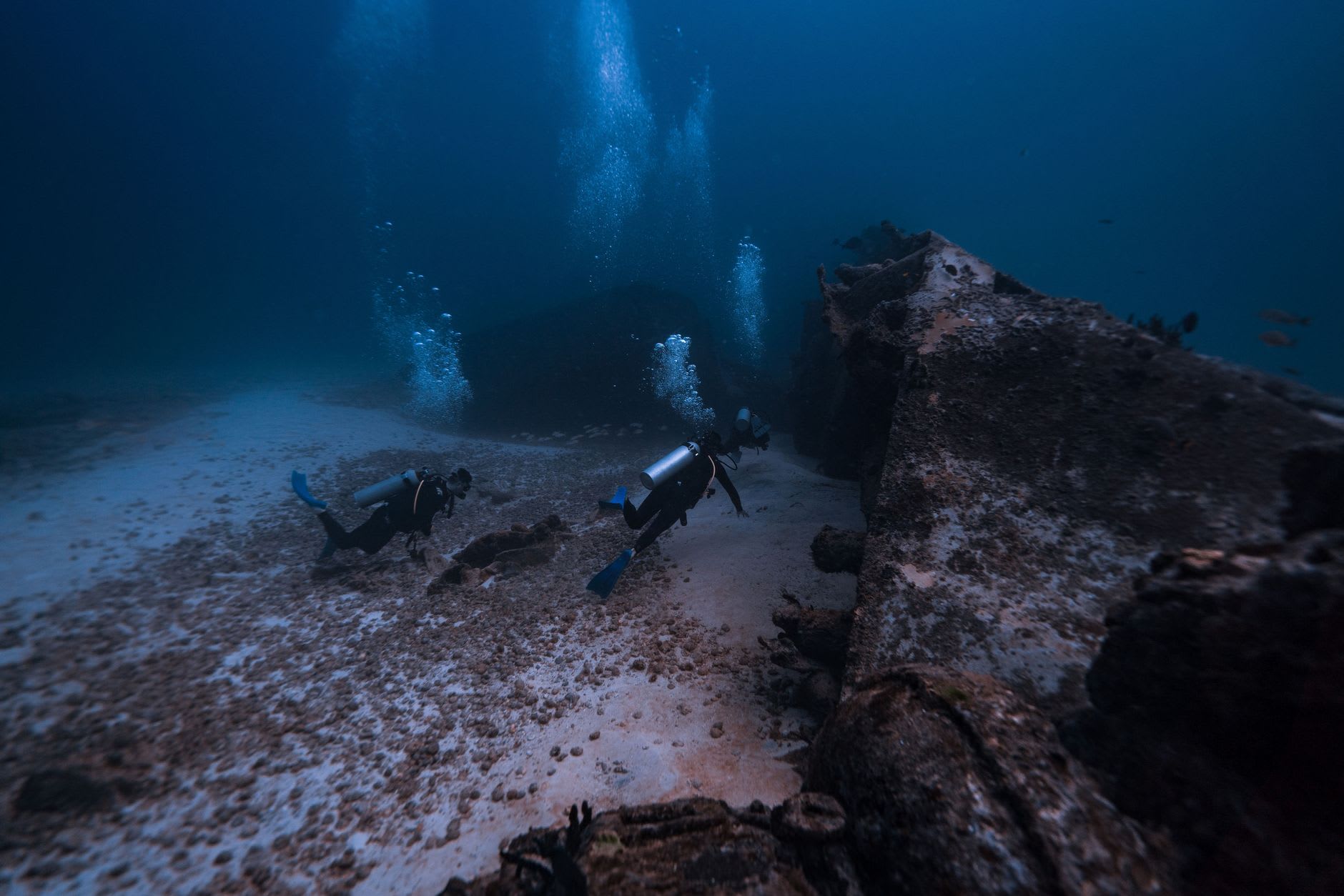
The interior is the reason to come back for a second dive. The hatches are open and the companionways are wide enough to move through comfortably with proper buoyancy — this is not a penetration dive that requires technical training, it is designed for recreational exploration. The engine room in particular held my attention: a large space, still recognizable as what it was, the machinery bolted in place and now serving as substrate for soft coral and the occasional cleaning station where small fish work over larger ones with professional efficiency. I spent about twelve minutes in the engine room on my second dive and came out into the main corridor trailing a school of glassfish that scattered when I emerged.
The marine life on the Kittiwake has benefited from fifteen years of artificial reef development in a way that is measurably different from the surrounding sand. Green moray eels occupy the lower decks and are large enough to be faintly alarming on a first encounter, though they are completely accustomed to divers and ignore you with the practiced indifference of animals that have learned that humans in wetsuits are largely harmless and boring. There is a resident population of large barracuda that hangs in the water column above the stern, which is unsettling the first time you surface and find them at eye level.
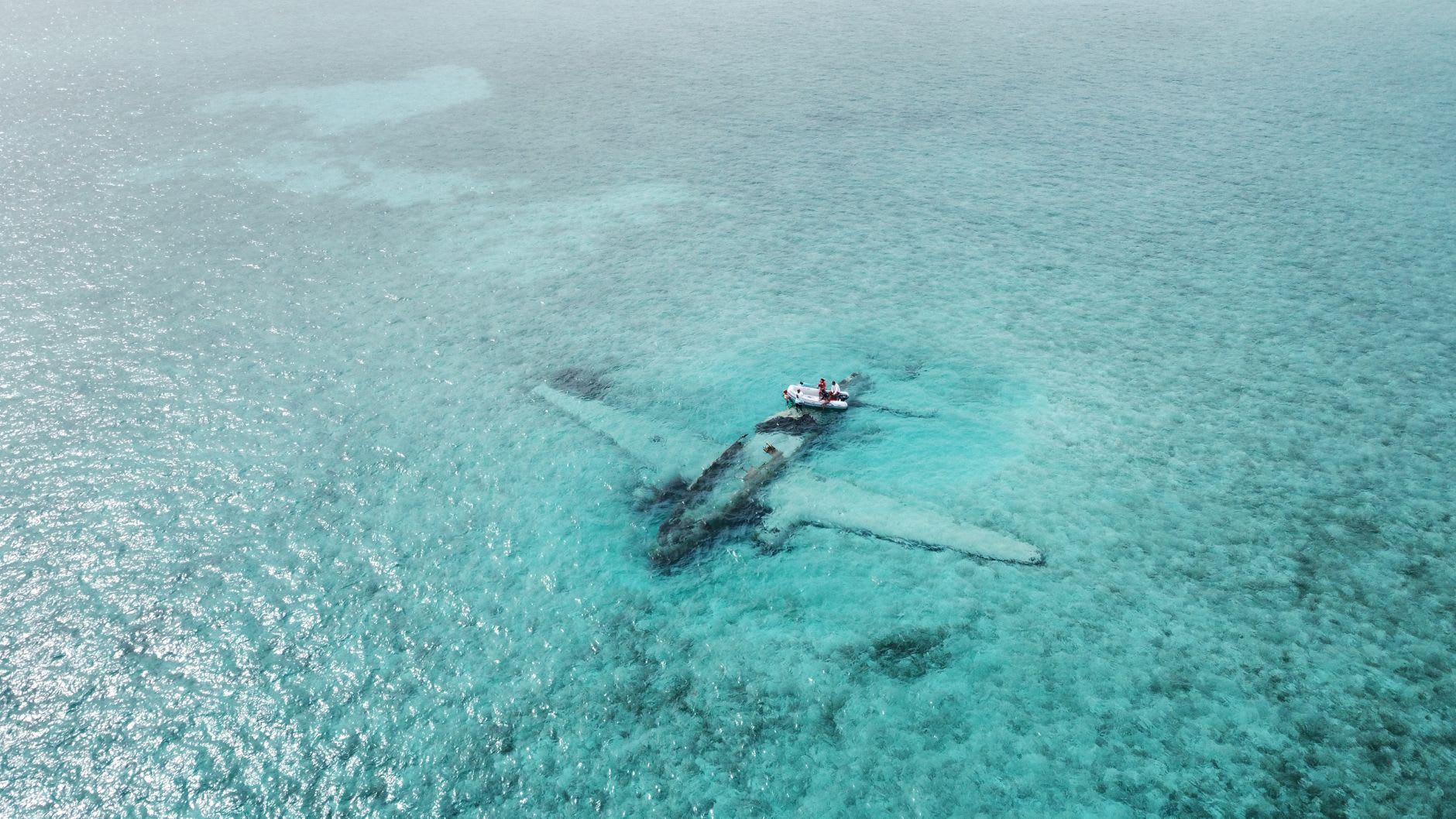
The snorkeling is valid too, though I am always slightly ambivalent about recommending it on a proper wreck site. The upper superstructure sits in about five to ten meters and is visible from the surface, and the snorkeling community that frequents the site on the afternoon boats gets a genuine impression of the size of the thing. But the engine room and the lower interior belong to divers, and this is a dive that argues for certification as compellingly as anything I have encountered.
When to go: The Kittiwake is diveable year-round and the offshore location means it is sheltered from most wind directions. Visibility is typically best from December through May. Early morning dives — the first boat out — offer the fullest access to the interior before the afternoon traffic builds up on the site.