Camana Bay
"The fish fry on Thursday night is where Cayman stops performing for tourists and starts being itself."
Thursday evening I followed smoke. It was coming from somewhere near the water, coal-drum smoke with the sweetness of jerk seasoning layered over it, and it was moving through Camana Bay’s main boulevard with enough persistence that I changed direction twice following it before I found the source: a row of coal drums set up in the open square, each one tended by someone who clearly had a system — the marinade timing, the turn frequency, the moment when the skin crisps without the meat drying. This was the weekly fish fry, and it drew what felt like the full cross-section of Grand Cayman on that particular evening.
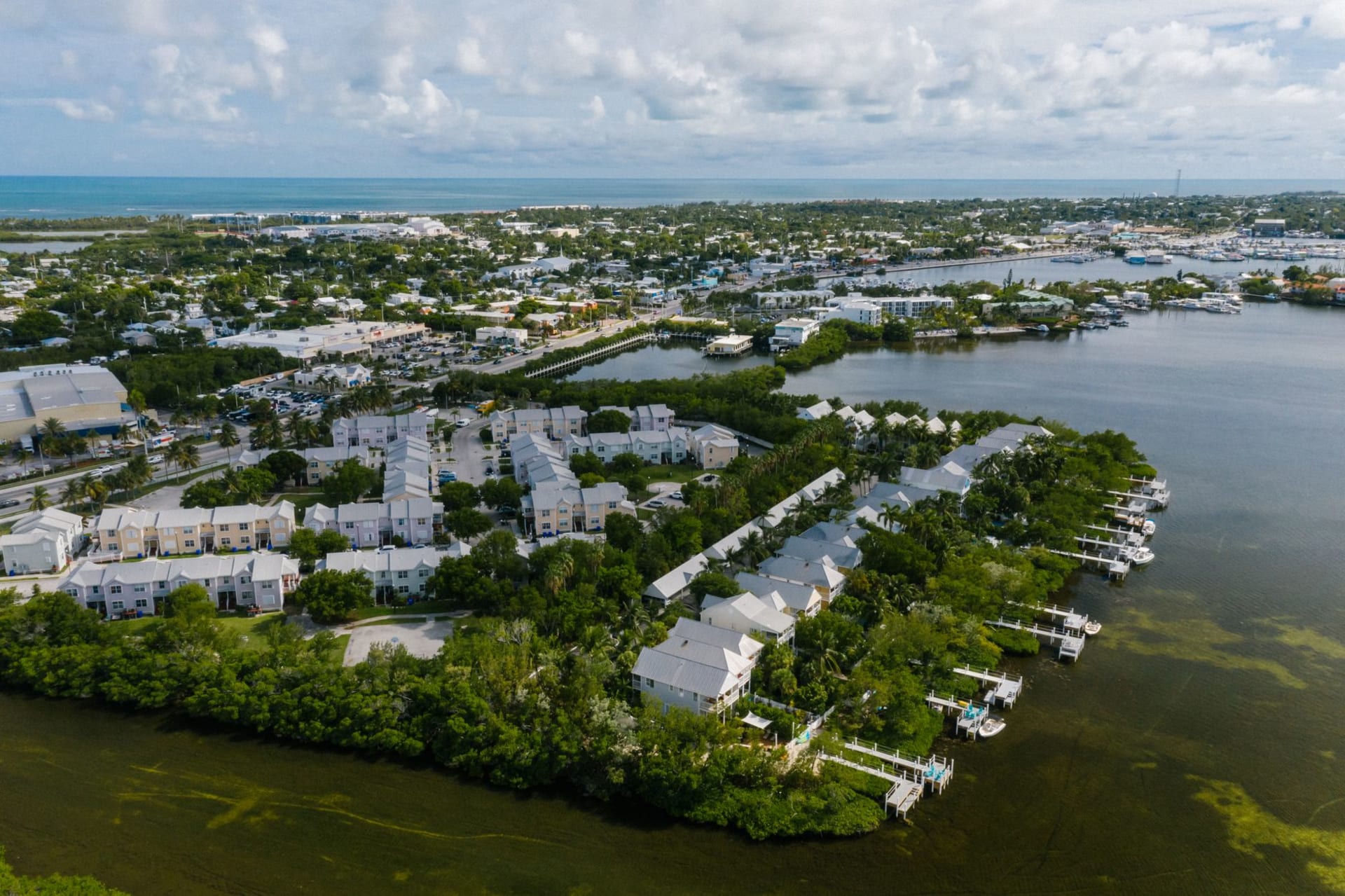
Camana Bay is a planned community in the technical sense: it was built from scratch on reclaimed land along the North Sound, designed to look like a Caribbean town center even though no Caribbean town center has ever actually looked quite like this. The buildings are scaled correctly, the street widths feel human, the waterfront promenade is broad and well-lit and lined with restaurants and shops that are a cut above the cruise-ship-oriented retail of George Town. It should feel artificial. Occasionally it does. But Thursday nights defuse that, because the fish fry is not a constructed event — it is a local institution that happens to take place in a planned setting, and the people who come to it are not coming to perform authenticity. They are coming for the jerk chicken.
I ate well there. The chicken came off the drum with a char on the outside that had that particular smoky sweetness you only get from cooking over real coal, and the meat inside was still just slightly pink near the bone, which is how it should be and which a lot of places are afraid to do. There was also fried fish — snapper, I think, though I did not ask — and a version of rice and peas that was more coconut-forward than I had had elsewhere on the island. I ate standing at a high table with a beer from a cooler and felt, briefly, like I had managed to find the real version of something.
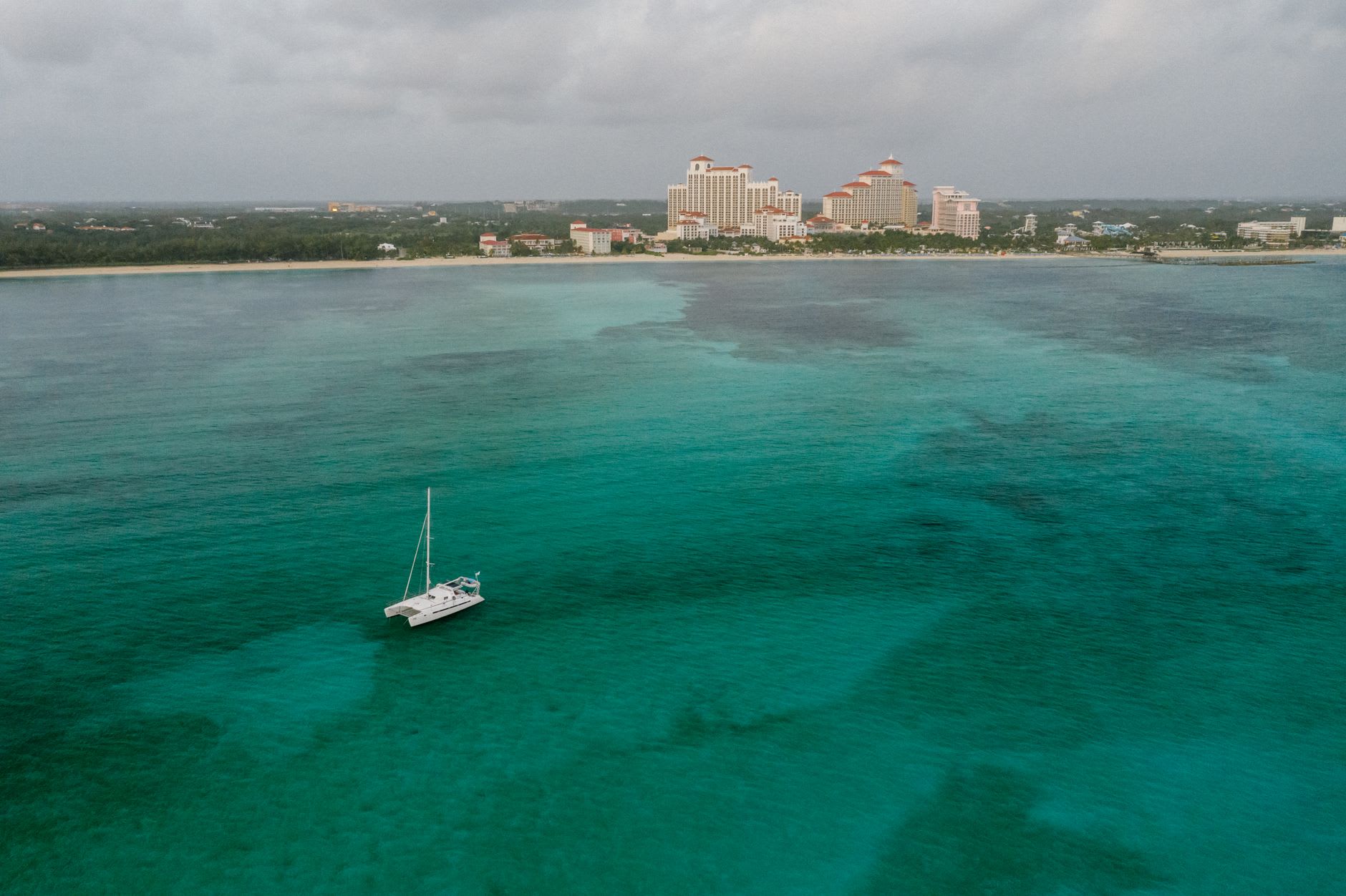
The waterfront itself is worth exploring on any evening. The boardwalk runs along the North Sound, and on calm evenings the water takes the light from Camana Bay’s restaurants and holds it in long reflections. There is a tower at the center of the development that you can climb for a view across the Sound toward the sandbar where Stingray City operates. I went up in the late afternoon and watched the last tour boats of the day returning, their passengers visible even from a distance as small standing figures in the bow, damp and content.
The morning farmers’ market is a smaller but equally genuine affair: local vegetables, honey, hot sauces made by people who also grow the peppers, baked goods with the texture of things made in someone’s home kitchen because they were. I bought a jar of pepper sauce from a woman who told me the recipe had belonged to her grandmother and that she had adjusted it slightly to be less dangerous. I used the whole jar over four days and thought she might have undersold her grandmother.
When to go: Thursday evenings are the reason to time a visit here. The fish fry starts around six and winds down by nine or ten. The Saturday morning farmers’ market runs eight until noon. The waterfront restaurants are open year-round, and the walking is pleasant on any dry evening, though the summer months bring intermittent heavy rain that can interrupt outdoor plans without much warning.