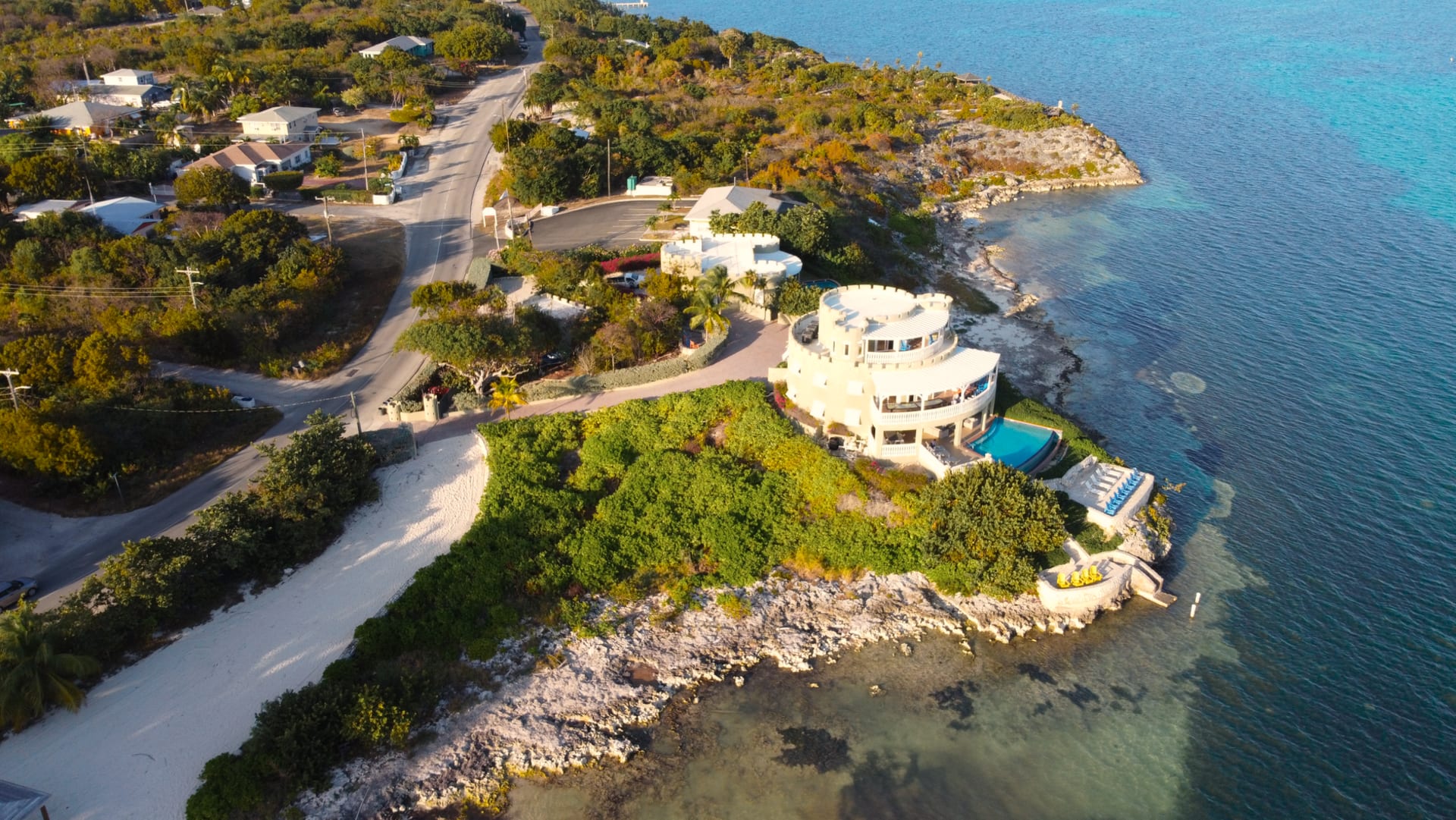
Bodden Town
"The oldest graves in Cayman have no names. Just stones the sea has been shaping since before the island knew what tourism was."
The graves are right at the water’s edge, which is either the most beautiful or the most unsettling thing about Bodden Town depending on what you bring to them. They are old — some date to the eighteenth century — and they are made of the same ironshore limestone that the island is built from, which means they have been shaped by two centuries of salt air into something smoother and more abstract than their original forms. The sea is ten meters away. At high tide on a rough day, the spray reaches the oldest stones. I stood there for longer than I had planned, looking at the graves and then at the water and then back at the graves.
Bodden Town was Grand Cayman’s first capital, before George Town grew and the commercial gravity shifted west. The town center, such as it is, sits along a stretch of road about thirty minutes east of George Town: wooden houses painted in pale greens and yellows, a church with a corrugated roof, a post office that is open on uncertain hours, a few small restaurants serving Caymanian food with the matter-of-factness of places that do not need to explain themselves to anyone.
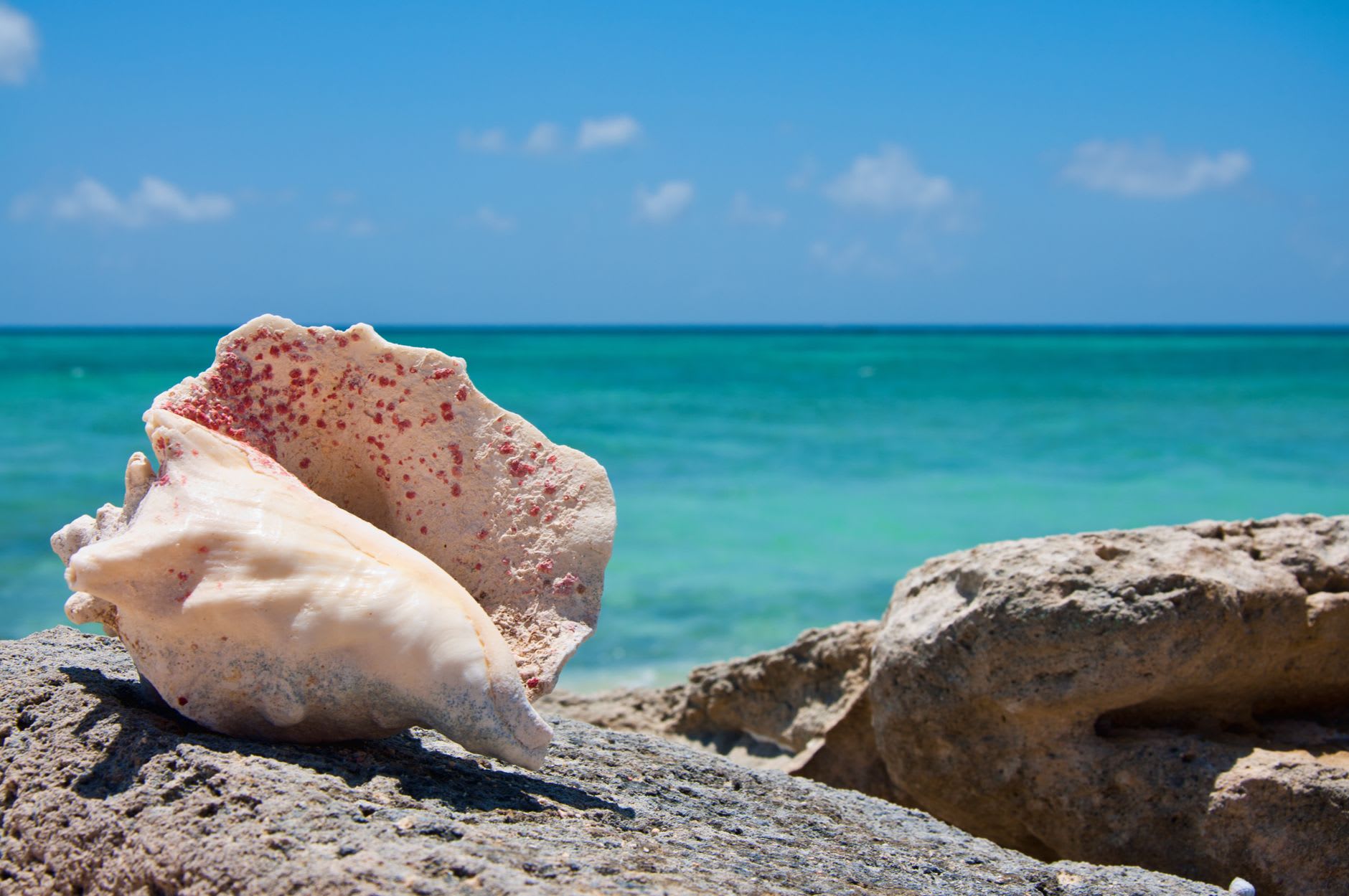
The Pirate Caves are the main tourist draw, and they are what they are: a network of small caves in the ironshore that legend connects to pirate treasure and which local enterprise has developed into a small attraction complete with tame parrots at the entrance. The caves themselves are genuinely ancient — water formed them, the sea shaped them — and the legends are genuinely old even if the treasure is, almost certainly, not there. I paid the entrance fee and took the tour and the young man who led it clearly loved the story he was telling, embellishing the pirate history with details that probably outran the historical record but did so with such enthusiasm that I found myself invested anyway.
What holds me about Bodden Town is not the caves or the graves or the history specifically, but the overall texture: a place that was the center of something and is now beside the point, economically speaking, and has responded to that by simply continuing to be what it was. The fishing boats are still pulled up on the ironshore in the morning. The families on the main road have been there for generations and own their houses with the settled confidence of people who have watched the tourist economy redistribute itself without being destabilized by the redistribution. The old Captain’s House — a coral-stone building that has been standing longer than anyone currently alive — sits on a corner with the authority of something that has outlasted several theories about what this island should be.
I had lunch at a small place on the main road — a window in a concrete building, a menu written on a whiteboard, turtle stew and rice and peas and a glass of something called Irish Moss that tasted faintly of seaweed and vanilla and turned out to be a traditional Caribbean tonic drink. The turtle stew was the first I had tried in Cayman: dark, heavily spiced, with a texture closer to pork than fish, carrying a deep brininess that I could not identify from any other reference. I ate it slowly, sitting on a plastic chair outside, while a cat regarded me from a fence post with the professional neutrality of a cat that has seen many confused visitors work through turtle stew for the first time.
When to go: Bodden Town is a year-round destination in the sense that it does not depend on weather. The morning is the best time — the fishing boats are out, the road is quiet, and the ironshore graves catch a low eastern light that is ideal for the philosophical mood the place encourages. A Thursday visit pairs naturally with the evening drive to Camana Bay for the fish fry.