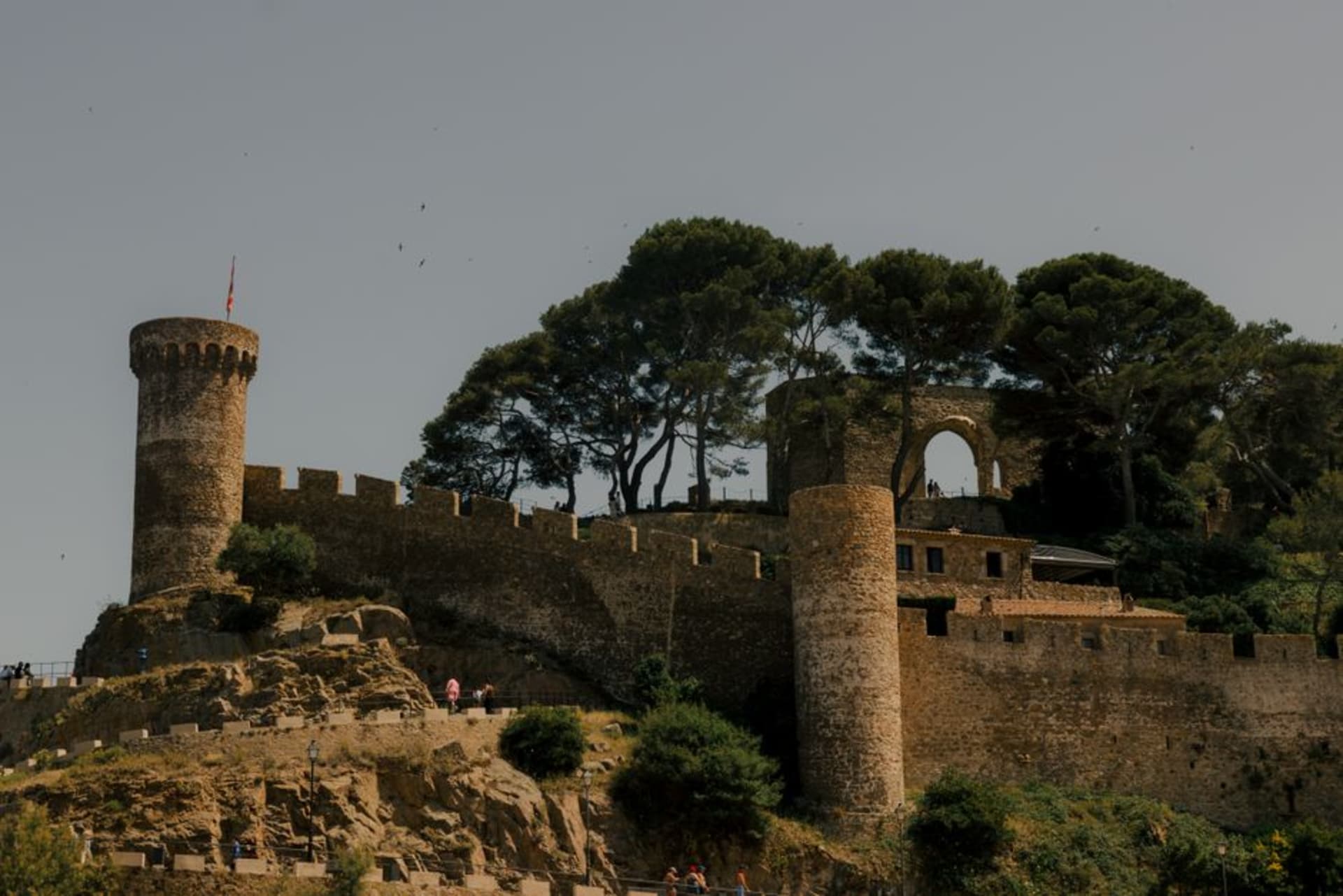
Tossa de Mar
"Lia said it looked like a postcard. I told her it was better, because postcards don't smell like grilled sardines."
A fortified medieval town on the Costa Brava where Chagall found his blue paradise above a crescent of sand.
We drove up from Barcelona on a whim, no real plan except a name Lia had circled in a guidebook months earlier: Tossa de Mar. I remember the road narrowing as it curved along the coast, and then that first glimpse of the Vila Vella rising above the water, walls and towers stacked on a headland like something out of a story someone forgot to finish telling. I hadn’t expected a fortified medieval town to still be standing so intact on this stretch of coast — it’s one of the last of its kind on the whole Catalan shoreline, built between the 12th and 14th centuries, and walking through its gate felt like stepping out of the parking lot and several hundred years sideways at once.
We spent the first evening just wandering the old streets inside the walls, no destination, stopping wherever the light looked good. That’s how we found the little monument to Marc Chagall on the coastal path — he came through in 1934 and apparently called the view a “blue paradise,” which sounds like the kind of thing you say when you’re trying not to cry from how beautiful something is. Standing there at golden hour, watching the sea go that impossible shade of blue-green below the ramparts, I understood exactly what he meant. Lia took about forty photos of the same view and still wasn’t satisfied with any of them.
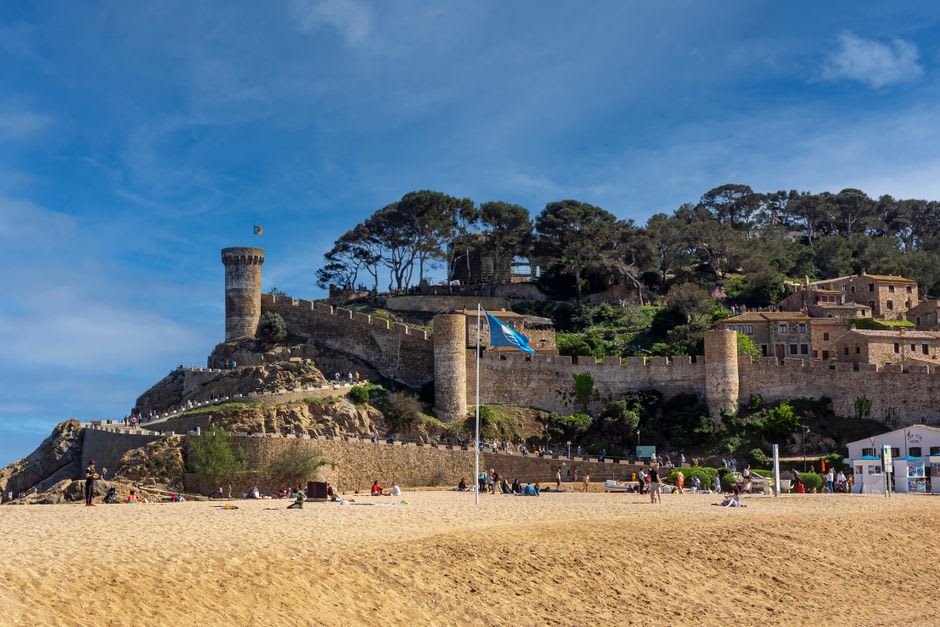
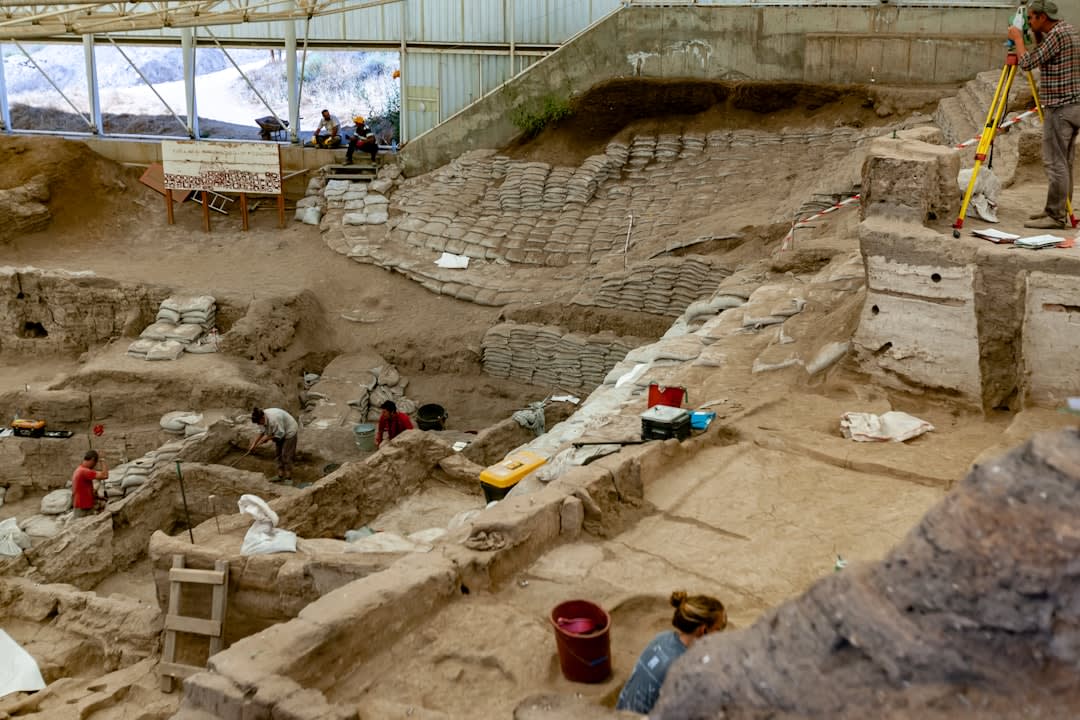
What surprised me most, honestly, was learning how far back this place goes beneath the medieval surface. There are Roman remains scattered around town, including a 1st-century BC villa with mosaic floors that archaeologists uncovered back in 1914. We found the site almost by accident, tucked away from the main tourist path, and stood there for a long while just trying to picture Roman feet on those same floors, centuries before anyone thought to build a castle on the hill above. Later we climbed up to the lighthouse — built in 1917 right on the old castle grounds — and ate a slow lunch on the terrace nearby, watching fishing boats thread in and out of the harbor while the crescent beach curved below us like a held breath.
By our last morning we’d fallen into a rhythm: coffee near the harbor, a swim before the beach filled up, then back up into the old town to get lost again in streets we’d already walked twice. Tossa de Mar has a way of feeling both monumental and completely unhurried, which is a rare combination. I keep thinking about that lighthouse view, and about how a town can hold a Roman villa, a medieval fortress, and a Chagall painting’s worth of blue, all within a walk of about fifteen minutes.
When to go: We went in early June and had the ramparts almost to ourselves in the mornings — May, June, or September give you that same warm light and a much quieter old town than the packed heat of July and August.