Europe
Catalonia
"Catalonia doesn't ask you to understand it. It just refuses to be ignored."
The first thing I noticed arriving into Catalonia from the French side was how quickly the landscape stopped apologizing for itself. The Pyrenees don’t fade gently into Spain here — they just end, dramatically, and then the coast takes over. I came in by train through Portbou, the old border town, and by the time we hit the Costa Brava I’d given up trying to read and was just staring out the window like a tourist. Which I was, I suppose. But Catalonia has a way of making you feel you’ve arrived somewhere that actually matters.
Barcelona is the obvious entry point and it earns its reputation, though not always for the reasons people expect. I’ve done the Sagrada Família twice, and I’ll do it again — Gaudí was operating in a completely different dimension from everyone around him. But the Barcelona I remember most is the one at seven in the morning: the Boqueria before the tour groups arrive, a glass of cava at a zinc bar somewhere in El Born, the smell of anchovies and coffee mingling in a way that shouldn’t work but does. In the evenings, the Barceloneta neighborhood fills with that particular Mediterranean ease — locals eating late, kids running between tables, nobody checking their phone. I had a plate of fideuà there that I still think about.
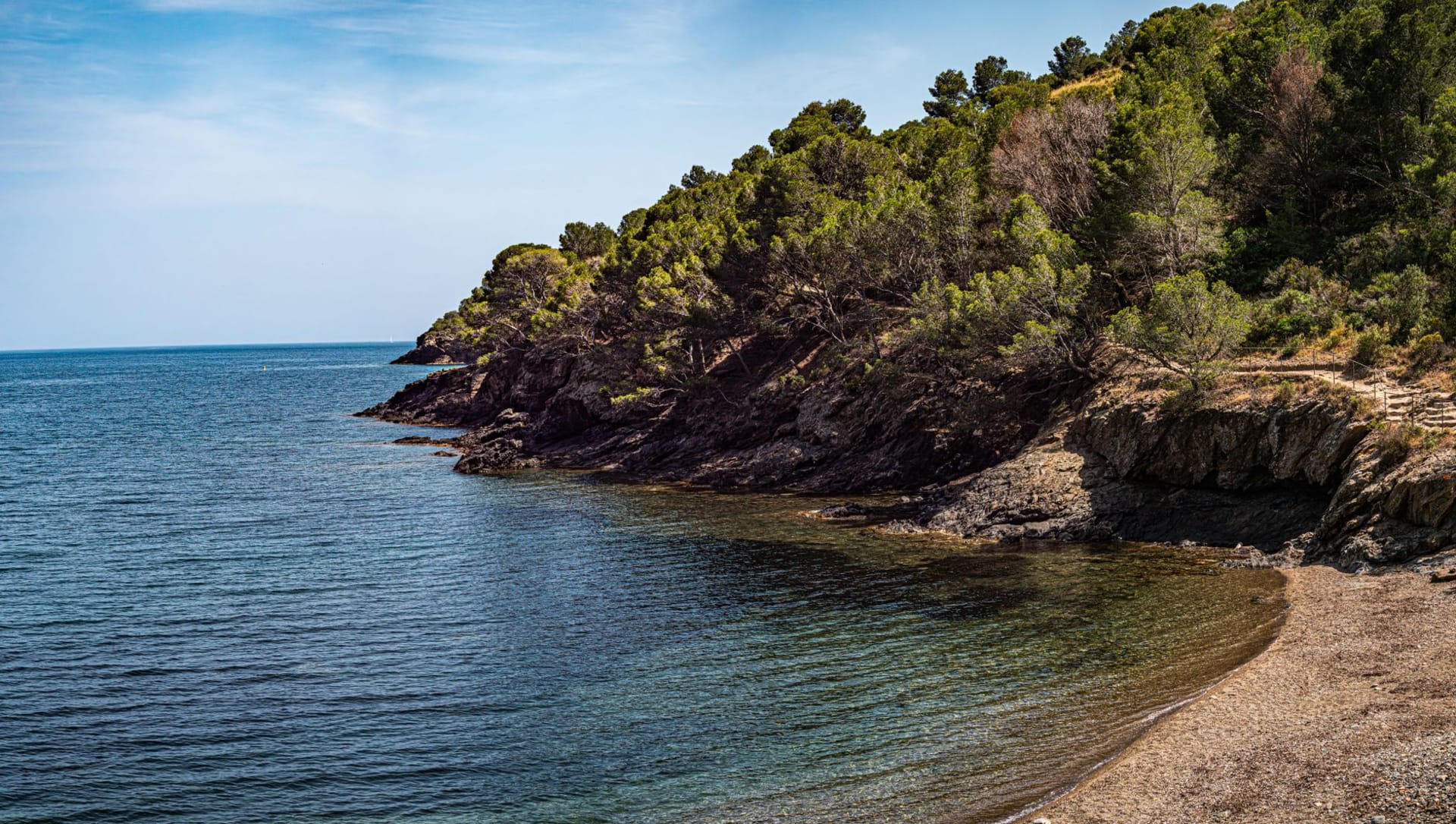
Away from the capital, Catalonia reveals a quieter stubbornness. The medieval town of Besalú, its Romanesque bridge intact since the twelfth century, had almost nobody in it on a Tuesday in May. The Dalí Triangle — Figueres, Cadaqués, Púbol — maps a genius’s obsessions across a landscape that seems to invite surrealism: those craggy white rock formations at Cap de Creus look like they belong in a painting, which they do. And the northern Costa Brava, away from the summer resort crowds, still has coves you reach on foot where the water is the kind of clear that makes you feel slightly guilty for swimming in it.
When to go: May, June, or September. The summer heat is manageable on the coast but the crowds in August are not. May brings wildflowers to the Pyrenean foothills and empty beaches. September means warm water, cheaper accommodation, and Catalans who seem visibly relieved the tourist peak has passed.
What most guides get wrong: They treat Catalonia as a Barcelona trip with a day trip to Montserrat bolted on. The region’s real texture is in the interior — the volcanic landscape around Olot, the medieval villages of the Garrotxa, the vineyards of the Penedès where they’ve been making cava since before champagne was fashionable. Barcelona is a beginning, not a destination.