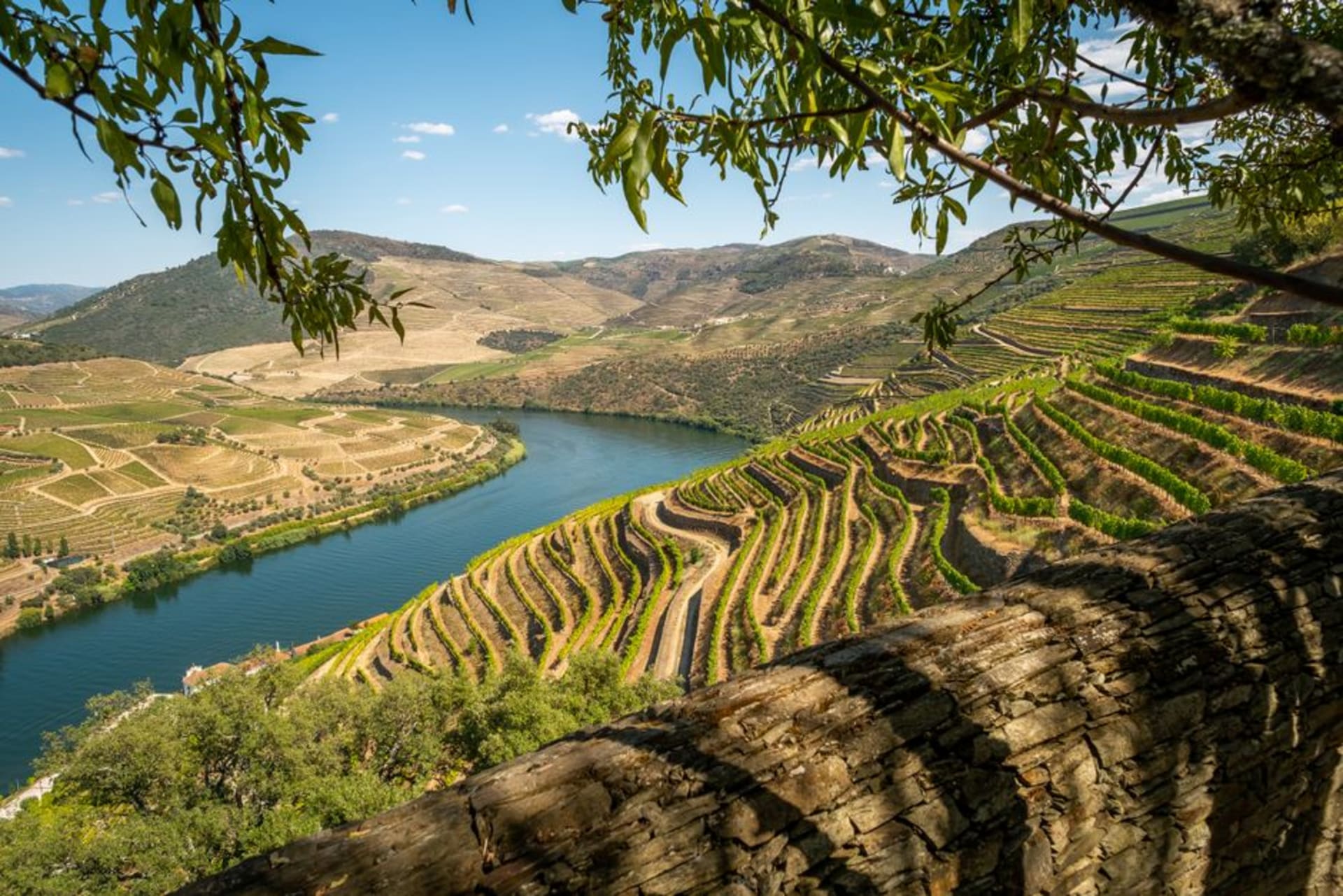
A rugged, slate-soiled wine region where monks planted the first vines eight centuries ago and Garnacha still tastes like the mountain it grew on.
I’d been warned about the roads into Priorat, and they weren’t exaggerating. The drive up from Falset twists through switchbacks so tight that Lia had her hand braced on the door handle the whole way, and I kept having to remind myself to watch the road instead of the vineyards clinging to the slopes on either side. That’s the thing about Priorat — you feel the terrain before you understand it. The vines here grow in llicorella, a dark, glittering slate that crumbles underfoot and forces roots to dig deep for water. Some of the plots are so steep that machinery is useless; farmers still work them by hand, or with a mule, the way they always have.
We based ourselves in Gratallops for three nights, in a stone house with a terrace that looked straight down into a ravine of vines. The first evening, the woman who ran the small bodega down the road poured us a glass of her Garnacha before we’d even asked for one, and I remember being startled by how concentrated it was — dense, almost peppery, with none of the softness I associated with Grenache elsewhere. She told us, half-proud and half-matter-of-fact, that Priorat and Rioja are the only two wine regions in Spain to hold DOQ status, the country’s highest classification. You could taste why. The slate doesn’t give the vines an easy life, and the wine doesn’t pretend otherwise.
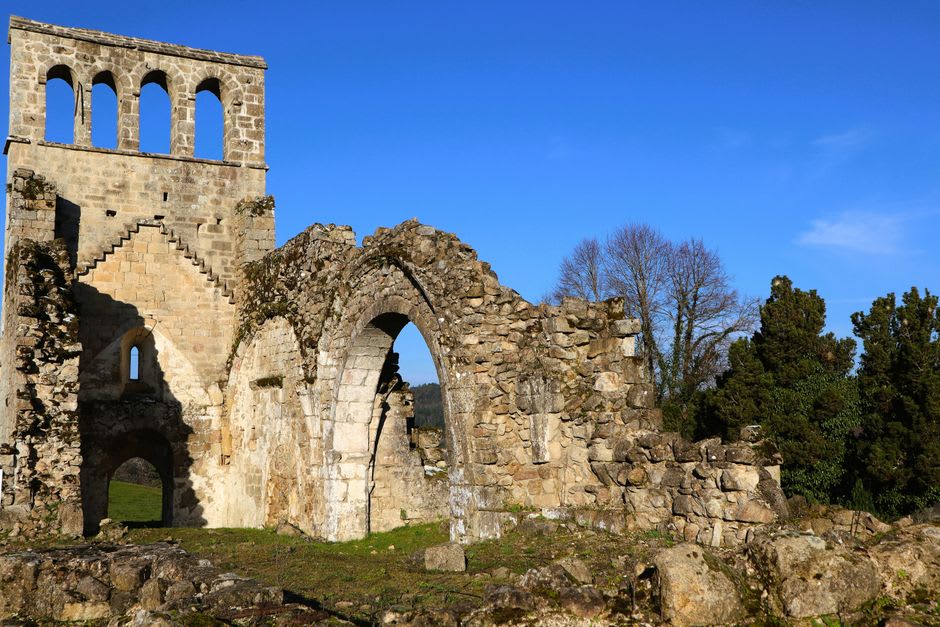
On our second day we drove out to Scala Dei, the ruins of the Carthusian monastery where this whole story supposedly began around 1194. Lia and I wandered the roofless nave in the late morning heat, and it was strange to stand in a place so quiet now, knowing the monks who lived here were the ones credited with planting Priorat’s first vines. There’s a small museum attached that traces the lineage from monastery to modern DOQ, and afterward we sat in the shade of the village bar with a plate of local cheese, looking back up at the mountains the monks had chosen to farm — not the easiest land, but clearly not by accident either.
We ended the trip in Porrera, a smaller and even quieter village than Gratallops, where an older man at the co-op winery let us taste a Cariñena straight from the tank, still a bit rough, and told us to come back in October if we wanted to see the harvest properly — pickers moving through terraces too steep for anything but hands and baskets. I believed him. Even in spring, with the vines barely budding, Priorat felt like a place that reveals itself slowly, in layers, the way its wines do.
When to go: Aim for September and October if you want to see the harvest in full swing, or come in spring when the terraced vineyard trails are cool enough for hiking and the villages are quieter still.