La Seu d'Urgell
"Lia pointed out that the bishop of this small town is technically a head of state, and I spent the rest of the afternoon trying to picture him doing anything remotely presidential."
A Pyrenean cathedral town whose bishop still co-rules Andorra, with a Romanesque church and an old town built for slow walking.

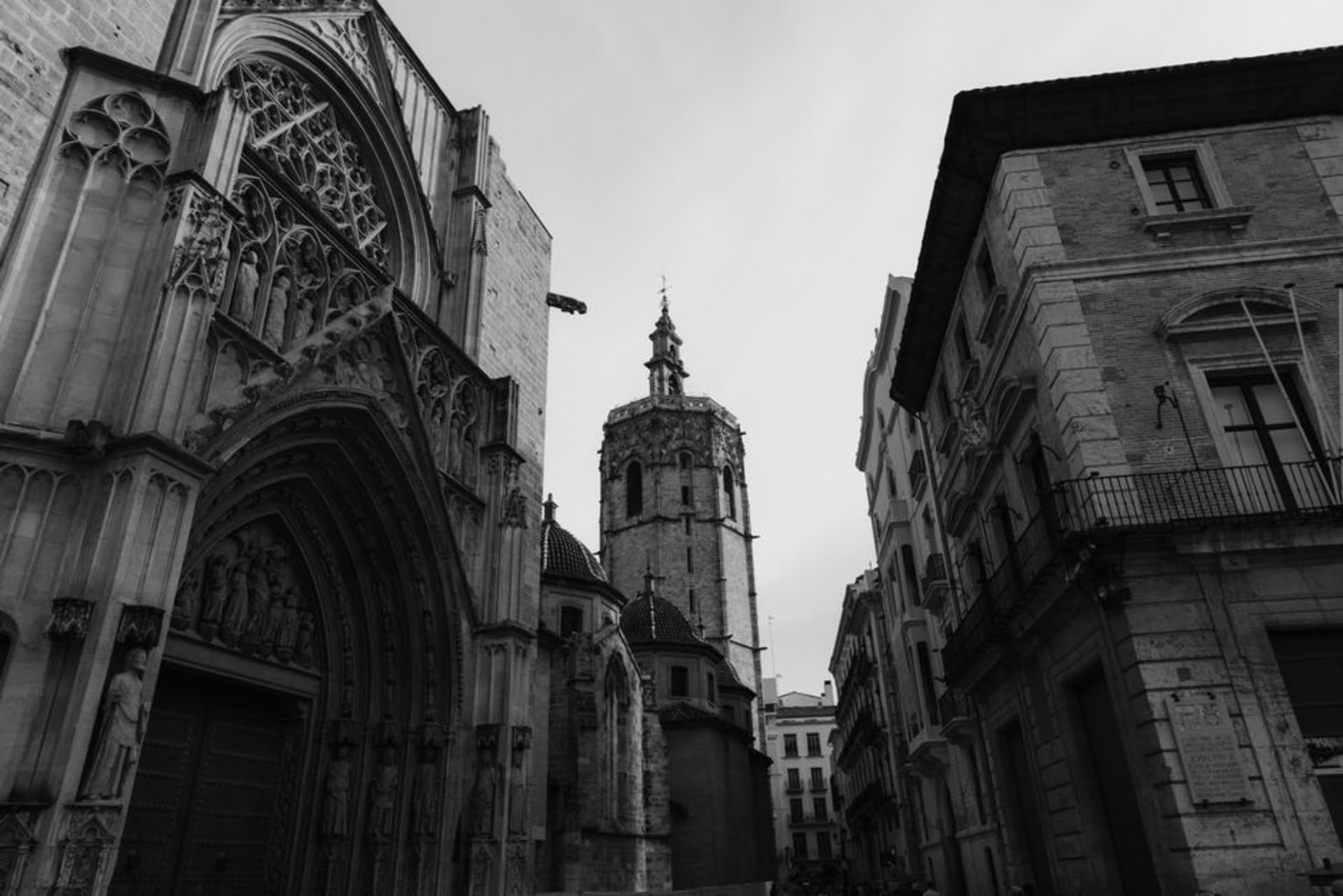
I knew La Seu d’Urgell had something to do with Andorra before we went, but I didn’t really grasp it until we were standing in front of the cathedral. The Bishop of Urgell, based right here, is co-prince of Andorra alongside the President of France — a genuinely strange leftover of medieval feudal arrangements that nobody ever got around to dismantling, so this quiet Pyrenean town technically shares sovereignty over a whole other country. You don’t feel the weight of that walking around, though. It’s a small, unhurried place, its old town a tight knot of covered arcaded streets — the carrers porxats — that keep the summer sun off and the winter wind out, depending on when you visit.
The cathedral itself, Santa Maria d’Urgell, is one of the better Romanesque buildings I’ve seen in Catalonia, and Catalonia does not lack for Romanesque buildings. Consecrated in the 12th century, it’s got that severe, blocky solidity to it, blind arcading running around the apse, a cloister next door with capitals carved with faces and animals that the ages have softened but not erased. We paid the small fee to see the diocesan museum attached to it, mostly for the Beatus manuscript they keep there, an illuminated 10th-century commentary on Revelation with genuinely unsettling imagery — dragons, angels, a lot of fire — that felt oddly current for something painted a thousand years ago.

We wandered the porxats mostly without a plan, which is really the right way to see this town. There isn’t a huge amount to “do” beyond the cathedral complex, and I mean that as a compliment — we stopped for coffee under one of the arcades, watched an old man set up a folding table of secondhand books, and didn’t feel like we were missing anything by not rushing to the next sight. The Segre and Valira rivers meet just outside town, which also made La Seu the site of the whitewater canoeing venue for the 1992 Barcelona Olympics, something I only found out later and found genuinely surprising given how sleepy the town center feels.
What struck me most, honestly, was the light. La Seu sits in a wide bowl of a valley with the higher Pyrenees visible on clear days beyond the nearer ridgelines, and in late afternoon the stone of the old town goes this warm gold that made even mundane doorways look worth photographing. We ate dinner on a terrace with that view doing most of the work for the restaurant.

It’s an easy half-day or overnight stop if you’re driving between Barcelona and Andorra, and worth actually stopping for rather than just passing through, which I think most people do.
When to go: late spring through early autumn for the valley light and outdoor cafés; it’s also a practical winter stopover en route to skiing in Andorra or Val d’Aran.
Keep exploring
More from Catalonia
 catalonia
Montserrat
A serrated mountain of impossible shapes rising from the Catalan plain, with a monastery clinging to it and the faithful still climbing.
Explore catalonia
Penedès
Catalonia's cava country — rolling vineyards south of Barcelona where sparkling wine has been made since before anyone called it that.
Explore catalonia
Priorat
A rugged, slate-soiled wine region where monks planted the first vines eight centuries ago and Garnacha still tastes like the mountain it grew on.
Explore catalonia
Ripoll
A quiet Pyrenean foothill town built around the monastery where Wilfred the Hairy is buried, often called the birthplace of Catalonia.
Explore catalonia
Sitges
A seaside town south of Barcelona with a whitewashed old quarter, a church on a rock above the waves, and an unembarrassed sense of fun.
Explore catalonia
Tarragona
A Roman capital rebuilt as a Catalan city, where amphitheater ruins meet the sea and the locals seem unbothered by the archaeology underfoot.
Explore