
Uçhisar
"The castle is not a metaphor. People lived inside it, and from the top you understand exactly why they never left."
A village built into an enormous natural rock castle — the highest point in Cappadocia, with the whole region spread below like a map of itself.

Uçhisar Castle is not a castle in the usual sense — there are no battlements, no drawbridge, no towers of cut stone. It is a natural formation: a single enormous mass of volcanic tufa rising forty metres above the village, riddled with cave openings on every face, connected internally by carved passages and staircases. People lived inside it for centuries, carving rooms as they needed them, until the rock was too perforated to be safe. When I climbed to the top on a clear morning in September, the view stopped me completely. The entire Cappadocian landscape spread out in every direction — the Göreme valley, the Rose Valley, the white spire of Erciyes volcano far to the south, fairy chimneys clustered in the middle distance, the patchwork of vineyards and orchards filling the flats between ridges.
The village of Uçhisar sits at the base of the castle and has evolved in recent years into what might be the most comfortable place to stay in all of Cappadocia. The boutique hotels here — many of them converted Greek mansions or cave complexes — tend toward a quieter, more design-conscious sensibility than the party pansiyons of Göreme. I drank coffee on a terrace overlooking the valley one morning and watched the balloons, twenty of them in the distance, drift east in a slow line, their colours fading as they rose.
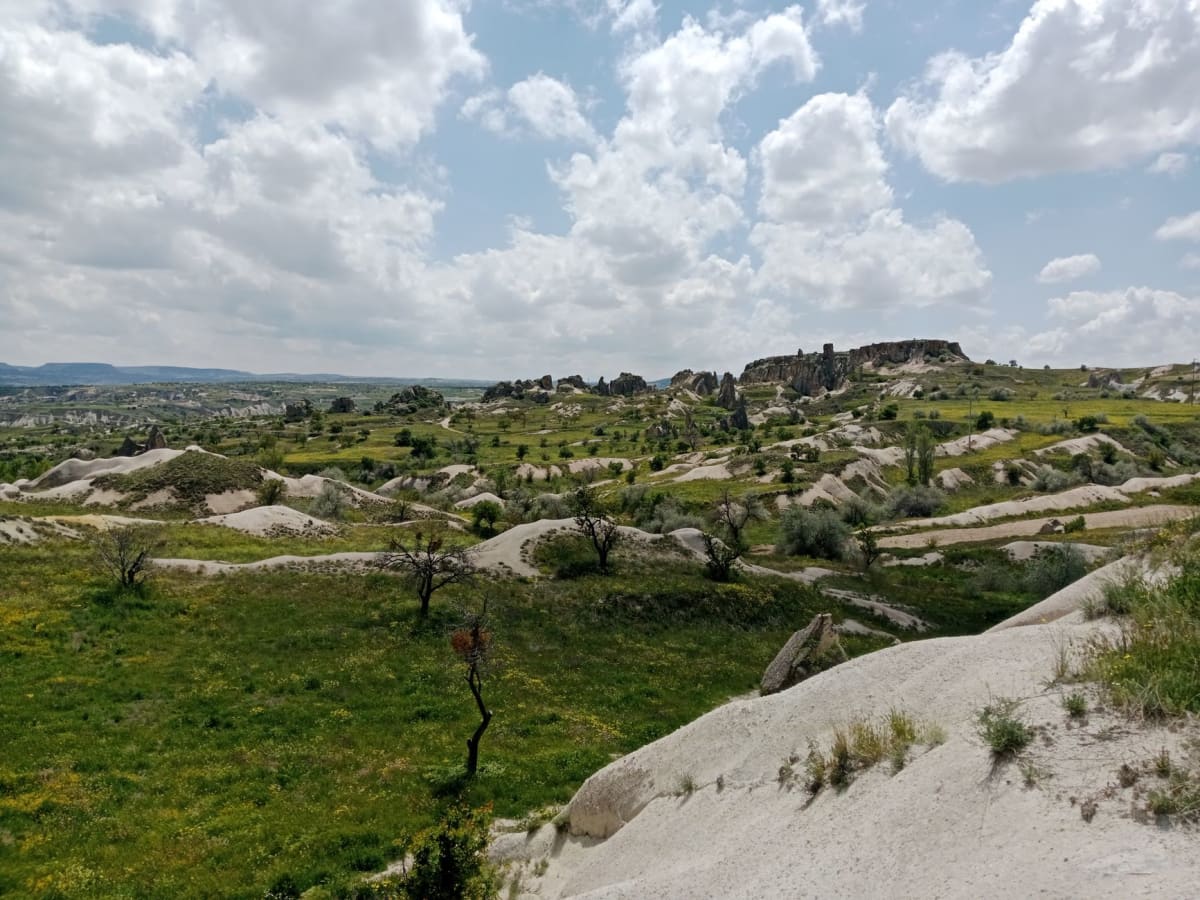
The village has a quietly French quality that some travellers find strange and others find charming — there are a disproportionate number of French-owned restaurants and galleries, the legacy of a wave of expatriate investment in the early 2000s. The restaurant terraces overlooking the valley are serious about food in a way that few Cappadocia options are. I had a lamb stew with dried apricots and pine nuts that arrived in a small clay pot, fragrant and deep, and ate it slowly while the afternoon light moved across the valley below.

The pigeon valleys — Güvercinlik Vadisi — extend north from Uçhisar and are worth a slow evening walk. The cliff faces are carved with hundreds of pigeon holes cut in decorative patterns, painted white around the openings to attract the birds. The pigeons were kept for their droppings, which fertilised the vineyards, a relationship of mutual accommodation that ran for centuries. The last light of the day turns the tufa gold and then quickly to grey, and the pigeons that still nest here come home in fluttering groups, dropping out of the air into their holes.
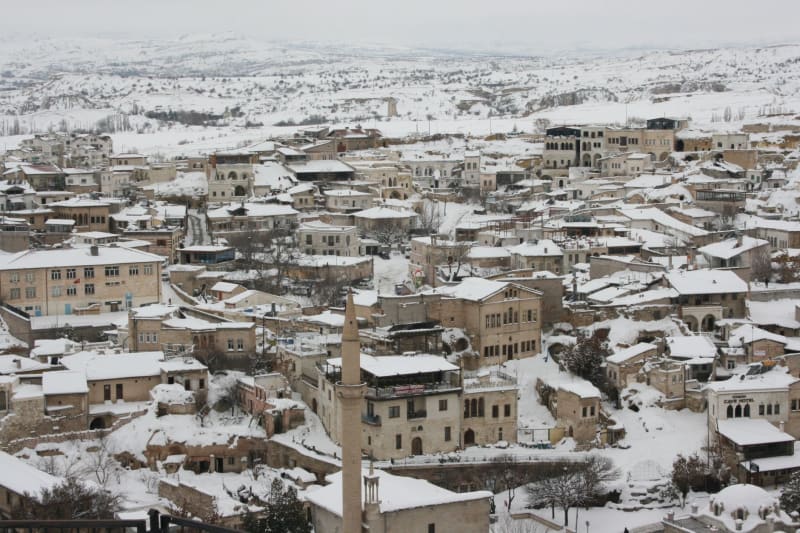
When to go: Uçhisar is pleasantly visited outside peak season — May and October are ideal. The castle is open year-round and the summit view in winter, on a clear day with snow on the valley floor, is one of Cappadocia’s finest rewards for the cold. The pigeon valley walk is best done in the last hour before sunset.
Keep exploring
More from Cappadocia
 cappadocia
Ürgüp
A town of stone-carved mansions and cave hotels where Cappadocian wine has been quietly getting very good.
Explore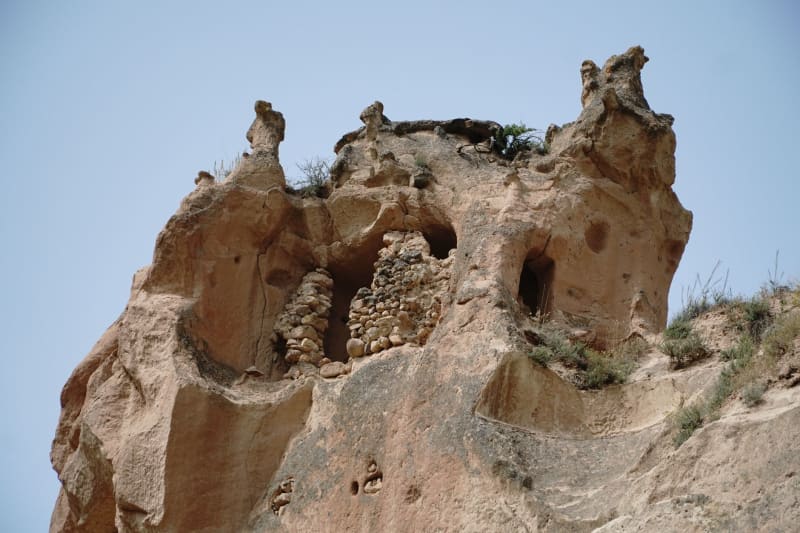 cappadocia
Zelve
An abandoned troglodyte village where three connected valleys of cave dwellings were inhabited until 1952 — and the emptiness still feels recent.
Explore cappadocia
Avanos
A riverside pottery town where the clay has been spinning on wheels for four thousand years and the craft is still completely alive.
Explore cappadocia
Çavuşin
A half-abandoned village stacked against a cliff riddled with cave houses, and the oldest rock church in Cappadocia hollowed into its base.
Explore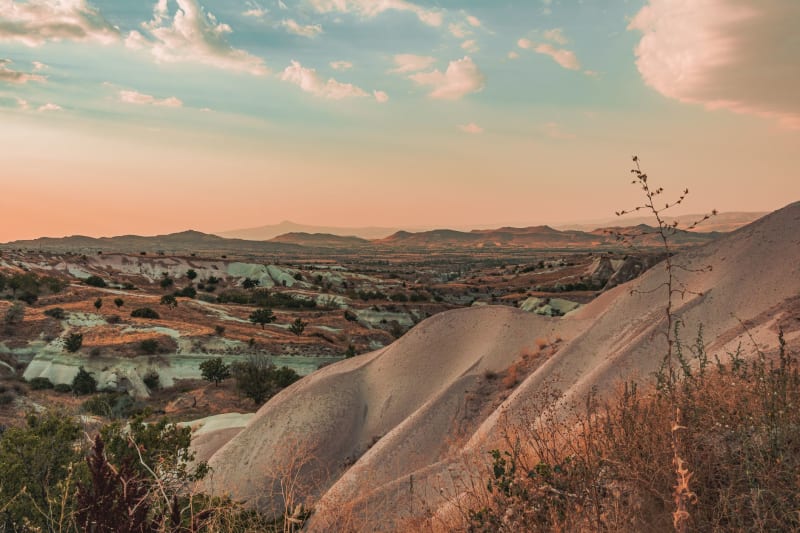 cappadocia
Derinkuyu
An underground city eleven stories deep, carved by hand into the earth — one of the most astonishing human constructions on the planet.
Explore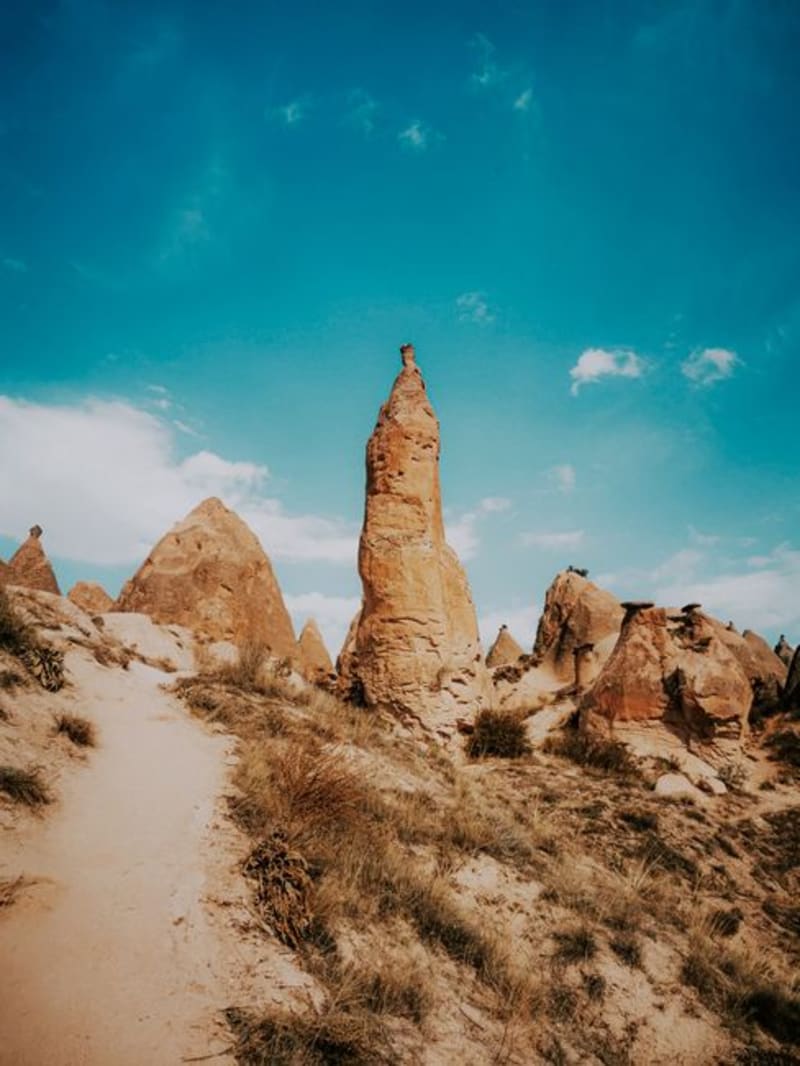 cappadocia
Devrent Valley
A bare, pinkish moonscape of fairy chimneys with no vegetation and no fee, where every rock seems to resemble some animal if you stare long enough.
Explore