Soğanlı Valley
"No tour buses reach the end of this valley, and that's exactly why I stayed three hours instead of one."
A remote valley of Byzantine rock churches and fairy chimneys wearing double stone caps, where grandmothers still sell handmade dolls at folding tables.
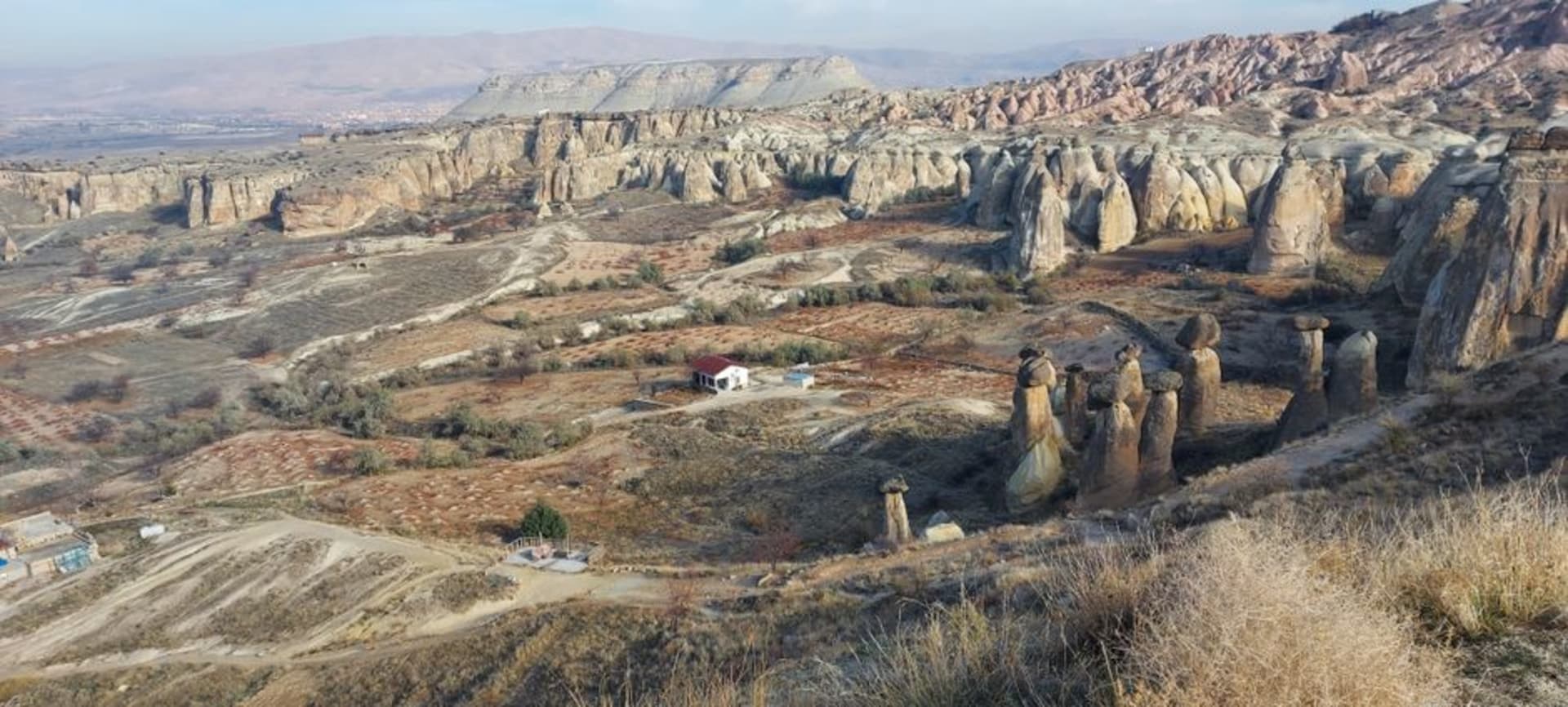
Soğanlı sits far enough south of the main Cappadocia loop that most day-trip itineraries skip it entirely, which is precisely why I went. The drive down through open farmland, past onion fields (the valley’s name literally means “place of onions”), gives no hint of what’s waiting once the road drops into the gorge — a cluster of fairy chimneys unlike any I’d seen elsewhere in the region, several of them capped not with one dark basalt boulder but two, stacked like a snowman’s head balanced on another head. Geologists will tell you it’s a quirk of uneven erosion; standing underneath one, craning my neck up at the improbable double-capped silhouette against the sky, I didn’t much care for the geology.
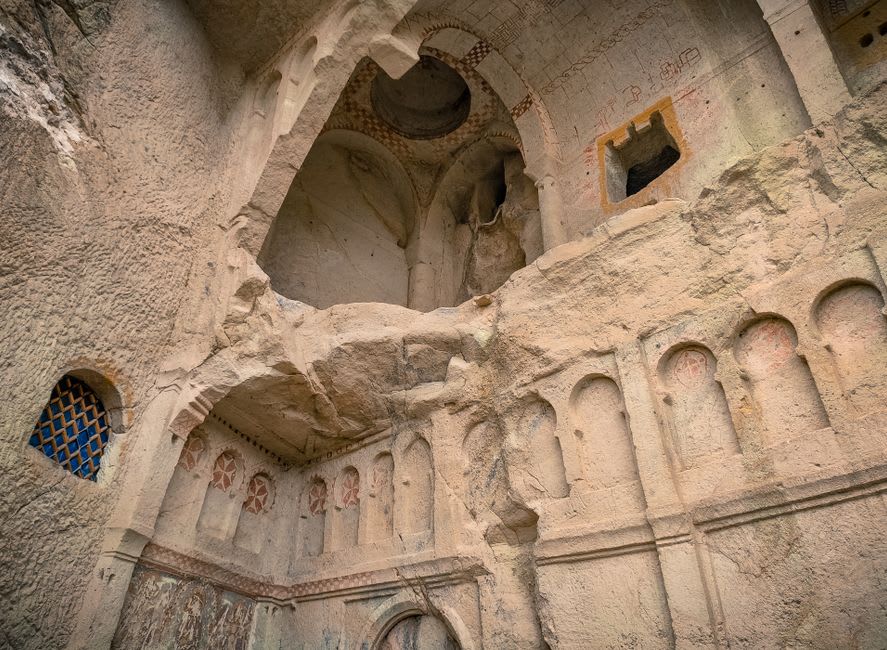
The valley holds a dense cluster of Byzantine-era rock churches, most from the ninth through thirteenth centuries, tucked into the cliffs on both sides. Karabaş Kilise, the “black hat church,” still has some of the best-preserved frescoes I saw anywhere in Cappadocia — a Last Judgment scene on the ceiling with colors that have held their reds and blues far better than the more famous churches in Göreme’s open-air museum, probably because so few visitors’ breath and camera flashes have touched them. I climbed a rickety wooden ladder into Yılanlı Kilise, the snake church, and stood alone in a chamber that maybe a dozen people see on an average day.
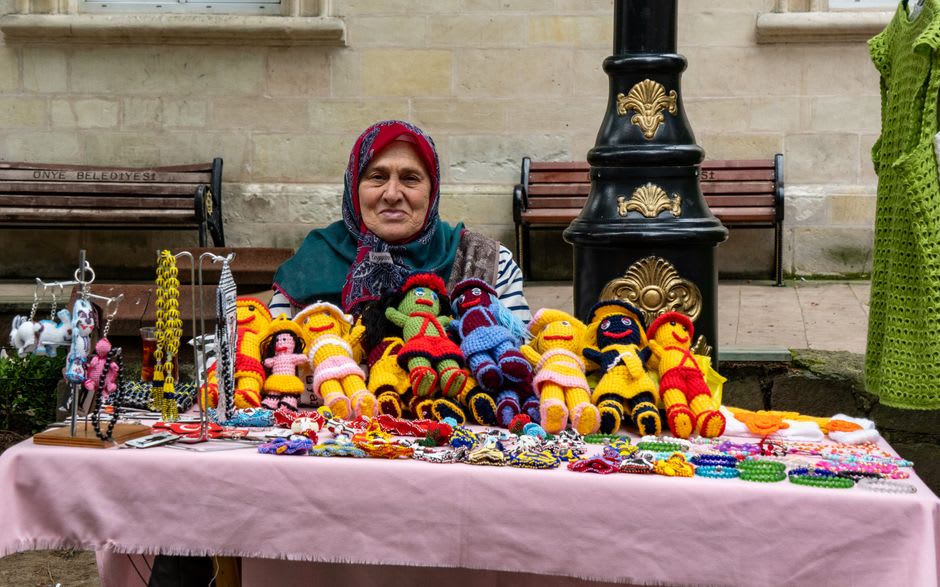
What I remember just as clearly, though, is the row of elderly women sitting outside the valley entrance at folding tables, selling hand-knitted socks, embroidered scarves, and cloth dolls stuffed with rags — the same trade their mothers and grandmothers ran here for generations. One of them, no English between us at all, pressed a small doll into my hands and named a price with her fingers, and I bought it not because I needed a doll but because the whole scene felt like something that won’t last another decade the way tourism is reshaping the rest of the region.
When to go: Spring and early autumn keep the walk between churches comfortable; bring cash for the doll sellers, who don’t take cards and shouldn’t have to. Go on a weekday morning if you want the valley entirely to yourself.