Paşabağı
"Somebody climbed one of these and lived up there alone for years. I got vertigo just looking up at the door."
The valley of triple-headed fairy chimneys where a monk once carved himself a hermit's cell inside the tallest cone, still visible near the top.
Paşabağı is the picture most people already have in their head when they imagine Cappadocia’s fairy chimneys, whether they know the name or not — a cluster of tall cones, several of them wearing not one but two or even three dark basalt caps stacked directly on top of each other, like a totem pole that grew out of the ground rather than being built up from it. It’s also called Monks Valley, and the reason becomes clear once you notice the small dark opening carved high up into the tallest formation: a hermit’s cell, reachable only by a rope or ladder that no longer exists, where a monk is said to have lived in isolation, praying and fasting, sometime around the sixth century.
I walked the short loop trail slowly, and it’s a genuinely strange feeling to look up at a doorway forty feet off the ground and try to picture the daily logistics of that life — how you’d haul up water, food, firewood, how you’d get down at all once age or illness caught up with you. A second, smaller chapel is carved into one of the chimneys nearby, its interior still showing a faint cross cut into the ceiling, and a vineyard runs along the valley floor between the formations, tended by a family who’ve apparently been growing grapes here since long before this became a stop on every Cappadocia itinerary.
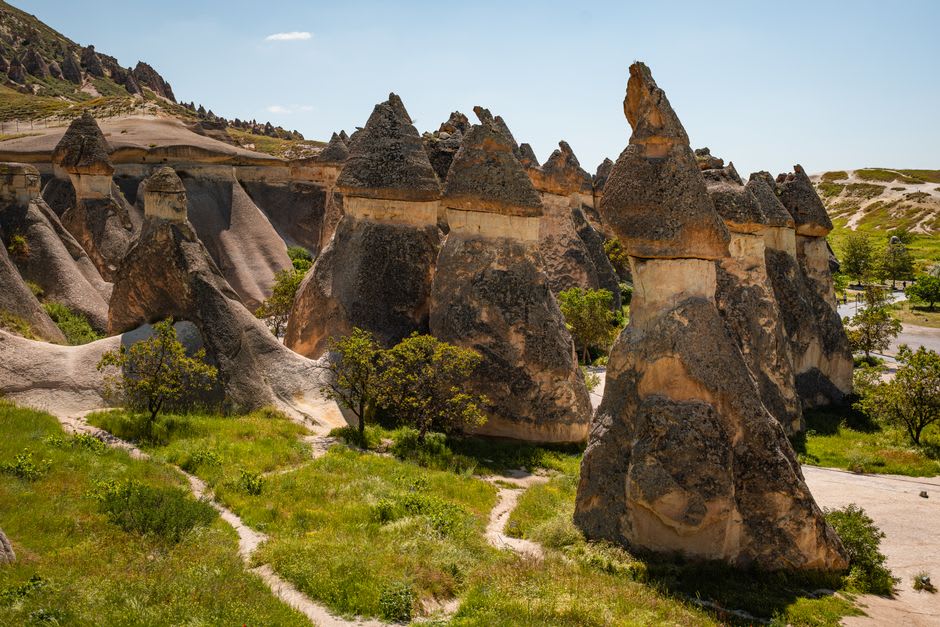
Because it’s one of the most photographed spots in the region, Paşabağı gets busy by mid-morning with tour groups working through a checklist of Cappadocia’s greatest hits, but I came back at dusk on my last evening and had the whole cluster of triple-headed chimneys to myself, the vineyard rows going dark around me, bats starting to move between the formations overhead.
When to go: Early morning (before 9 a.m.) or the last hour before sunset avoids the worst of the tour bus crowds. It’s a five-minute drive from Zelve and pairs naturally with a visit there.
Keep exploring
More from Cappadocia
 cappadocia
 Rose Valley
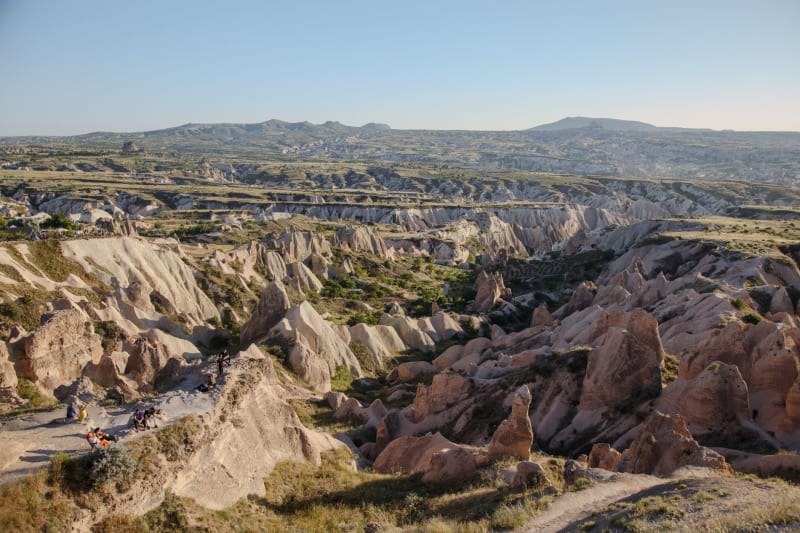
The valley that turns pink at sunset, whose rock shifts colour by the hour and whose trails connect Byzantine churches the tour buses never reach.
Explore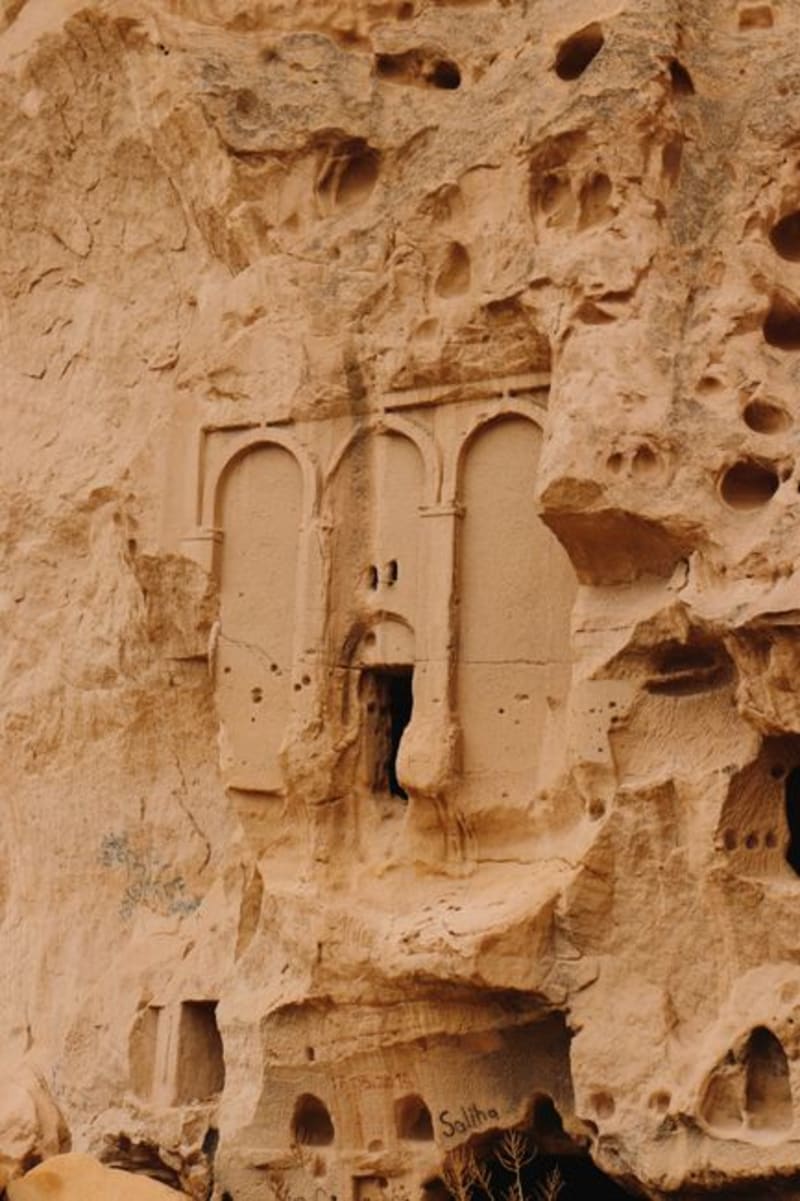 cappadocia
 Selime Monastery
A cathedral-sized monastery carved entirely into a single rock face at the northern mouth of Ihlara Valley, its cavernous halls big enough to feel like architecture rather than caves.
Explore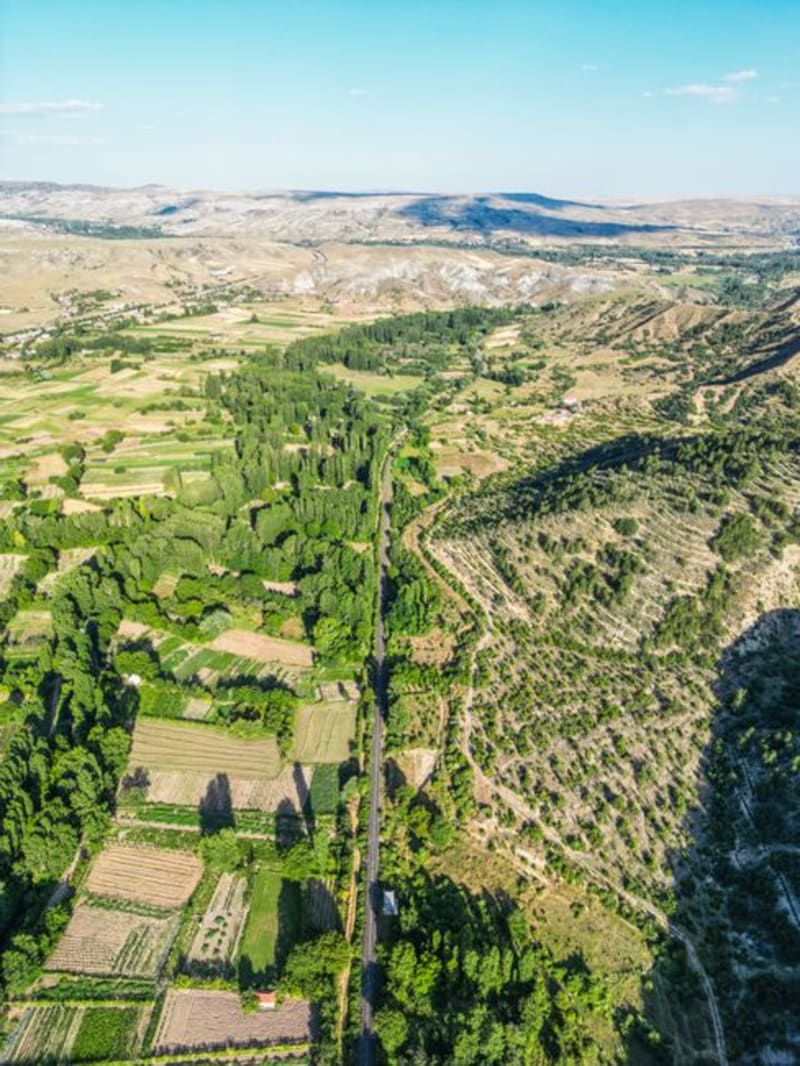 cappadocia
 Soğanlı Valley
A remote valley of Byzantine rock churches and fairy chimneys wearing double stone caps, where grandmothers still sell handmade dolls at folding tables.
Explore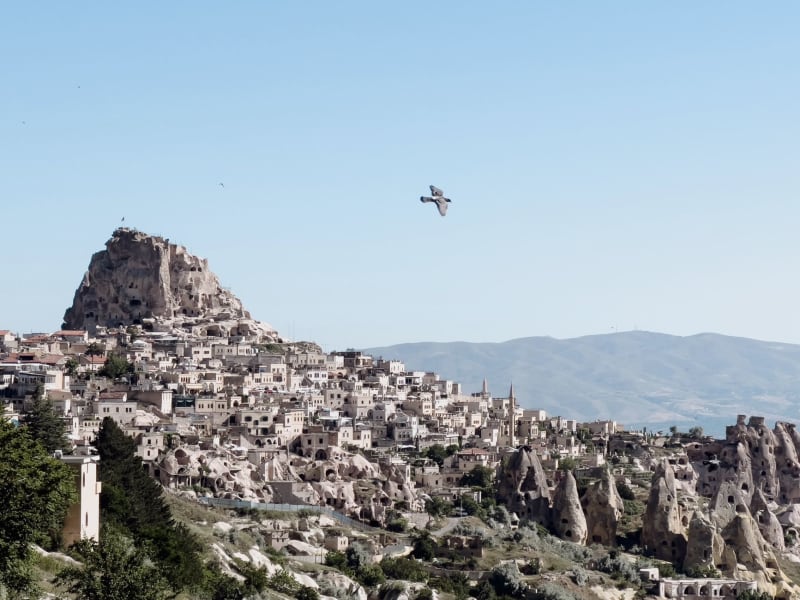 cappadocia
 Uçhisar
A village built into an enormous natural rock castle — the highest point in Cappadocia, with the whole region spread below like a map of itself.
Explore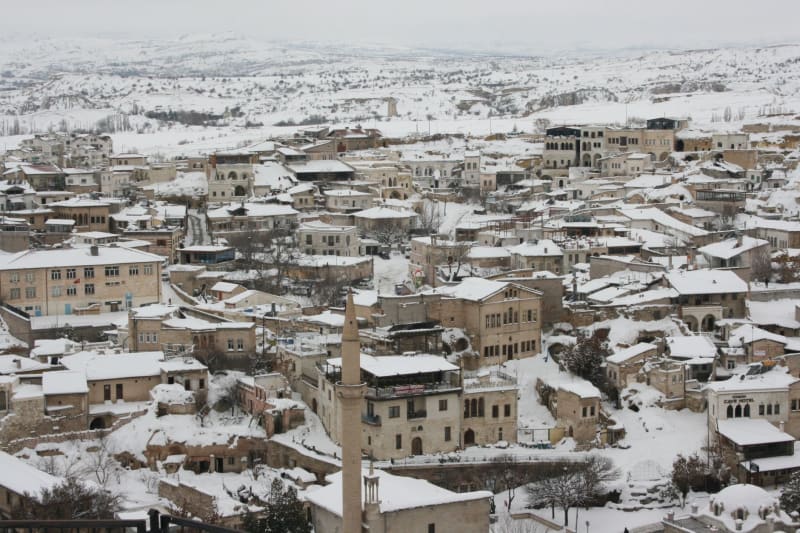 cappadocia
 Ürgüp
A town of stone-carved mansions and cave hotels where Cappadocian wine has been quietly getting very good.
Explore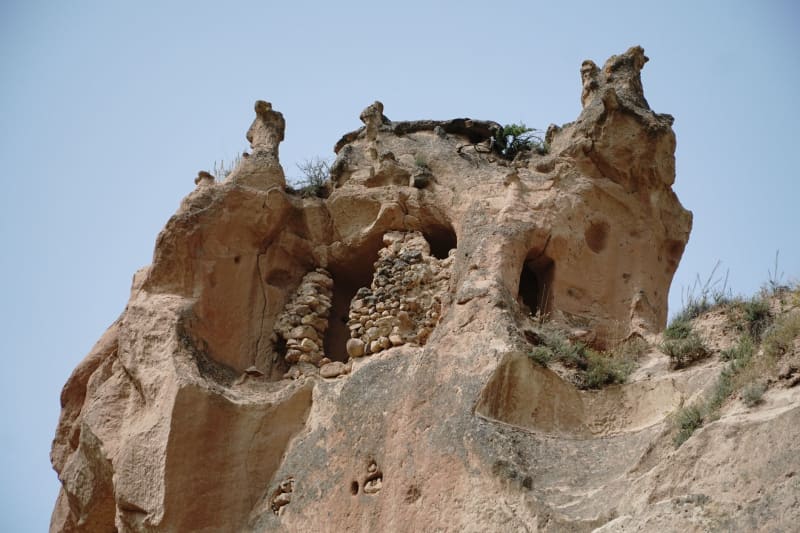 cappadocia
 Zelve
An abandoned troglodyte village where three connected valleys of cave dwellings were inhabited until 1952 — and the emptiness still feels recent.
Explore