
A working town built around its own rock citadel, where caves are used for storing citrus and potatoes, not selling postcards.
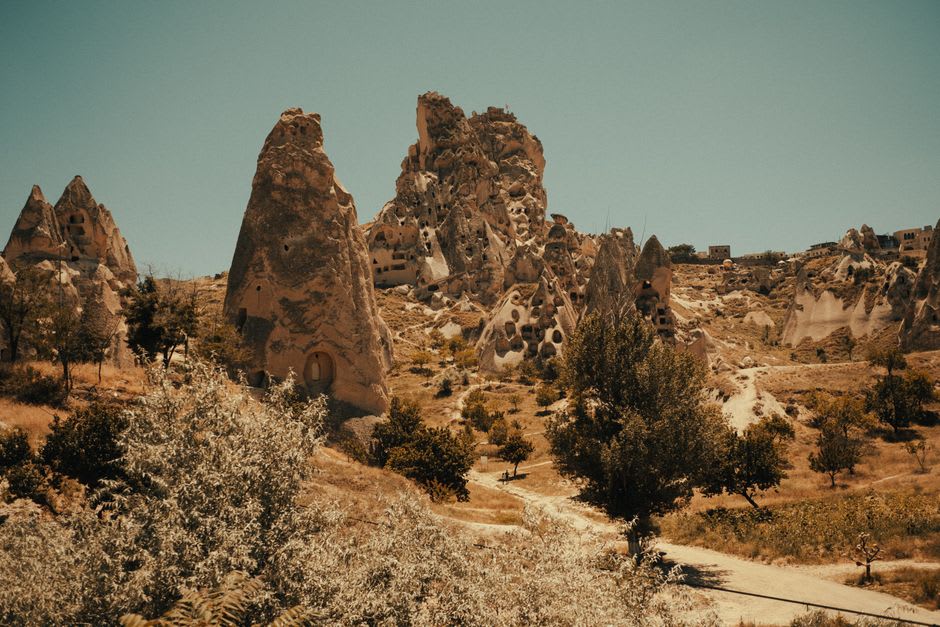
People visiting Cappadocia tend to hear “Uçhisar Castle” and assume that’s the only rock citadel worth climbing, but Ortahisar, a fifteen-minute drive away, has its own — taller in places, arguably more dramatic, and surrounded by a town that still functions as a town rather than a strip of boutique hotels. I climbed Ortahisar’s citadel on a weekday afternoon and shared the narrow internal staircases with precisely two other people, a contrast so stark from Uçhisar’s crowds that I checked twice to make sure I hadn’t wandered somewhere off-limits.
What sets Ortahisar apart, though, isn’t really the castle — it’s the caves around its base, which the town has used for centuries as natural cold storage. The volcanic tufa keeps a stable, cool temperature year-round, and local families still stack crates of oranges, lemons, and potatoes inside caves carved generations ago, some of them now run as small businesses selling directly from the storage rooms. I stepped into one that smelled overwhelmingly of citrus, walls lined floor to ceiling with wooden crates, a man weighing bags of clementines on an old hanging scale exactly the way his father probably had. It’s the most convincing evidence I found anywhere in Cappadocia that these carved-out spaces are still doing the same job they always did.
The town’s main square has a scatter of unpretentious lokanta serving home-style Turkish food — I had a plate of manti, tiny meat dumplings drowned in garlic yogurt and paprika butter, that cost a third of what I’d paid for a similar plate in Göreme two days earlier, and tasted noticeably better. Ortahisar also holds a small but genuinely interesting museum on Cappadocian cave dwelling and daily life, tucked into a restored old house near the citadel, worth the twenty minutes it takes to walk through.
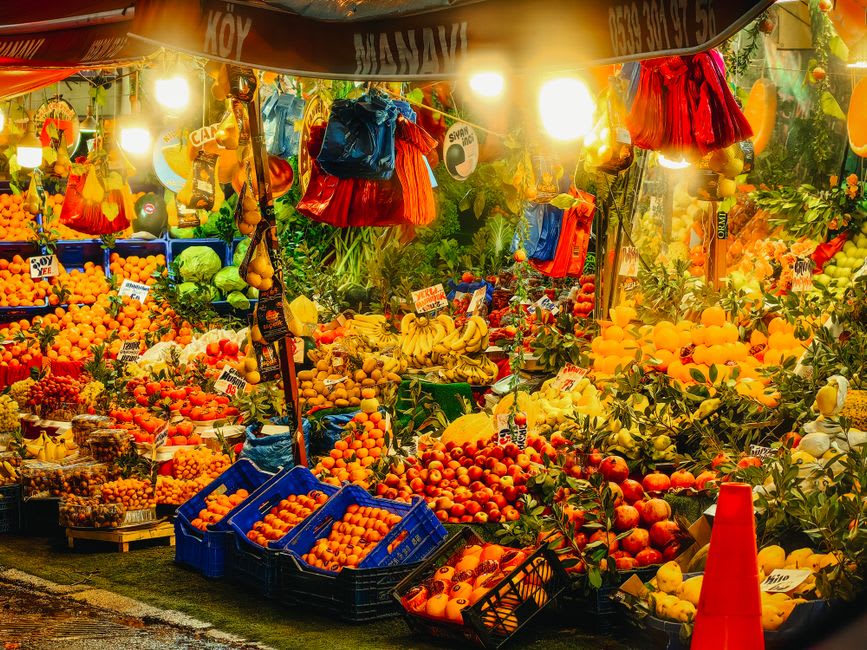
When to go: Any season works, since the appeal here is as much the everyday town as the citadel. Weekday mornings are quietest; Saturdays bring a small local market to the main square worth timing your visit around.