Erciyes Mountain
"Every fairy chimney in Cappadocia is, in a sense, this mountain's fault."
The dormant volcano whose eruptions built all of Cappadocia's soft rock, visible from every fairy chimney valley and skiable in winter.
I’d been looking at Erciyes for four days before I actually went there — a white cone hovering on the southern horizon, visible from the top of Uçhisar Castle, from balloon baskets at dawn, from almost anywhere with a clear sightline across the plateau, before I understood that this was the volcano responsible for the entire landscape I’d come to see. Erciyes and its neighboring volcanoes buried the region in layers of ash and lava roughly nine to three million years ago; the soft tufa that erosion later carved into fairy chimneys, and that Byzantine monks later carved into churches, is Erciyes’s own material, redistributed by wind and water over an almost incomprehensible span of time. Standing at its base felt less like visiting a mountain and more like meeting the source.
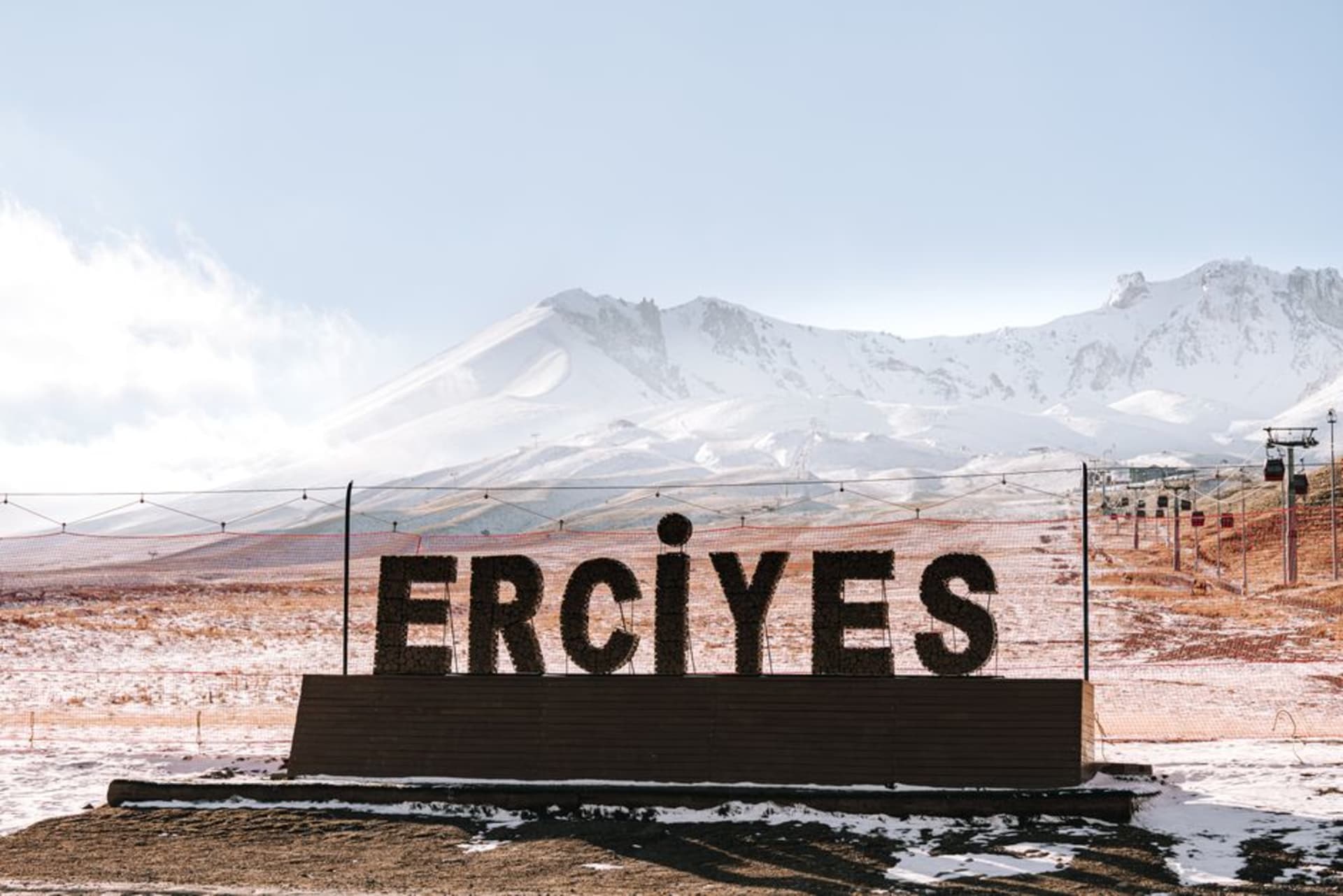
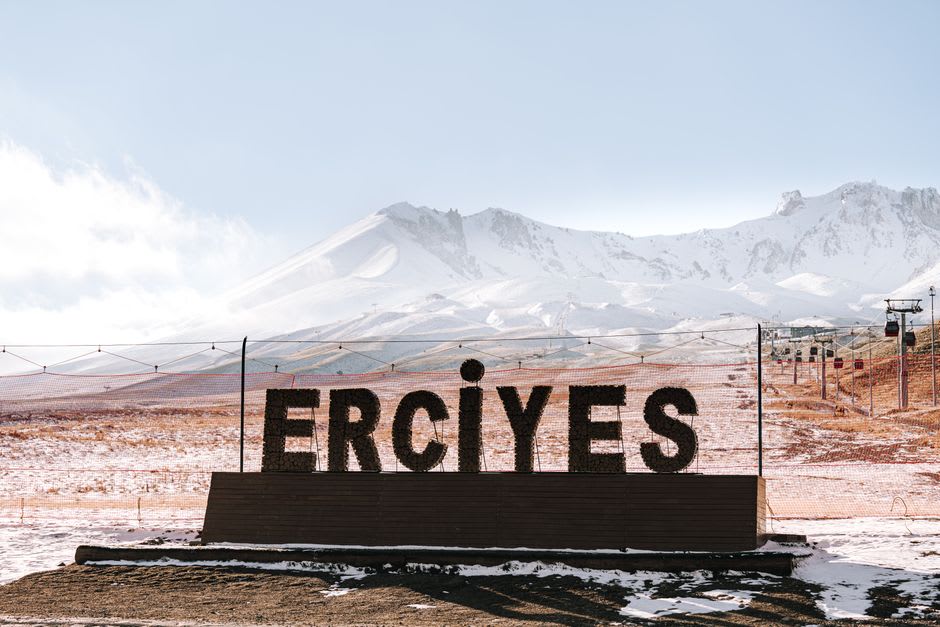
At 3,916 metres, it’s the highest peak in central Anatolia and technically still classified as dormant rather than extinct, though it hasn’t erupted in recorded history. In winter, it becomes one of Turkey’s largest ski areas, with lifts running up from a modern base area near Kayseri and pistes that stay reliably snow-covered from December into April — a strange, satisfying contrast, skiing down the same slopes whose ancient ash built the valleys I’d been hiking through all week. I didn’t ski, but I drove up as far as the lift base on a clear afternoon and watched climbers heading toward the summit route, a non-technical but long slog that experienced hikers do in summer without ropes.
What I remember most, though, is a single evening back in Uçhisar, watching the sun drop behind Erciyes and turn the whole western sky the color of the tufa itself — the same rust and ochre tones repeating from the ground up into the clouds, as if the mountain and everything it had built were still, quietly, made of the same material.
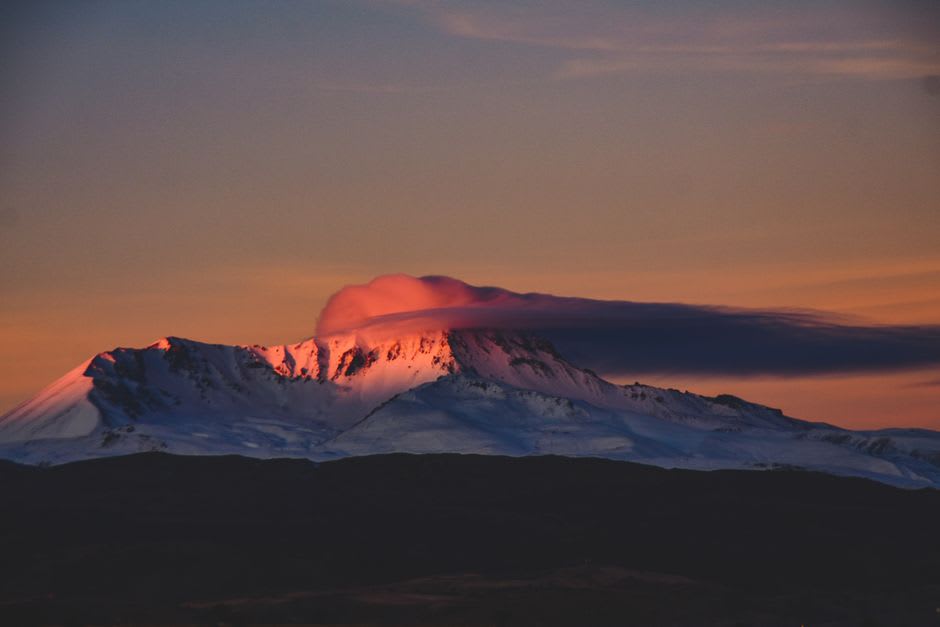
When to go: December through March for skiing; June through September for hiking the lower slopes and the summit approach. Any season rewards simply looking at it from Uçhisar or Ortahisar at sunset.