Çavuşin
"Half the village was condemned, so everyone just moved downhill and left the cliff to the pigeons."
A half-abandoned village stacked against a cliff riddled with cave houses, and the oldest rock church in Cappadocia hollowed into its base.
I nearly drove past Çavuşin the first time, mistaking it for just another bend on the road between Göreme and Avanos. What stopped me was the cliff itself — an entire hillside of cave houses stacked five and six storeys high, windows and doorways punched into the rock in no discernible order, all of it empty. In the 1960s, geologists decided the crumbling tufa was too unstable to keep living in, and the government relocated the village downhill. Nobody tore the old houses down; they just left, and thirty years of wind and rain have been quietly reclaiming the cliff ever since. Walking up through the abandoned quarter, ducking under low doorframes into rooms with soot-blackened ceilings and the odd built-in shelf still carved into the wall, felt less like sightseeing and more like trespassing on somebody’s unfinished exit.
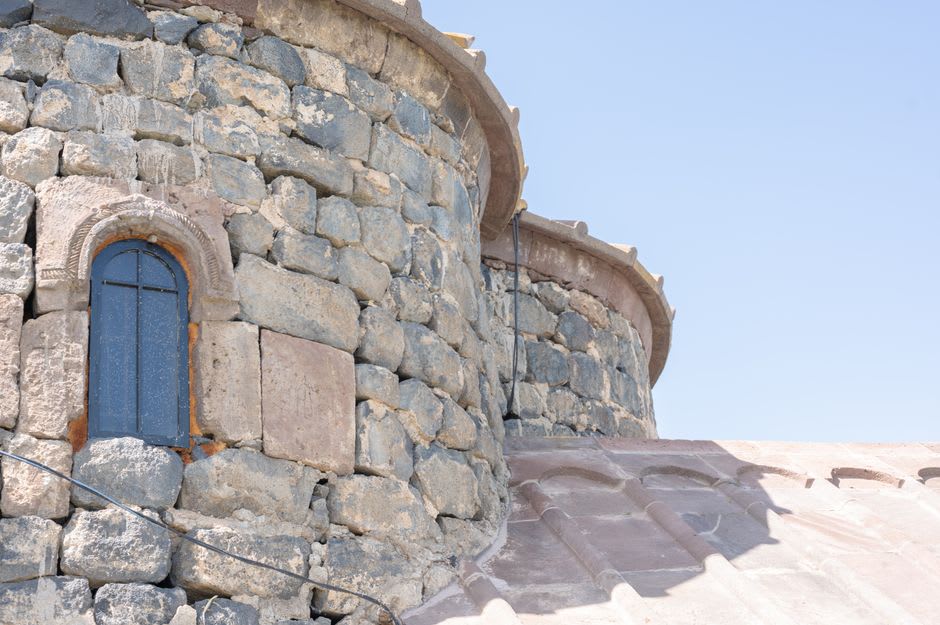
At the base of that same cliff sits the Church of St. John the Baptist, which locals will tell you, with real pride, is the oldest surviving rock-cut church in Cappadocia, dating to the fifth century. The frescoes inside have faded to ochre ghosts in places and been defaced by graffiti in others, but the scale of the nave surprised me — this wasn’t a hermit’s cell, it was built to hold a congregation. I stood there for a long while just looking up at the vaulted ceiling, trying to imagine masons cutting it downward from solid rock with hand tools, removing material rather than adding it, which is a completely different kind of faith in your own plan.
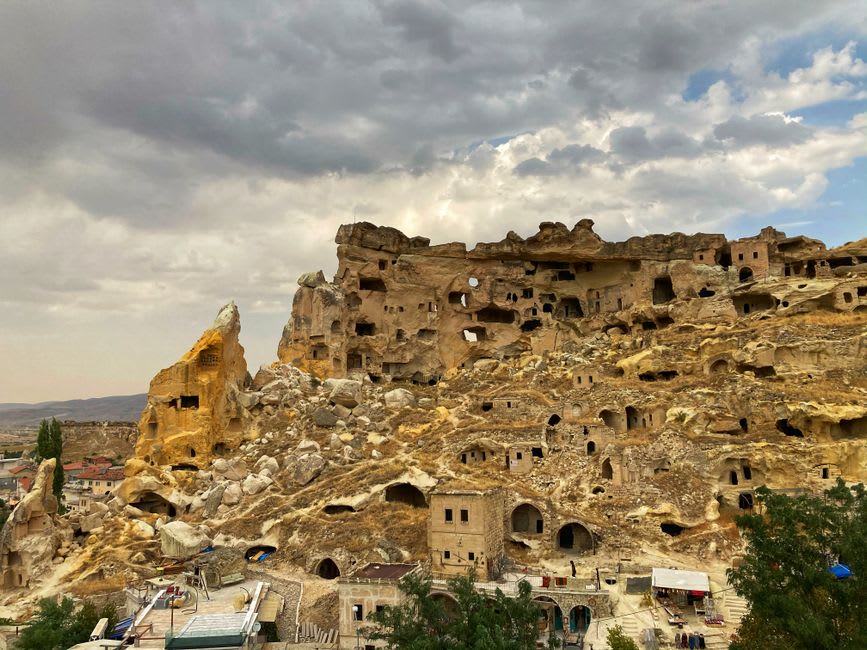
The new village below is small and unhurried, a scatter of pansiyons and a couple of terrace cafés that get a fraction of the foot traffic Göreme does, ten minutes up the road. I had a simple lunch of gözleme and ayran at a place with plastic chairs and a view straight up at the cliff, and the woman who made it told me her mother had grown up in one of those abandoned houses before the move. That’s the thing about Çavuşin that guidebooks undersell — it isn’t a ruin you visit, it’s a ruin someone’s family actually left.
When to go: Çavuşin is quiet enough to visit any time of year, but I’d go in the late afternoon when the low sun rakes across the cliff face and turns every cave opening into a pocket of shadow. Pair it with a walk into the Rose Valley trailhead just behind the village, which starts almost unmarked from the edge of town.
Keep exploring
More from Cappadocia
 cappadocia
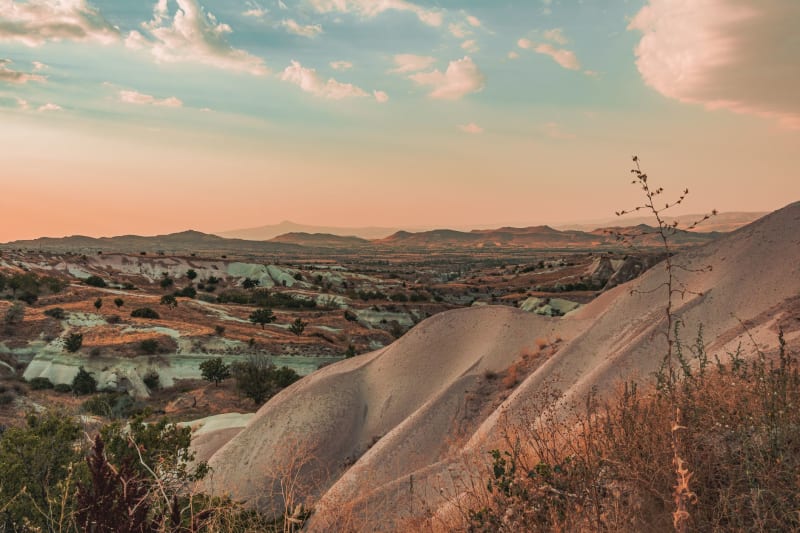
 Derinkuyu
An underground city eleven stories deep, carved by hand into the earth — one of the most astonishing human constructions on the planet.
Explore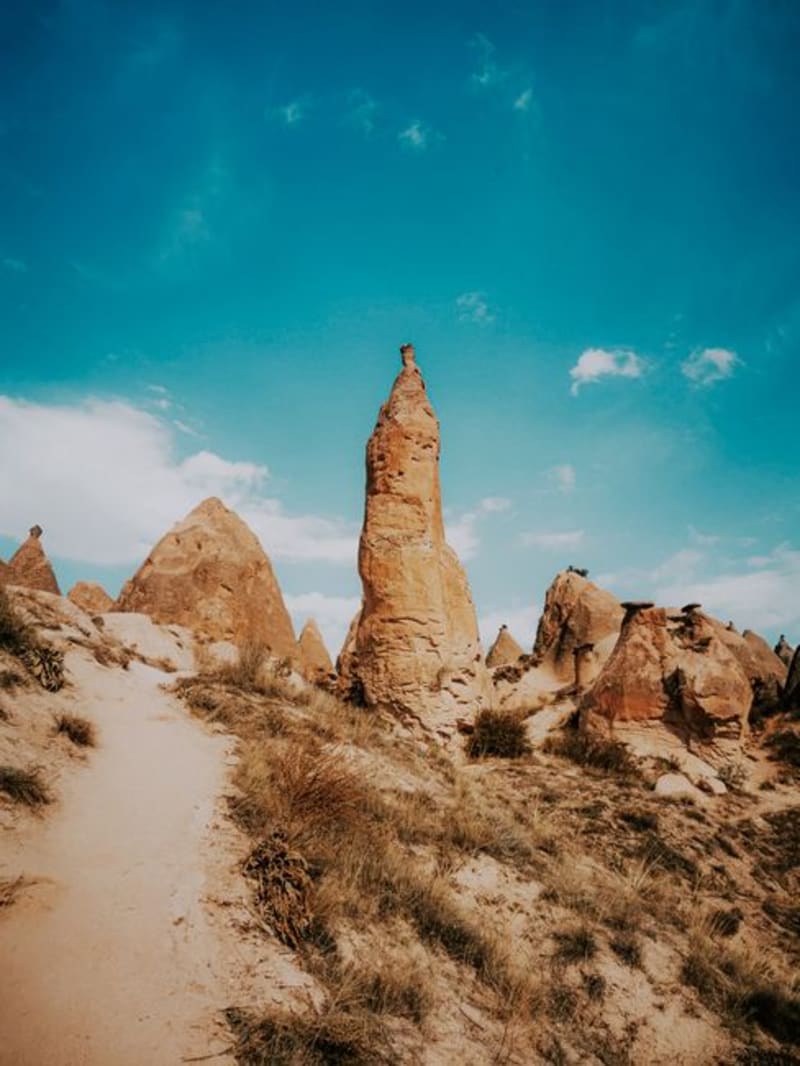 cappadocia
 Devrent Valley
A bare, pinkish moonscape of fairy chimneys with no vegetation and no fee, where every rock seems to resemble some animal if you stare long enough.
Explore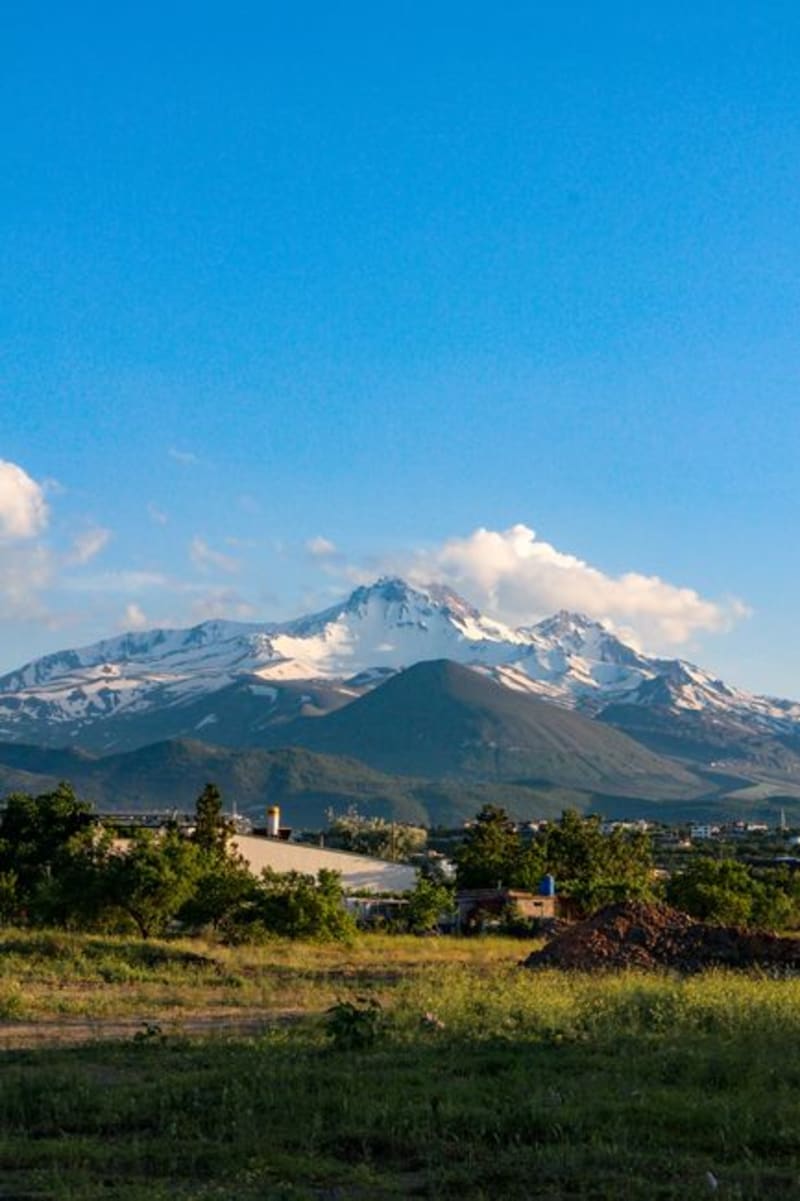 cappadocia
 Erciyes Mountain
The dormant volcano whose eruptions built all of Cappadocia's soft rock, visible from every fairy chimney valley and skiable in winter.
Explore cappadocia
 Göreme
The valley town that wakes before dawn so the sky can fill with balloons — and earns every one of them.
Explore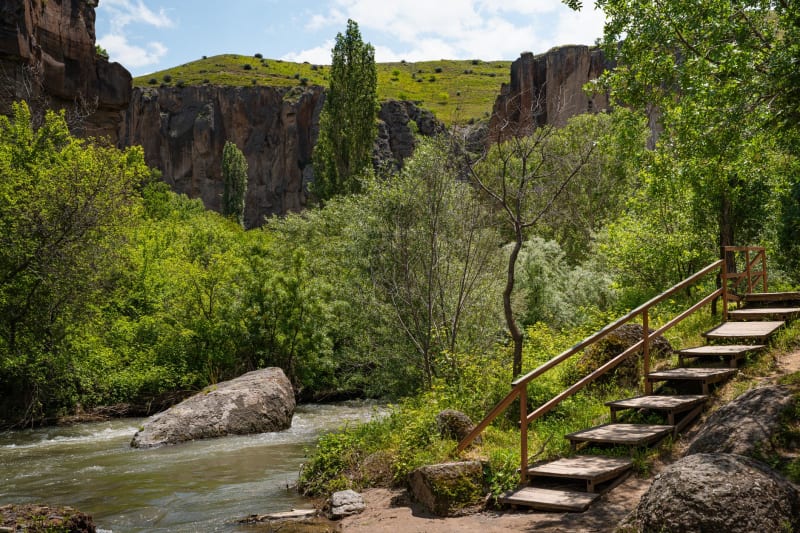 cappadocia
 Ihlara Valley
A fourteen-kilometre gorge carved by a river through volcanic rock, its cliff walls lined with a thousand years of hidden frescoed churches.
Explore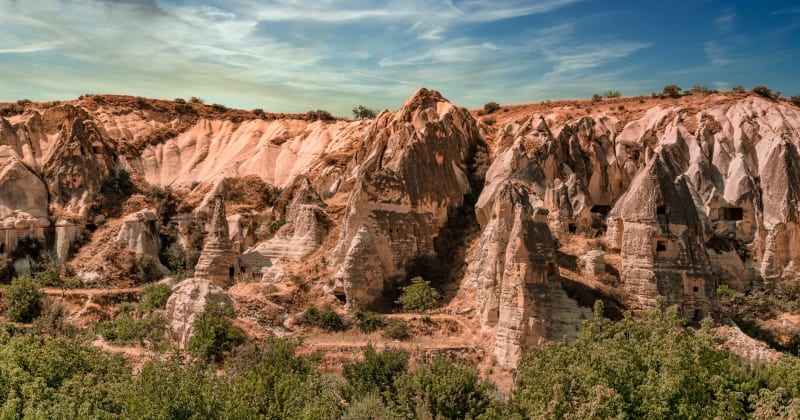 cappadocia
 Kaymaklı
An underground city more labyrinthine than Derinkuyu, where the passages branch into dozens of daily-life chambers still carved with their original purpose.
Explore