A brandy town in the Breede River Valley, where copper stills and succulent gardens sit under three mountain ranges.
We almost skipped Worcester. On the map it looked like a stop for gas and a coffee before pushing on toward the more photogenic parts of the Cape Winelands, but Lia had read something about a brandy cellar the size of an airport hangar, and that was enough to make us pull off the N1. What we found was a proper working town, not a postcard one, sitting in a wide valley with the Hex River mountains on one side, the Brandwacht range on another, and the Langeberg closing it off in the distance. It felt less curated than the villages we’d already seen, and I liked it for that.
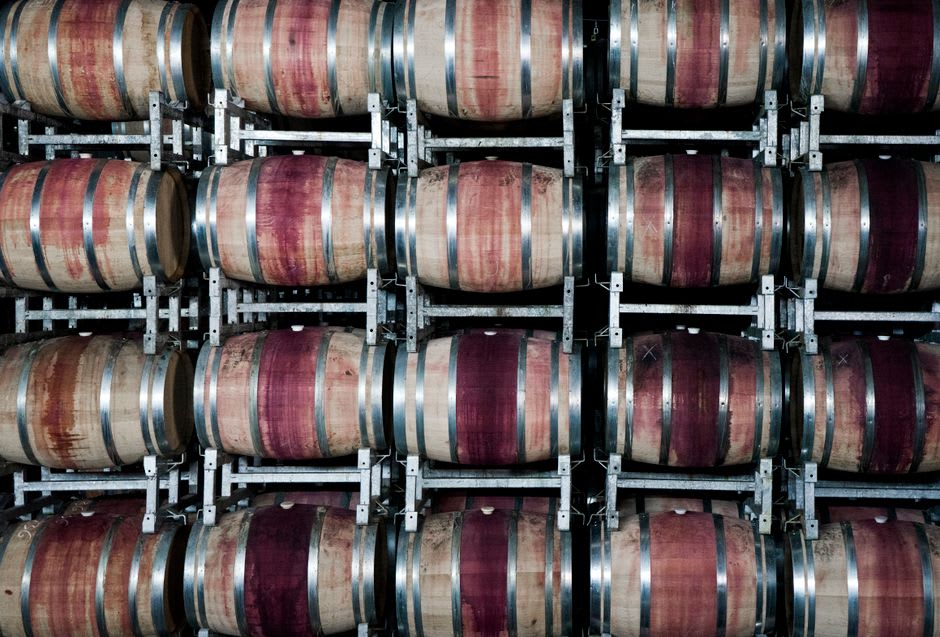
The KWV Worcester Brandy Cellar is the reason most people stop, and it deserves the reputation. We did a tour on a weekday morning with maybe six other people, and the guide kept repeating “one of the largest brandy cellars in the world” like she still couldn’t quite believe it worked at her hometown. Row after row of oak barrels stretching into the dark, the air thick with that sweet, boozy smell that gets into your clothes. I’m not usually a brandy drinker, but the potstill they let us taste at the end, still warm from the copper, changed my mind for the rest of the trip.
Worcester was founded in 1820 and named after the Marquess of Worcester, and it grew into the largest town in the Breede River Valley on the back of exactly this kind of production. What surprised me was how much of that history is tied to water rather than grapes: the Brandvlei Dam, one of the biggest reservoirs in South Africa, feeds the irrigation channels that make vineyards possible in what is otherwise a fairly dry stretch of land. Standing at the edge of one of those vineyards with Lia, watching the water glinting off the dam in the distance, it clicked why the valley looks the way it does — green rows against brown hills, entirely by design.
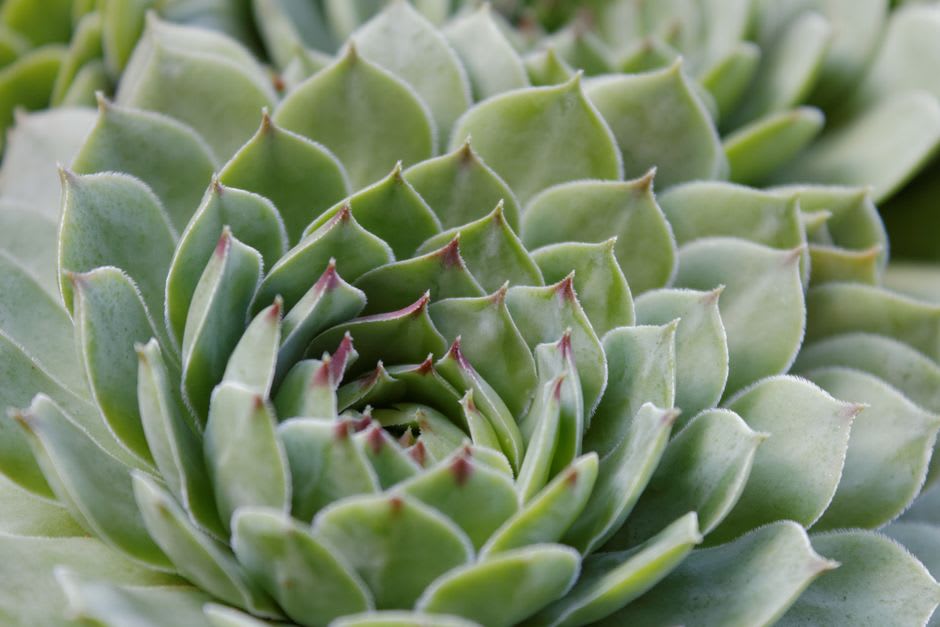
The other place that stayed with me was the Karoo Desert National Botanical Garden, established back in 1921 on the edge of town. After all that oak and alcohol, it was strange and good to wander among succulents instead — spiky, sculptural things built for a semi-arid climate, arranged on slopes that catch the afternoon light in a completely different way than the vineyards do. We spent an hour there just crouching down to look at plants I couldn’t name, Lia taking far too many photos of aloes.
When to go: aim for February to April, when the wine and brandy harvest is in full swing and the cellars open up for proper tastings — the town smells like fermenting grapes and everyone seems to have a reason to celebrate.
Keep exploring
More from Cape Winelands
 cape-winelands
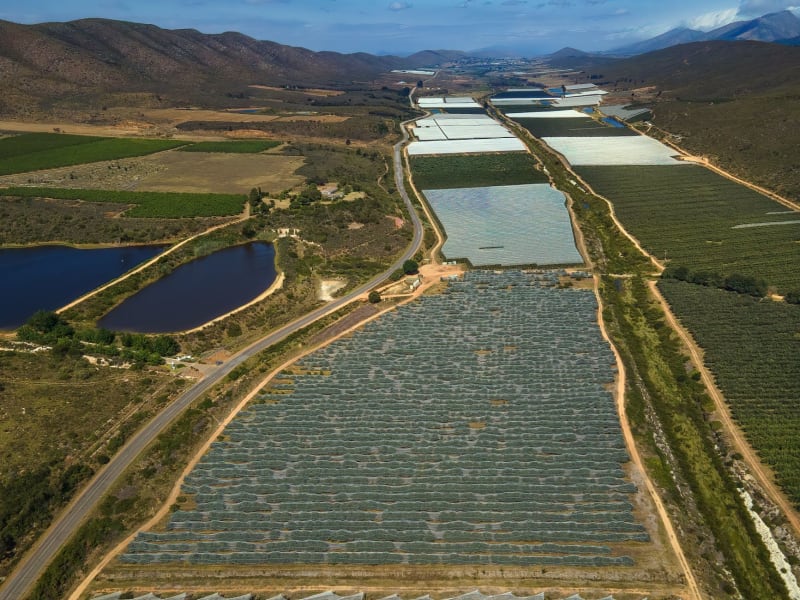
 Banhoek Valley
A narrow mountain valley between Franschhoek and Stellenbosch where a handful of serious estates make wine in beautiful obscurity.
Explore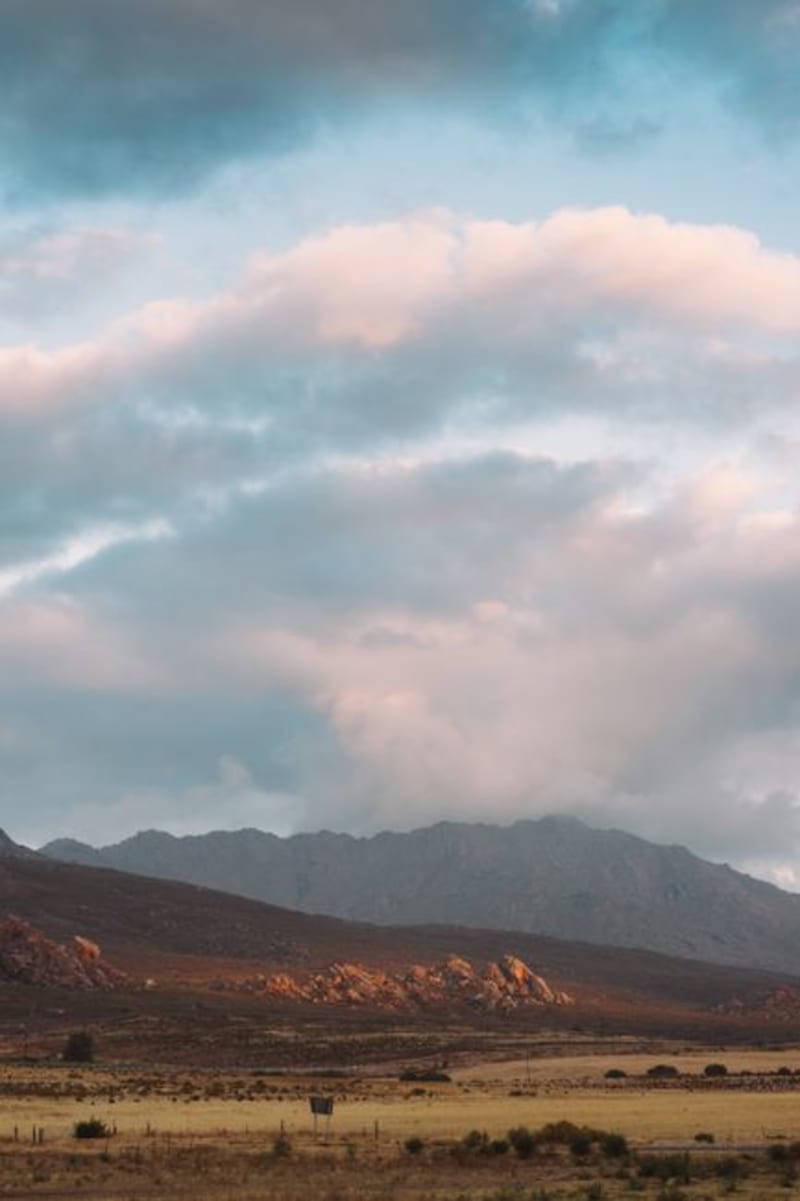 cape-winelands
 Ceres
A fruit-farming valley behind a mountain pass, where snow dusts the peaks and orchards replace vineyards.
Explore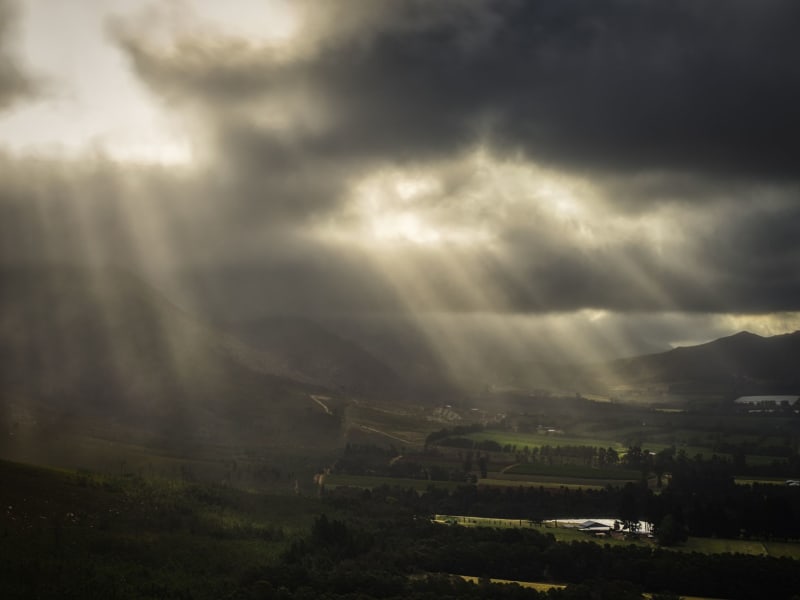 cape-winelands
 Constantia Valley
Where the oldest wine tradition in the southern hemisphere survives between Cape Town's suburbs and the cool breath of False Bay.
Explore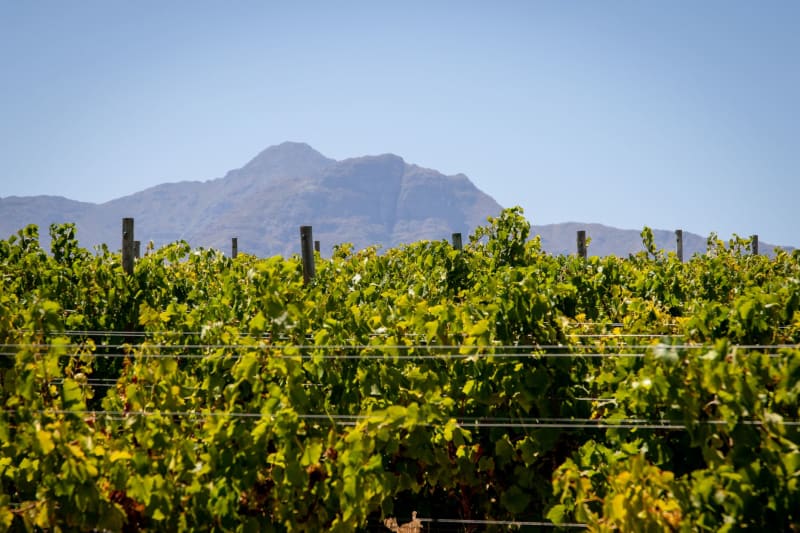 cape-winelands
 Elgin Valley
Apple country that turned out to be perfect for Pinot Noir, and nobody was more surprised than the apple farmers.
Explore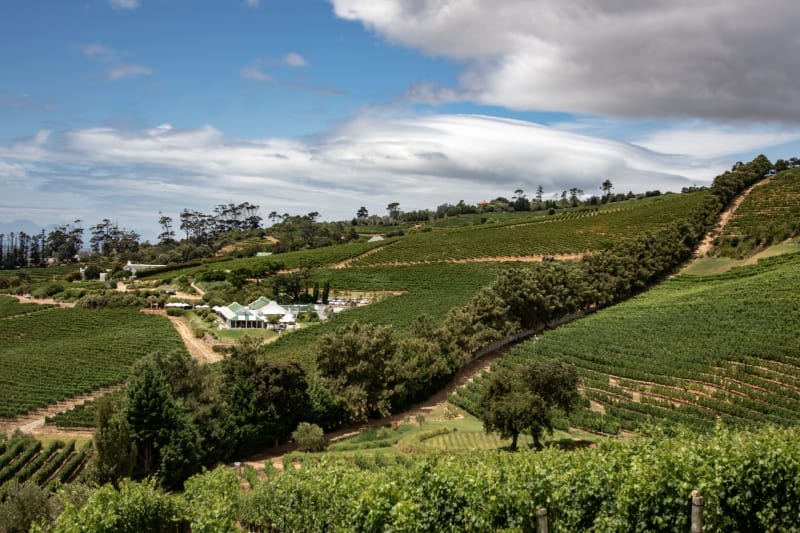 cape-winelands
 Franschhoek
A Huguenot village at the end of a valley so beautiful it makes restaurant reservations feel like a moral obligation.
Explore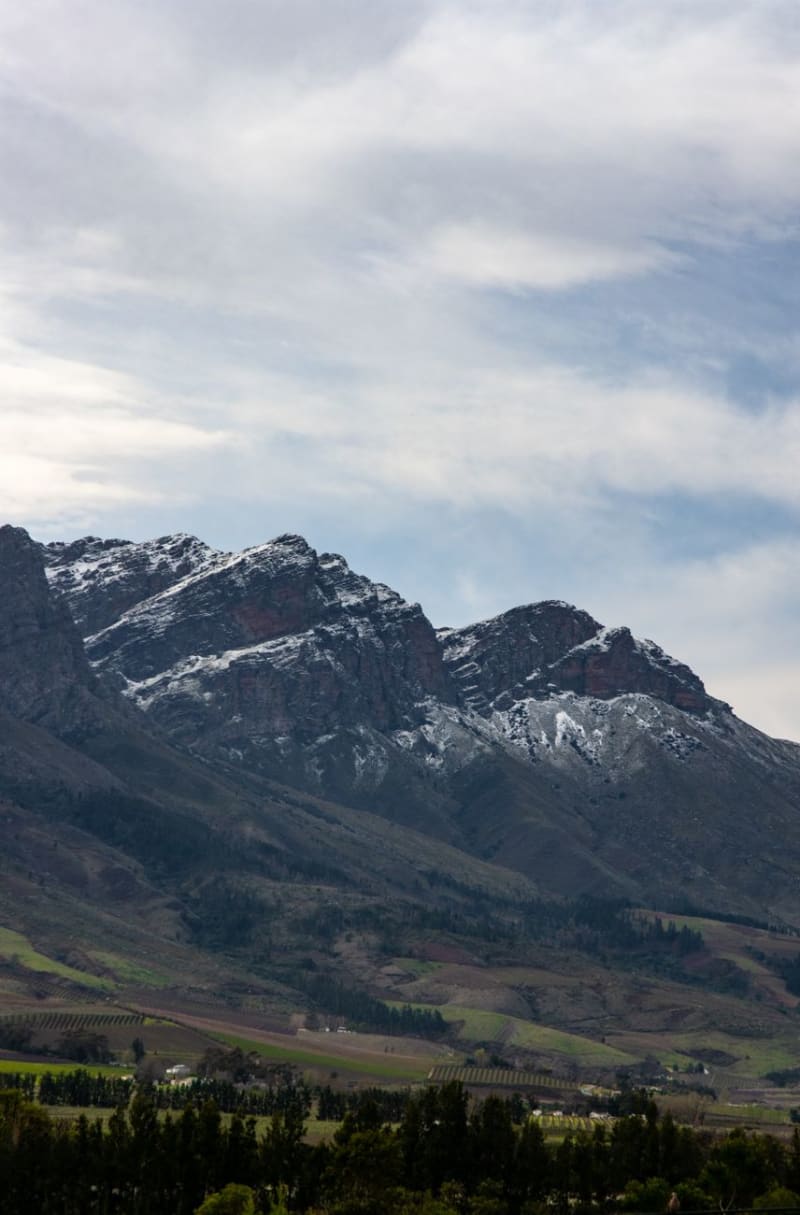 cape-winelands
 Helderberg
A wine region in the shadow of a great granite mountain near Somerset West, where the vineyards run almost to the sea and the sea changes the wine.
Explore