Africa
Cape Winelands
"The world's most beautiful wine country that nobody puts on a pedestal."
Where Cape Dutch farmhouses sit at the foot of granite peaks, and the Chenin Blanc in your glass tastes like it grew somewhere it was never supposed to.

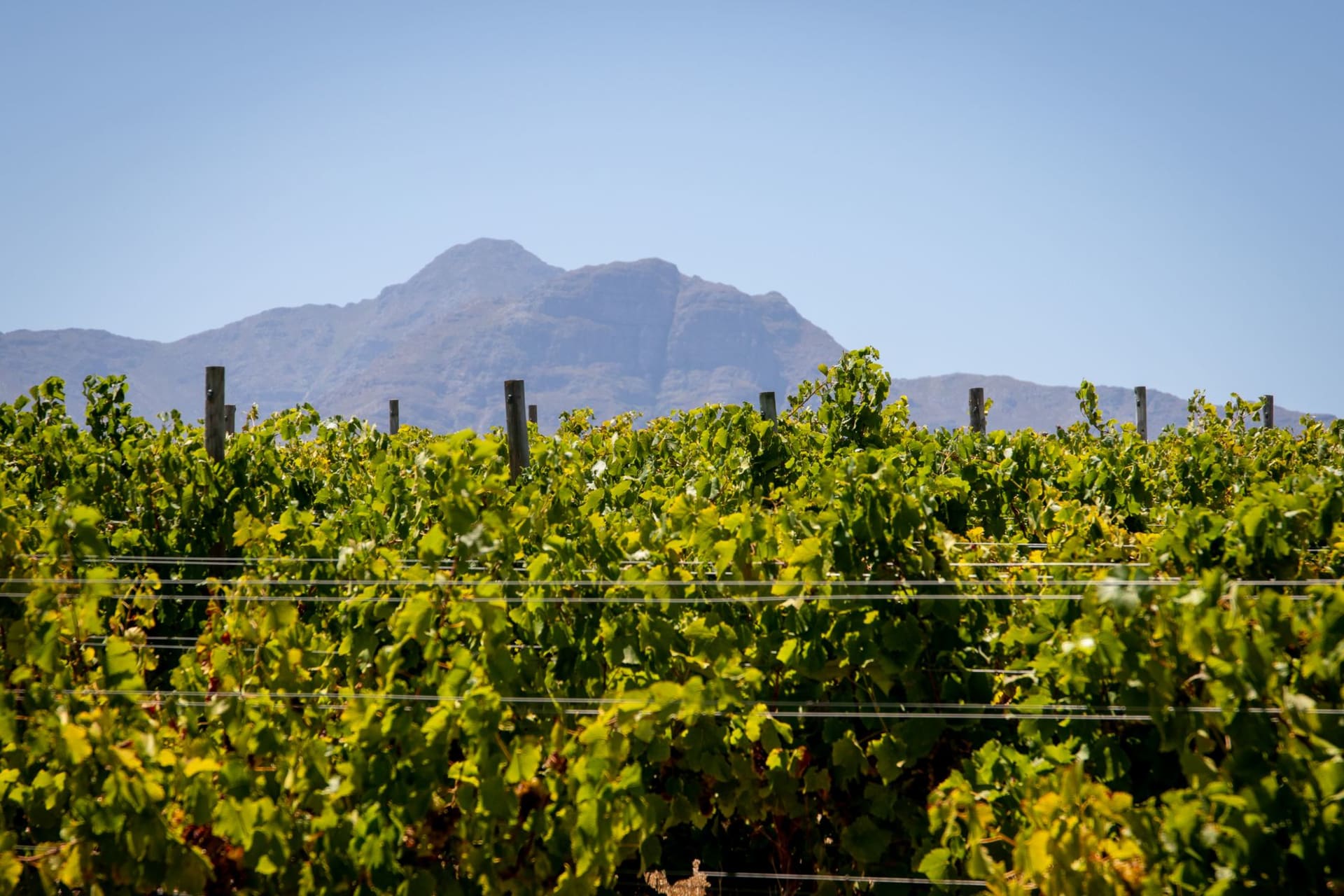
I arrived in Franschhoek on a Tuesday morning in late September, when the vines were just beginning to push new growth — those first acid-green shoots that make a vineyard look almost embarrassingly alive. The mountains came into view before the town did, a wall of rock so close and so vertical that it felt less like scenery and more like architecture. Someone had placed a French Huguenot village at the base of a mountain range in southern Africa, planted Chenin Blanc and Syrah, and then somehow the whole absurd arrangement had become one of the most quietly extraordinary places on earth.
The Winelands are three valleys with three distinct personalities. Stellenbosch is the university town, all oak-lined streets and tasting rooms that have clearly spent money on the experience — some too much, some just right. The estates along the R44 toward Helderberg produce Cabernets that can go head-to-head with Napa and frequently do. Paarl is more sprawling, more workaday, the kind of place where the local bottle store sells better wine than most Parisian caves. And Franschhoek — the smallest, the most theatrical — draws the crowds precisely because it earned them. The food alone justifies the detour: La Petite Colombe, Foliage, a dozen places that cook with the same seriousness you find in Lyon or Copenhagen. The difference is that you eat with a mountain outside the window and a glass of something made from forty-year-old vines on the table.
What gets lost in the brochure version of the Winelands is how physical the landscape is. You don’t just look at the Hottentots Holland Mountains — you feel them. The air changes at altitude. The light in the late afternoon turns the vineyards gold in a way that would look overexposed in a photograph but lands perfectly in person. Rent a bicycle in Franschhoek and take the Franschhoek Pass toward Villiersdorp and you’ll understand why farmers here have always felt like they were working somewhere that was already trying to help them.
When to go: September to November for new vine growth and wildflowers on the slopes. February to April for harvest — the estates are working hard and the energy is electric, and the rosés from this season are worth seeking out while they’re still cold. Avoid the school holidays in December and January if you prefer your wine farms not to have queues.
What most guides get wrong: They list the Winelands as a two-day add-on to a Cape Town trip. That’s how you see the surface. The terroir differences between a Stellenbosch Chenin and a Swartland Chenin — and why it matters — takes longer to understand. The best week I’ve spent in South Africa had nothing to do with Cape Town and everything to do with slow drives between farms I’d never heard of, tasting wines that weren’t on any list yet.
Explore
Places in Cape Winelands
 cape-winelands
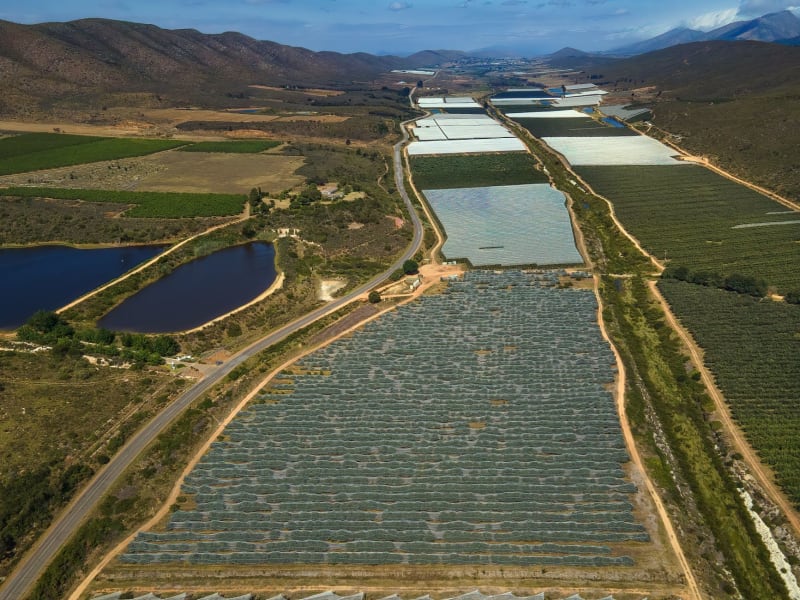
 Banhoek Valley
A narrow mountain valley between Franschhoek and Stellenbosch where a handful of serious estates make wine in beautiful obscurity.
Explore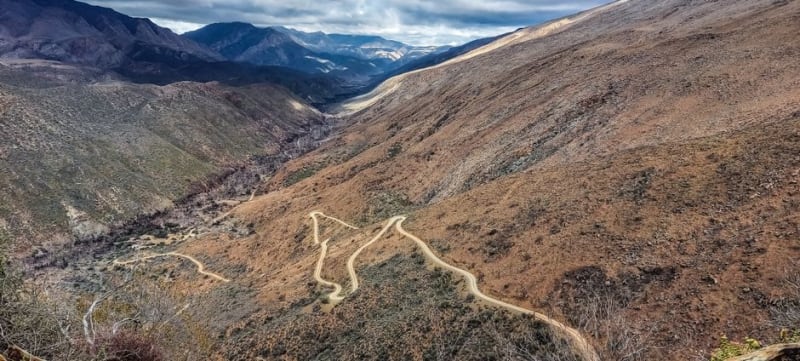 cape-winelands
 Ceres
A fruit-farming valley behind a mountain pass, where snow dusts the peaks and orchards replace vineyards.
Explore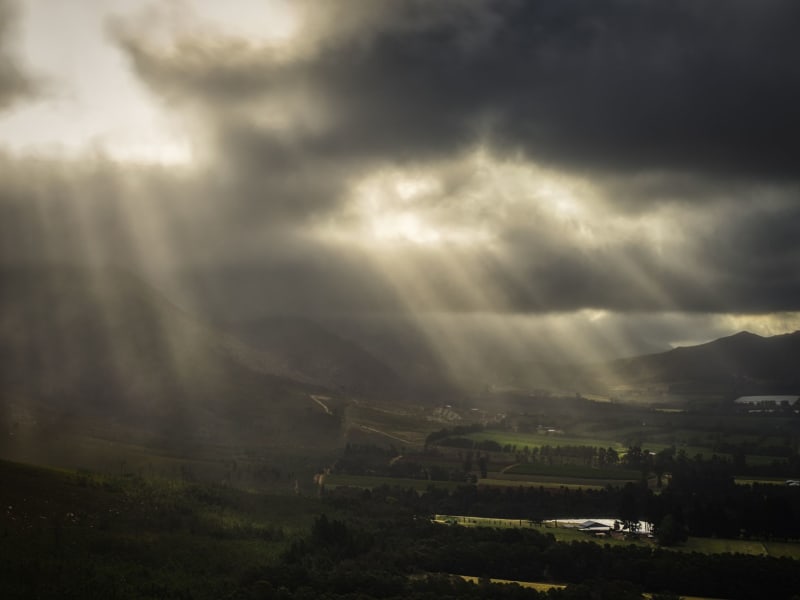 cape-winelands
 Constantia Valley
Where the oldest wine tradition in the southern hemisphere survives between Cape Town's suburbs and the cool breath of False Bay.
Explore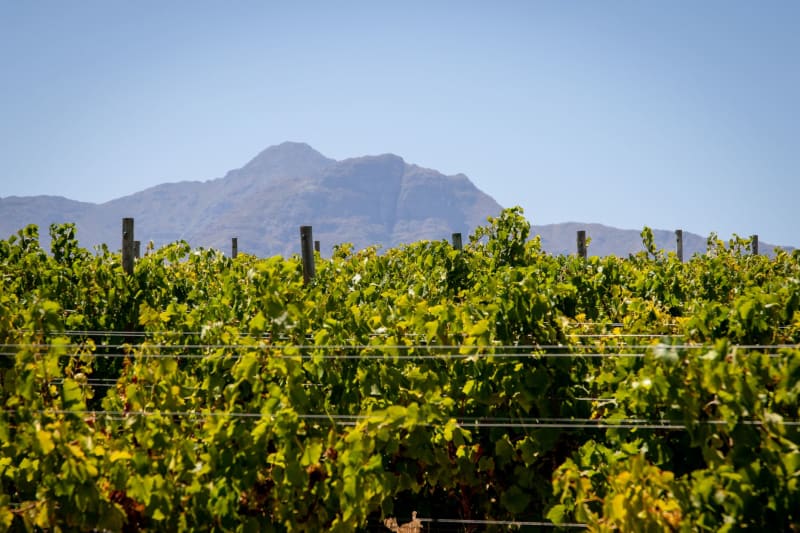 cape-winelands
 Elgin Valley
Apple country that turned out to be perfect for Pinot Noir, and nobody was more surprised than the apple farmers.
Explore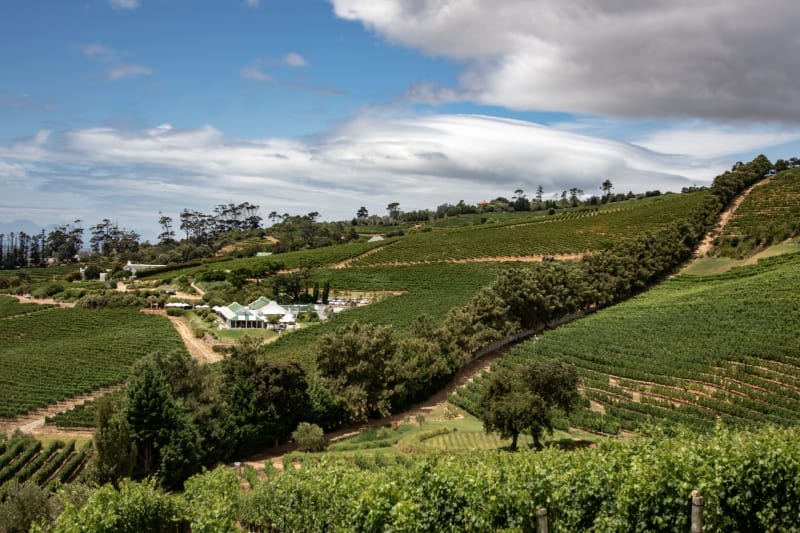 cape-winelands
 Franschhoek
A Huguenot village at the end of a valley so beautiful it makes restaurant reservations feel like a moral obligation.
Explore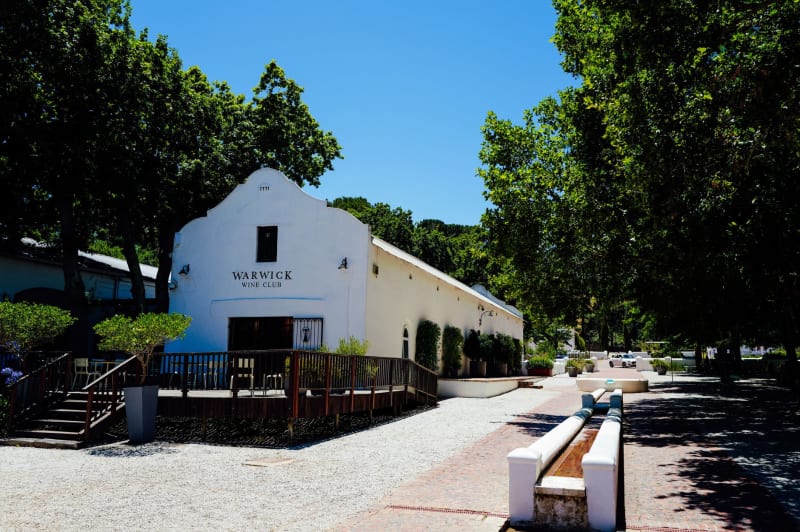 cape-winelands
 Helderberg
A wine region in the shadow of a great granite mountain near Somerset West, where the vineyards run almost to the sea and the sea changes the wine.
Explore cape-winelands
 McGregor
A whitewashed dead-end village in the Langeberg foothills where time moves at a pace that's almost accusatory.
Explore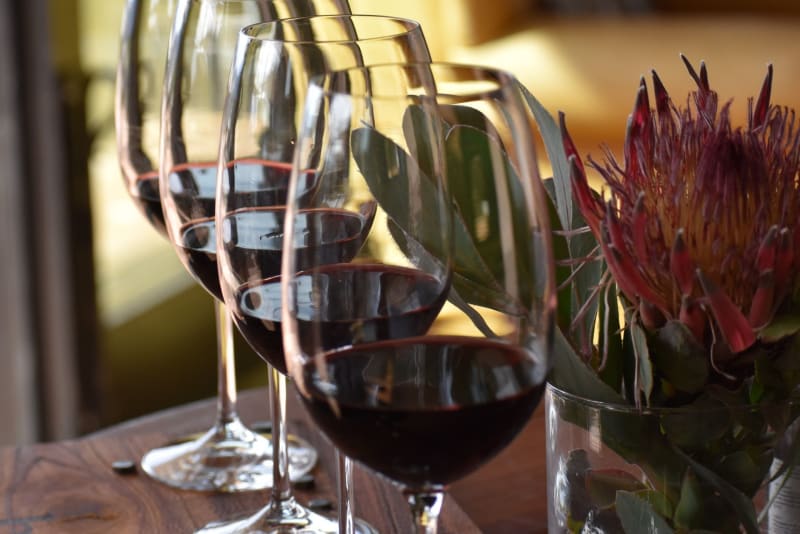 cape-winelands
 Paarl
The unglamorous hub of the Winelands where the wine outperforms the reputation and granite domes overhead refuse to let you underestimate the place.
Explore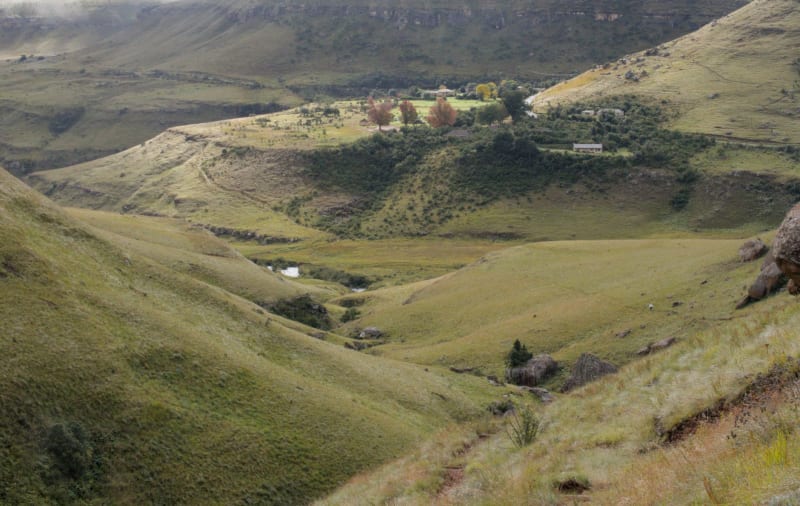 cape-winelands
 Robertson Valley
Hot, dry, limestone-rich — a wine valley that makes Chardonnay and Muscadel the way the Rhône makes Grenache: like it had no other choice.
Explore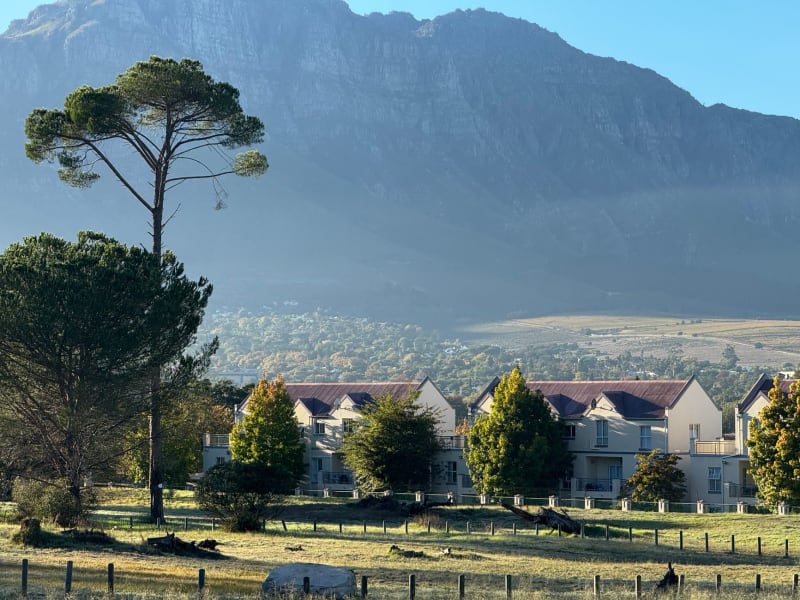 cape-winelands
 Stellenbosch
A university town where oak trees arch over wine estates and the Cabernet Sauvignon ages in buildings older than the country itself.
Explore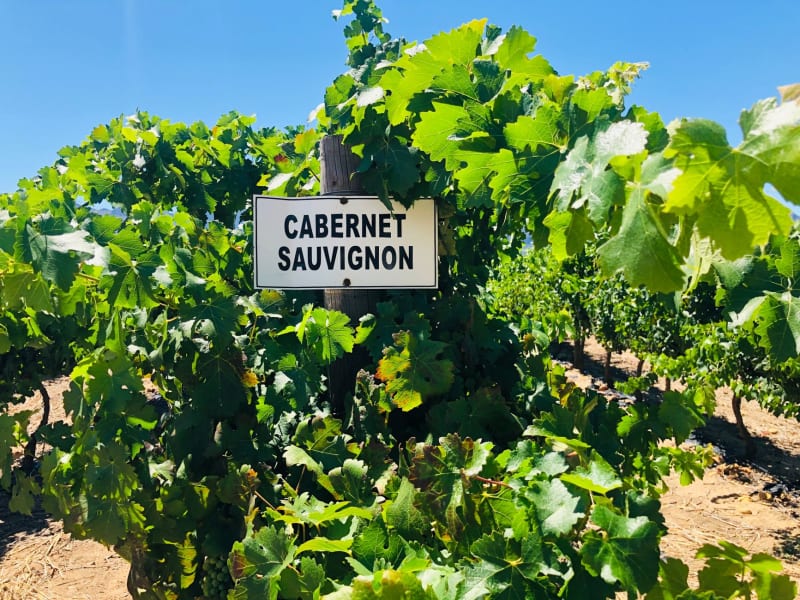 cape-winelands
 Tulbagh
A Cape Dutch village so intact it was rebuilt piece by piece after an earthquake, which says something about the stubbornness of beauty.
Explore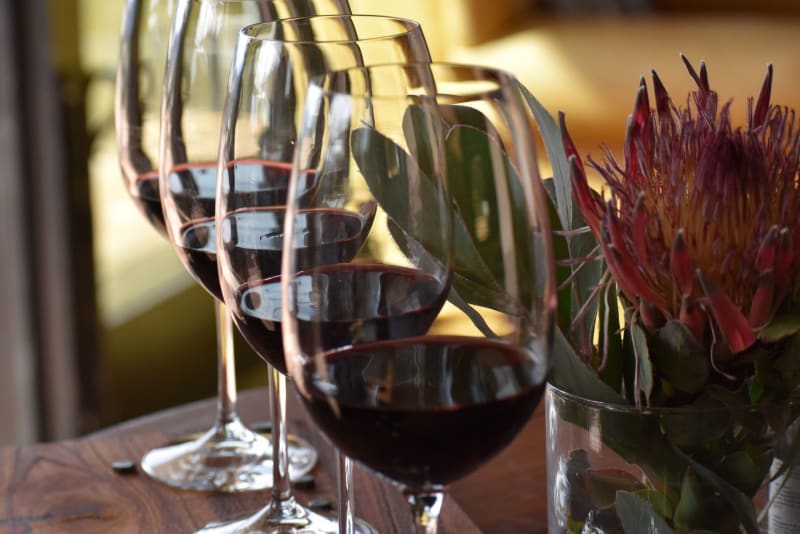 cape-winelands
 Wellington
An artisanal wine town that the tour buses skip entirely, which is exactly what keeps it interesting.
Explore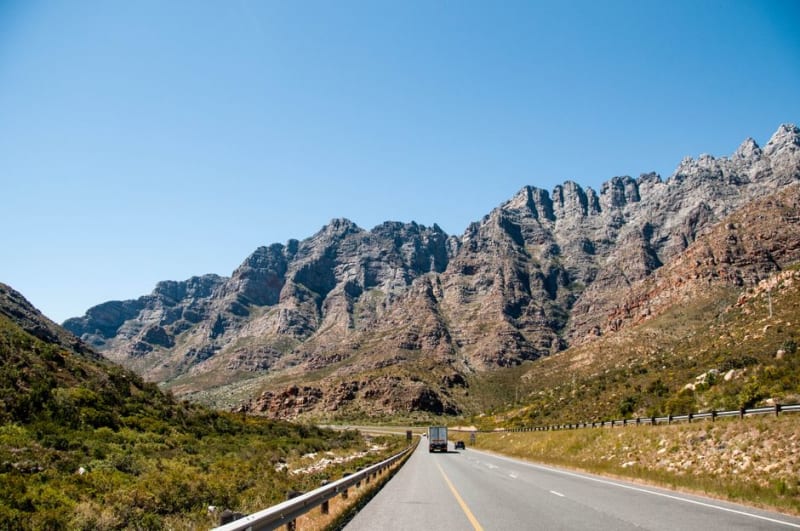 cape-winelands
 Worcester
A brandy town in the Breede River Valley, where copper stills and succulent gardens sit under three mountain ranges.
Explore