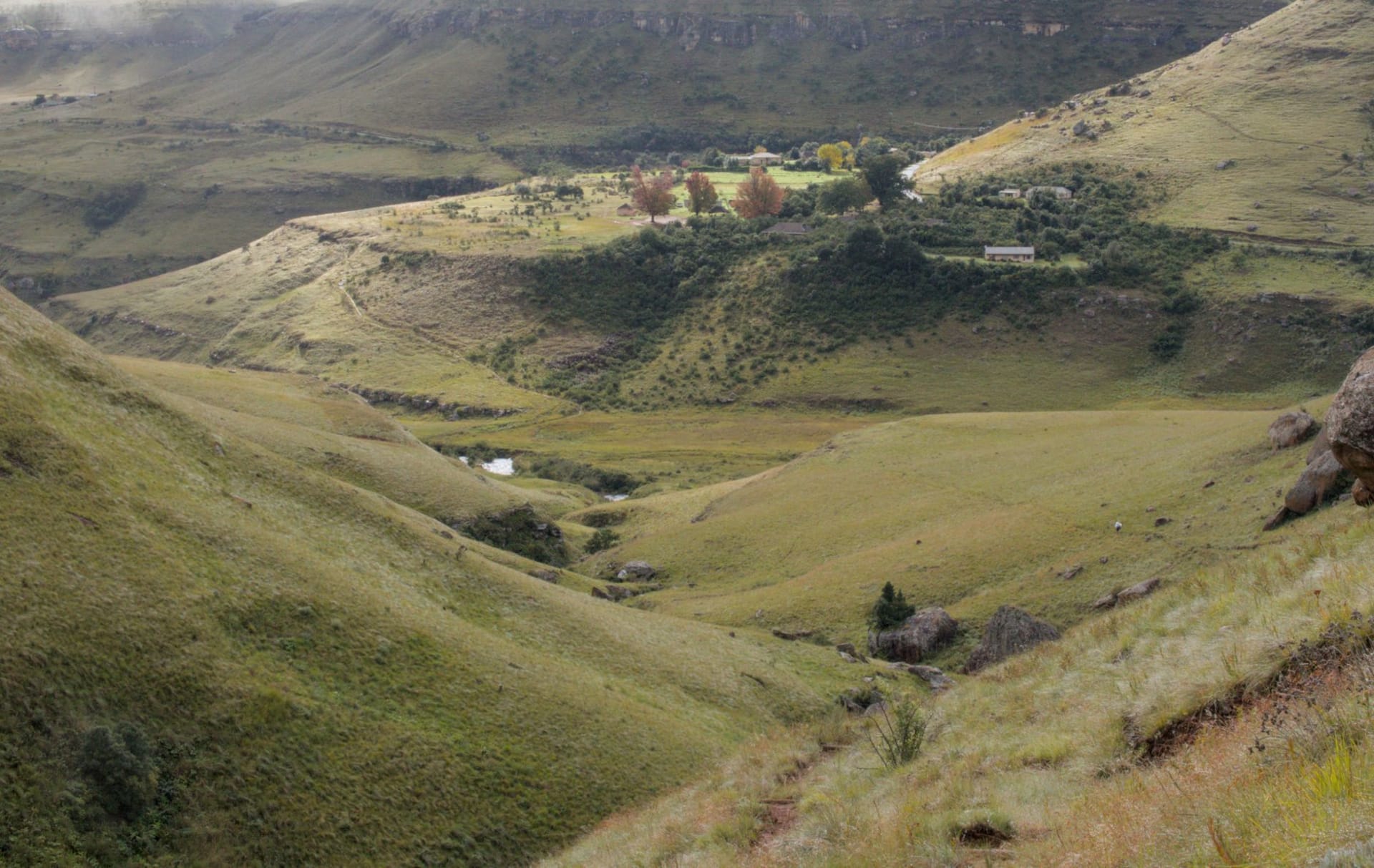
Robertson Valley
"Robertson doesn't get the attention it deserves. Which means the wines are still priced like a secret."
Robertson is about forty minutes from Worcester by road and feels like a different country from Stellenbosch. The landscape changes on the drive out — the mountains that frame the Winelands drop away into rolling limestone hills, the vegetation shifts from fynbos to more arid scrub, and the air coming through the car window is drier and warmer and carries a faint dusty quality that I associate with places that know how to concentrate fruit. The Breede River cuts through the valley, irrigating a wine and fruit-growing region that nobody put on a serious wine map until the wines started winning awards in places that had assumed South Africa produced nothing interesting east of the Hottentots Holland.
The town of Robertson is the kind of South African country town that has been operating quietly at its own pace for a century and has no particular interest in changing now. The main street has a small museum, a handful of restaurants, a Spar that closes at five. The action is on the farms. Springfield Estate, run by the Bruwer siblings, produces a Methode Ancienne Chardonnay — unfiltered, unfined, aged on its lees — that is unlike any other white wine I’ve tasted in South Africa. It smells of chalk and lemon curd and something almost savoury, and it develops in the glass over thirty minutes in a way that makes you acutely aware of how long it took to grow.

The Muscadel tradition here is something that wine writers tend to footnote when they should be leading with it. The Robertson Winery — a large cooperative representing dozens of family farms — makes Muscadels both red and white that are fortified, sticky, and sweet in a way that is completely without apology. Red Muscadel with a slice of Roquefort is a combination I encountered at a farm table in February during harvest and have been trying to recreate ever since. It sounds wrong. It is very right.
What Robertson does better than almost anywhere in the Cape is roses. The farms and roadsides bloom from October through December with roses that seem oversized for their surroundings, the colours almost unreal in the dry heat. It has something to do with the lime-rich soils. The roses don’t know they’re not supposed to be that spectacular, and neither did I on my first October visit when I kept pulling over to look at hedges I had mistaken, from a distance, for something else entirely.

The Robertson Wine Valley Route connects about forty different producers, which makes a dedicated day — or two, or three — entirely defensible. Graham Beck, whose Brut NV is served at presidential inaugurations, is here. So is Bon Courage, whose Muscadel and Chardonnay are consistently excellent and consistently underpriced. The valley has the quality of a wine region that has been working seriously for decades and is only now receiving the attention that work always deserved, from people like me who arrived late and feel slightly embarrassed about it.
When to go: October and November are the most visually spectacular — the roses are in bloom and the vines are leafing out. February and March are harvest, when the cellars are fragrant with must and the co-operative wines are being made in large, purposeful quantities. The summer heat in December and January is intense; start farm visits early and be done before midday.