Africa
Cape Winelands
"The world's most beautiful wine country that nobody puts on a pedestal."
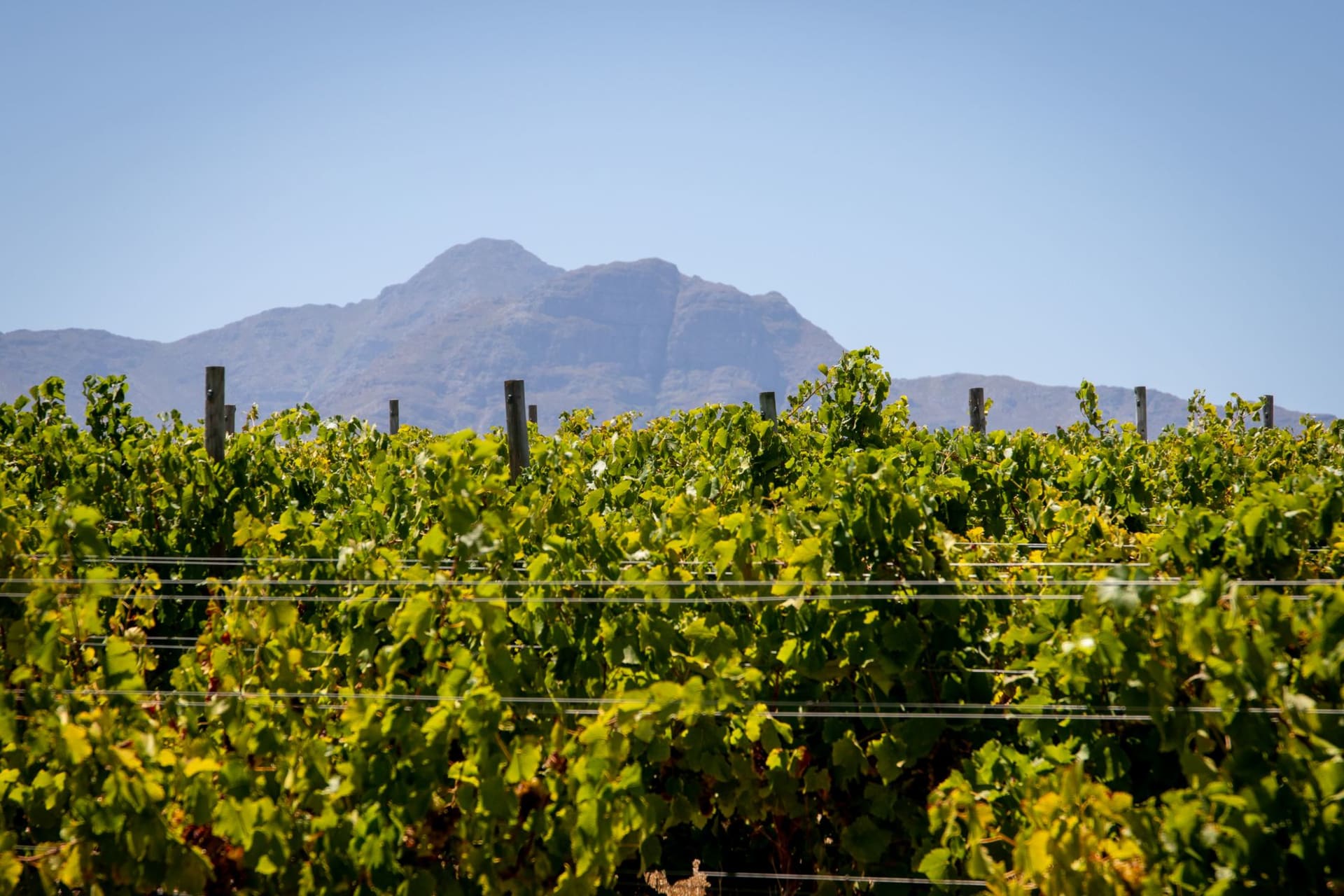
I arrived in Franschhoek on a Tuesday morning in late September, when the vines were just beginning to push new growth — those first acid-green shoots that make a vineyard look almost embarrassingly alive. The mountains came into view before the town did, a wall of rock so close and so vertical that it felt less like scenery and more like architecture. Someone had placed a French Huguenot village at the base of a mountain range in southern Africa, planted Chenin Blanc and Syrah, and then somehow the whole absurd arrangement had become one of the most quietly extraordinary places on earth.
The Winelands are three valleys with three distinct personalities. Stellenbosch is the university town, all oak-lined streets and tasting rooms that have clearly spent money on the experience — some too much, some just right. The estates along the R44 toward Helderberg produce Cabernets that can go head-to-head with Napa and frequently do. Paarl is more sprawling, more workaday, the kind of place where the local bottle store sells better wine than most Parisian caves. And Franschhoek — the smallest, the most theatrical — draws the crowds precisely because it earned them. The food alone justifies the detour: La Petite Colombe, Foliage, a dozen places that cook with the same seriousness you find in Lyon or Copenhagen. The difference is that you eat with a mountain outside the window and a glass of something made from forty-year-old vines on the table.
What gets lost in the brochure version of the Winelands is how physical the landscape is. You don’t just look at the Hottentots Holland Mountains — you feel them. The air changes at altitude. The light in the late afternoon turns the vineyards gold in a way that would look overexposed in a photograph but lands perfectly in person. Rent a bicycle in Franschhoek and take the Franschhoek Pass toward Villiersdorp and you’ll understand why farmers here have always felt like they were working somewhere that was already trying to help them.
When to go: September to November for new vine growth and wildflowers on the slopes. February to April for harvest — the estates are working hard and the energy is electric, and the rosés from this season are worth seeking out while they’re still cold. Avoid the school holidays in December and January if you prefer your wine farms not to have queues.
What most guides get wrong: They list the Winelands as a two-day add-on to a Cape Town trip. That’s how you see the surface. The terroir differences between a Stellenbosch Chenin and a Swartland Chenin — and why it matters — takes longer to understand. The best week I’ve spent in South Africa had nothing to do with Cape Town and everything to do with slow drives between farms I’d never heard of, tasting wines that weren’t on any list yet.