São Nicolau
"Some islands give you a beach. São Nicolau gave us a mountain and a town that smelled like rain on stone."
A steep, green-veined island where an extinct volcano shelters a cobbled Portuguese town that feels forgotten by time.
We almost skipped São Nicolau. After the flat, wind-scoured sameness of Sal, Lia and I figured we’d seen what Cape Verde had to offer, and the little inter-island flight felt like an indulgence. Then we came in low over Monte Gordo and I actually said “oh” out loud, alone, in a nearly empty propeller plane — this jagged green wall of a volcano, long extinct, punching 1,312 meters out of an island barely twenty kilometers across. Everything around it, Sal, Boa Vista, is dry and low. This was something else entirely, ravines and terraces stacked up the slopes like the island had been folded by hand.
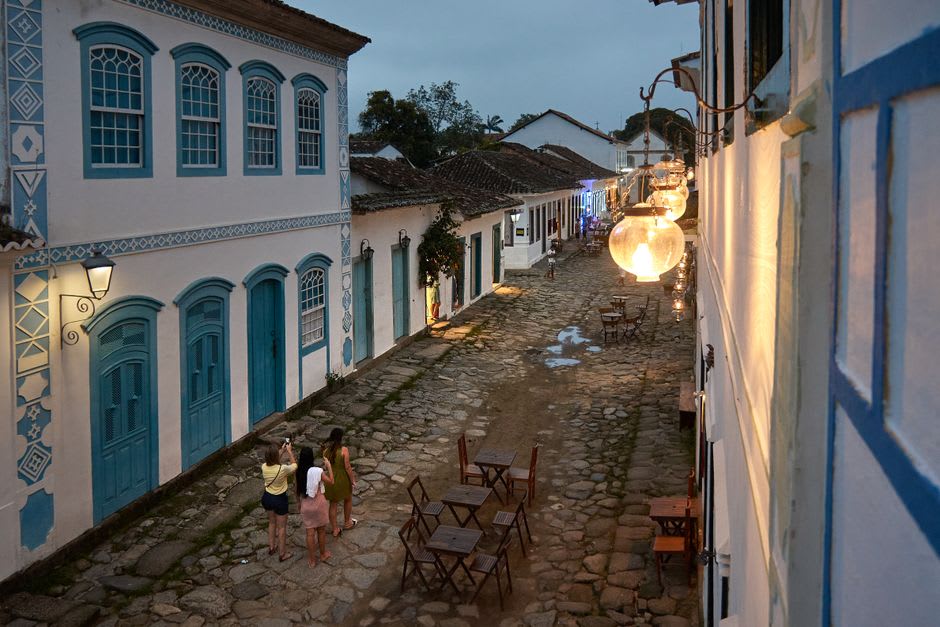
We based ourselves in Ribeira Brava, down in the fertile valley the town is named for, and it took about ten minutes of walking its cobbled streets before I stopped taking photos of the pastel colonial buildings, because I realized I’d need to take one of literally every building. There’s a stillness to the place that isn’t sleepy so much as settled — this was once home to a Catholic seminary that trained clergy for all of Portuguese West Africa, and you can feel that old institutional gravity in the architecture even now, the scale of it slightly too grand for a town this small.
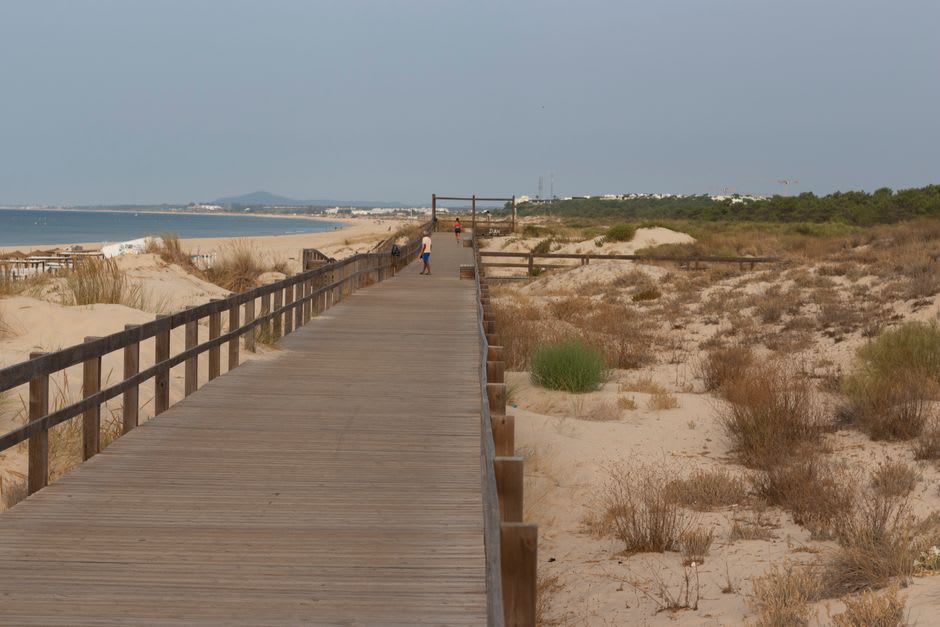
We hiked into Monte Gordo Natural Park on our second morning, starting before the heat, and I remember Lia stopping every few hundred meters just to look back at how the terraced fields dropped away below us, patches of green wedged into slopes that had no business being farmed. A local guide we hired in Ribeira Brava, an older man named Zeca, kept pointing out endemic plants I couldn’t pronounce and telling us which valleys still had families growing coffee up near the ridgeline. By the time we reached a saddle with a view clear down to the sea on both sides, my legs were done and I didn’t care.
Dinner that night was grilled fish and cachupa at a tiny place off the main square, the kind with four tables and a grandmother clearly running the kitchen, and I remember thinking São Nicolau might be the most physically dramatic place we’d seen in Cape Verde and also the one that had drawn the fewest other travelers. That contrast is most of why I’d send anyone here.
When to go: Aim for November through June — the dry season keeps the trails through Monte Gordo Natural Park firm underfoot and the views uncluttered by cloud, which matters more here than on the flatter islands.
Keep exploring
More from Cape Verde
 cape-verde
 Tarrafal
A fishing town on the north coast of Santiago with the islands' loveliest sheltered beach and the dark weight of a colonial prison camp at its edge.
Explore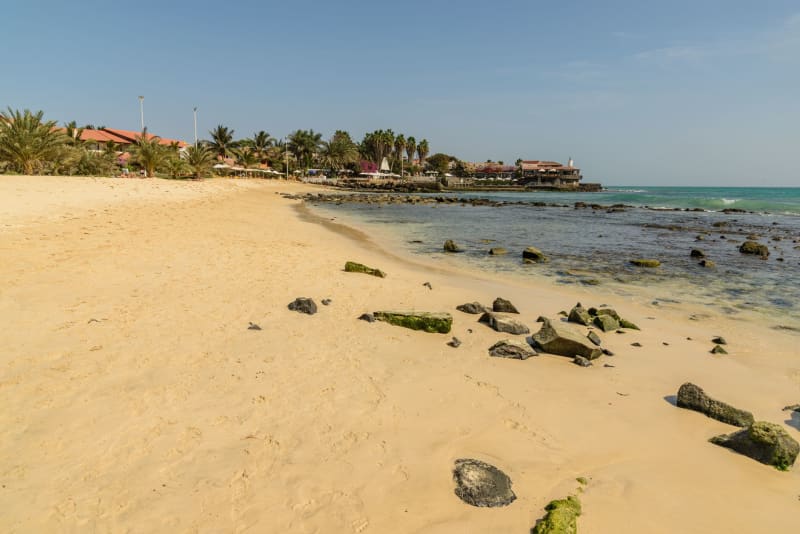 cape-verde
 Boa Vista
A desert island blown flat by trade winds, where loggerhead turtles the size of coffee tables drag themselves ashore and the dunes could pass for the Sahara.
Explore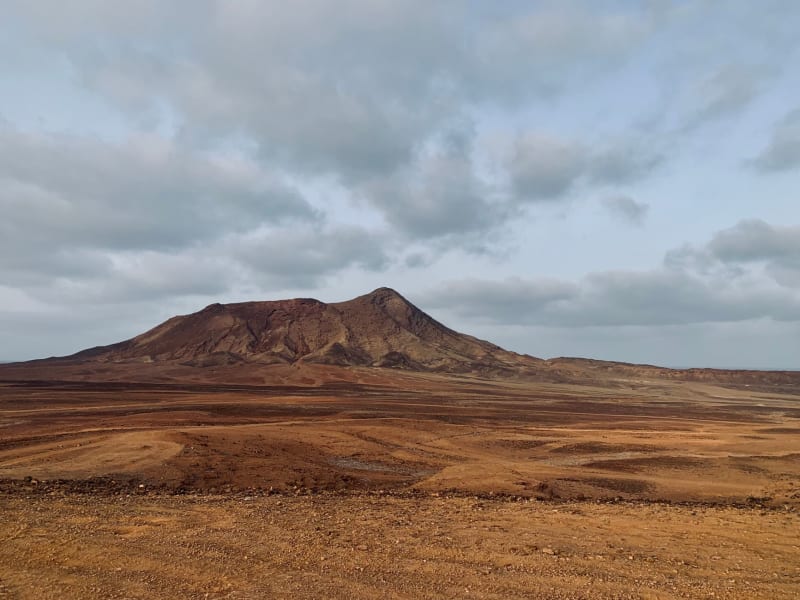 cape-verde
 Brava
Cape Verde's smallest and most remote island — reached only by unreliable ferry, drowning in flowers, and completely indifferent to being visited.
Explore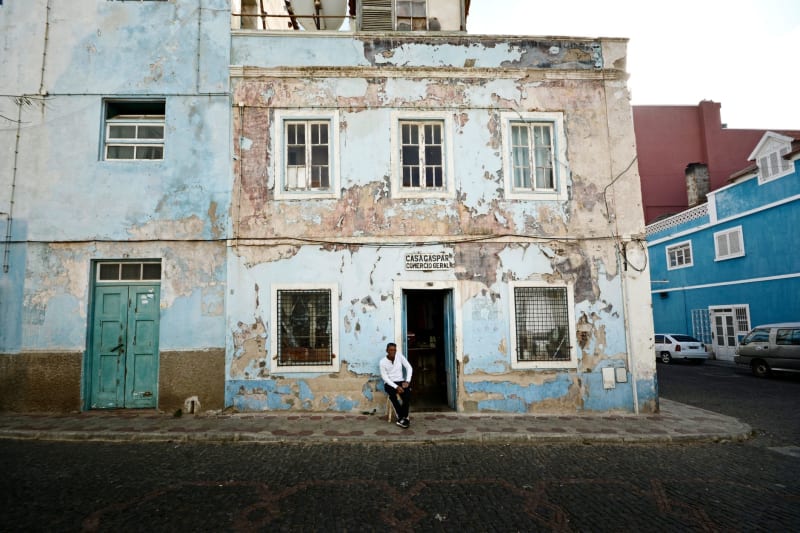 cape-verde
 Cidade Velha
The first European colonial city built in the tropics, now a UNESCO ruin on the edge of the sea where history arrives with the salt wind.
Explore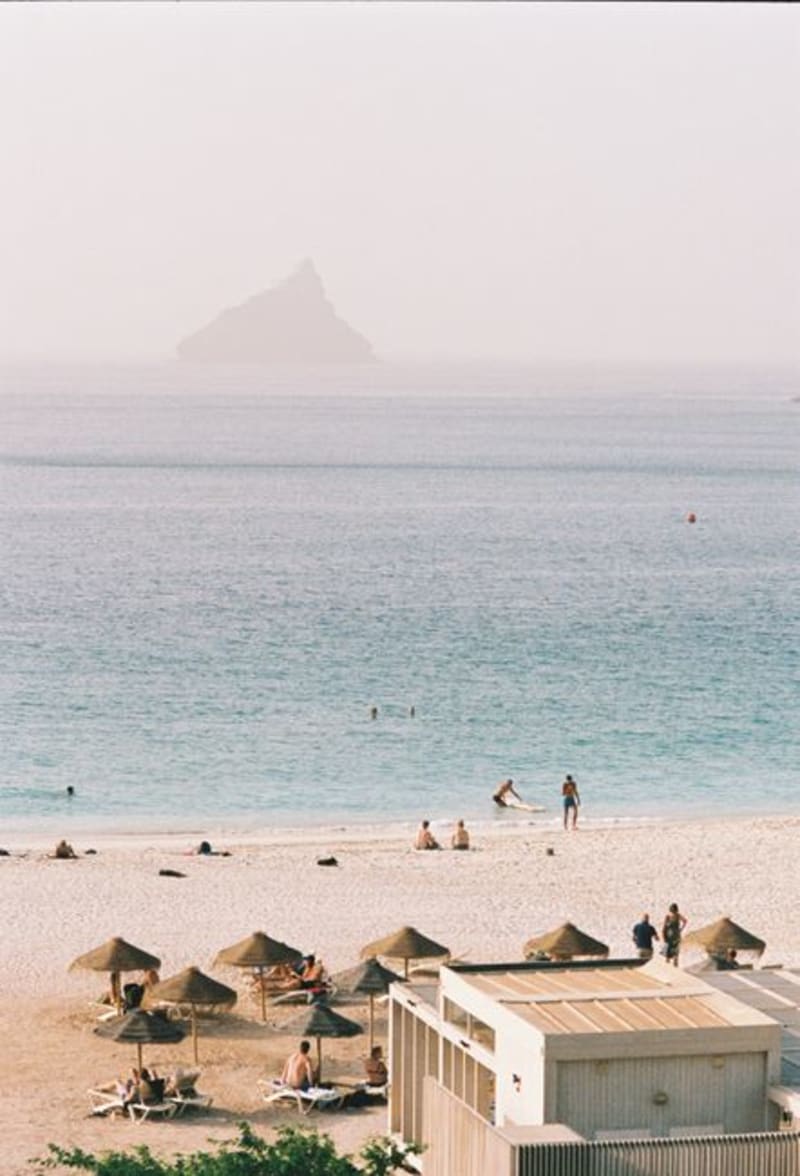 cape-verde
 Maio Island
A flat, salt-scented island of empty beaches and turtle tracks, where Cape Verde's tourist rush never arrived.
Explore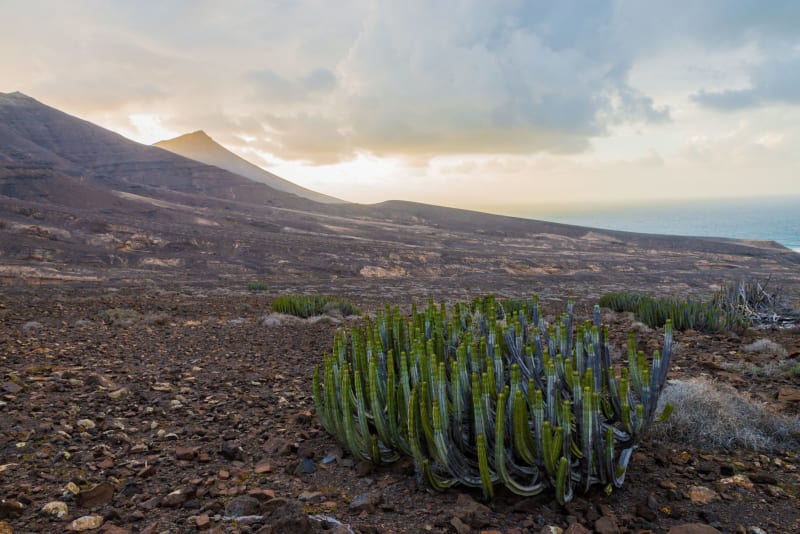 cape-verde
 Mindelo
Cape Verde's cultural soul — a Portuguese colonial port town where morna was born and Cesária Évora learned to break hearts.
Explore