
Brava
"The ferry was cancelled twice before it went. When it finally went, nobody seemed surprised by any of it."
Cape Verde's smallest and most remote island — reached only by unreliable ferry, drowning in flowers, and completely indifferent to being visited.

The ferry to Brava operates on a schedule that exists in theory and in practice to varying degrees. I waited in Fogo’s São Filipe port for four hours before the crossing was confirmed, and by the time we left the dock I had eaten two sandwiches, made friends with an elderly woman named Dona Filomena who was returning home to Brava after a medical appointment in Praia, and accepted that Brava runs on its own time — which is slower than the rest of the archipelago’s time, which is already slow. The crossing takes an hour and twenty minutes across a channel that can turn rough without notice. Dona Filomena slept through the whole thing.
Brava is the smallest inhabited island in the archipelago, with a population of around six thousand, and it functions as the counterpoint to everything that Cape Verde tourism has become. There are no resort hotels. There are almost no restaurants by any standard definition. There are guesthouses, family-run, with food that is whatever the family is cooking — which, in my case, meant goat stew on night one, fried moray eel on night two (a Brava speciality that sounds alarming and tastes like a more intense version of monkfish), and on night three an invitation to eat at the family’s own table, which is the sort of thing that happens on islands that don’t have TripAdvisor pages.

Nova Sintra, the island’s main town, sits in the cool highlands and is named with the particular homesick poetry of the Portuguese who built it: Sintra is the lush mountain town outside Lisbon that was, presumably, the closest thing memory could find as an analogy for this green place. The comparison holds in a general way — both are hill towns with ornamental gardens and a climate that surprises you by being cooler than expected. Nova Sintra’s gardens are extraordinary: bougainvillaea draped over walls, roses planted in front of sun-faded houses, lemon trees overhanging paths. The whole town smells of flowers and damp soil and the particular greenness that happens when you combine volcanic earth with Atlantic moisture.
The walking paths out of town follow ridgelines and drop through terraced valleys where the vegetation gets denser and the sound of the sea comes and goes depending on which side of the ridge you are on. I walked south for two hours to a viewpoint above the coast where the cliffs drop to the water and the ferry route from Fogo is visible on a clear day as a thin white line across the channel. Down below, the small fishing community of Furna clusters around the only flat ground on the island — the harbour. The path down is steep enough to require full attention. Coming back up took me forty-five minutes and I was breathing in a way that required silence.

What Brava gives you is the version of Cape Verde that existed before the airports. The pace is the pace of an island that has decided, at some level, that being hard to reach is not a problem to be solved. The flowers grow. The fish are caught. The ferry comes when it comes.
When to go: November through May, when the trade winds make the channel crossing more reliable and the weather on the island is at its clearest. Summer months can see the ferry cancelled for days at a time due to rough seas. Come with flexibility in your schedule — Brava will test it, gently but persistently.
Keep exploring
More from Cape Verde
 cape-verde
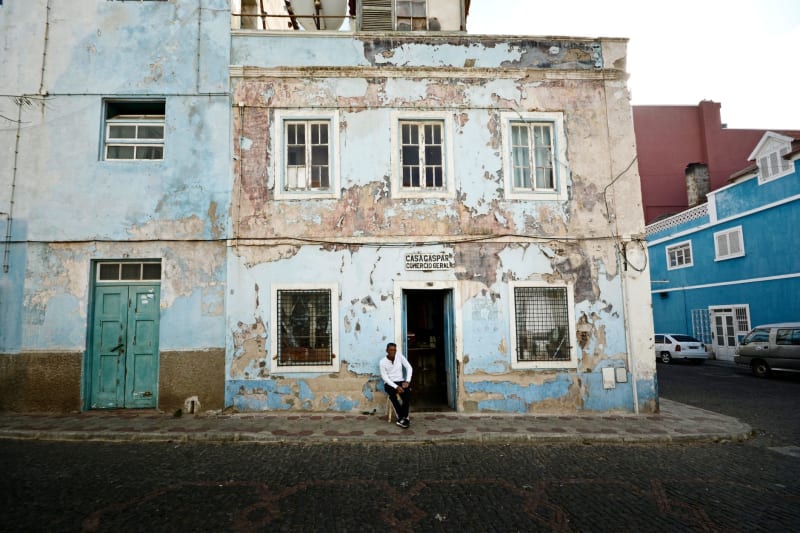
Cidade Velha
The first European colonial city built in the tropics, now a UNESCO ruin on the edge of the sea where history arrives with the salt wind.
Explore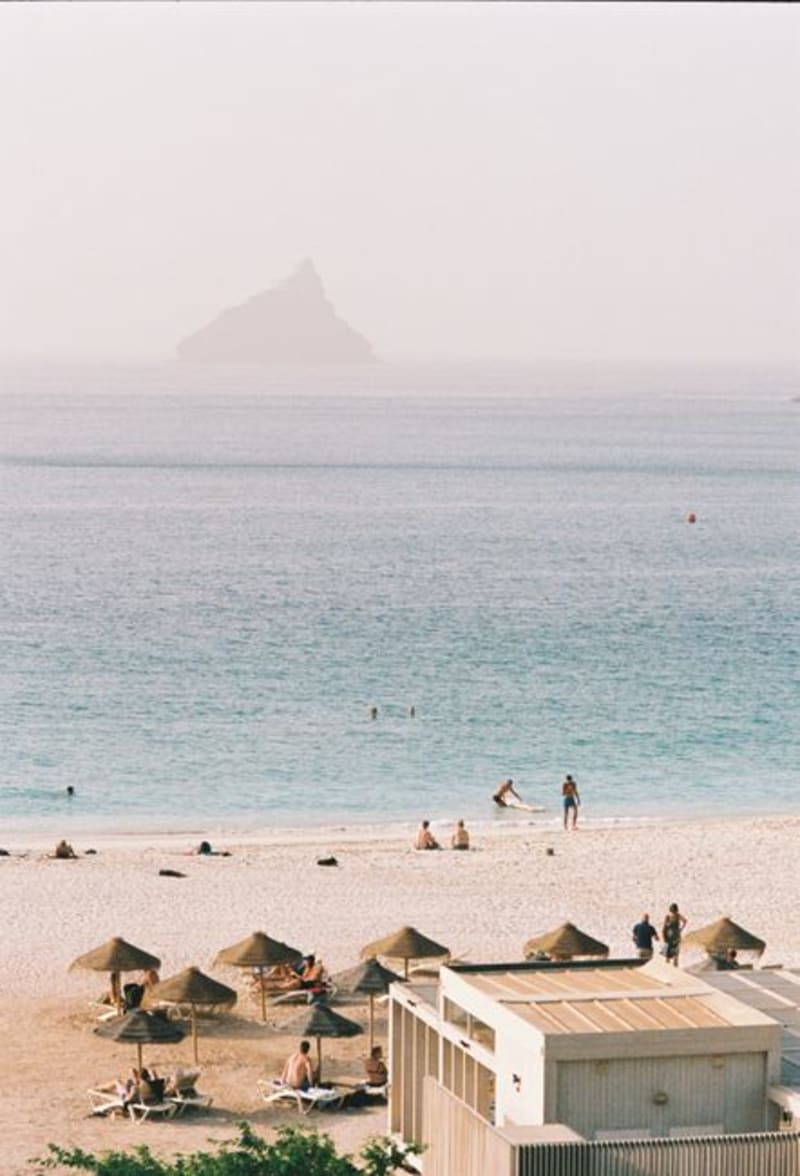 cape-verde
Maio Island
A flat, salt-scented island of empty beaches and turtle tracks, where Cape Verde's tourist rush never arrived.
Explore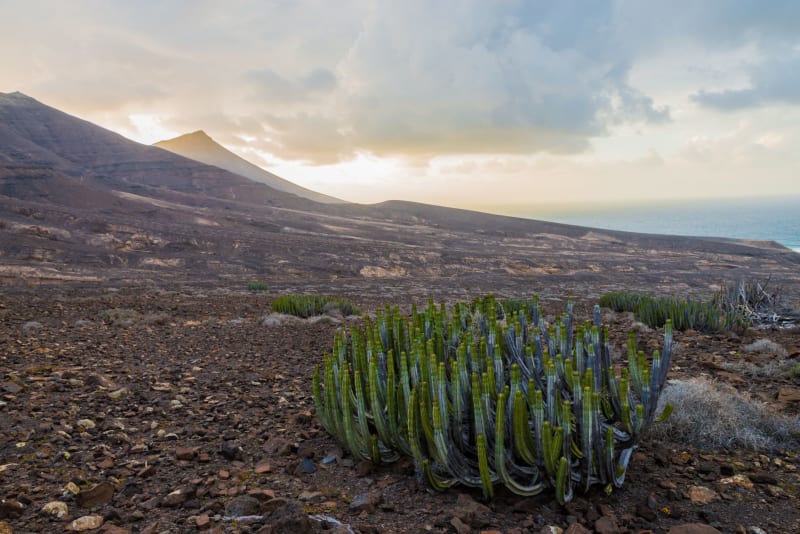 cape-verde
Mindelo
Cape Verde's cultural soul — a Portuguese colonial port town where morna was born and Cesária Évora learned to break hearts.
Explore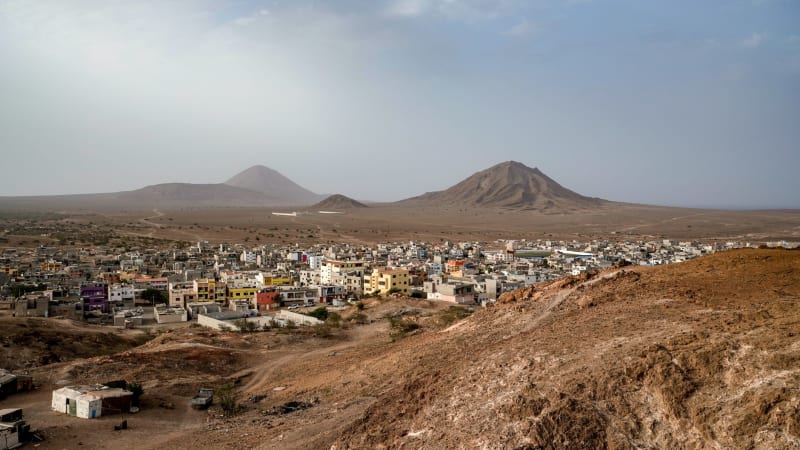 cape-verde
Pedra de Lume
An extinct volcanic crater on Sal Island filled with hypersaline brine so dense you float without trying, surrounded by the ruins of abandoned salt works.
Explore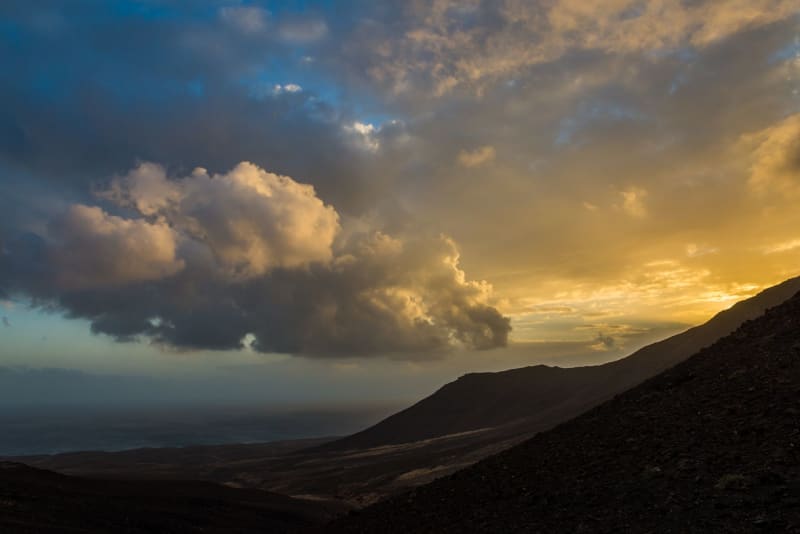 cape-verde
Pico do Fogo
An active volcano rising 2,800 metres from the Atlantic, with vineyards inside its caldera and a summit silence so absolute it stops feeling like absence.
Explore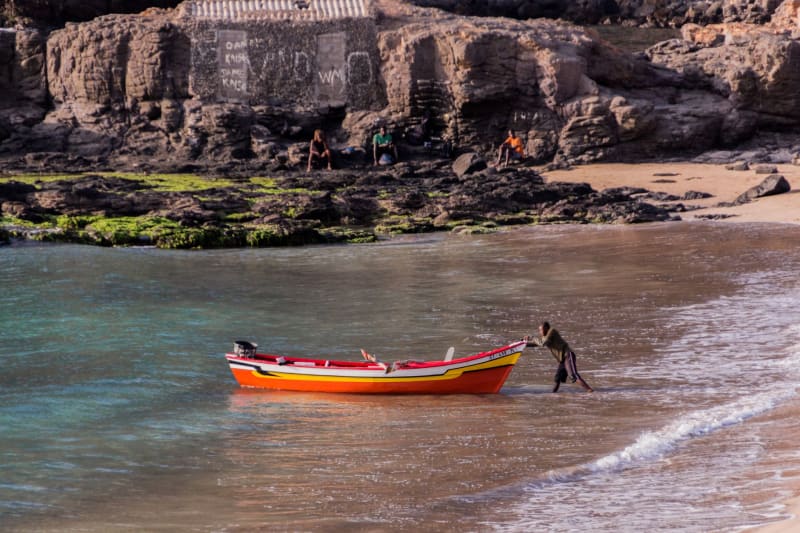 cape-verde
Praia
Cape Verde's working capital — chaotic, warm, and genuinely itself in a way that most capital cities stop being the moment tourists arrive.
Explore