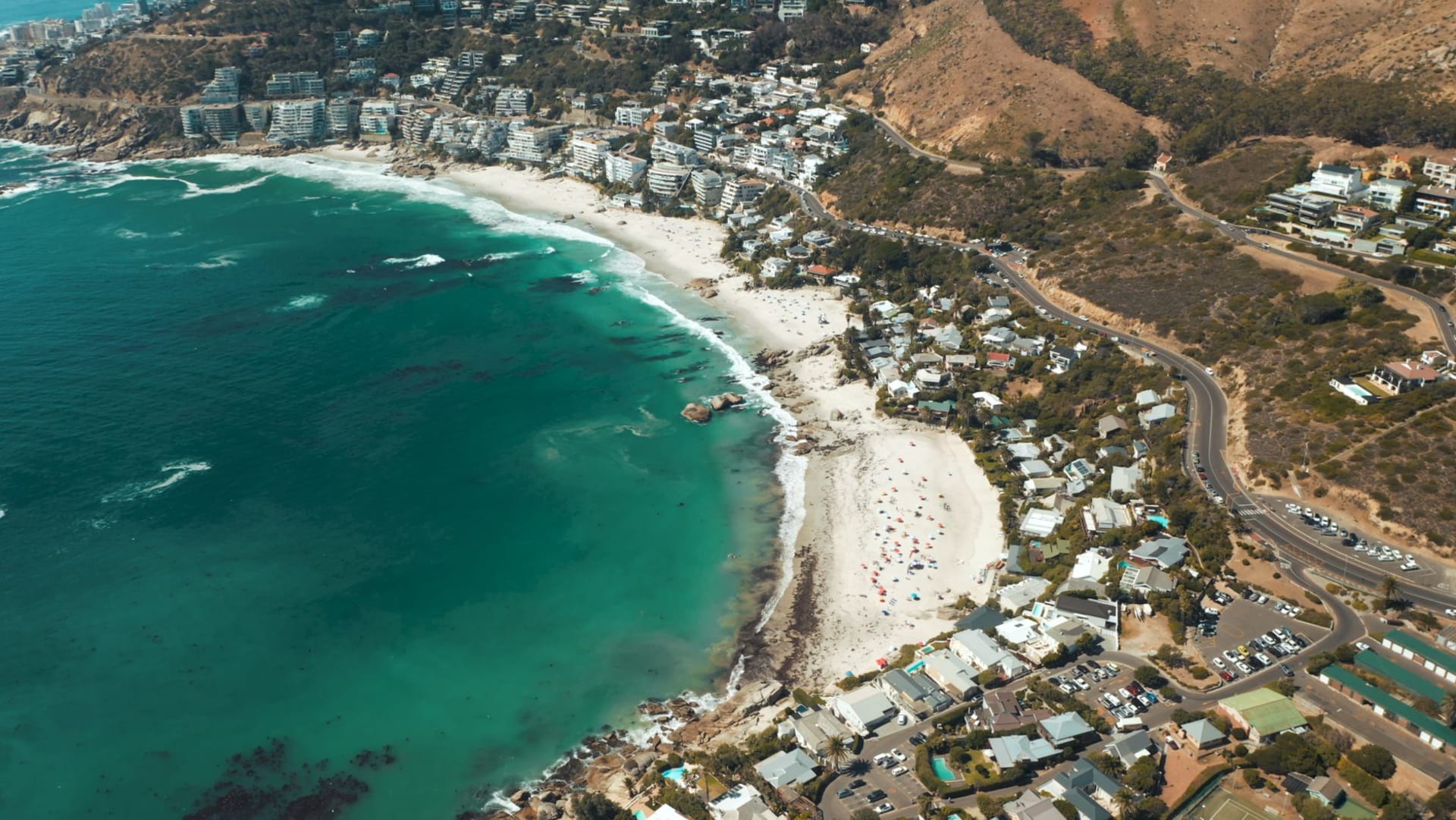
Llandudno
"The water hit my chest and I made a sound I am not proud of. Lia laughed for a full minute."
Llandudno has no shops, no promenade, no parking to speak of, and that is precisely the point. It is a small residential cove tucked into the Atlantic side of the Cape Peninsula, a perfect crescent of white sand framed by mountains and bracketed by giant granite boulders worn smooth and round, the kind you want to clamber over even at thirty-four. You reach it by winding down a steep road through expensive houses, and then the suburb simply stops and there is the sea, blindingly bright, breaking onto the sand in a way that immediately tells you this is the cold Atlantic and not the gentler False Bay side a few mountains east. We had spent the morning at warmer beaches and arrived at Llandudno late, which turned out to be the only sensible way to do it.
The cold truth about the water
I will be honest about the swimming, because nobody warns you adequately. This is the Atlantic seaboard, fed by the Benguela current straight up from the Antarctic, and the water at Llandudno is genuinely, breathtakingly cold — the kind of cold that resets your nervous system and makes you forget your own name for a second. I waded in with the confidence of a man who lives in Mexico and has forgotten what cold water means, and the moment it reached my chest I made an undignified noise that Lia has since described to several people. The locals, of course, swim it without flinching. The trick, I am told, is to commit completely and go under fast, which I eventually did, and the few minutes afterward — skin tingling, heart hammering, the whole bay glittering — were worth every second of the shock.
Stay for the sunset
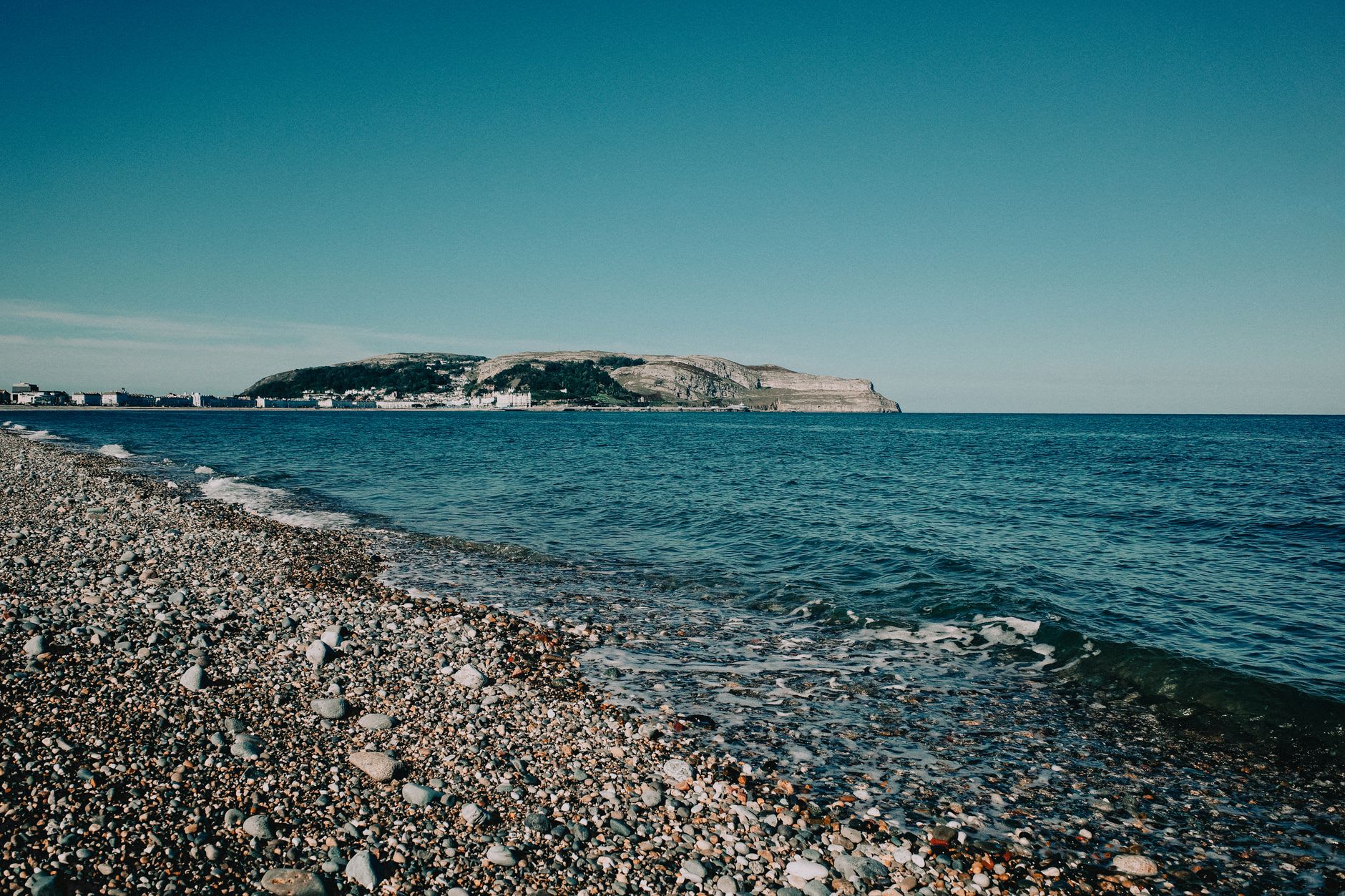
What everyone actually comes for, swimmers and non-swimmers alike, is the sunset. Llandudno faces west into open ocean, and the boulders at the edges of the beach become a natural grandstand. As the evening came on, the sand filled quietly with people — couples, families, a group of teenagers with a guitar, a man walking a dignified old dog — all arranging themselves on the rocks and the sand to watch the sun go down. There is no commentary, no bar, nothing to buy; you simply sit and watch the sky do its work over the Atlantic, the granite turning gold then pink then grey. If you have the energy, the trail south over the headland leads to Sandy Bay, a more isolated beach with no road access at all, which keeps it gloriously empty and, for those so inclined, clothing-optional.
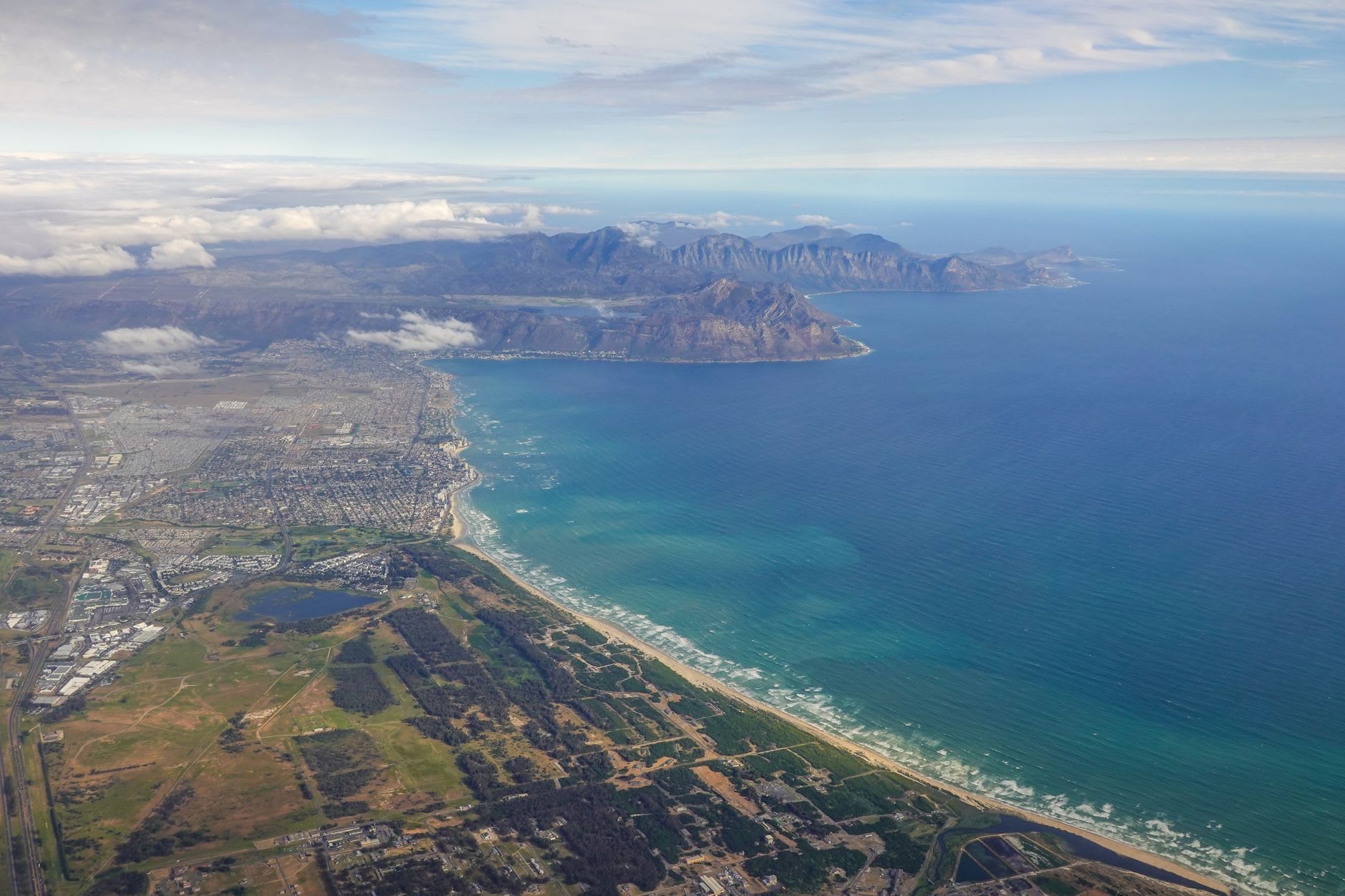
When to go: The Cape summer, November through March, brings the warmest, longest days and the best beach weather, though it is also when the southeaster wind can howl — Llandudno is somewhat sheltered, which is part of its appeal. Late afternoon into sunset is the time to arrive, both for the light and because parking is brutally limited and the midday crowds thin out by then. Bring everything you need, including water and a towel, because there is nothing to buy here, and that absence is the whole charm.