
La Orotava
"The balconies in La Orotava are works of joinery so fine you wonder who they were trying to impress."
La Orotava announced itself through the car window before I’d even parked: terraced hillsides dropping in green steps toward the coast, the smell of wet earth and something floral I couldn’t quite name, and then suddenly the old town itself rising up the slope in a geometry of whitewashed walls and dark timber. I’d driven north from the lunar south of the island expecting a pretty colonial town. What I found was something more complicated and more alive than that.
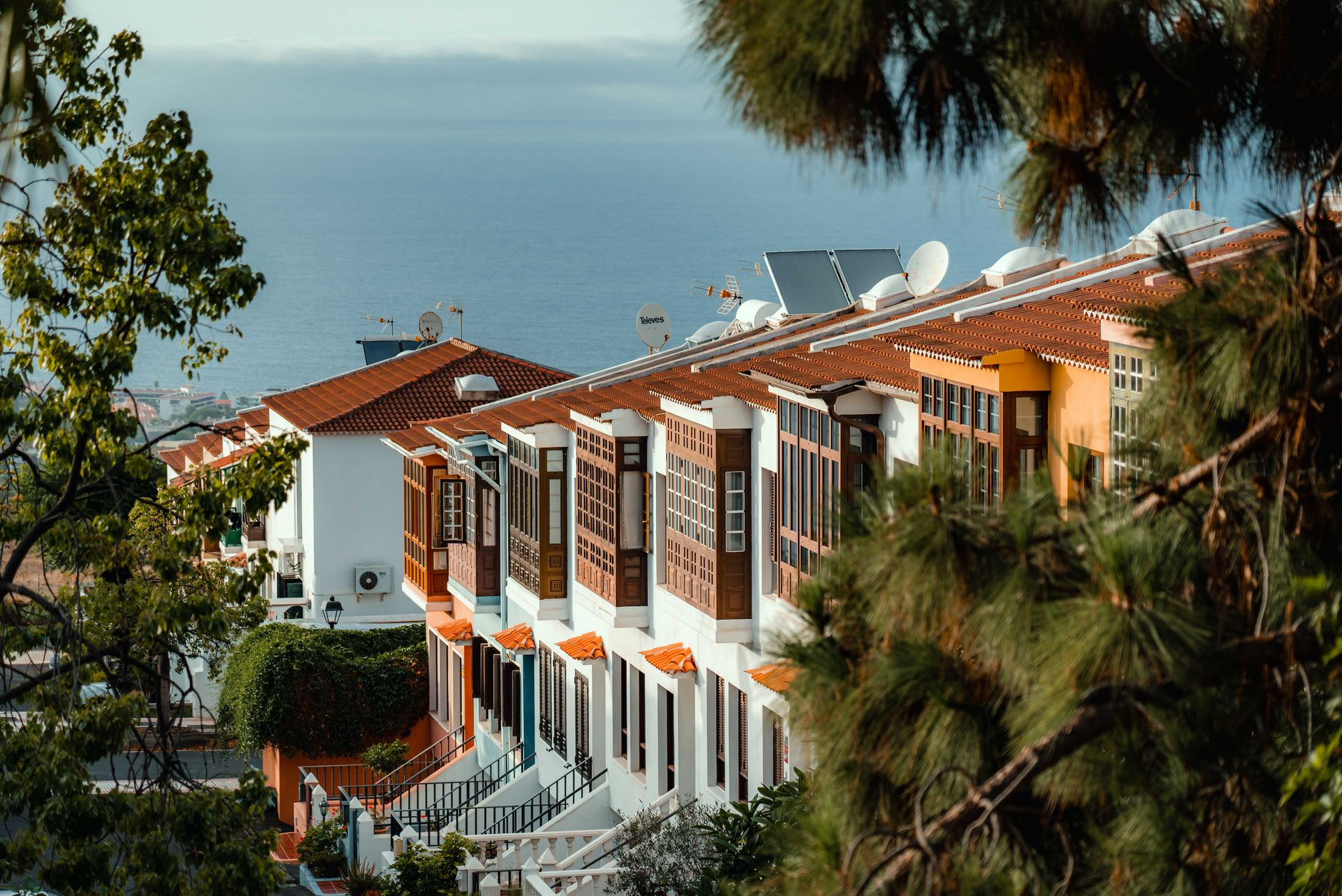
The historic centre is built around a handful of mansions — casas señoriales — whose carved wooden balconies are genuinely unlike anything else in the Spanish world. The wood is Canarian pine, worked into lattices and screens of an almost obsessive intricacy, and they enclose the upper floors of the old merchant houses like delicate cages. Local craftsmen still repair them. On Calle San Francisco I watched an old man sanding a section of balustrade outside a building that had probably stood there for three hundred years, neither of us in any particular hurry.
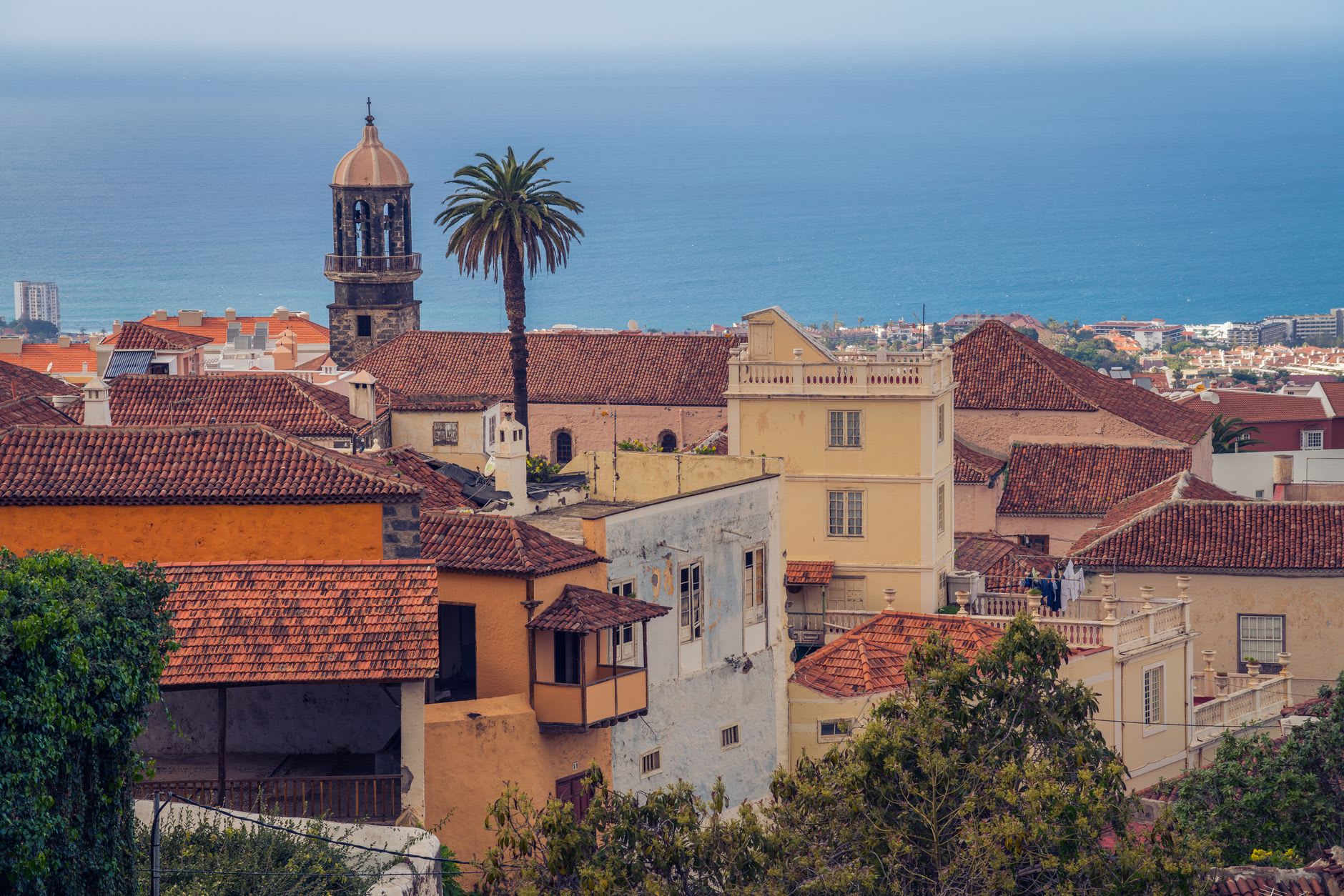
The town is most famous for its Corpus Christi celebrations, when local artists create elaborate carpets of flowers and volcanic sand on the streets outside the Church of La Concepción — a baroque structure whose twin towers dominate the upper town and whose interior smells of incense and old stone and the particular silence of a building that has absorbed centuries of prayer. I was there in April, months before the carpets, but the church was still unlocked in the afternoon and I sat in one of the pews for a while, watching light move across the gilded altarpiece.
Below the church, the Jardín Victoria offers a terrace garden with one of the great unremarked views in the Canaries: the entire Orotava Valley fanning out below, the ocean a silver line at its base, and Teide hovering above everything like a presence rather than a mountain. I had a cortado at the garden café and the woman behind the counter pointed out a dragon tree she said was over three hundred years old, growing in a corner of the garden with the unassuming solidity of something that has watched generations come and go without special comment.
In the evening I ate papas arrugadas at a restaurant on the main square — the wrinkled potatoes were exactly right, their salt crust almost white, the mojo rojo bright with cumin and dried pepper — and listened to two men at the next table argue about something in the fast, dropped-consonant Canarian Spanish that I can follow well enough in the market but lose entirely when people get animated.
When to go: Spring (March to May) for wildflowers and the best light in the valley. Corpus Christi (May or June, depending on the year) for the famous flower carpets — arrive early on the morning of the procession. Avoid August: the town is manageable, but the valley heat is punishing.