Europe
Canary Islands
"Africa's latitude, Europe's passport — the Canaries don't fit any category."
The first thing I noticed landing in Tenerife was the smell: dry, mineral, faintly sulfurous, nothing like southern Spain. The airport sits on the south of the island, a sun-blasted coast of dark rock and German package tourists, and I almost turned around. I didn’t. I drove north, past banana plantations and roadside stands selling local papas arrugadas, and within forty minutes the island had become something entirely different — green, steep, Atlantic-facing, with clouds sitting on the ridgeline like a hat that doesn’t quite fit.
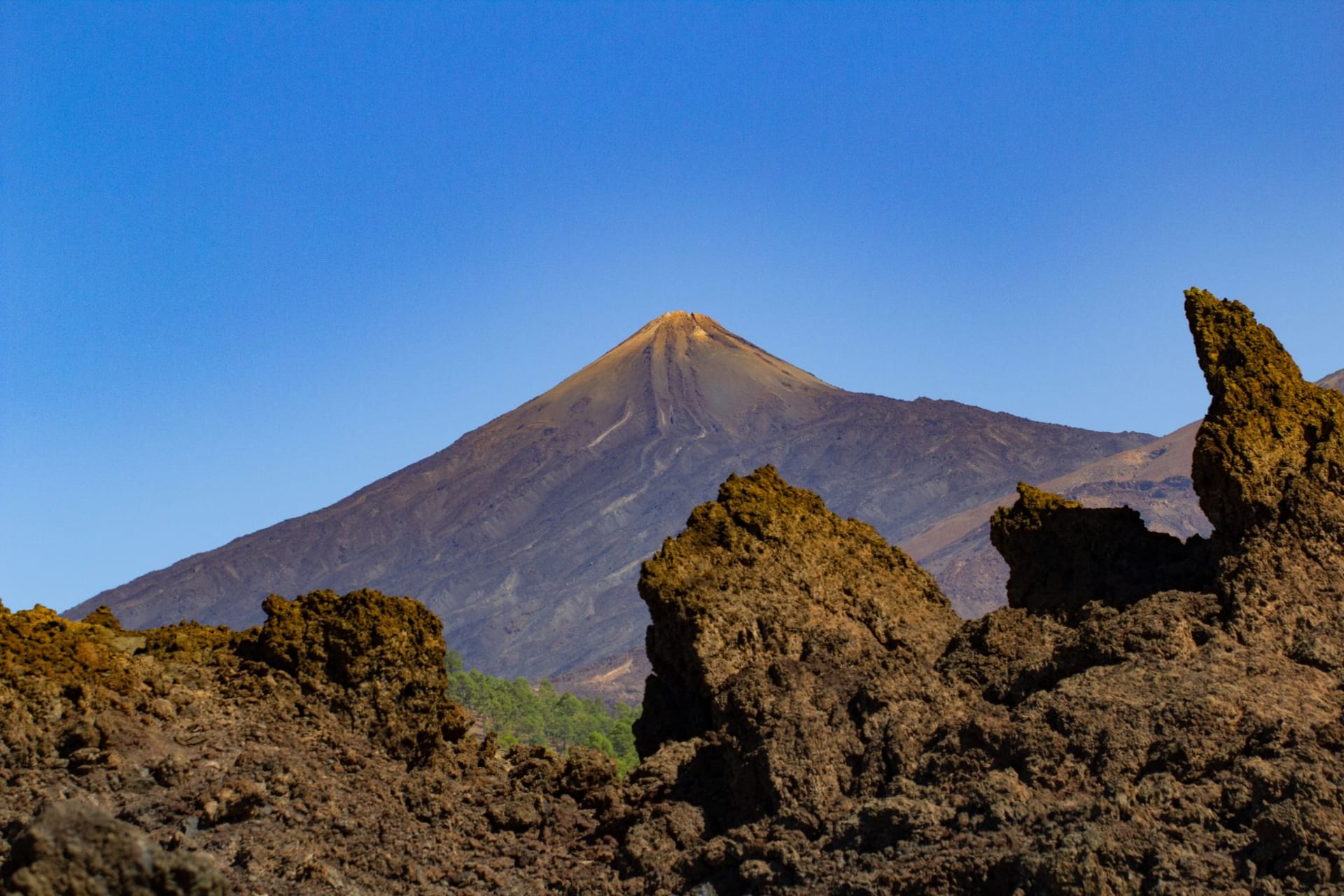
The Canaries have a geography that shouldn’t make sense. These are African islands wearing a European passport, sitting at the latitude of the Sahara, cooled by the Humboldt Current and the trade winds into something surprisingly temperate. Teide, the volcano that dominates Tenerife, is the highest point in Spain at 3,715 meters, and the landscape around it looks more like the surface of the moon than anything I’d seen in Europe. I hiked up at dawn, before the cable car crowds arrived, and stood in silence above the clouds watching Gran Canaria float in the distance across water the color of pewter.
But the real revelation was Gran Canaria itself — specifically the interior, which almost nobody visits. The island’s capital Las Palmas draws people in for its beaches and its Carnival, but an hour south you’re driving through mountain villages that grow their own tomatoes and make their own mojo verde and where the nearest tourist is probably lost. Tejeda, Artenara, the caldera rim at Cruz de Tejeda on a foggy afternoon — this is the version of the Canaries that the brochures forget to mention.
When to go: November through March is ideal — the islands are mildest when the rest of Europe is grey, which is precisely why they’ve always functioned as Europe’s winter escape. Avoid August, when the southern resort strips of Tenerife and Gran Canaria feel indistinguishable from a Benidorm replica. Spring (March to May) is underrated: wildflowers on the hillsides, full reservoirs, almost no one at the trailheads.
What most guides get wrong: They sell the Canaries as a beach holiday with a volcano backdrop. The beaches are fine, but that’s not the point. These islands have seven distinct microclimates, centuries-old agricultural traditions, a cuisine built around wrinkled potatoes and mojo sauces and fresh fish grilled on the docks, and hiking trails through laurisilva cloud forests that feel prehistoric. You can spend a week on a sun lounger in Playa del Inglés, or you can spend the same week exploring something that genuinely has no European equivalent. The choice is obvious.