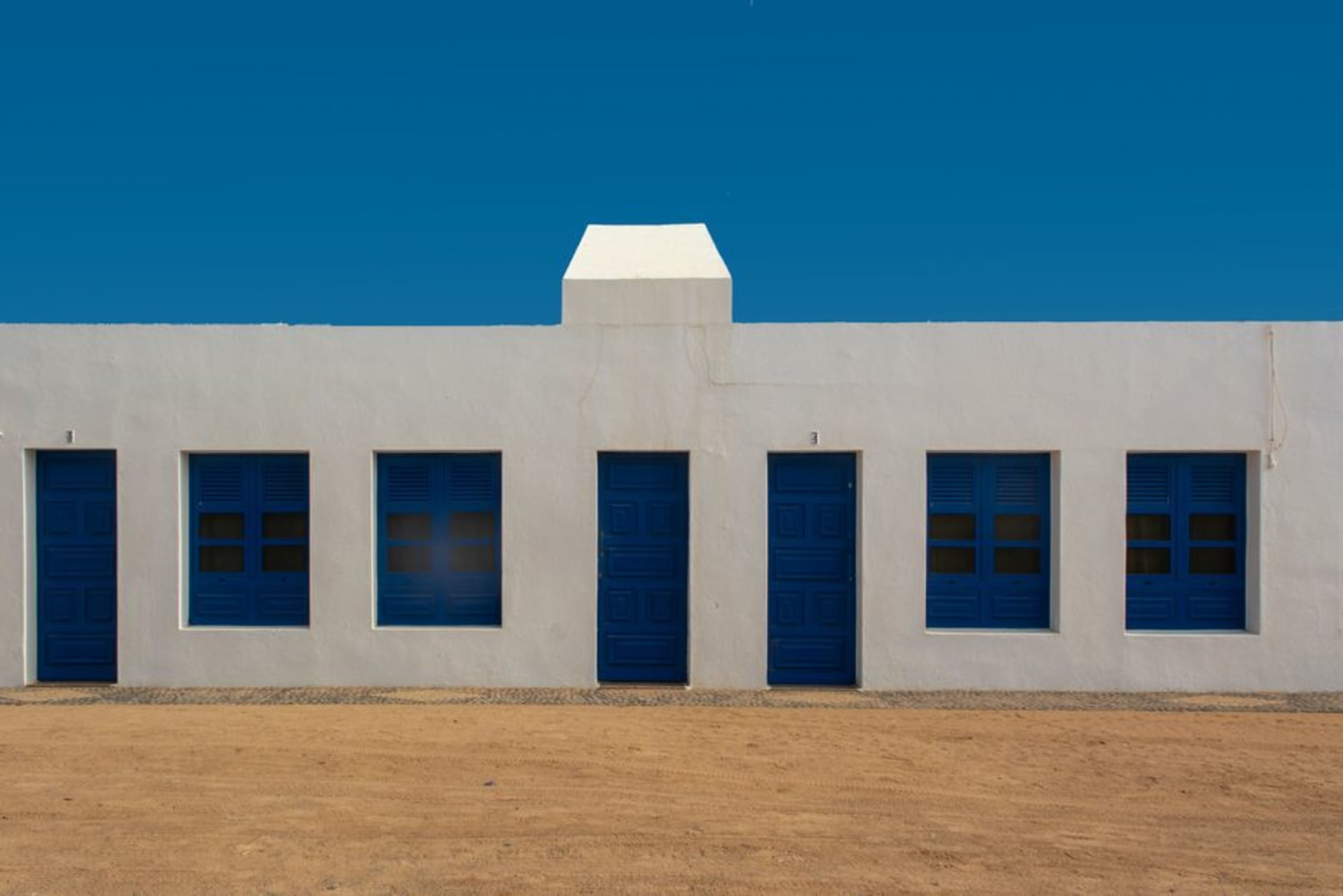
La Graciosa
"I kept expecting the sand under my feet to turn back into pavement, and it just never did — the whole island runs on sand."
A car-free island off Lanzarote where the streets are sand instead of pavement and the coves run an almost unreal turquoise.

The ferry from Órzola takes about twenty-five minutes to cross the strait to La Graciosa, and somewhere in the middle of that short crossing the water shifts from Atlantic navy to a turquoise so bright it looks retouched. I remember Lia leaning over the rail saying “that can’t be real,” and then twenty minutes later we were standing in it, and it was.
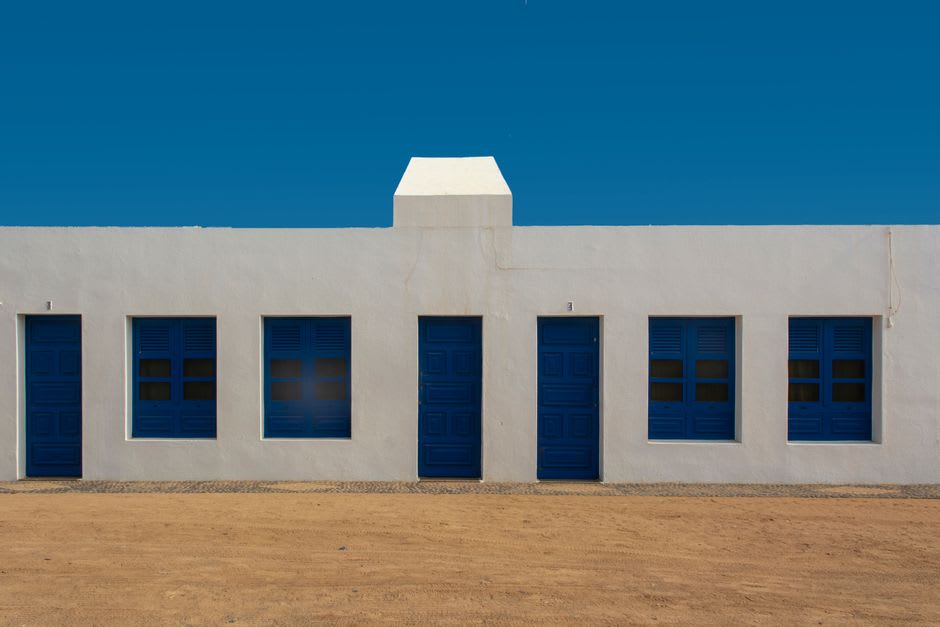
What struck me first on land wasn’t the color of the water, though — it was the streets. La Graciosa has no paved roads at all in its main village, Caleta del Sebo. You walk on packed sand between low white houses, past a handful of pickup trucks that are apparently the only motorized vehicles permitted on the whole island, and it genuinely disorients your sense of what a town is supposed to feel like underfoot. There’s something almost meditative about it — no traffic noise, no exhaust, just sand crunching and the occasional goat.
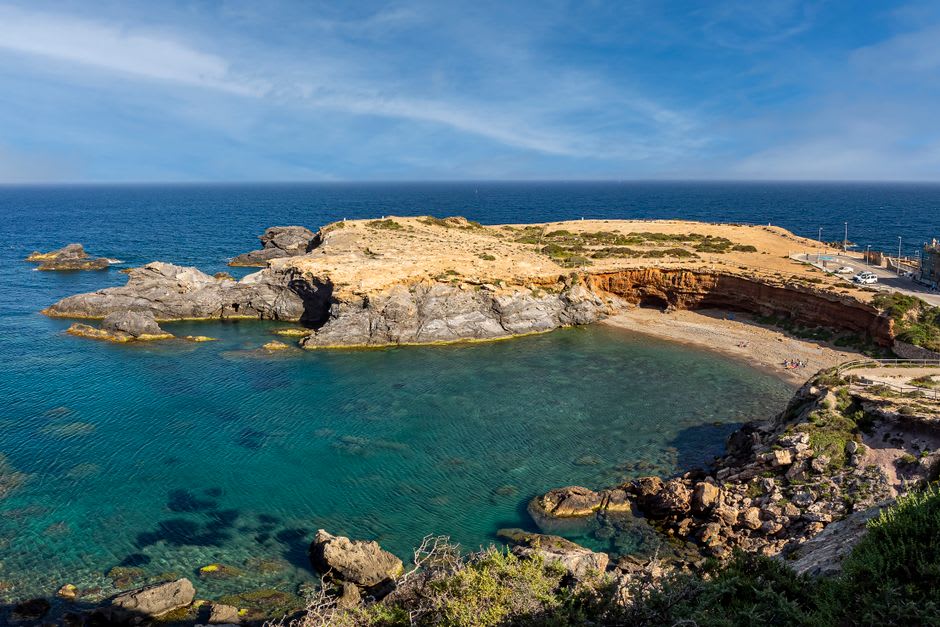
We rented bikes for the day, which is really the only sane way to see much of the island beyond the village, since there’s no real public transport and the interior is volcanic desert with almost no shade. We rode out toward Playa de las Conchas on the northwest side, and it’s one of those beaches I’d hesitate to describe accurately because it sounds exaggerated: pale sand, water in three visible shades of blue depending on depth, and volcanic cliffs rising behind it with zero infrastructure in sight. The current there is genuinely dangerous for swimming, something every guide and sign repeats, so we just sat and looked, which honestly felt like enough.
By early afternoon the heat off the volcanic rock was serious, and we were glad to be back in Caleta del Sebo, sitting outside a small restaurant eating fresh grilled fish with our sandy feet still in our sandals, watching fishermen mend nets on the dock a few meters away. There’s no ATM that reliably works, spotty phone signal, and maybe 700 permanent residents on the whole island — it’s the kind of place that reminds you how recently the rest of the Canaries got built up, and how different things still look when a place stays small on purpose.
When to go: Go between April and June or in September for calm seas and manageable heat; bring cash, since card acceptance on the island is unreliable.
Keep exploring
More from Canary Islands
 canary-islands
La Orotava
A colonial Canarian town of dragon trees and carved wooden balconies that clings to a hillside as if reluctant to let go of the valley below.
Explore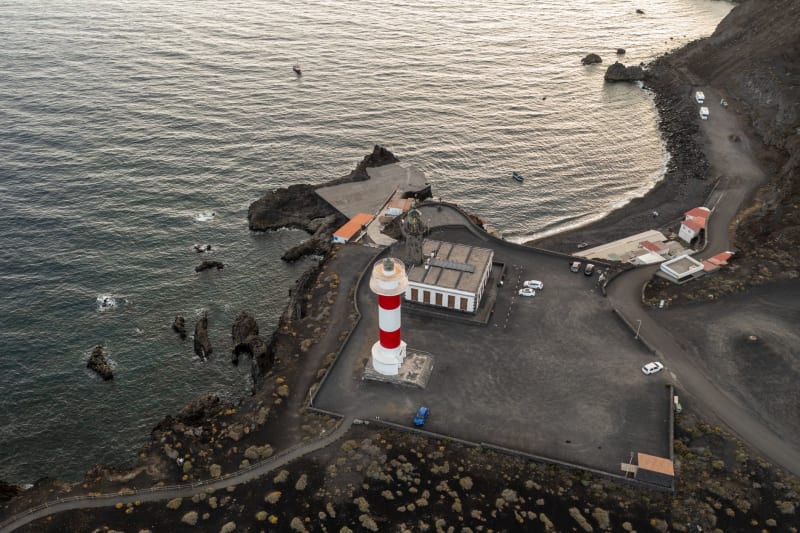 canary-islands
La Palma
The steepest island in the world by topography, with a caldera big enough to swallow a city and a sky so dark the international astronomy community built its most sensitive telescopes here.
Explore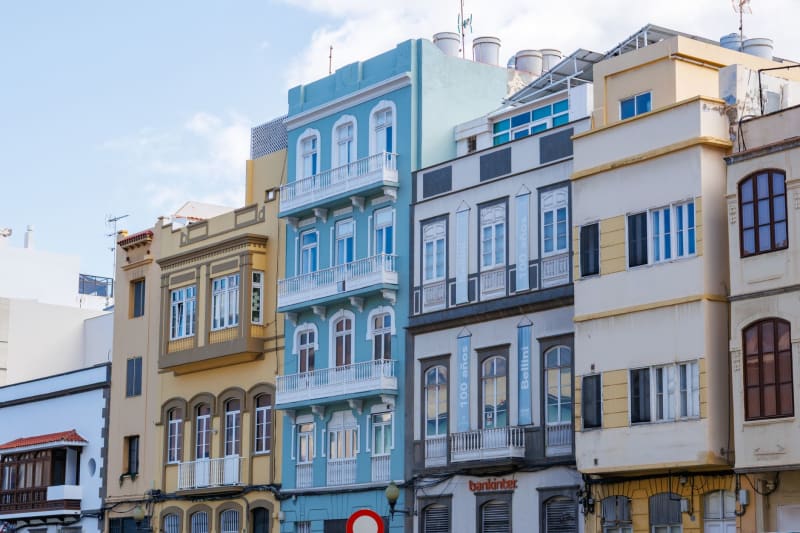 canary-islands
Las Palmas de Gran Canaria
A port city with a Vegueta old quarter that Columbus slept in and a waterfront promenade where every language in Europe seems to be spoken at once.
Explore canary-islands
Maspalomas
A protected field of rolling dunes at the southern tip of Gran Canaria, a miniature Sahara that ends abruptly at the Atlantic and a lighthouse.
Explore canary-islands
Mirador del Rio
A clifftop viewpoint on Lanzarote's northern tip, carved into the rock by Cesar Manrique to frame La Graciosa across the strait.
Explore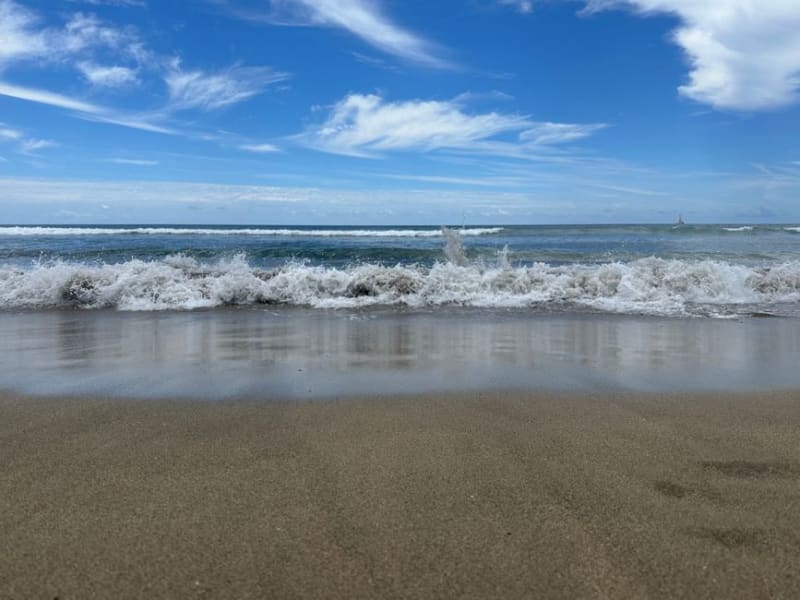 canary-islands
Playa de las Canteras
A three-kilometer city beach on Gran Canaria where Las Palmas locals swim, surf and stroll the promenade every single day of the year.
Explore