
Mirador del Rio
"We'd just come from La Graciosa the day before, and seeing the whole island laid out below us from up here made the trip feel complete."
A clifftop viewpoint on Lanzarote's northern tip, carved into the rock by Cesar Manrique to frame La Graciosa across the strait.

You don’t really see Mirador del Rio until you’re inside it, which is exactly what Cesar Manrique intended. From the road on Lanzarote’s northern tip, near the village of Ye, there’s almost nothing visible — no glass box perched on the cliff edge, no obvious structure at all. He built the whole viewpoint into the volcanic rock of Risco de Famara, four hundred meters above the sea, so that from outside it barely disturbs the cliffline. You walk through a tunnel-like entrance, past curved white walls that feel more like a cave than a building, and then the space opens onto two enormous picture windows and suddenly the entire strait is laid out in front of you.
That view is the whole reason to come. La Graciosa sits directly below, close enough that you can trace the sand streets of Caleta del Sebo and the pale curve of Playa de las Conchas we’d walked the day before. Beyond it, the smaller islets of Montaña Clara and Alegranza scatter northward, and the water between them runs through five or six distinct shades of blue depending on depth and current. Lia and I stood at the window for a long while without saying much — it’s one of those views that makes small talk feel unnecessary.

What I appreciated most, on reflection, is how the building itself never competes with the landscape. Manrique used local volcanic stone, white lime render, and organic curved shapes throughout, echoing the traditional Lanzarote architecture he championed his whole career — no glass towers, no concrete slabs, nothing that reads as imposed. There’s a small café inside built into the same rock, and even the furniture follows the curves of the walls. It’s restrained in a way that feels almost radical for a viewpoint this dramatic; most places with a view this good would slap a five-story hotel on top of it.

We’d rented a car for the day and combined the mirador with a slow drive through the Malpaís de la Corona, the surrounding lava field, which puts the whole site in context — this is genuinely inhospitable volcanic terrain, and the fact that Manrique carved something this elegant out of it says a lot about how he thought about the island. By the time we left, the afternoon light was raking low across the strait, and the water had shifted color again without us noticing.
When to go: Arrive in the morning before the tour buses, and pick a clear day — cloud or haze over the strait can hide La Graciosa entirely.
Keep exploring
More from Canary Islands
 canary-islands
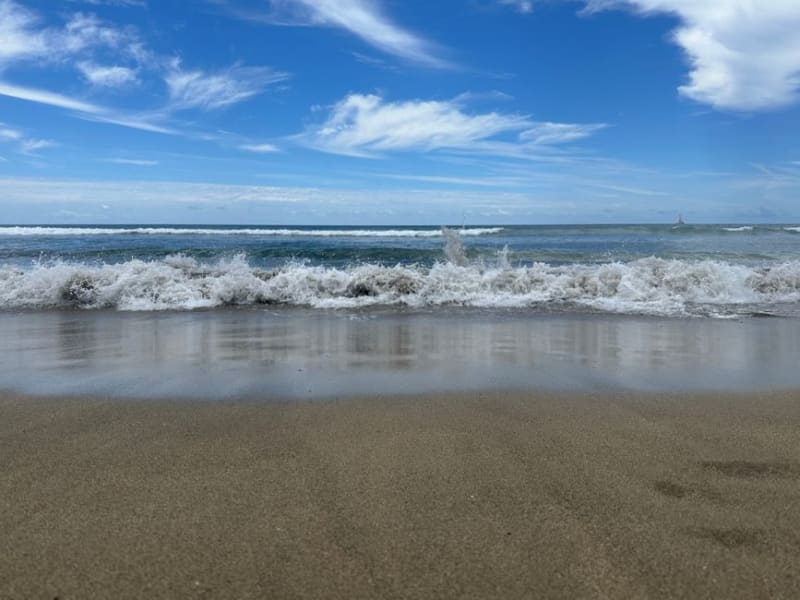
 Playa de las Canteras
A three-kilometer city beach on Gran Canaria where Las Palmas locals swim, surf and stroll the promenade every single day of the year.
Explore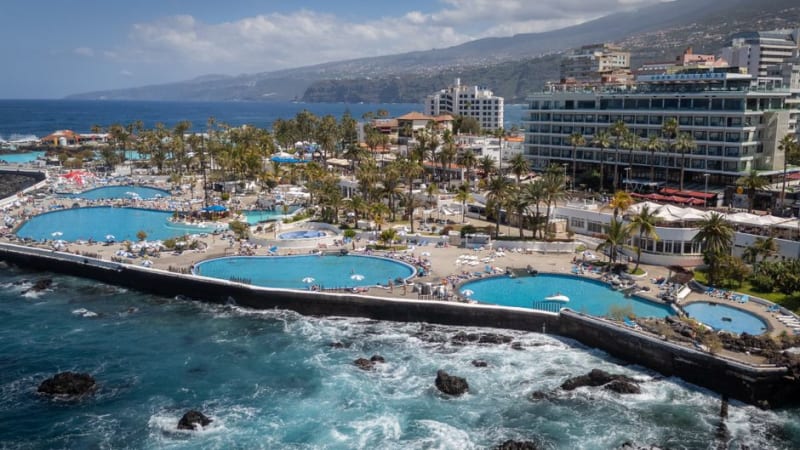 canary-islands
 Puerto de la Cruz
Tenerife's original tourist town, where Cesar Manrique built saltwater lagoons into the black volcanic coastline decades before anyone else thought to.
Explore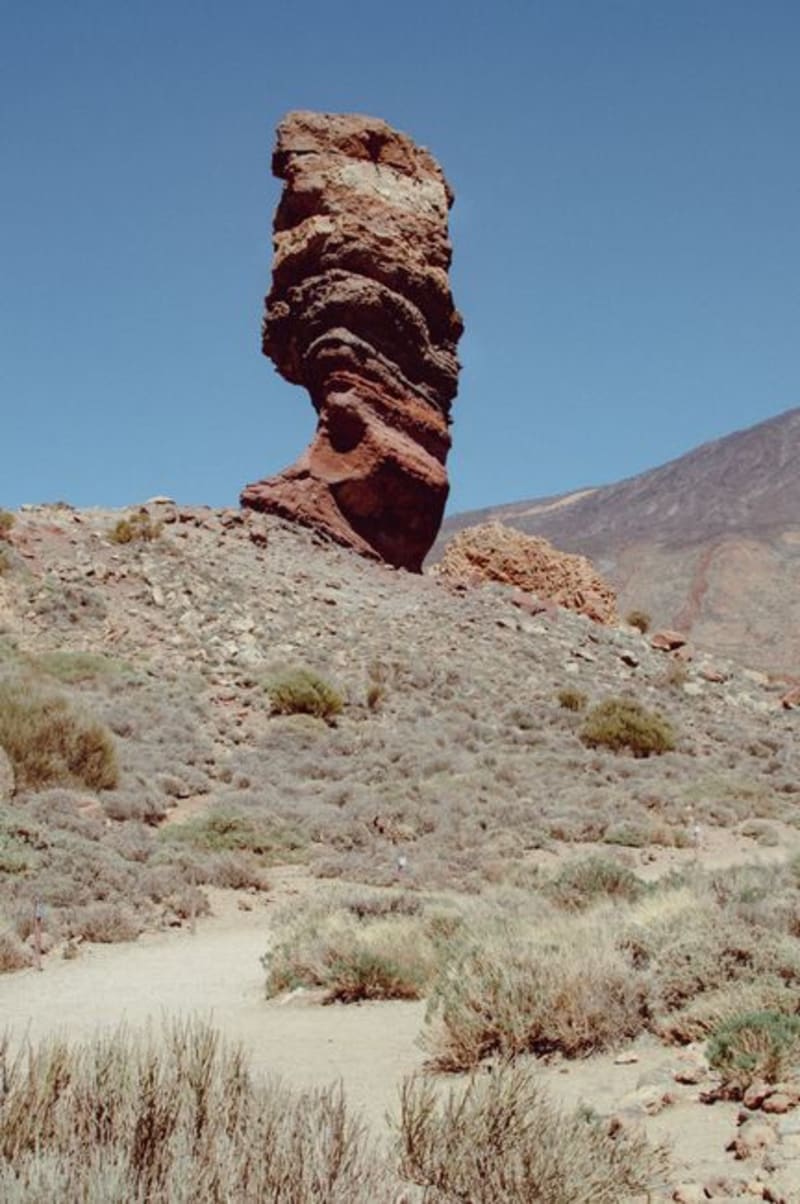 canary-islands
 Roque Nublo
A basalt giant standing above the clouds on Gran Canaria, sacred to the Guanches and still capable of stopping you mid-step.
Explore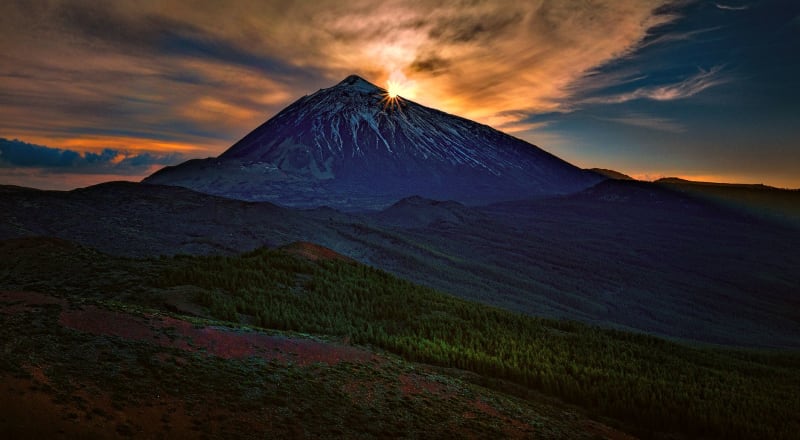 canary-islands
 Teide National Park
A summit that stands above the clouds and looks more like Mars than Spain, reshaping every idea you had about what an island can be.
Explore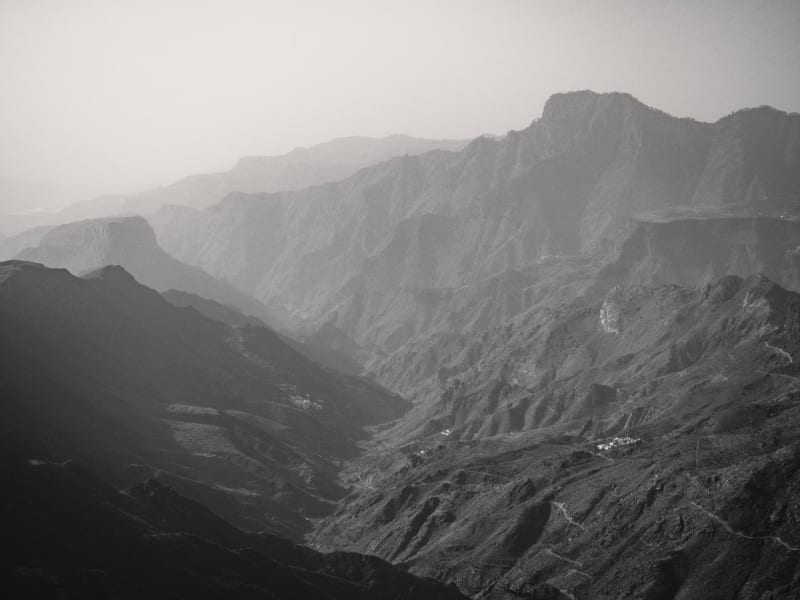 canary-islands
 Tejeda
A mountain village on the rim of Gran Canaria's ancient caldera where almond trees bloom in February and the whole island spreads below in a panorama that feels almost theatrical.
Explore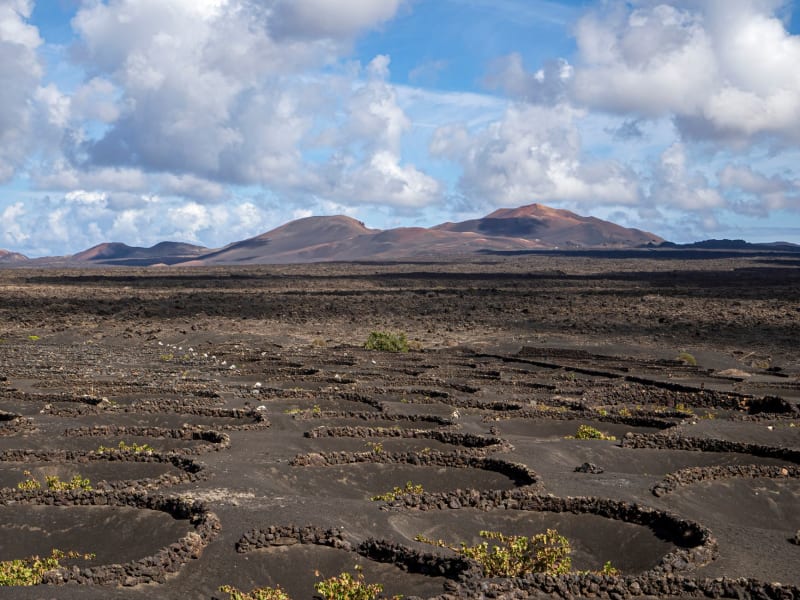 canary-islands
 Timanfaya National Park
Lanzarote's volcanic fire park, where the ground still burns two hundred years after the eruptions and the landscape looks assembled from another planet's geology.
Explore