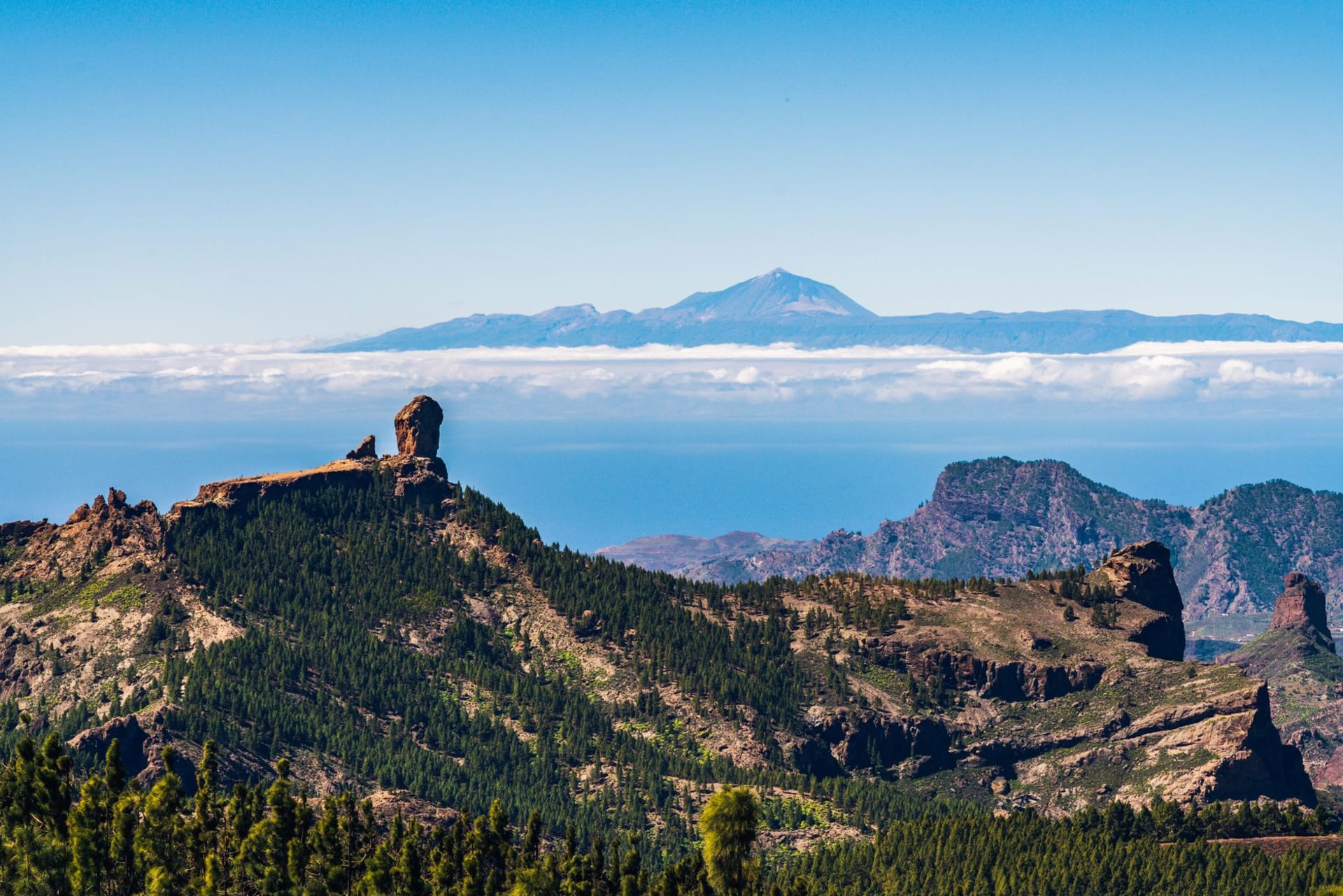
Garajonay National Park
"Garajonay is not a forest you visit. It is a forest you disappear into for a while."
The ferry from Tenerife takes fifty minutes and deposits you at San Sebastián de la Gomera, a small port that feels a century removed from the southern resort strips of its larger neighbour. From there the road climbs immediately into the interior, switchbacking through terraced banana plantations and then into the laurisilva — the ancient laurel forest that covers the upper third of the island and forms the Garajonay National Park. By the time you reach the ridge at Alto de Garajonay, the highest point on the island at 1,487 meters, you are entirely inside cloud.
The laurisilva of Garajonay is a Tertiary relict forest, the same prehistoric ecosystem as Anaga on Tenerife but here covering a much larger and more continuous area, some 4,000 hectares declared a UNESCO World Heritage Site in 1986. The trees — laurels, tree heathers, Canarian willows, linden trees — grow so densely and at such angles that the canopy blocks most light and the forest floor is perpetually twilit, carpeted in mosses so various and thick they seem to have their own taxonomy. Everything drips. The cloud that sits on the ridge condenses on the leaves and falls as a soft persistent horizontal rain even when no weather is technically happening.
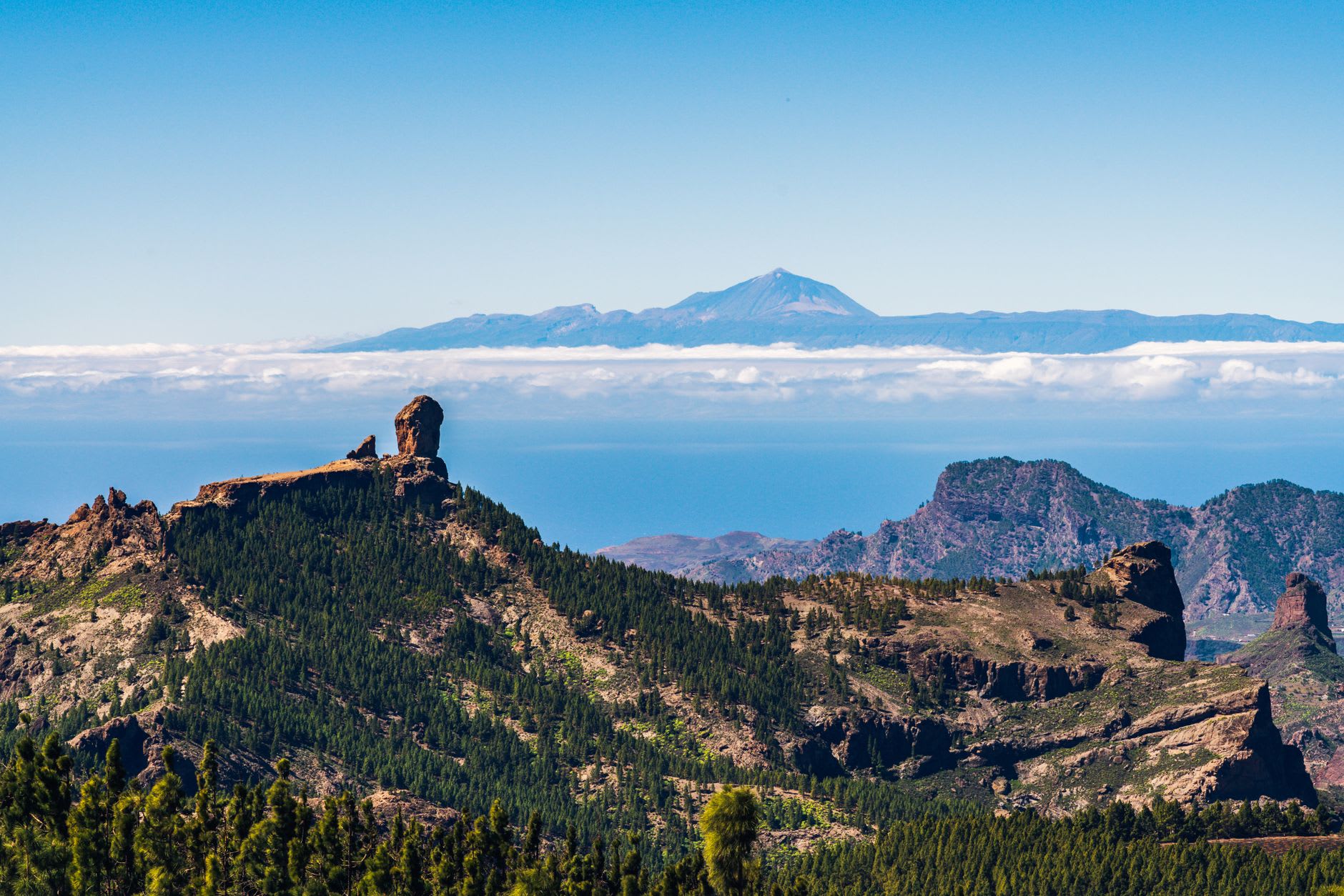
I spent two days walking the park’s trails. The trail system is excellent — well-signed, varied in difficulty, covering both ridge routes with wide views and valley descents into the deep barranco gorges where the forest gets even darker and older-feeling. On the second day I took the path down to Hermigua on the north coast, a four-hour descent through forest and terraced orchards and a final stretch above a rocky Atlantic cove. I met one other walker on the ridge and nobody in the forest for three hours.
The silence in Garajonay is the most striking thing. Not the silence of absence — birds call constantly, chaffinches mostly, and water drips and trickles everywhere — but the silence of deep soft natural insulation, as if the moss and the cloud and the density of living matter had muffled everything sharp and reduced the world to its essential textures. I kept stopping not because I was tired but because the light was always doing something slightly different to the nearest tree, and the nearest tree had been growing there for centuries and had the kind of presence that earned attention.

La Gomera’s villages at the forest edge — Vallehermoso, Chipude, El Cercado — are where the island’s potters work, producing black clay pottery using pre-Spanish techniques: no wheel, hand-built forms, fired in open air pits. I bought a small water jar at a workshop in El Cercado from a woman who told me the clay came from one specific ravine and had always come from that ravine. She said it the same way she might have mentioned the weather: as a fact rather than a distinction.
When to go: Year-round, but the forest is most dramatic in winter and spring when cloud sits low and the mist is constant. Summer brings clearer views from the summit but the magic of the fog diminishes. Whenever you go, bring waterproof layers: the ridge can be wet even when the coast is dry.