Fuerteventura
"Some islands feel like Europe with better weather. Fuerteventura feels like the Sahara decided to grow a coastline."
A wind-scoured island of Saharan dunes and turquoise lagoons, closer to Africa than to the Europe it belongs to.
Lia noticed it before I did, standing on the balcony of our little apartment in Corralejo with her coffee going cold in her hand. “It smells different here,” she said, and she was right. Fuerteventura doesn’t smell like the rest of the Canary Islands — no pine, no laurel forest, just salt and dry earth and something faintly mineral carried on the wind. It makes sense once you look at a map: this is the closest of the islands to the African mainland, barely 100 kilometers of water separating it from Morocco. You feel that proximity in the landscape long before anyone tells you the geography. The hills are the color of toast, scrubby and low, and the wind never really stops.
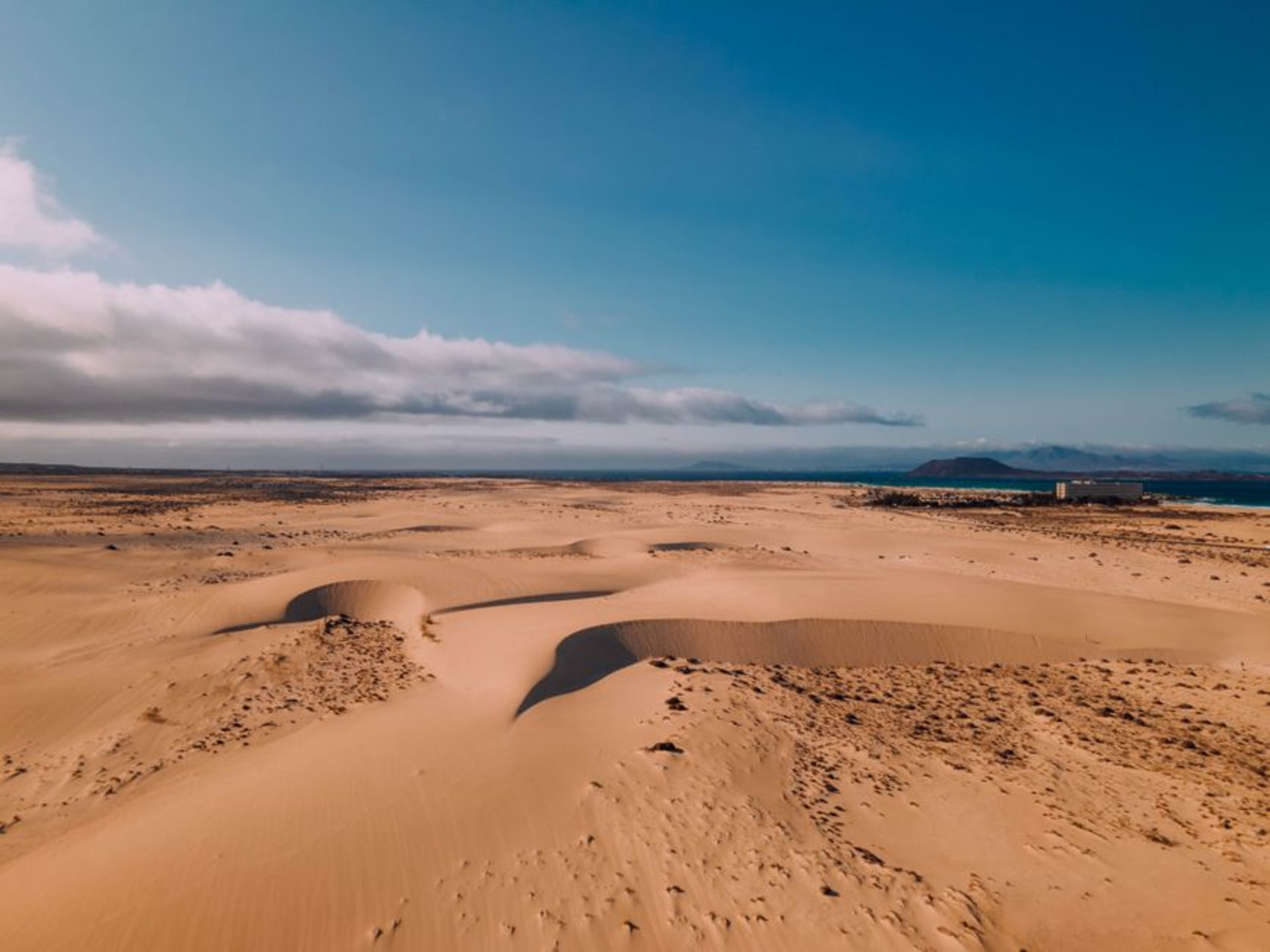
We spent our first full day walking into Corralejo Natural Park, where the dunes rise up suddenly behind the town like something misplaced from another continent entirely. They are, in a sense — a lot of that fine golden sand arrived on trade winds blown straight off the Sahara, which is a strange thing to process while you’re taking your shoes off to keep the sand from filling them. I climbed one of the taller dunes just to look back at the sea, and for a moment, with no vegetation in sight and the light doing that flat white desert thing at midday, I genuinely forgot I was on an island at all.
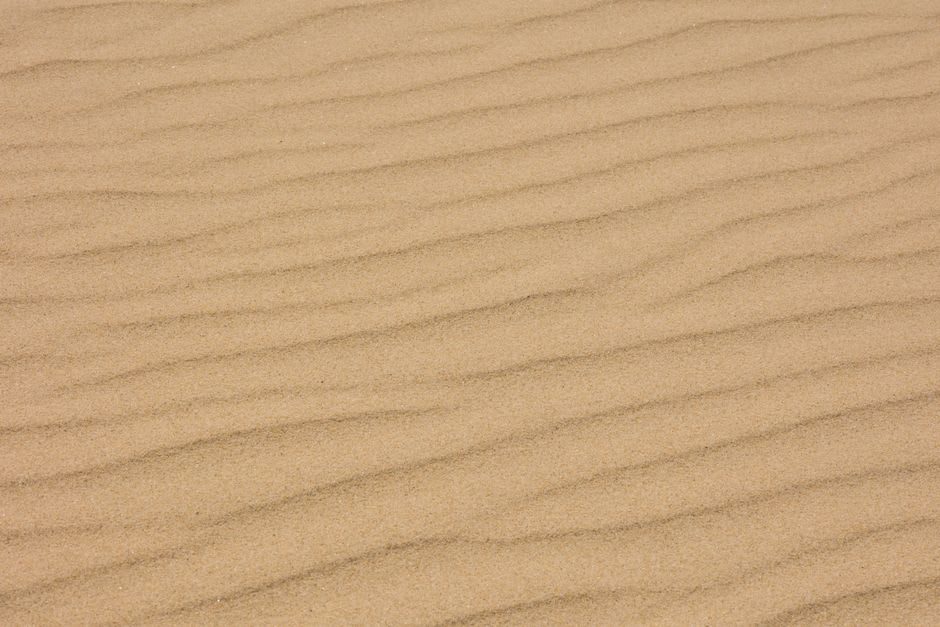
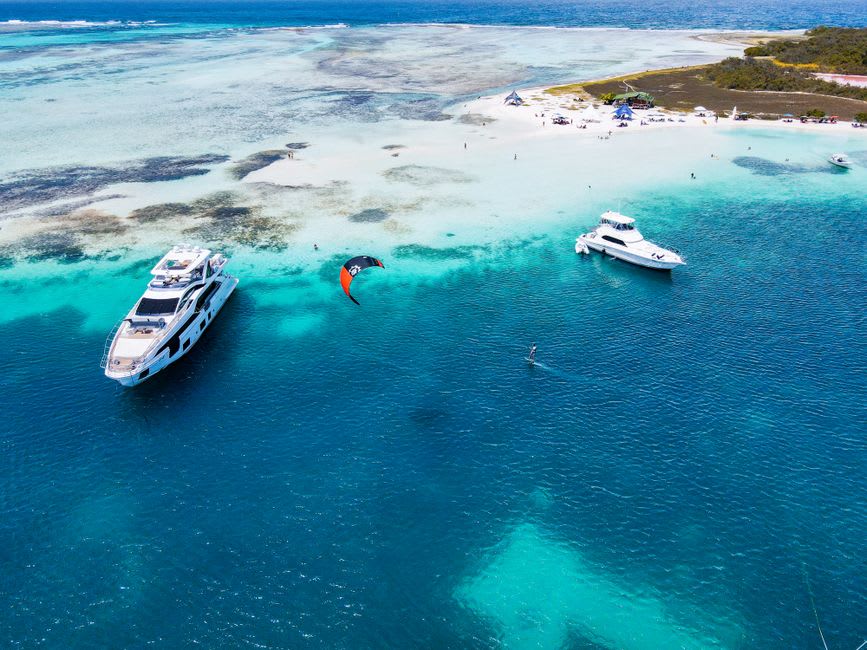
The wind that shapes those dunes is the same wind that has made Fuerteventura a pilgrimage site for windsurfers and kitesurfers, and we drove down to Sotavento Beach on the southeast coast to see it for ourselves. I am not a windsurfer — I tried once in Tarifa and mostly just drank seawater — but even as a spectator it’s mesmerizing. The lagoon there is shallow and warm, protected enough that beginners wobble along in one section while, further out, riders who clearly compete for a living carve wakes at speeds that looked frankly dangerous. It’s no accident the professional world cup circuit stops here every year; the wind is that reliable, and the water that forgiving.
What stayed with me longest, though, wasn’t a single beach or dune field but the overall sense of emptiness — in the best way. Fuerteventura became a UNESCO Biosphere Reserve back in 2009, and driving along the coast roads you understand why almost immediately: long stretches with nothing but volcanic rock, goats, and the ocean, then suddenly a fishing village with three restaurants and a church. We ate grilled cherne, a local white fish, at a place in El Cotillo with our table practically on the sand, and Lia said it was the quietest meal we’d had in months. On an island this exposed to wind and this close to a desert, quiet felt like the whole point.
When to go: I’d aim for April through June, or September into November — the trade winds are still doing their thing for anyone chasing a sail, the heat hasn’t turned oppressive, and you’ll dodge the thick of the summer crowds that pile onto Corralejo’s beaches in August.