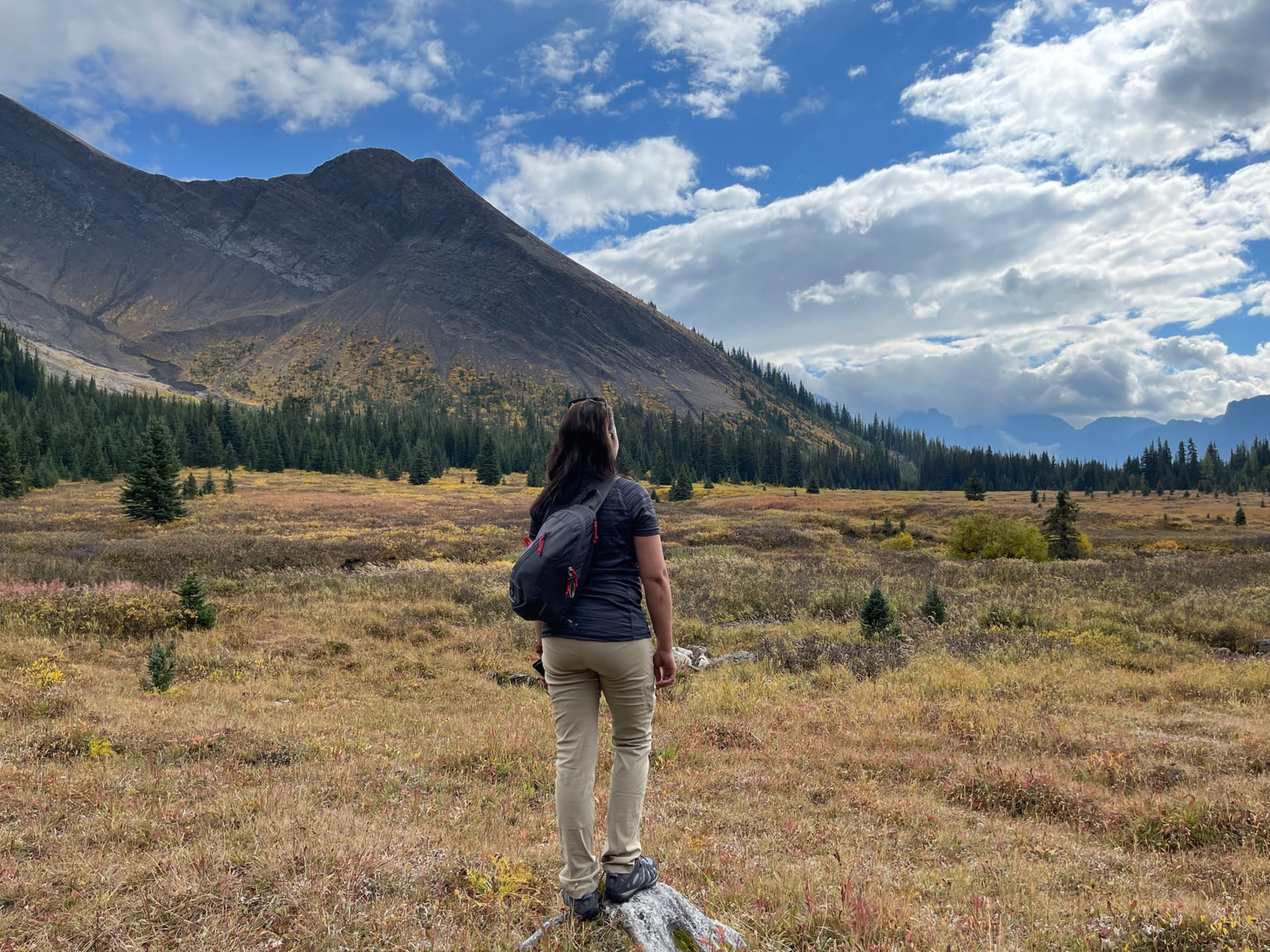
Kananaskis Country
"Same mountains as Banff, a tenth of the people, and nobody trying to sell me a fridge magnet."
The woman at the gas station in Canmore gave me directions to Kananaskis the way you tell someone about a good restaurant you would rather they did not crowd. Quiet, a little reluctant, with an unspoken please don’t tell everyone. I understood why within an hour of driving south on Highway 40. The peaks are every bit as enormous as the ones an hour north in Banff, the valleys just as glacier-carved and theatrical — but the tour buses simply are not here, and the silence on the trails has actual weight to it.
The Lakes Banff Forgot to Make Famous
We started at Upper Kananaskis Lake, which on a still morning lies so flat and so blue-green that the mountains double themselves perfectly in it. There is a long loop trail around the shore, and we walked a good stretch of it meeting maybe four other people, two of them locals with a dog who clearly considered the whole valley their backyard. The water is meltwater cold and that impossible mineral turquoise, and the only sound was the wind moving through the spruce and, somewhere far off, a loon being theatrical about it.
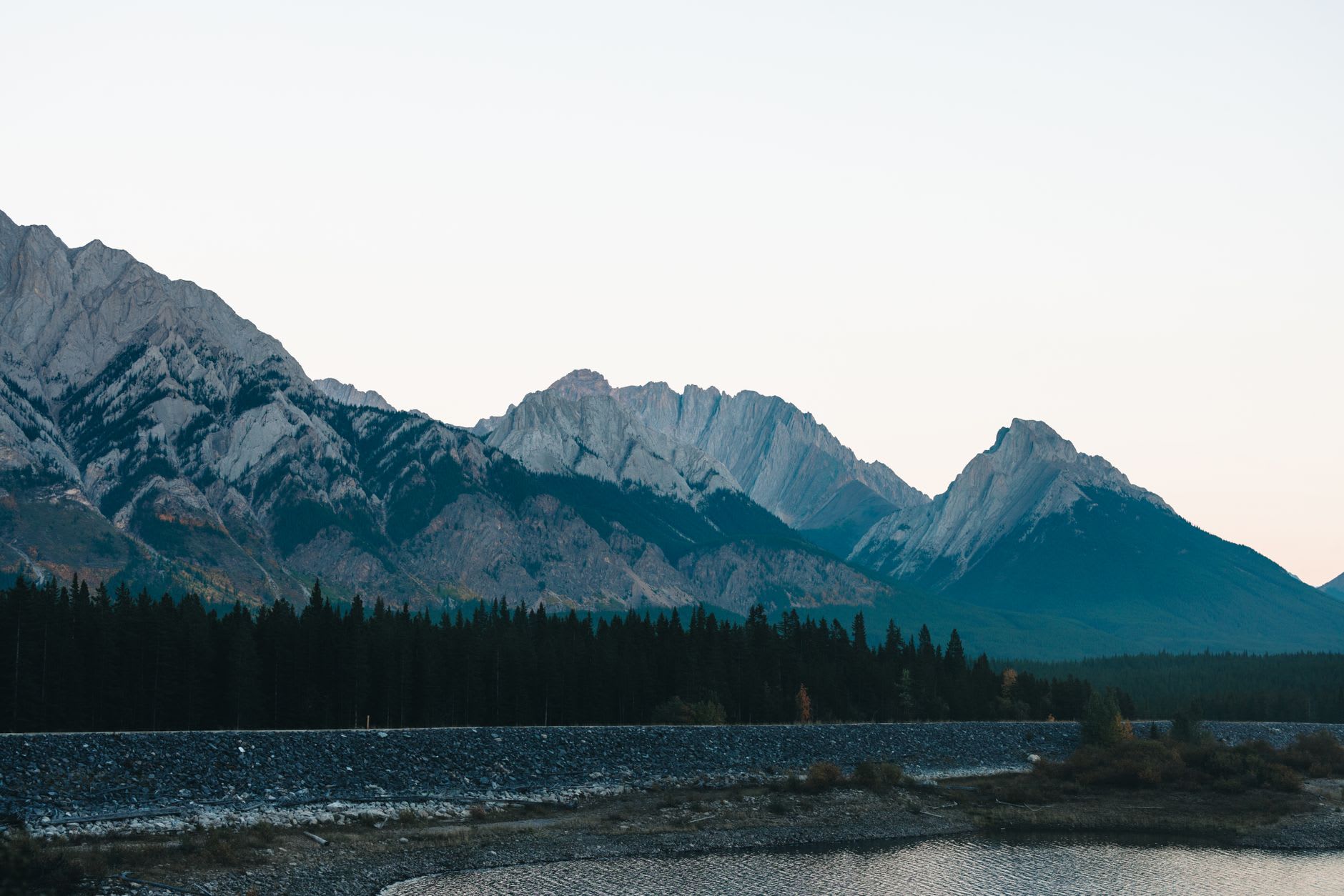
Later we drove up the Highwood Pass, which at over 2,200 meters is the highest paved road in Canada, and got out to walk a short way into Ptarmigan Cirque. It was September, and the larches had just begun to turn — those strange deciduous conifers that go a furious gold for two weeks each autumn and then drop their needles. Lia, who tracks the larch season the way some people track cherry blossoms, was beside herself. We sat on a rock among the gold trees and ate sandwiches and watched a pika ferry mouthfuls of grass into a scree pile.
A Place That Still Belongs to the Animals
What you feel in Kananaskis, more than in the busier parks, is that you are a guest in a working ecosystem. There are grizzlies here, and the trail signs are not decorative — we carried bear spray, made noise on the blind corners, and kept our food sealed. On the drive out at dusk a black bear crossed the road ahead of us without urgency, glanced over as if mildly inconvenienced, and ambled into the trees.
We stayed in the car and let it take its time. It felt like the correct order of things — the mountains, the bear, and us very much in third place.
Knowing Before You Go
Kananaskis requires a Conservation Pass, a small fee you must buy in advance online; the rangers do check, and the money goes to keeping the place as it is, so pay it gladly. Cell service is patchy to nonexistent, so download maps beforehand. And take the bear precautions seriously — this is not Banff’s manicured front country.
When to go: July and August for full trail access and warm alpine days. But if you can, come in the third week of September, when the larches turn and the valley glows gold and the summer crowds, such as they were, have gone home.