Yellowknife
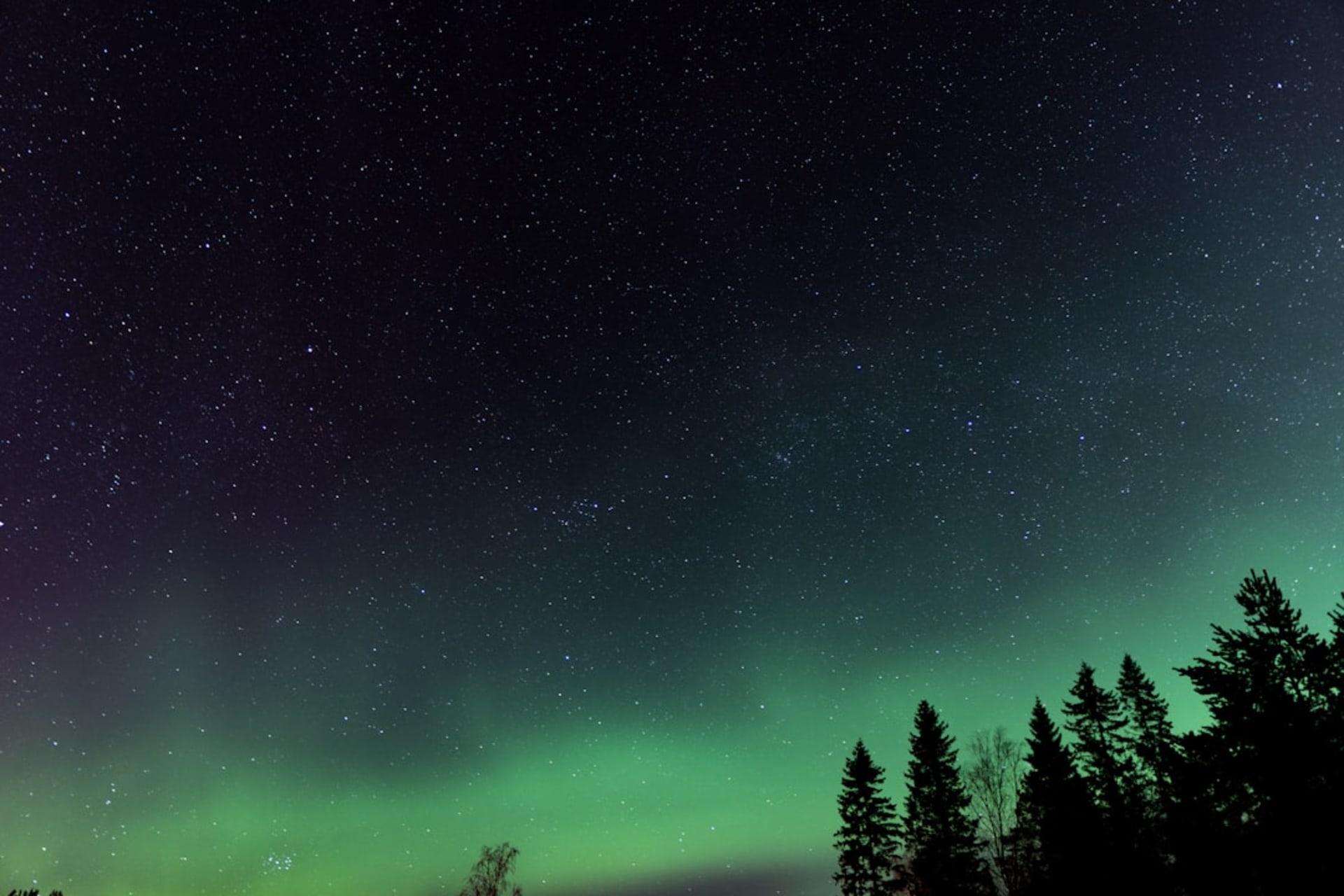
"I stood on the lake ice at minus thirty-five and watched the sky do something my camera simply refused to capture properly."
The Northwest Territories' diamond-boom capital on Great Slave Lake, where houseboats bob through summer and the aurora borealis puts on the best show in North America each winter.
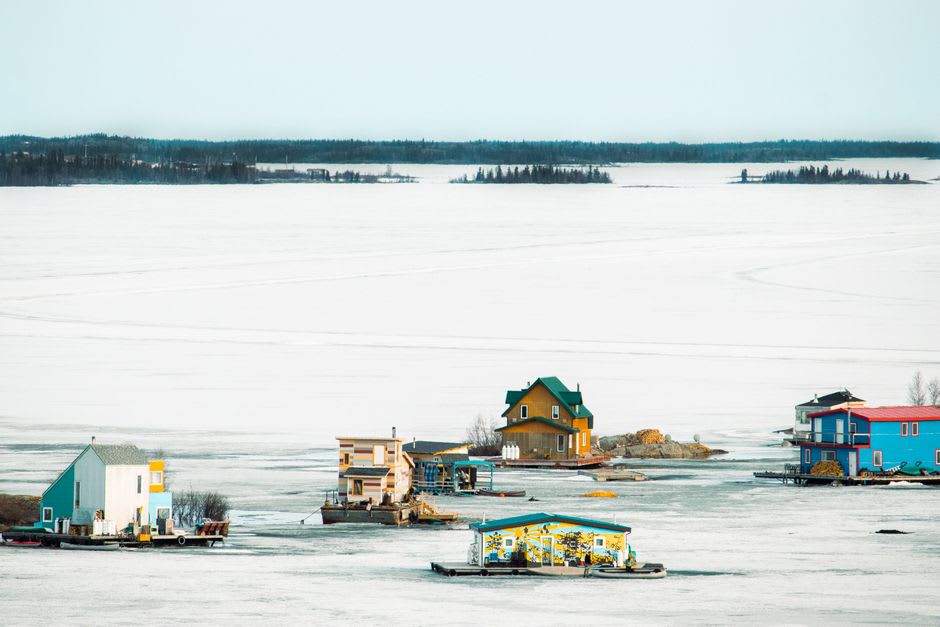
Yellowknife is a strange, likeable collision of frontier grit and genuine sophistication, and you feel it within an hour of landing. The airport terminal has a stuffed polar bear in the arrivals hall and a gate lounge that somehow also functions as the territory’s best-lit room. Downtown is squat government buildings and a handful of decent restaurants, and five minutes away, Old Town spills down toward Great Slave Lake in a jumble of float planes, fish plants, and houses built directly onto the rock because there was nowhere flatter to put them. I arrived in July, when the lake — the ninth largest in the world by volume — was open water crowded with float planes taxiing out toward fly-in fishing lodges, and Old Town’s famous houseboat community was fully afloat, thirty-some homes anchored in the bay, no addresses, no municipal services, entirely off-grid by choice.
The Aurora Capital, Earned
But Yellowknife’s real fame is winter, and it is not hype. The city sits almost directly under the auroral oval, the ring around the magnetic pole where the northern lights are statistically most active, and it has close to two hundred clear nights a year to actually see them — a combination that makes it arguably the single best easily-accessible aurora-viewing spot on the planet. I went out to a heated teepee camp on the lake ice with an aurora-viewing operator, thermos of tea in hand, and within an hour the sky had gone from faint green haze to full curtains rippling directly overhead, bright enough to cast shadows on the snow. The guide, who’d seen this several hundred nights running, still stopped talking and just watched.
Diamonds Underneath Everything
The other thing that defines modern Yellowknife is diamonds. Since the mid-1990s, several massive diamond mines have opened north of the city — Ekati, Diavik, Gahcho Kué — turning what was once a gold-mining town (its name literally comes from the copper-bladed knives once traded by the local Yellowknives Dene) into one of the world’s more improbable diamond capitals. The mines themselves are remote fly-in operations, but their economic gravity is everywhere downtown, from the diamond-cutting and polishing storefronts to the fly-in-fly-out workers filling the airport lounge every changeover day. I toured the Prince of Wales Northern Heritage Centre and left with a much better sense of how completely this town’s identity has been rewritten twice in a century — copper knives to gold to diamonds — each time by whatever the rock underneath happened to be worth.
Old Town’s Wildcat Cafe, a low log building that’s been serving since the 1930s gold rush days, does an Arctic char so good I went back twice in four days, sitting at long communal tables with miners, bureaucrats, and tourists indistinguishably mixed.
When to go: Mid-November through March for the most reliable aurora on frozen, snow-quiet nights; June through August for the midnight sun, houseboats, and fly-in lake fishing.