Wood Buffalo National Park
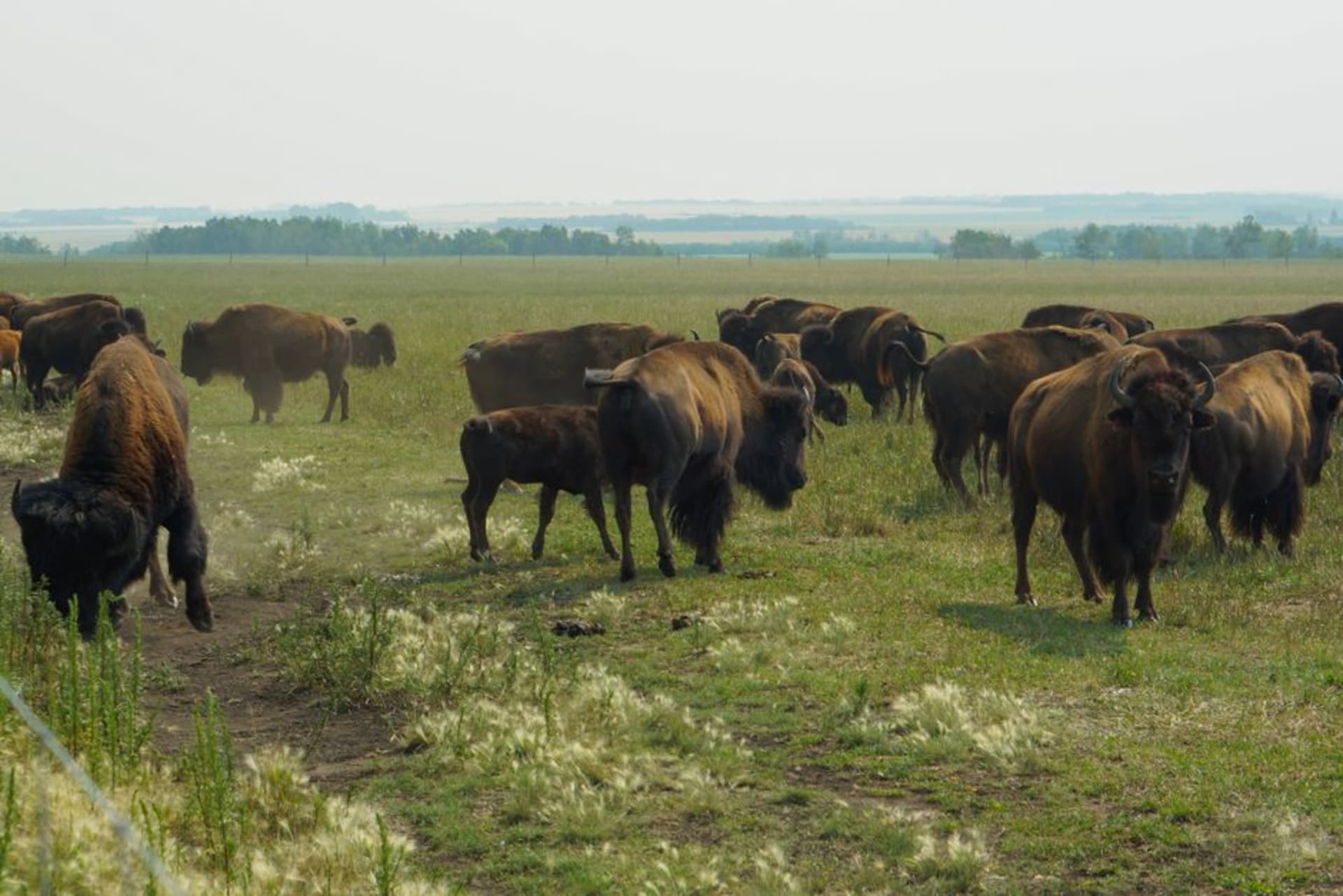
"We waited on the gravel road for eleven bison to finish crossing, and nobody in the truck suggested honking."
Canada's largest national park, straddling Alberta and the Northwest Territories, protects the world's biggest free-roaming bison herd and one of the planet's great inland river deltas.
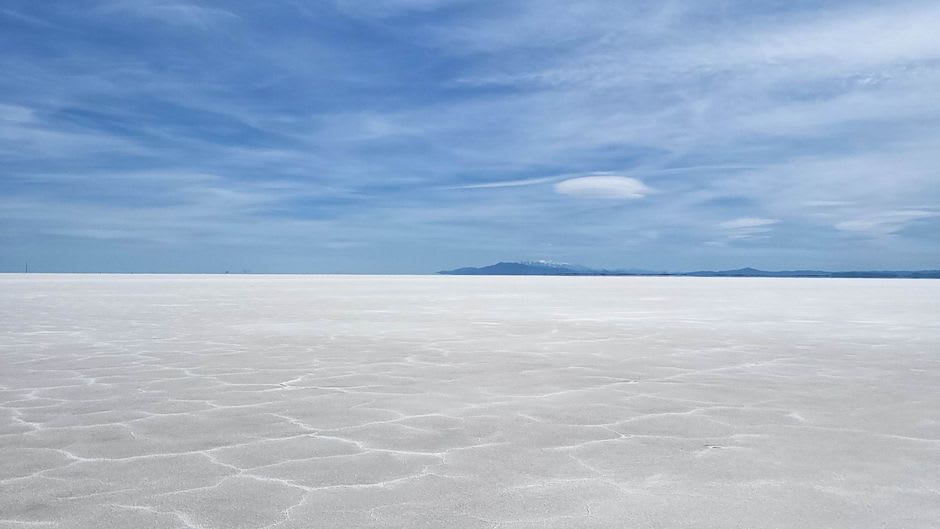
Wood Buffalo is bigger than Switzerland, and driving into it from Fort Smith doesn’t feel like entering a park so much as entering a different scale of geography entirely. The road runs through boreal forest for so long that the GPS signal drops and you start navigating by the salt plains — a genuinely strange landscape of exposed white gypsum karst and sinkholes near the Alberta border, one of the few inland salt flats in North America, left behind by an ancient sea. I pulled over just to walk out onto the crust, salt crunching underfoot in a forest of black spruce, an ecosystem collision that shouldn’t exist and does.
The Bison, Unmanaged
The park exists, originally, because of bison — it was created in 1922 specifically to protect the last wild herds of wood bison, the northern subspecies, larger and darker than the plains bison most people picture. Today it holds the largest free-roaming bison herd left on the planet, several thousand animals moving across the park with essentially no fencing and no management beyond disease monitoring. We came around a bend on the gravel road south of Fort Smith and the entire road was bison — a slow, unbothered line crossing from one meadow to another, bulls at the back turning to eye the truck with an expression that made clear who had right of way. We waited maybe fifteen minutes. Nobody minded.
The Delta and the Cranes
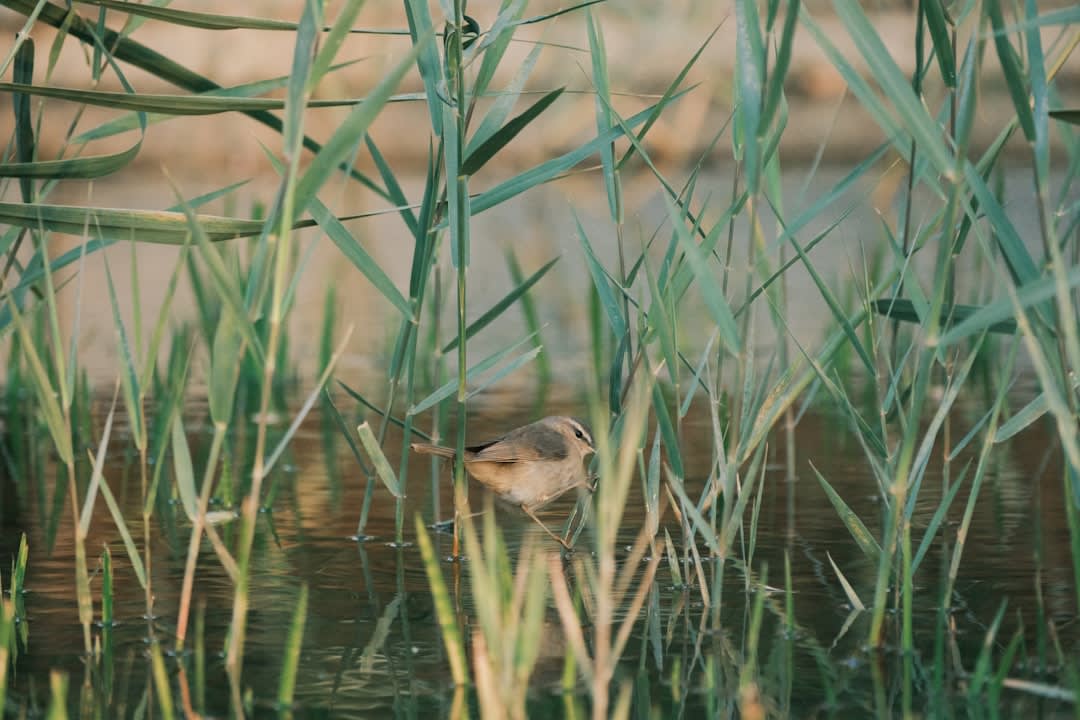
The other reason this park exists on the world stage is the Peace-Athabasca Delta, where the Peace, Athabasca, and Birch rivers converge into one of the largest freshwater deltas on Earth — a maze of channels, perched basins, and wetlands that UNESCO recognized alongside the bison when it designated Wood Buffalo a World Heritage Site. This delta is also the last natural nesting ground of the whooping crane, one of the rarest birds in North America; by the 1940s the entire wild population had dropped to around twenty birds, and this remote, roadless nesting site — inaccessible enough that biologists still monitor it mostly by aircraft — is a large part of why the species clawed back at all. I didn’t see a whooping crane; almost nobody does, since the nesting sites are deliberately kept off-limits and unpublicized. But I stood at a delta overlook near Fort Smith at dusk and watched sandhill cranes lift off the marsh in their hundreds, their calls carrying an improbable distance over completely flat water.
Fort Smith itself, the gateway town, sits on the Slave River rapids, and I watched a group of kayakers surf a standing wave there that a local told me, with obvious pride, is one of the best whitewater play spots in the country — an oddly perfect final image for a park defined by scale nobody quite expects.
When to go: June through early September for accessible roads and wildlife viewing; the salt plains and bison meadows are most alive in early summer before the worst of the mosquito season peaks in July.