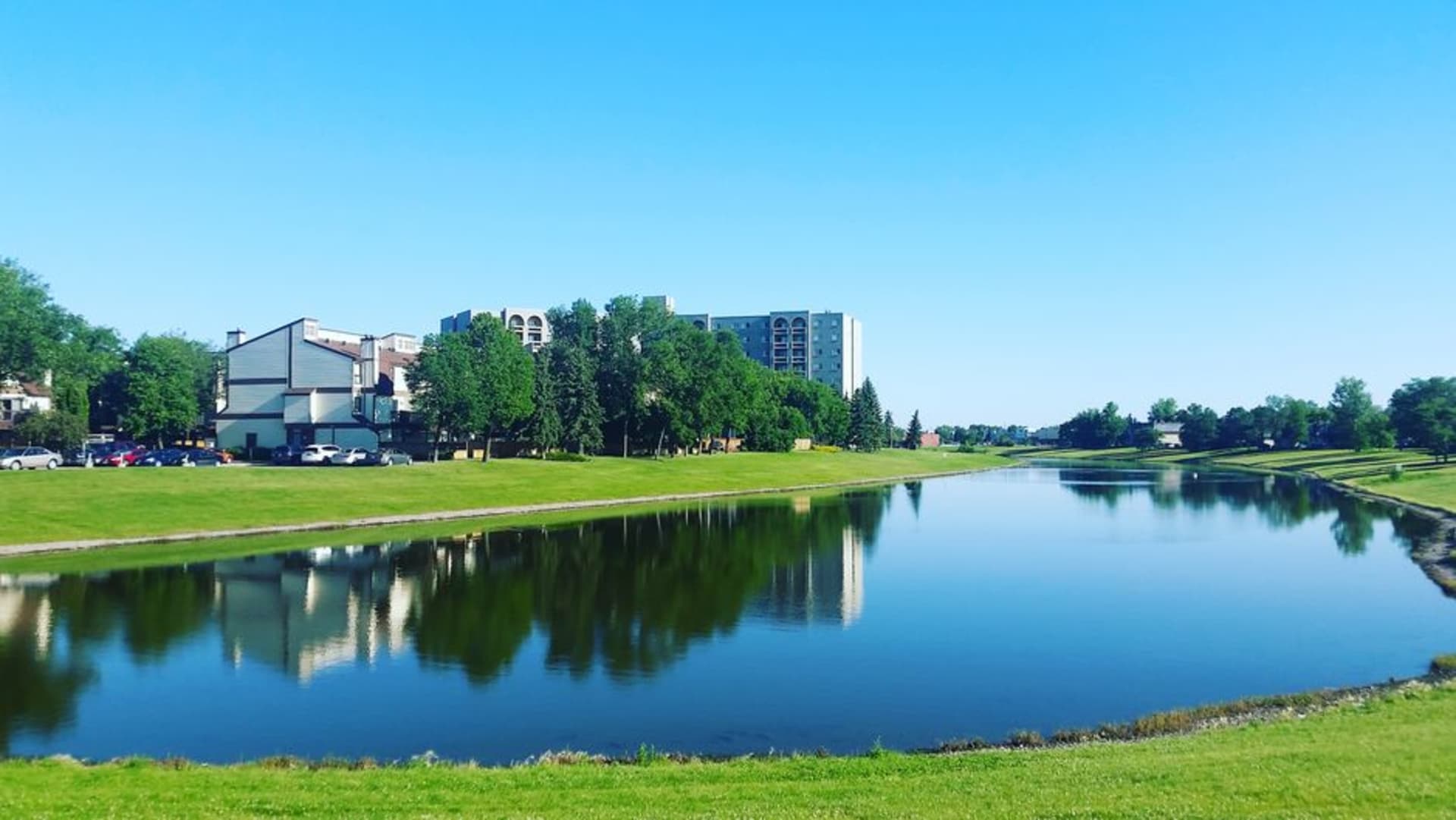
Winnipeg
"Ask a Winnipegger about winter and watch pride, not complaint, take over their whole face."
A prairie capital built where two rivers meet, proud almost to the point of dare about its brutal winters, and home to a museum built specifically to make you uncomfortable.
I landed in Winnipeg in February against most people’s advice, and within an hour of arriving, a stranger at a coffee counter had already asked, with genuine curiosity rather than sympathy, whether I’d brought “real” gloves. Winnipeg’s relationship with its own winters is unlike anywhere else I’ve been in Canada — locals don’t apologize for temperatures that regularly plunge past minus thirty, they seem to collect them, comparing wind chill numbers the way other cities compare restaurant openings. There’s a fierce, specific civic pride in having survived a place that most maps would consider hostile to permanent settlement.
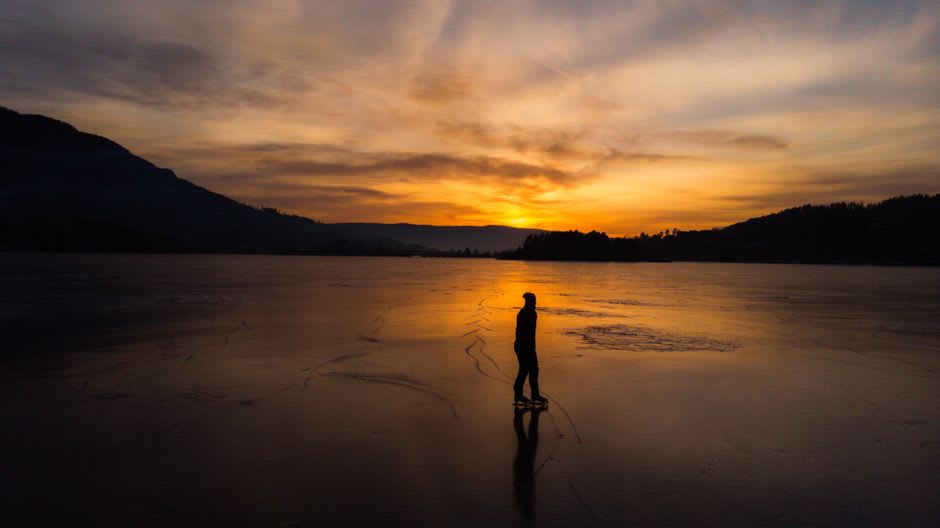
That pride starts to make sense once you understand The Forks, the historic meeting point of the Red and Assiniboine rivers right in the heart of downtown, used as a gathering and trading site by Indigenous peoples for six thousand years before European fur traders arrived and built on the same spot. In summer it’s a market and festival ground; in winter, the frozen river itself becomes the longest naturally maintained skating trail in the world, complete with warming huts designed by architects from around the globe. I skated a stretch of it at dusk, blades on actual river ice, streetlights coming on along the bank, and understood immediately why Winnipeggers put up with the cold that makes it possible.
A museum built to unsettle you
The Canadian Museum for Human Rights sits a short walk from The Forks, an extraordinary building of glass and Tyndall limestone that spirals upward toward a tower called the Israel Asper Tower of Hope. I went in expecting a fairly standard historical museum and instead spent nearly four hours moving through exhibits on genocide, residential schools, and civil rights that were deliberately, uncomfortably direct — no softened language, no looking away. It’s the kind of museum that leaves you quieter walking out than you were walking in, and Winnipeg deserves real credit for hosting something this unflinching rather than something safer and more forgettable.
A city that earns its toughness
Between the rivers, the museum, and a downtown that empties out dramatically once the temperature drops, Winnipeg felt less like a tourist stop and more like a genuine character study of a city that has decided its hardships are part of its identity rather than something to hide. I left with frostbitten cheeks and a strange affection for the place that I hadn’t expected at all.
When to go: February for the frozen river trail and warming huts, if you can handle real prairie cold; June through August for The Forks market season and the Winnipeg Folk Festival.