Ucluelet
"Ucluelet doesn't try to be Tofino, and forty minutes down the same road, that's exactly why it works."
Tofino's quieter, rougher-edged neighbour on the same stretch of Pacific coastline, built around storm-watching, a working harbour, and a wild clifftop trail rather than surf-town polish.
Everyone I’d talked to before this trip had opinions about Tofino. Almost nobody mentioned Ucluelet, which sits at the opposite end of the same short highway spur off Pacific Rim National Park, and which I now think got shortchanged by that silence. Where Tofino has surf schools and a restaurant scene people fly in for, Ucluelet — locals just call it “Ucluelet” or, more often, “Ukee” — still feels like a fishing town that tourism arrived at rather than one built around tourism from the start. The harbour has real crab boats tied up alongside whale-watching outfits. The main street has a single grocery store doing most of the town’s business. It’s rougher, quieter, and I found myself preferring it for exactly those reasons.
A Trail Built for Weather
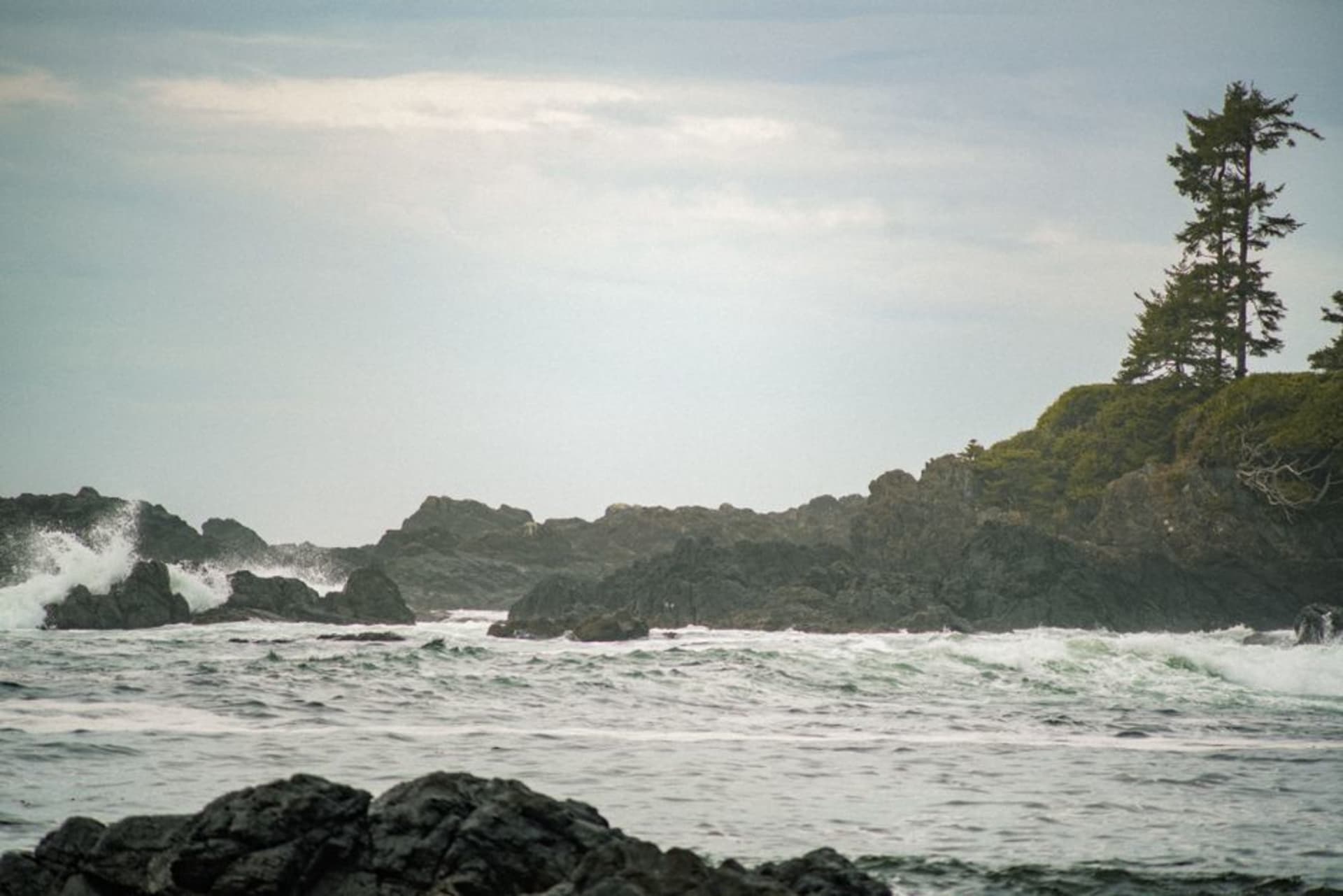
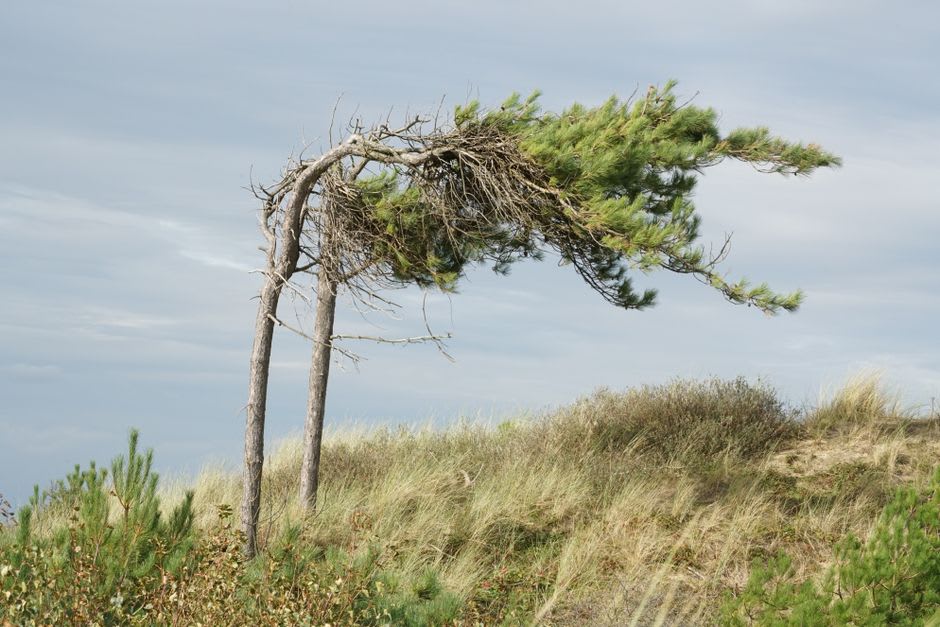
The Wild Pacific Trail is Ucluelet’s genuine claim to fame, a network of clifftop paths that wind along the exposed headland at the edge of the peninsula, engineered specifically to put you close to the ocean’s worst behaviour rather than shelter you from it. I walked the Lighthouse Loop on a day with a serious onshore wind, waves detonating against black rock in slow, rhythmic violence twenty metres below the trail, wind-stunted cedar and hemlock bent permanently sideways from decades of exactly this weather. There’s a lighthouse at Amphitrite Point, still operational, that has been warning ships off this coastline since 1915, and standing near it in that wind it was easy to understand why it needed to exist — this headland has claimed enough vessels over the last two centuries that the offshore waters are sometimes called the Graveyard of the Pacific.
Storms, Whales, and a Harbour That Still Works
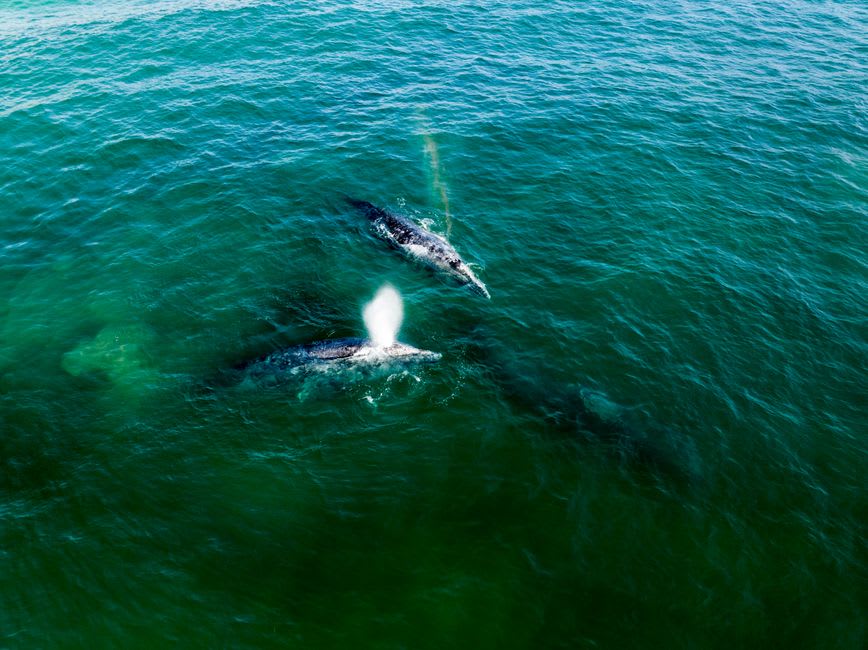
Ucluelet leans into storm season with less theatre than Tofino but no less enthusiasm, and the winter months here bring the same Pacific systems, viewed from a town that feels less curated about it — you watch from the trail or from a harbourside window rather than a designed lodge lounge. Spring and autumn bring the grey whale migration close to shore, and boats leave directly from the working harbour rather than a dedicated tourist dock, sharing space with the crab traps being loaded for the day. I got out on one of these tours in a light drizzle, the boat pitching gently, and watched a grey whale surface twice within what felt like an unreasonably close distance, the guide narrating in the same unhurried tone she probably used for the fortieth time that week.
The surf here exists too, just without Tofino’s crowds or reputation — Wickaninnish and Florencia Bay draw a smaller, more local crowd, and the water is the same cold, kelp-heavy Pacific either way. What Ucluelet offers, in the end, is the same wild edge of the island with the volume turned down, which after a few days of Tofino’s energy felt like exactly the right register to end the trip on.
When to go: November through February for genuine storm-watching without the crowds. March through April brings the grey whale migration close to shore, and this is arguably the town’s best season overall.