Twillingate
"I have seen glaciers up close in the Alps, but nothing prepared me for one drifting past a fishing town like it owned the harbour."
Newfoundland's iceberg capital, where centuries-old ice drifts past an outport fishing village and a lighthouse still marks the edge of Iceberg Alley.
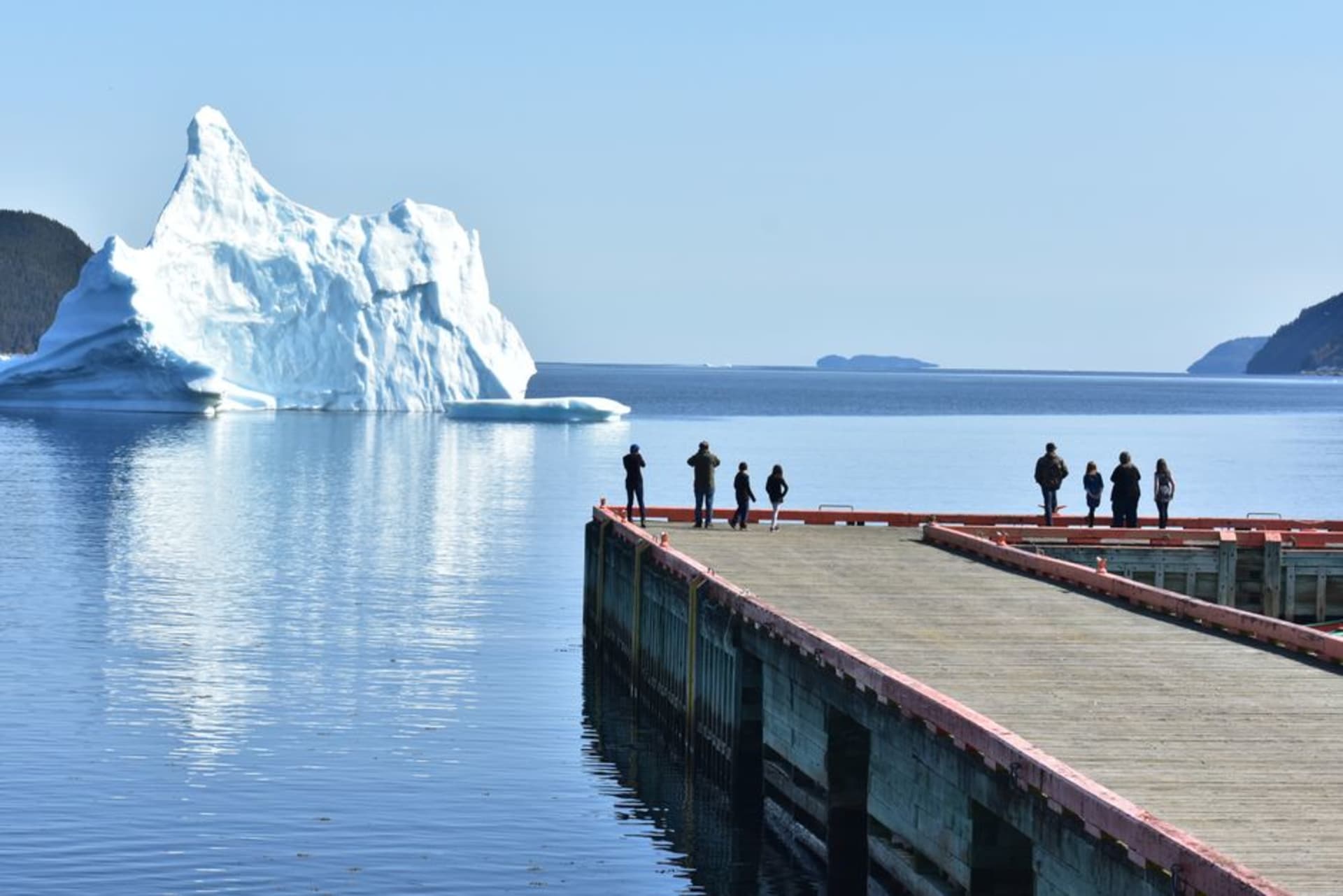
I timed my trip to Twillingate around a single, slightly absurd goal: seeing an iceberg. This stretch of Newfoundland’s northeast coast sits directly in what’s known as Iceberg Alley, the path along which icebergs calved from Greenland’s glaciers drift south each spring and early summer, carried by the Labrador Current. Locals call it “iceberg season,” typically running from May through early July, and the town has built a genuine, unpretentious economy around it — boat tours, a viewing app that tracks berg positions, and an annual Iceberg Festival that turns spotting frozen chunks of the Arctic into a community celebration. I arrived in June and got lucky: a berg the size of a small office building sitting just off the harbour mouth, glowing faintly blue in the fissures where the ice was oldest and most compressed.
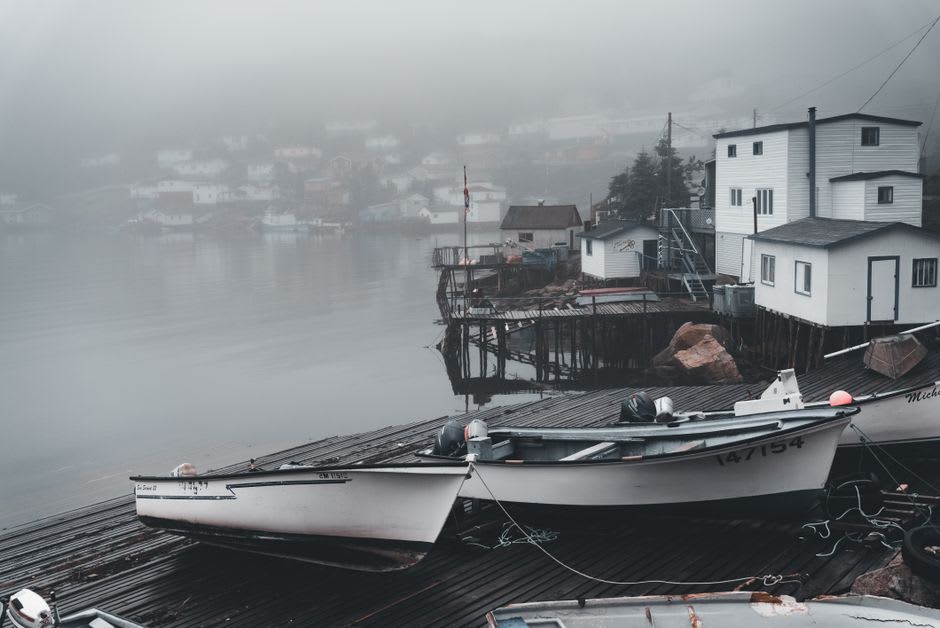
Twillingate itself is a proper outport — a small, historically isolated fishing settlement built into the rock along a series of coves, connected to the mainland only by causeway since the 1970s. Before that, everything moved by boat, and the town’s whole layout still reflects it: houses clustered tight along the water, wharves and stages (the traditional Newfoundland term for the raised platforms used to process fish) still standing behind some of the older homes. Cod was the reason this place existed for centuries, and the 1992 cod moratorium hit Twillingate as hard as anywhere in the province; the town has since leaned into iceberg tourism and a rebuilding shellfish industry to stay alive.
Long Point Lighthouse
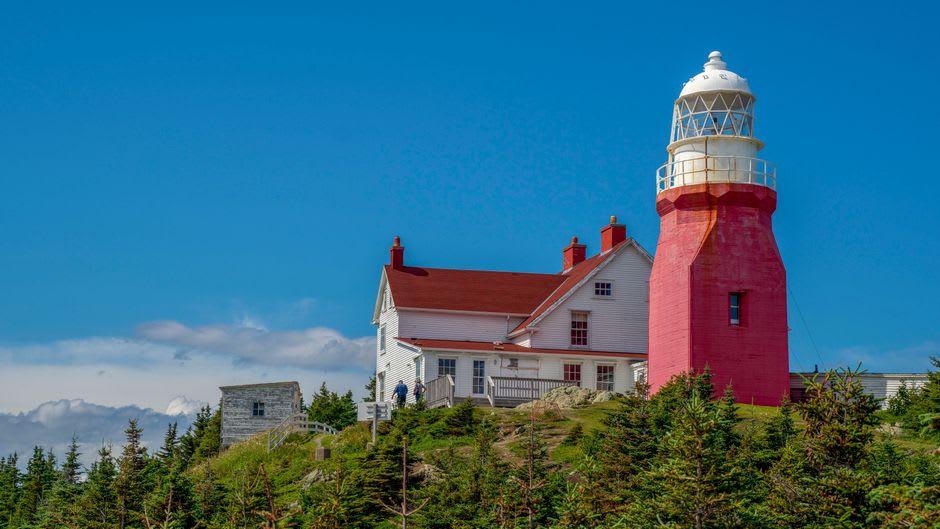
At the northern tip of the island, Long Point Lighthouse sits atop a 90-metre cliff, one of the best vantage points on the whole coast for spotting both icebergs and, later in summer, humpback and minke whales that follow the capelin runs close to shore. I climbed up in a stiff wind that nearly took my hat into the Atlantic and stood at the edge watching a berg break apart slightly in the swell — a low grinding crack, then a chunk sheared off and rolled, sending up a small wave. It’s a strange thing to witness something that formed as snowfall on Greenland thousands of years ago finally disintegrate in front of you.
An outport evening
In the evening, a small local museum in a converted merchant’s house walked me through the outport way of life before the causeway — how isolated these communities really were, dependent on schooners and, eventually, the coastal boat service for anything from mail to medicine. Afterward I ate cod tongues, a genuine local delicacy and not a euphemism, fried at a small restaurant overlooking the harbour, while the light stayed pale and long past ten at night, that peculiar high-latitude summer dusk that never quite commits to darkness.
When to go: Late May through early July for peak iceberg viewing; whale watching picks up through July and August as the capelin arrive close to shore.