Trois-Rivières
"Founded in 1634 and still smelling faintly of the pulp mill — Trois-Rivières wears its industry honestly."
Quebec's second-oldest city, founded in 1634 at the confluence of the St. Maurice and St. Lawrence rivers, where pulp-mill smokestacks and a cobblestone old town share the same skyline.
I stopped in Trois-Rivières on the drive between Montreal and Quebec City mostly because the name kept appearing on road signs, and I’m glad I did, because most people blow straight past it without realizing they’ve skipped the second-oldest city in the country. Founded in 1634, three years before Montreal, it sits at the point where the St. Maurice River splits into three channels before joining the St. Lawrence — hence the name — and that geography made it a natural fur-trading post, then a lumber town, then one of the great pulp-and-paper capitals of the world. You can still smell it, faintly, on certain days when the wind comes off the river the wrong way, and locals talk about the smell with a strange, genuine affection, the way people talk about a grandparent’s cooking.
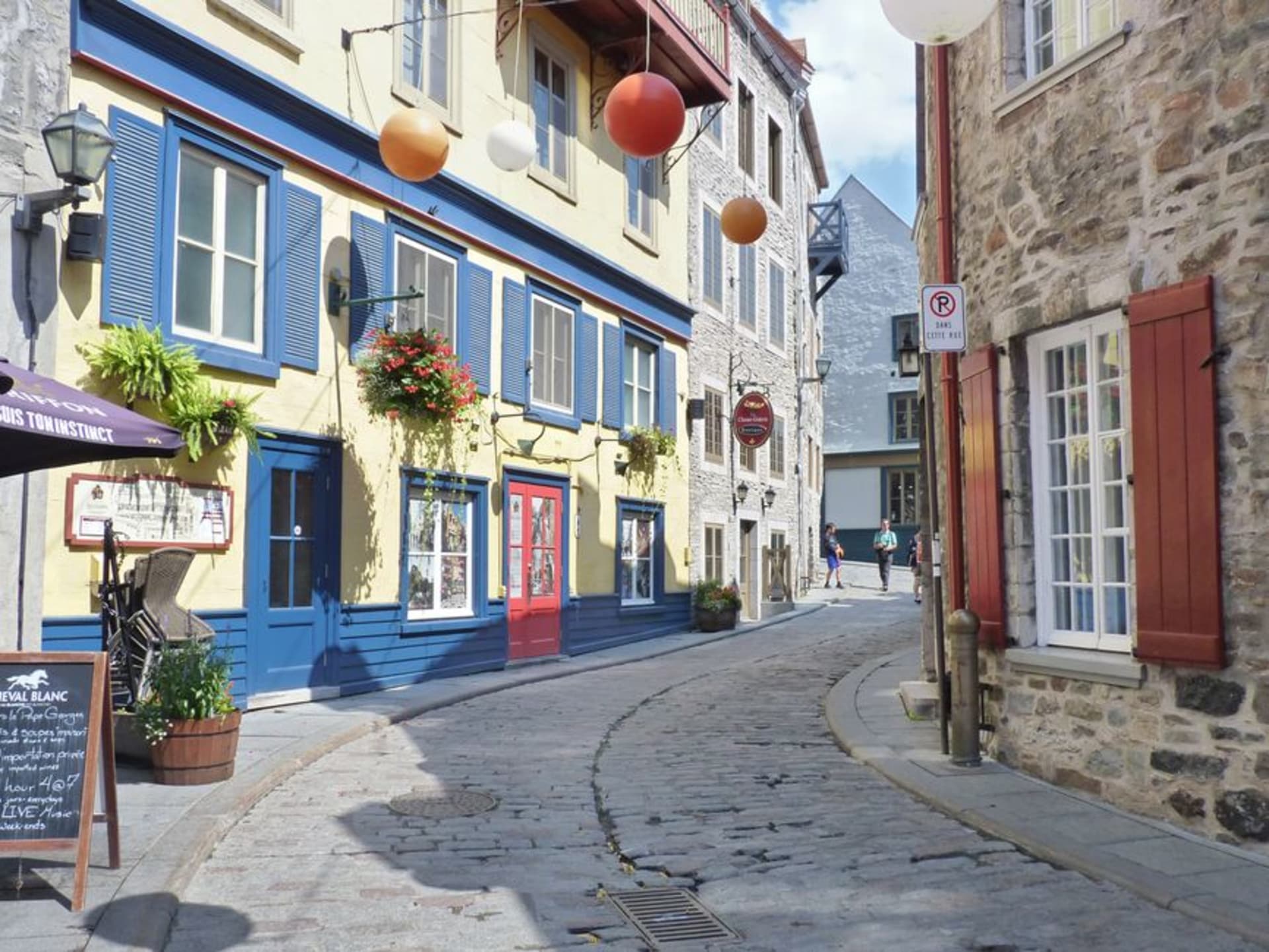
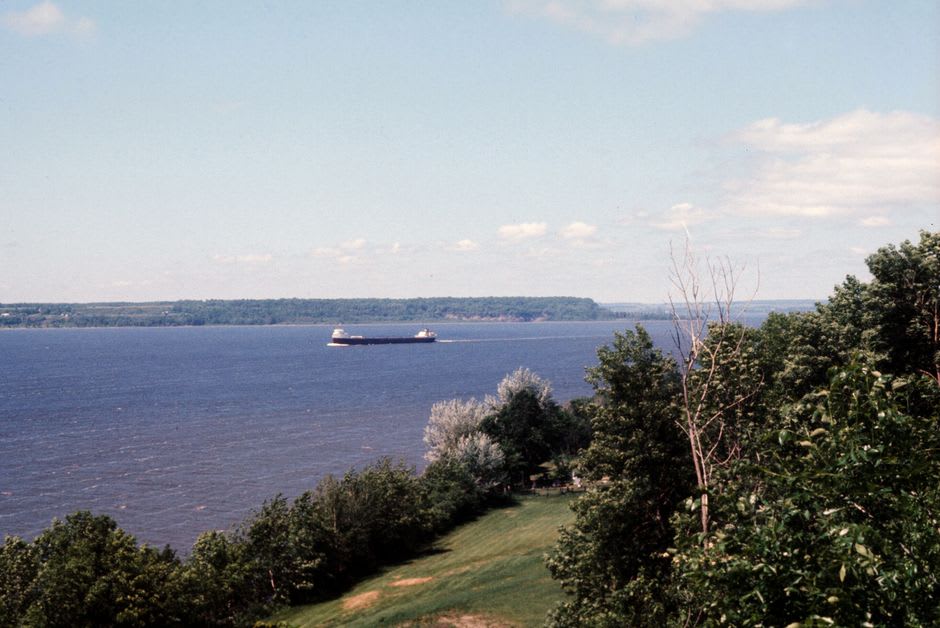
The old town is compact and walkable in an afternoon, its stone buildings low and thick-walled in a way that reminded me more of a Norman village than anything I’d seen elsewhere in Quebec — a fire in 1908 destroyed most of the wooden structures, so what survives or was rebuilt has a sturdier, more deliberate feel. I wandered into the Ursuline convent, still an active religious community after more than 300 years, and then down to the boardwalk along the St. Lawrence where the river is wide enough here to feel like a lake, container ships gliding past pleasure boats without much concern for each other.
A City Built on Paper and Poetry
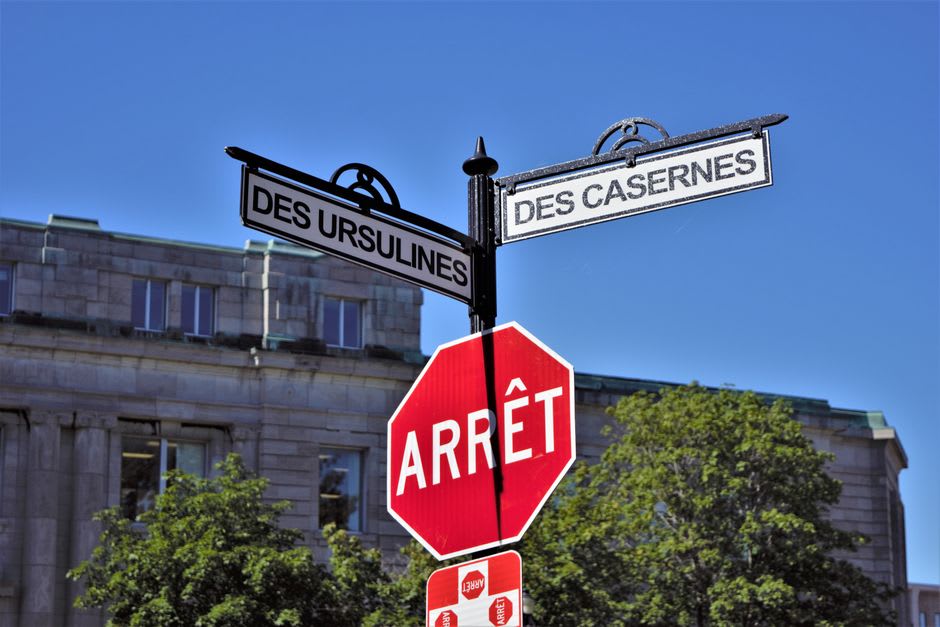
For most of the twentieth century Trois-Rivières called itself the paper capital of the world, its mills lining the St. Maurice and shipping newsprint to half the newspapers in North America. The industry has shrunk considerably since — you can visit Boréalis, a former pulp mill turned museum, and get a genuinely fascinating hour on how a log became a newspaper page, complete with the old sorting machinery left intact. What replaced some of that civic identity is, improbably, poetry: the city hosts the Festival International de la Poésie every autumn, a ten-day event where verses get printed on banners, painted on storefronts, and read aloud in bars, which is a strange and lovely thing to stumble into if you didn’t know it was happening.
Where the River Does the Talking
Sitting on a bench along the boardwalk at dusk, watching the St. Maurice empty into the St. Lawrence, I understood why this stretch of river shaped everything about the city — the fur trade, the timber, the ironworks at nearby Forges du Saint-Maurice, the earliest ironworks in the country. Trois-Rivières doesn’t perform its history for visitors the way Quebec City does; it just keeps living inside it.
When to go: September for the poetry festival and cooler walking weather; summer for river activities and the Grand Prix motor race that briefly turns the old town into a racetrack.