Tadoussac
"I saw a beluga surface twenty meters off the ferry rail and forgot, briefly, how to speak."
Where the Saguenay Fjord spills into the St. Lawrence, a whale-watching village of sand dunes, beluga pods, and North America's oldest surviving wooden building.
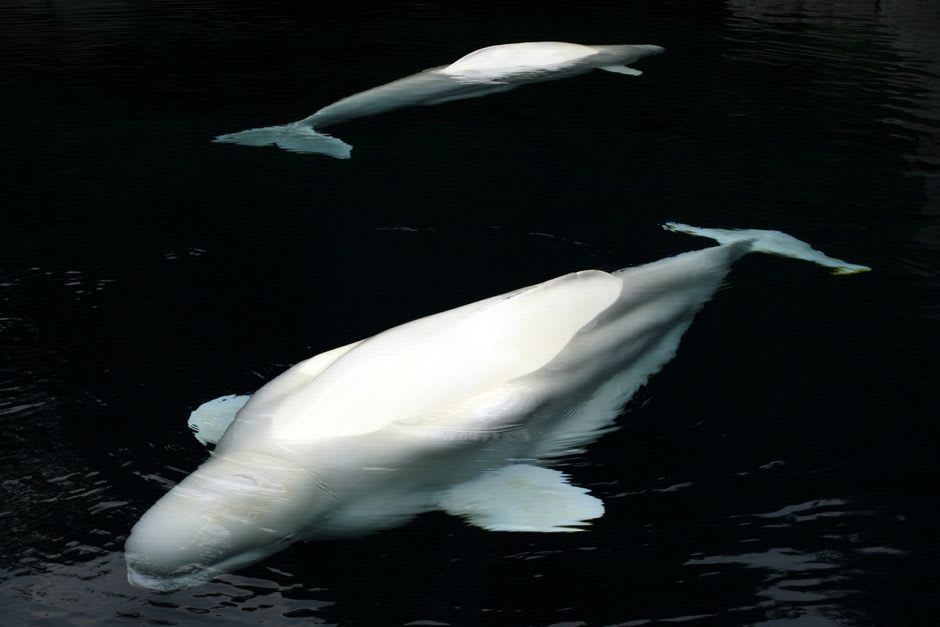
You feel Tadoussac before you see it, in a way — the ferry from Baie-Sainte-Catherine crosses the mouth of the Saguenay Fjord, and somewhere in that ten-minute crossing the water changes character entirely, deep and dark and cold in a way that even a non-scientist can sense. This is where the Saguenay, having carved its way down from Lac Saint-Jean through 90 kilometers of fjord walls, finally meets the St. Lawrence, and the collision of fresh and salt water, cold and warm currents, creates one of the richest marine feeding grounds in the world. I was on the ferry deck, not even looking for wildlife yet, when a beluga surfaced maybe twenty meters off the rail, white and unmistakable against the dark water, and I actually forgot what I was saying mid-sentence to the person next to me.
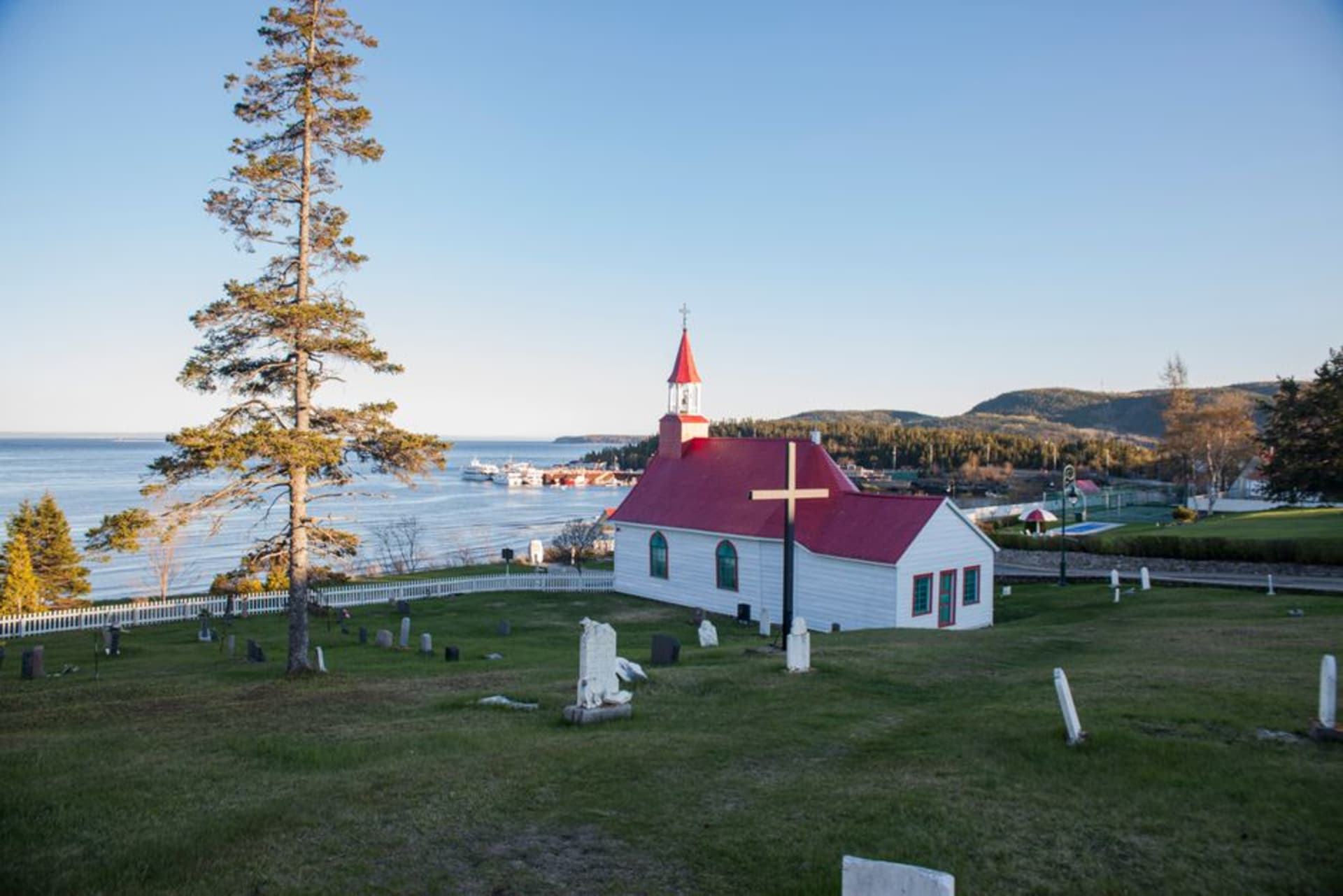
The village itself is tiny and almost absurdly picturesque, a scatter of colorful houses and a red-roofed hotel on a hill above the bay, but it punches far above its size as a research and tourism hub, because this stretch of water hosts one of the most reliable whale-watching grounds on the continent — minke, fin, and occasionally blue whales alongside the resident beluga population, all within sight of shore for much of the summer.
The Little Chapel and the Dunes
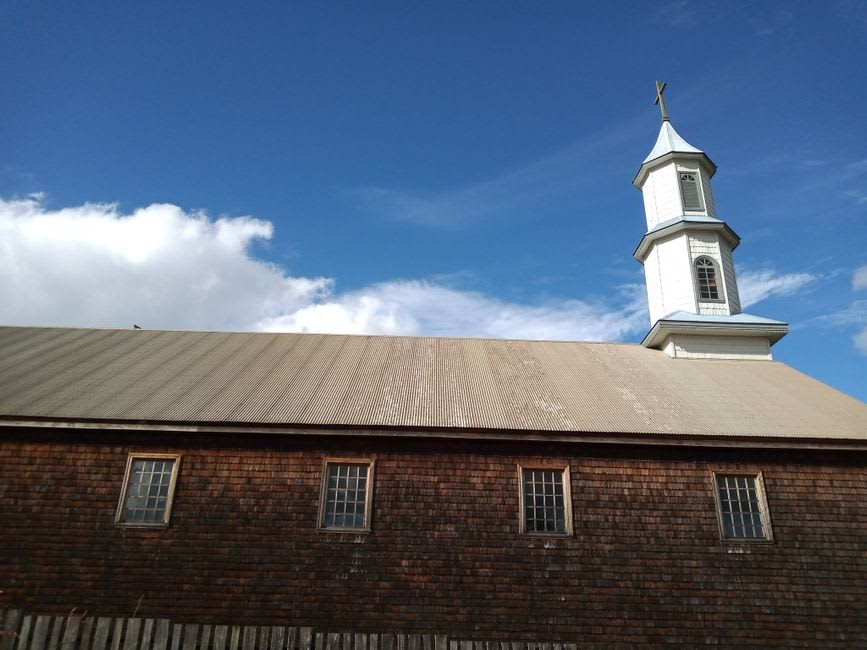
Tadoussac’s other claim to fame is quieter but no less remarkable: the Chapelle de Tadoussac, built in 1747, is the oldest wooden building still standing in North America, a small, unassuming clapboard chapel that has survived nearly three centuries of Saguenay winters through sheer stubbornness. I ducked in expecting a museum piece and instead found it still occasionally used for services, wooden pews worn smooth, sunlight coming through plain glass windows in a way that felt more honest than any cathedral. A few kilometers from the village, the Tadoussac Dunes rise unexpectedly out of the boreal forest — enormous sand formations left behind by glacial retreat, now used for sandboarding and short hikes that offer a startling view back down over the fjord mouth.
An Afternoon on the Water
I booked a zodiac tour out of the village on my second day, and within twenty minutes we’d cut the engine near a pod of belugas moving unhurriedly along the fjord edge — the guide dropped a hydrophone and let us listen to them calling to each other, a sound somewhere between a creaking door and birdsong, utterly unlike anything I expected a whale to produce.
When to go: June through October for whale-watching season, with belugas present nearly year-round but the greater whales arriving from July; early autumn brings fewer crowds and calmer fjord water for kayaking.