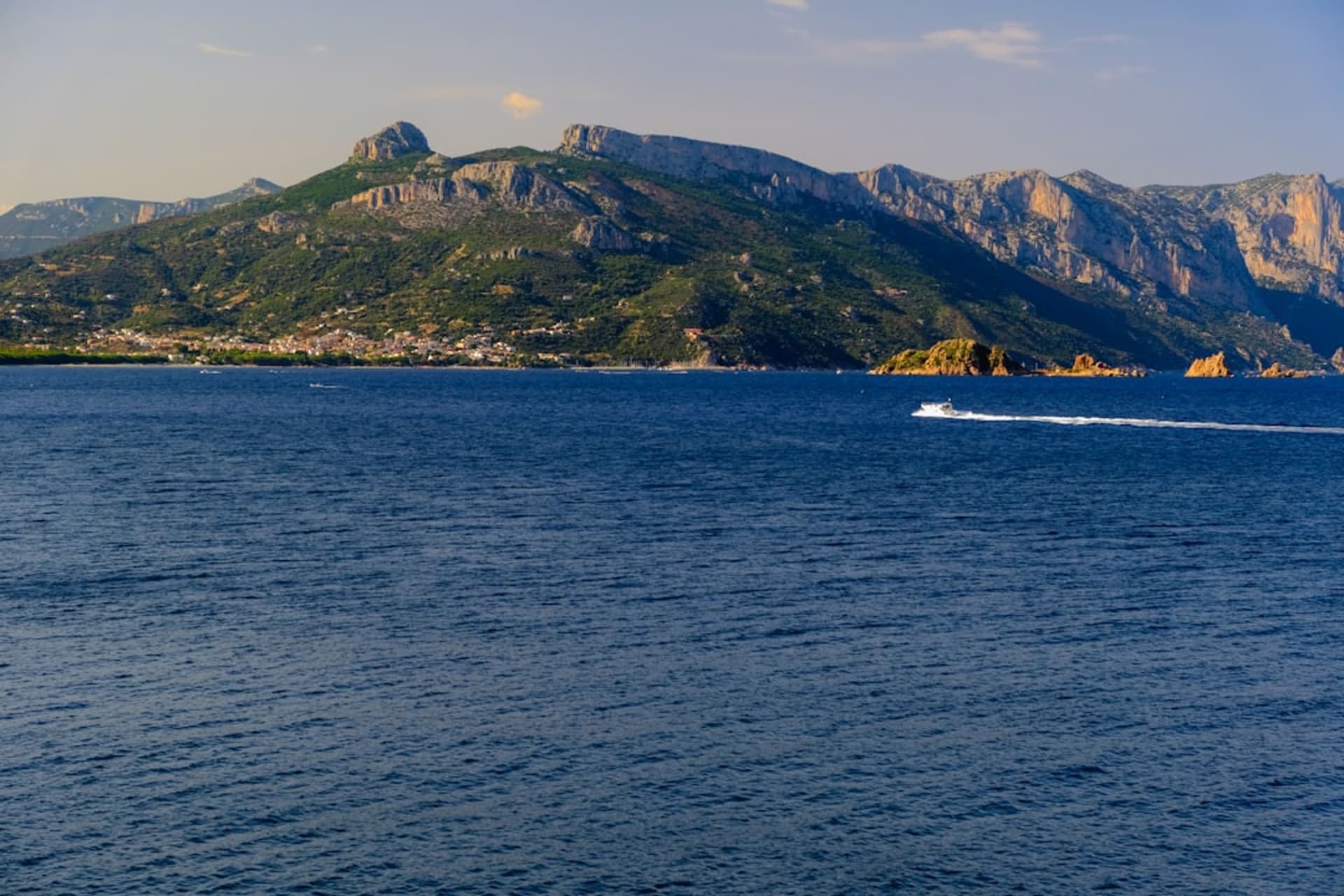
Sunshine Coast
"You cannot drive to the Sunshine Coast, and that single fact explains everything good about it."
A ferry-only stretch of British Columbia coastline north of Vancouver, strung with laid-back arts towns, tidal rapids, and a slower rhythm than the mainland it faces.
There is no road connecting the Sunshine Coast to the rest of mainland British Columbia, which is a strange thing to say about a place technically attached to the continent. To get there from Vancouver, you take a ferry across Howe Sound to Langdale, and that forty-minute crossing does something psychological to the place on the other side — it filters out anyone in too much of a hurry. I stood on the deck watching the city skyline shrink and the coastal mountains close in, and by the time I drove off the ramp at Langdale, I had already downshifted into a different pace without meaning to.
The coast itself unspools along a single highway that occasionally requires a second ferry crossing at Earls Cove to continue north, and each town along it has its own particular flavour of unhurried. Gibsons, right off the first ferry, has a working harbour and a main street of galleries and a bakery that sold me a cinnamon bun the size of my fist for what felt like a genuinely fair price. Further along, Sechelt and Roberts Creek have leaned hard into an artist-and-homesteader identity — pottery studios, a summer literary festival, driftwood sculptures propped along the beach that nobody seems in a rush to remove.
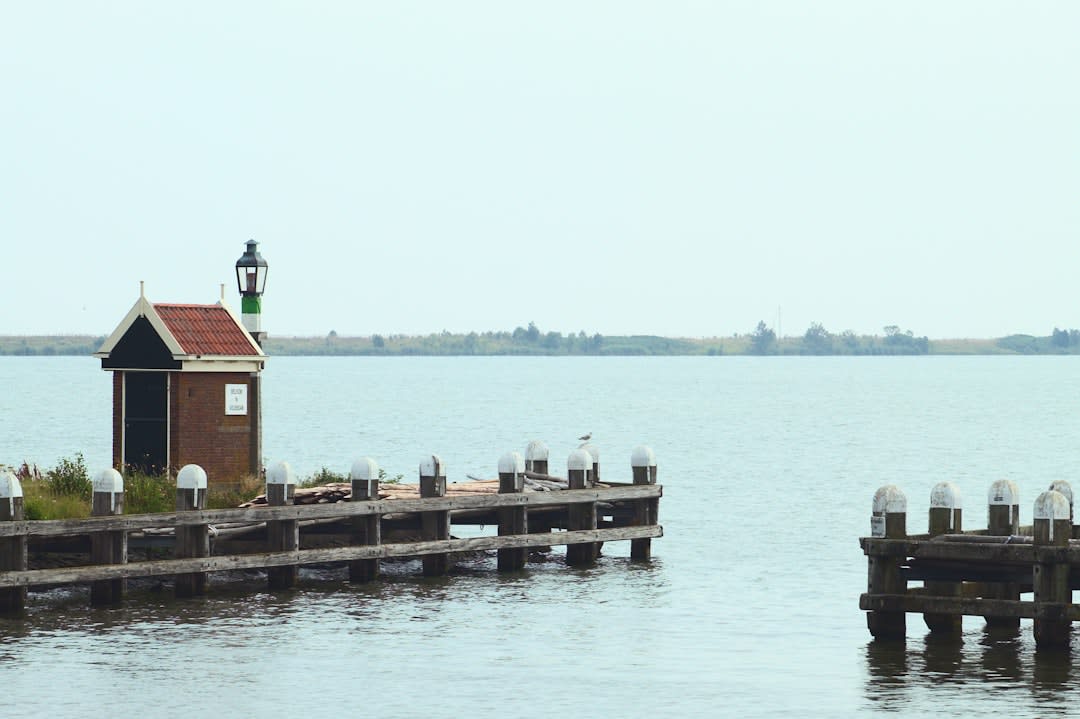
Skookumchuck Narrows
The one thing on this coast that is not laid-back is Skookumchuck Narrows, a tidal channel near Egmont where an enormous volume of ocean water gets forced through a narrow gap on the changing tide, producing standing waves and whirlpools strong enough to attract kayakers who treat it like a permanent whitewater feature. I hiked the four kilometres out to the viewpoint at Roland Point on a big tide, and the sound got me before the sight did — a low roar building through the forest that I initially mistook for a highway, until I came out of the trees and saw the water itself churning and standing up in metre-high waves against the current. Locals gather at the right tide tables the way surfers check swell reports, and the whole scene had a strange, slightly ominous grandeur that nothing else on this gentle coast prepared me for.
Back in Sechelt that evening, eating fish and chips on a deck overlooking the strait, I asked a woman at the next table how long she had lived here. Thirty-one years, she said, and she still took the ferry into Vancouver as rarely as she could manage. I understood the impulse completely.
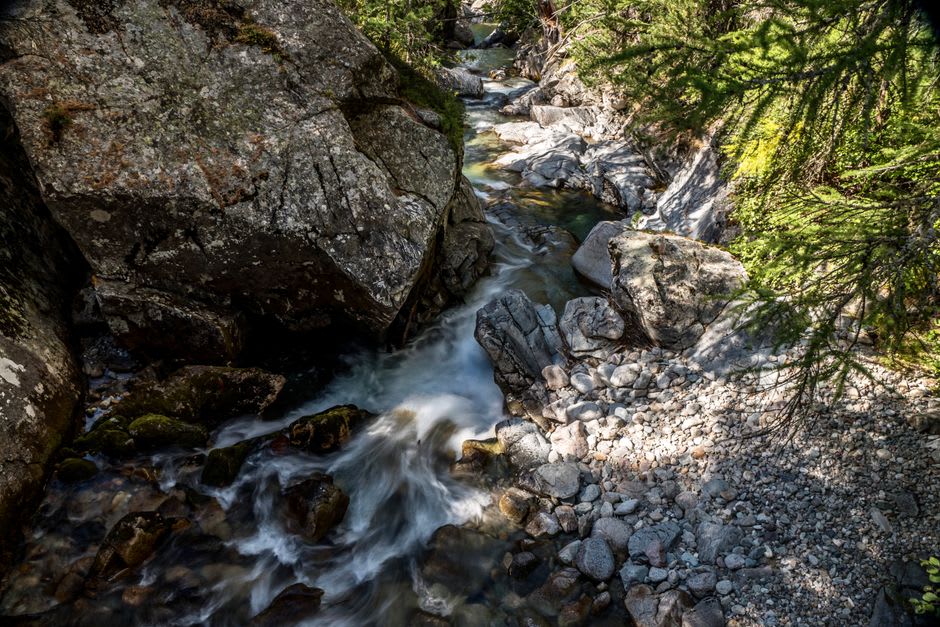
When to go: July and August for calm ferry crossings and the full run of arts festivals; check tide tables specifically if you want to see Skookumchuck Narrows at its most dramatic.