
Sudbury
"NASA trained astronauts here because the landscape looked like the moon. Sudbury has spent fifty years proving that wrong."
A nickel-mining city built inside an ancient meteorite crater, once a moonscape of blackened rock, now an unlikely case study in ecological recovery.
I’ll admit I came to Sudbury with low expectations, mostly because everyone in Toronto had described it to me as a mining town you drive through on the way to somewhere prettier. What nobody mentioned was the crater. Sudbury sits inside the remains of one of the largest known meteorite impacts on Earth — a rock roughly ten kilometres across slammed into the Canadian Shield about 1.85 billion years ago, and the resulting basin, sixty kilometres long, is what fractured the ground into the nickel and copper deposits that built the entire city. You don’t feel like you’re standing in a crater day to day, it’s simply too large to register as one, but knowing it’s there changes how you look at the hills.
The mining history left visible scars for most of the twentieth century — decades of smelting without pollution controls stripped the surrounding hills of vegetation and blackened the exposed rock, to the point that Apollo astronauts genuinely trained here in the 1970s because the barren, cratered terrain approximated the lunar surface closely enough to be useful.
The Big Nickel and Dynamic Earth
The Big Nickel is the roadside monument everyone photographs, a nine-metre replica of a 1951 Canadian nickel coin standing on a hillside overlooking the highway, built in 1964 as a piece of unapologetic civic boosterism. It’s paired now with Dynamic Earth, an excellent science centre built around an actual former mine shaft, where you descend in a real mining cage to walk drift tunnels and handle core samples. I went down expecting a gimmick and came up genuinely rattled by the scale of it — the temperature drop, the sound of the rock, the guide’s matter-of-fact stories about miners working these same seams generations back.

A Landscape That Grew Back
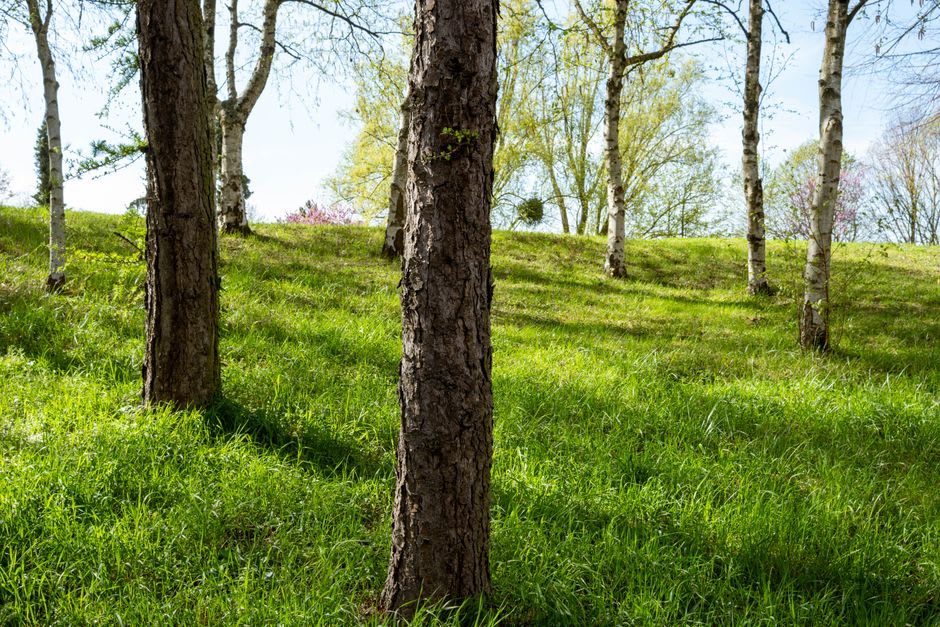
What actually stayed with me was the regreening. Starting in the 1970s, Sudbury launched one of the most ambitious land-reclamation programs in the world — limestone spread by air to neutralize the acidified soil, millions of trees and grass seed planted by hand across blackened hillsides that scientists had assumed were permanently sterile. Driving out past the city limits now, the hills are green again, birch and pine reclaiming slopes that were bare rock within living memory. Locals point it out with real pride, and it’s earned — this is one of the only places I’ve been where an environmental disaster has a visible, ongoing happy ending.
When to go: June through September for Dynamic Earth’s outdoor tours and hiking the regreened trails; winter brings serious cold but also the best chance of aurora activity, given Sudbury’s northern latitude and dark surrounding forest.